I needed some greens, particularly some celery and some spinach – it’s minestrone weather. I normally shop at my local IGA supermarket, a short walk from home, although some say it’s more expensive than the larger chains. Just for a change, as I sometimes do, I drove to a nearby Woolworths supermarket, as they advertise themselves as “The Fresh Food People”.
I found the celery, but had to make some choices, as you can see:
SticksWhole bunches
I was curious as to which of these was the best deal. Although I wanted only a few sticks, I was happy to buy a few more than I needed. Are they all of equivalent value? How do they differ?
The top one was the easiest, as it was a clear weight (300 g). It comprised only sticks, which someone had trimmed from a bunch, I assume; it must have been tricky to get exactly 300 g, I thought, but I guess the trimmer got skilled at this after a while. I could use these directly, without trimming them any further myself. But $4.90 seemed expensive; maybe that’s why people are talking about the high cost of groceries these days? I suppose I had to pay for the plastic container, too – although I already have too many plastic containers.
Mental arithmetic is sometimes helpful, and I checked that this put the celery sticks at about $16 per kg. (I noticed only later that the small print on the label confirmed the celery sticks were $16.33 per kg.)
The packets of sticks below seemed to be the same to me – only a little cheaper at $3.90. Then I looked more carefully and saw that they were described as Celery Hearts. That is, they were sticks but still had the bottom bit of the celery bunch intact, so I would have to remove it myself. That seemed like a good deal (saving $1) for not much effort, but were they the same size? No weight was showing.
I grabbed a couple of bags and took them to a scale to check the weight. Unlike the results of the well-trained and careful celery trimmers that made the 300 g packs, they were all quite different weights – to my mild surprise. I checked five of them at random and got the weights of 480 g, 515 g, 540 g, 525 g and 440 g. The variation surprised me – as if nobody was trying to make them all the same. The average (mean) weight seemed to be about 500 g, so I estimated that these cost a bit under $8 per kg, about half the price of the sticks, although some of them would need to be discarded to just get the sticks. That’s a big difference.
The final choice was a whole bunch of celery, as shown at the top of this page. They looked like a pretty good buy, even though they would need a bit of trimming – topping and tailing essentially. I mentally assumed they were the best buy and put one in my bag to take home. When I got home, I trimmed off the tops and weighed my bunch (including the bottom bit) and found that it was just over one kilogram. So it was about half the price of the heart sticks (which were about half the price off the sticks).
$16 per kg, or $8 per kg or $4 per kg is not much of a contest, even if there is a minute or so of work needed to trim them when I got home, especially if someone were concerned about food prices. I wondered whether other shoppers realised how different the various options were on their pocket.
I wanted to buy some spinach too, but The Fresh Food People only provided it in plastic bags (not loose), which felt like a slight contradiction of their title. So I headed homewards to my IGA to do that.
When I went to the shop I noticed that the celery bunches were also $4 each – the same price as they were at the supermarket that people said was more expensive. They also had another option – buying celery sticks in smaller quantities (one at a time). This time, the price was $10 per kg, a lot cheaper than The Fresh Food People’s $16.33 per kg, which required me to buy 300 g, rather than just a few sticks.
Again, I had a choice of ways to buy spinach at the IGA. I could either buy a plastic bagful (as at Woolworths) or I could buy my own preferred quantity (and I wanted only a decent handful):
The plastic bagful wouldn’t suit me – it’s always too much or too little – but it always seems much more expensive than the bulk product. The small print on the label meant that I didn’t need to do too much mental arithmetic (although I confess I had done it before I saw the small print!) At $2.49 for a bag of 60 g, the spinach is described as $4.15 per 100 g, and thus $41.50 per kg. I guess they use the small unit of 100 g for comparison shopping as nobody at home is likely to buy a kilogram of spinach (except Popeye, maybe?) .
In contrast, the bulk spinach is a bit less than half that price, showing as $19.99 per kg (suggesting – bravely – that someone might want to buy it in large quantities?) But, as in Woolworths, the huge difference in price is fairly easy to see, but I wonder how many people look for, or see, it.
I don’t doubt that groceries are costing us all more than we would like, and of course that becomes even more significant for people feeding a family, not just one person. But I wonder how carefully people choose their shops (based on their advertising or on popular opinion and hearsay) and how carefully they make choices amongst what is offered to them? I was not surprised that products are at different prices (something has to pay for the labour and the packaging and the advertising), but I was surprised at the scale of the differences.
I lived in the walled city of Lucca for a month recently. It’s hard to capture the experience in a short blog, but in hindsight, I think of it as a kind of Goldilocks city: not too big, not too small – but just right. It’s human-scaled, and not overwhelming as the great world cities can be (Roma, London, New York, Paris, …). It doesn’t have the artistic and cultural treasures of Roma, Florence, Siena, … but it doesn’t lack its own treasures. It is an affluent city, but not with conspicuous extremes of wealth, or depths of poverty. It is beautifully located, not far from many more famous places (Florence, Siena, Pisa, Le Cinque Terre, …) which are thus easy to get to, and so Lucca is close enough for day-trippers to visit, but mercifully not generally overrun with tourists.
Lucca is probably most known for its walls, shown from outside the city in the photo above. I’ve described these in more detail at https://barrykissane.com/2025/01/02/the-wonderful-walls-of-lucca/ , so won’t repeat myself here. The snaps below give a sense of the medieval walls and also a gate on one of the internal, originally Roman, walls. (Tap on the images for a better look).
Lucca is a city for walking in, with sufficient restrictions on cars and other vehicles that it is usually safe and easy to do so. Narrow, paved streets abound, mostly in the characteristic pattern of streets at right angles to each other, courtesy of the early Roman inhabitants. Mostly, it has been quiet (not tourist season) but at times full with excited crowds, such as at the Feast of the Befana, the twelfth night after Christmas, when it seemed like everyone was out window shopping or even shopping. Lots of small shops, with clothing sales, as well as arts and crafts of various kinds. And a real buzz … excited kids, excited parents.
It seemed to me that most of the retail shops were for locals, not mostly for tourists … I saw only a few obviously tourist shops selling souvenirs, etc (unlike places like Florence and even Siena).
Walking around Lucca was always interesting. There are many narrow paved streets and then larger piazzas such as the anfiteatro below with space to breathe and of course options for eating, drinking and relaxing. Old palaces with wonderful doors appear regularly.
There are regular reminders of history everywhere, such as the inevitable statue of Giuseppe Garibaldi, a key figure in the foundation of modern Italy (I’ve seen him in almost every Italian town I’ve visited). The large square created when Napoleon’s sister was in residence (and in charge) for a while in the 19th century, is now back to being a space for people after the Christmas Markets have packed up for the season.
Of course, Lucca has lots of churches, as Catholicism is deeply ingrained in Italian society, although I suspect it’s less important now than it was in previous centuries. I enjoyed visiting many different churches, including the Duomo, which I described here: https://barrykissane.com/2025/01/10/st-martins-cathedral-in-lucca/ Each is different, with its own interesting history and – inevitably – artistic elements. For example, the snaps below show the nearby (to me) Basilica di San Frediano, which had a wonderful huge mosaic outside and lots of interesting things within, including the spectacular baptismal font, about a thousand years old.
Chiesa di San Michele is very prominent in the centre of town (in fact, in the old Roman Forum) and also has a spectacular frontage with amazing columns and a statue of the archangel himself on high. The Christmas decorations were very prominent too – almost the first I saw when I arrived in the city almost two months ago.
Many other churches – too many to list – also had interesting features. Some places that had features reminiscent of churches are in fact now used for other purposes, such as the small but delightful Oratorio di Angeli Custodi (i.e., Guardian angels) shown below, which is used for recitals, concerts, etc.
Lucca has several small museums and art galleries, most of which I visited at some stage, but there’s not space to describe them here. Suffice it to say that none of them reach the heights of the British Museum or the Uffizi Gallery, but that doesn’t mean they are uninteresting. Lots of local history and cultural and artistic heritage can be explored – especially useful on a rainy or cold day.
Some museums are very local, such as the small Roman house museum about 200 m from my lodgings. The museum came about recently when some plumbing work unearthed remains of a Roman house about two thousand years old, as well as bits of the original Roman walls. So I spent a pleasant hour or so, finding out about the past, and discovering that my lodgings were right on top of the original Roman wall.
Some bits of the wall are shown in the first picture above, having been painstakingly revealed by the archeologists. I found out that Lucca’s original walls didn’t include the amphitheatre (which was built outside the walls), but this has now been resurrected as a large piazza in the present city (now inside the expanded walls). If you look hard, you can see that the piazza is the floor of the ancient amphitheatre. The semicircular theatre shown in the map nearby was inside the walls however – only about 50 m or so from where I was staying. You can also see on the map the large central Forum, in which Chiesa di San Michele has since been built.
I also found out that Lucca was the site of the first Triumvirate in 56 BC, with Julius Caesar in residence over the winter, not unlike me. Thus it is arguably right at the start of the Roman Empire. The extraordinary Peutinger map shown above in the museum (a copy) was made not long afterwards, and shows the 200 000 km of Roman roads in the Roman empire. Yes, of course, Lucca was on the map … the very first tourist map?
No, it’s not the Roman Forum or the Parthenon, but we’re in a Goldilocks city: interesting, but not overwhelming.
Other elements of Lucca’s rich history were interesting and accessible. The city is justifiably proud that it is the birthplace of the wonderful 19th century opera composer, Giacomo Puccini (La Boheme, Tosca, etc …) Sadly, I just missed the Puccini operas performed before I came and after I left, but I enjoyed visiting the Puccini Museum, his family home in the middle of the city.
The statue of the composer in the small piazza outside is an easy way to find the museum. Inside, the house has many original artefacts, including for example the piano on which he composed Turandot (which in fact, was unfinished at his death in 1924). But it’s not only the museum that reminds us of Puccini: a nearby cafe is named after the opera and the city’s opera theatre shown below frequently plays his operas, most recently in November 2024, when Tosca was played on the 100th anniversary of his death.
[Even those not familiar with opera will have probably heard the wonderful aria, Nessun Dorma, sung by Luciano Pavarotti at the World Cup in Roma in 1990. The aria is from Turandot.]
Of course, Lucca is in Italy and Italy’s number one passion is food. So I never went hungry in Lucca. While there were large supermarkets (mostly outside the walls), there were lots of smaller places too, to get fruit and vegetables and bread, pastries, gelato, etc. And of course there are many chances to get a coffee and a snack or a drink or even the extraordinary hot chocolate (really molten chocolate – you could almost stand the spoon up in it!)
When I went to San Gimignano, a very popular tourist spot in the warmer seasons, I found that most of the restaurants were closed in the winter – from which I concluded that they were for tourists and not for locals. This was mostly not the case in Lucca, although the restaurant photo below suggests that there were few customers (mostly, I think, as I was there too early!). Waiters knew their stuff and were generally helpful. The food, of course, was delicious.
Some alfresco places, such as the one shown above in Piazza Anfiteatro, are probably a bit more tourist-oriented, perhaps feeding the day-trippers, but they also seemed to accommodate locals as well.
There was almost nothing that reminded me of Australia – it’s interesting how quickly we adjust to being somewhere else. But one day, noticed a (newly) iconic Australian image of Bluey, courtesy of the balloon seller:
While it’s always nice to be back home, I thoroughly enjoyed my stay in Lucca, a Goldilocks city well worth an extended visit.
I had some misgivings about visiting San Gimignano, a famous medieval hill-town, mostly because of how famous it is. (The city is listed as a UNESCO World Heritage site.) I was concerned that it would be overrun with tourists and that the town would be oriented to dealing with them – understandably of course. As it transpired, visiting in mid-winter mostly resolved that problem and so I enjoyed a couple of days there. The photo above was taken just as I was leaving, with gloriously irresistible evening sunlight on a corner of a city wall.
My visit was relaxed and I saw only one obvious and small group of tourists, following their tour leader’s flag, and I had no difficulty getting a seat at cafes and restaurants or moving around the city streets unimpeded or waiting in line for anything. (Click on the pictures for a better view).
Lunch timeFollowing the leader
As I have been doing for some weeks now, getting around on buses and trains has been easy and inexpensive, so my trip to San Gimignano from Lucca involved three trains (to Pisa, Empoli and Poggibonsi respectively) and then a bus for the last half hour. The trains are comfortable, clean and safe and I have had no trouble booking trips in advance on my phone (although ticket machines are easy too). Bus travel has been made easy by Tuscany buses all allowing a credit card instead of a ticket to be used enter and leave a bus, a process colloquially called Tip Tap; previously, one had to seek out a Tabachi (sort of like a tobacco shop) that was open to purchase tickets before entering the bus, and have minimal language capabilities, all of which was not always convenient, although it is still possible.
These days, more recent trains (like the one shown) have lots of handy recharging ports for phones and very good TV communications, announcing upcoming stops, advising transfer platforms, giving maps, schedules, transit updates, etc. It’s all much easier than it used to be, I’m sure.
San Gimignano often appears in tourist brochures for Italy, with its distinctive feature being its towers. Seen from a distance, these do look impressive with the small city sitting on top of a Tuscan hill, but they were frankly not of much interest to me. There used to be 72 of them, but now there are only 14 left. As you can see from the snapshots below, the towers are large – but are not skyscrapers – and mostly don’t have many windows, so were probably not usually used as dwellings.
I had expected that the towers served some kind of military/surveillance purpose, but was surprised that they were more likely to be vanity projects, with richer people outdoing their neighbours in conspicuous displays of wealth and power. Of course, climbing the towers will give a good view of the city and the (lovely!) surrounding countryside, so they could have strategic uses as well as bragging rights. I climbed the tallest tower, the so-called Great Tower, built in 1311 and soaring up to 54 m high.
City viewPiazza della cisterna
The views from the tower make it clear that almost all buildings in San Gimignano are built from stone and bricks and almost all roofs use the same terracotta tiling. All the streets are paved with stone, bricks or tiling, which gives the city a distinctive feel.
Looking beyond the city, the rolling fields below show a variety of agricultural pursuits, especially growing wine and olive oil. You can also see nearby and more distant settlements of various kinds, looking from towers or otherwise. It was poor weather for visibility (or photography) – the downside of winter – so I know these snapshots don’t do justice to the scenes, but at least they might give an idea of the ambience.
Many shops and most restaurants were closed for the holidays (that is, the times when the tourists have not overrun the city), but the few that were still open gave a hint of what was normally available. I assumed that local people don’t eat out much – as restaurants are mostly for tourists, unfortunately. There were of course obvious tourist shops selling souvenirs of the usual kinds (many, but not all, made in China), but there were also some shops displaying lovely local crafts and produce (especially wine and oil). Some of the things looked lovely, but I’m not really here for shopping. The boar picture below is an example of attracting the attention of tourists (well, I took a photo … so it works!), and I noticed wild boar on several restaurant menus too.
Local produceLocal produce with boarCeramics and crafts
Of course, there were gelaterria (ice cream shops), including two in the main square, which each claimed to be the best: it’s Italy after all, and the ice cream is wonderful. I tasted them both, naturally, on different days. Each was excellent.
World’s best?My amarena gelatoMost famous?
Wandering around town, which was relatively easy as it is quite small and uncongested, gives a good sense of what a medieval hill-town was probably like, with vey few horizontal streets, lots of stonework and brickwork and lots of picturesque views. Here are a few of the many pictures that caught my eye in the main street, pleased that the town was not bursting with tourists as it apparently is in the warmer months. Many buildings go back to the 12th and 13th centuries.
Many smaller side-streets have lots of steps, and many walls everywhere in the city have extraordinary patchworks of stones, marble, rocks, bricks, etc, probably accumulated over a millennium or so.
I also noticed a distinctive pride in front doors, which I guess is people’s main way these days to display their standing (as tower-building seems to have gone out of fashion). Here’s a few examples, the first of which was the door to my own abode (I spent a night in the city).
My doorGardener’s doorArtist’s doorAnother pair of doors
It’s one thing to visit a medieval hill-town, but another altogether to live in one, I suspect. Two things I noticed were that the streets were spectacularly clean (I have noticed this elsewhere in smaller Italian towns and cities too). I expect that the lack of tourists at present is a help, which must reduce litter. But I also noticed lots of street-sweeping machines and people, making sure that the city was very clean. I also noticed lots of small three-wheel delivery trucks, which I’m sure are used for a lot of tasks (including taking tourist luggage around in high season – as most streets do not allow cars to stay – they are parked outside the city walls); some of these little trucks seemed to struggle getting up the hills, as I did myself at times.
Cleaning upDelivery utes
Apart from the general ambience, I found the medieval cultures of San Gimignano of most interest. There are a number of quite spectacular frescoes in various buildings from about the 13th century, including churches, the town hall and elsewhere.
Frescoes were a common form of representing images as the walls were already available and they were likely to endure (as some have for many hundreds of years). They needed to be painted when the wall plaster was still fresh (hence, ‘fresco’) and required great skill. Many (but not all) are religious in focus, which no doubt helped a mostly illiterate population to understand their religious stories and to recognise saints and significant people. (E.g., St Peter, below, has the key …)
SaintsInstructions from the bishopDante’s hellHusband and wife
Several frescoes showed non-religious scenes, such as the husband and wife enjoying a hot tub together, and some showed graphic scenes from Dante’s Divine Comedy, showing the gruesome punishments of eternal damnation in hell, serving a dire warning.
Dante in fact was a prominent visitor to San Gimignano in 1299, as an ambassador from nearby Florence, and he was recently celebrated in 2021, the 700th anniversary of his death. He is revered in Italy – rightly so – as the poet who championed the use of the vernacular language, when it was assumed that Latin would be used for everything, even if the people couldn’t understand it. (Older notices in churches are still in Latin, it seemed to me.) As an aside, it is noteworthy that the two possibilities for Italy to mint €2 and €1 coins are taken with a medieval poet (Dante) and a Renaissance artist/engineer/scientist (Leonardo da Vinci). I think this is much nicer than having politicians or monarchs on coins.
DanteDante on €2 coinVitruvian Man on €1 coin
The pictures show a bust of Dante from the town hall, his head on the €2 coin and Leonardo’s wonderful Vitruvian Man on the €1 coin. [Each EU country can make its own coins, which are then used in all EU countries, so this is how Italy represents itself to others.]
The wonderful mathematics of the Vitruvian Man is described on Wikipedia with: “The length of the outspread arms is equal to the height of the man. From the hairline to the bottom of the chin is one-tenth of the height of the man. From below the chin to the top of the head is one-eighth of the height of the man. From above the chest to the top of the head is one-sixth of the height of the man. From above the chest to the hairline is one-seventh of the height of a man. From the chest to the head is a quarter of the height of the man. The maximum width of the shoulders contains a quarter of the man. From the elbow to the tip of the hand is a quarter of the height of a man; the distance from the elbow to the armpit is one-eighth of the height of the man; the length of the hand is one-tenth of the man. The virile member is at the half height of the man. The foot is one-seventh of the man. From below the foot to below the knee is a quarter of the man. From below the knee to the root of the member is a quarter of the man. The distances from the chin to the nose and the hairline and the eyebrows are equal to the ears and one-third of the face”. But I (seriously) digress …
I also visited an interesting archeological museum in San Gimignano, showing some of the early history of the area from the last 2500 years or so. I liked the lovely Etruscan statue below from the third century BC and was also impressed at the constructions of a villa, showing the mathematical characteristics of the designs. I am always amazed at the ability of archeologists to understand so much from just a few fragments, such as the glass decorations of various fish objects from prehistoric times.
Etruscan statueUnderstanding a Roman villaReconstructing glass ornaments
Similarly, the early days of pharmacy were on display with the details of a medieval speziera, essentially a 14th century pharmacy, with lots of use of herbs and chemicals, as well as lovely ceramics from the past.
San Gimignano became prominent in the early medieval years as it was on the Via Francigena, an ancient pilgrim’s trail from Canterbury, England, to Rome and then Jerusalem (although I was surprised to see the map showing Lucca and Siena, but not San Gimignano in between them). The trail is still evident in the city, with lots of markers for pilgrims, and I even found in a museum the traditional shell representing pilgrims. (Also used on the Camino di Santiago in Spain, I believe.) Hence the need for a pharmacy and hospitals to look after travellers in medieval times.
Via FrancigenaPilgrim route through the cityModern pilgrimsPilgrim’s shell
San Gimignano would have become and remained more prosperous had it not been for the Black Death (the bubonic plague) in 1348, which wiped out literally half of the population (as for nearby Siena) and from which it never really recovered. Being on the Via Francigena probably didn’t help the infectious disease progress, I assume.
The visitors have now returned in the form of tourists instead of pilgrims, restoring the city’s prosperity. So I was pleased to be there when the number of fellow tourists was so low, and I enjoyed much more about this lovely medieval city than its famed towers. I have seen tours advertised to ‘see’ Pisa, Siena and San Gimignano in a single day, and was really pleased that circumstances allowed me to have much more relaxed visit than such a tour would provide and to hopefully see a lot more.
Tuscan sunset
San Gimignano is certainly worth a visit, especially if you can do so when others are not visiting and you get to see the sun go down at least once while you’re there.
I have just spent three days in this beautiful medieval city in Tuscany, brim-full of treasures of many kinds. Although a small city (not even in Italy’s top 100 by population), it makes up for its size with its significance and is a popular tourist destination. Mercifully, that was not the case when I visited, mid-winter. Like Lucca, Siena is a walled city, surrounded by green farmlands, reminiscent of the days of the city-states and the hill-towns in the middle ages, when it was arch-rivals with nearby Florence. (Click on the photos to see more).
The centre of the city is dominated by the wonderful Piazza del Campo, with its huge tower (visible from afar as you can see in the image at the top of this blog) both pretty familiar sights in images of Italy abroad. The central part of Siena has been a UNESCO World Heritage Site for many years.
You can see the Fonte Gaia fountain in the Campo in the third photo above, where water was brought to the city in the 14th century. (An expanded photo of the fountain – now a 19th century reconstruction – is shown below.) In ancient legend, Siena was thought to have been founded by Senia, the son of Remus, one of the two famous twins raised by a wolf. The other twin, Romulus, is regarded in legend as the founder of ancient Rome, so you see statues of the twins and the wolf all over the city (as also is the case in Rome).
The original fountain was badly weathered over the centuries, so that the modern version is a careful reconstruction. You can see above a comparison of one old and one newer panel – a major exhibition I saw in my travels in the city. The fountain shows the seven virtues along with various religious images.
As an old city, perched on a hill, Siena has lots of tiny streets, many too small for cars (but not for scooters), at various angles to each other, and very few of them horizontal it seemed to me. Many streets were very steep, so much so that railings are often provided to help people avoid slipping and to help them to haul themselves up challenging hills.
The first picture above shows the entrance to my accommodation, with flower-pots outside it. When I first arrived, I had to walk up the hill to get there: I made sure to never do that again! The third picture gives an idea of a typical slope of a street elsewhere in the city. I am pleased it was not raining (or icing up) while I was there.
From outside, Siena’s cathedral, or Duomo, is a spectacular building in black and while marble, wth a striking tower. The present version was built during the thirteenth century, and looks splendid after recent restorations.
Inside the Duomo is even more spectacular – and would easily occupy several blogs by itself. The extraordinary marble interior includes massive columns as well as astonishing tiled floors, including 56 inlaid marble panels. A tiny sample is shown below.
The inlaid marble panels are roped off, so that people don’t walk on them – each is a work of art and beautiful craftsmanship, representing various stories from the bible and constructed over about two hundred years. However, many of the panels are covered over completely with carpet, only to be revealed for about six weeks of the year, around September, so I only saw a small sample.
There are other treasures in the Duomo, such as the amazing Piccolomini Library (with very few books but a very large number of frescoes on the walls and ceiling) and an extraordinary pulpit carved by Pisano and son, with various bible stories depicted:
Piccolomini LibraryPulpit by Pisano
Apart from the Duomo itself, there is a (large) museum of original works from the Duomo (such as originals of statues on the exterior, now replaced because of weathering), a crypt with 13th century frescoes only uncovered in the last thirty years (as they were previously covered for more than 600 years in rubble!), and an artistic masterpiece in the form of a separate baptistery. Some snapshots of these are shown below:
CryptBaptistery centreBaptistery ceiling Original windowMaesta
Duccio’s Maesta is a huge painting several metres wide, originally in the centre of the altar, but (like the stained glass window) was removed I think to avoid damage in WWII. The Duomo is as much a work of art as it is a church, with contributions from the great artists of the times, including Pisano, Michelangelo, Donatello, Bernini, etc.
All a bit breath-taking, really … and then, as I left the museum, I went through the bookshop, selling souvenirs, etc. The bookshop!
Bookshop (!)
There are other art treasures in the centre of Siena, such as the Civic Museum and the old hospital of Santa Maria della Scala. These too contain astonishing art treasures, especially frescoes like the samples below from the museum, which was previously the 13th century meeting place of what we would these days call a City Council.
Civic chapelCivic museum
Santa Maria della Scala was for many years a hospital for the needy, and especially began as a hospital for pilgrims on the Via Francigena, a route from Canterbury, England to Rome that ran through Siena (and also through Lucca). It was one of the first hospitals in Italy. In fact, it stopped being a hospital less than fifty years ago. t has since been restored to some of its former glory – and glorious it was. The most impressive part was the massive room shown below, with huge frescoes depicting hospital care of various kinds as well as important people of various kinds – unlike much of Siena, these were not religious works of art, but showing everyday life to an extent, in the 14th century! The last picture below, shows an old photo of the large hospital ward when that was still its function.
Pilgrims’ HallCaring for the sickNobility Recent hospital
Of course, it’s not hard to find food in Siena, as elsewhere in Italy, where food is a very important matter. One evening, I chose to dine in a local restaurant and sample some local cooking, including the ribollata (a very thick soup – more like a stew – a specialty of Siena) followed by/ some osso buco. Both were delicious of course, and the ambience was delightful.
RibollataRestaurant
There are many other treasures in Siena, especially artistic treasures. I visited the national art museum (Pinacoteca Nationale di Siena), which housed an extraordinary collection of art, especially the gold-background paintings reminiscent of pre-Renaissance art. The art is mostly religious (as that was regarded as appropriate and, anyway, nobody else was prepared to commission artists, I think. Siena and Florence were great rivals in the middle ages, but Siena suffered badly with the Plague in 1438 – wiping out half its population – and never really recovered, while Florence went on to be the artistic home of the Renaissance. Here are a few examples:
Madonna, child and saintsMadonna and childSchool excursion
Many of the pieces in the museum have been taken from churches, monasteries, etc in the region, (many of which are now destroyed), since that’s where paintings were commissioned for. The early artists followed pretty strong rules about what was appropriate, and didn’t see their role as expressing human emotions or even the wider world faithfully, it seemed to me. Indeed, several pieces were missing, as they were being borrowed by other galleries around the world such as the Louvre, interested in the development of painting as an art form. I also encountered a local school excursion of (young) kids – I’m not sure how much they were taking it all in.
Nativity sceneUrban sceneDuomo tiling plans
The three examples above are chosen to show three different things. Firstly, the nativity scene is a (rare) example in which human expressions are appearing – the look on Joseph’s face is interesting! The urban scene shows that early painters had not mastered the mathematics of perspective – this was one of the achievements of the Renaissance painters (especially in nearby Florence). The museum also had some of the original plans for the wonderful Duomo floor tiling, one example of which is shown.
Finally, it would be remiss to reflect on Siena without mentioning the famous Palio. This is an annual bareback horse race three times around the Campo, held twice a year (July 2nd and August 16th), wth rare exceptions (such as world wars and the recent Covid chaos) since at least 1701. It has few rules (and so would not meet today’s standards for horse-racing), but each of the city’s contrade (local districts) tries to win. There is a spectacular series of events with ancient flags and medieval costumes leading up to the actual race, that usually lasts only about 90 seconds.
I was there in January, not summer time, so of course did not see the Palio in action, but it seems to be deeply ingrained in Sienese society, and is certainly not just a ‘tourist attraction’. I saw a nice video display in the national museum, projected onto ancient walls, with a few snippets shown below of some of the ceremonial buildup to the race:
FlagsCeremonyDrumsSpectators
Sienese grow up in their contrada – not unlike AFL supporters growing up in their region, only much more so; if you’re born in a contrada, you’re a lifetime member, it seems. I happened by chance to wander into the Lupa (she-wolf) contrada one day, and it was very clear that I had done so:
Outside Lupa officeStreet in Lupa Streetlights TapCrestLupa contrada
I also wandered quite unknowingly (in other words, I was lost!) into what seemed an ordinary church, which I found on closer inspection was not ordinary at all … it is the very church of Provenzano to which the victorious contrada returns after their win in July to thank the Madonna for their victory; so it is regarded by many as the second most important church in the city. (The Duomo performs a similar role for the August event). It looks inauspicious and quiet, but that’s certainly not the case on July 2nd each year.
Provenzano churchInteriorBruco flag
I had also found a flag of a different contrada (Bruco) in a different church (the large Basilica di San Francesco) the previous day, without knowing what it was or why it was there. But I now assume that the basilica was in Bruco territory … the Palio is deeply connected with the city, its citizens and its churches.
I’ve not seen the Palio live, but I managed to find a YouTube video online of the August 2024 event, which you might find interesting, giving a sense of the race itself, and maybe making sense of why the flags are still prominent in Lupa contrada:
There are 17 contrade, but only ten compete in each event. It’s not hard to find flags for the various contrade in Siena:
Contrada flags
Siena is a popular day-trip from both Rome and Florence. If you’re ever close enough, make sure that you visit it, but you’ll need much more than a day.
A sublime city. An extraordinary city. I just loved it.
I first visited Le Cinque Terre (the five towns) in northern Italy more than a decade ago, via a day boat trip that stopped in some of them (sea swell permitting). The five towns started out as small fishing and farming villages, pretty much inaccessible by land, with records dating back around a thousand years or so. They are all quite picturesque, as suggested by the photo of Vernazza above and Le Cinque Terre is a UNESCO World Heritage site. These days, there’s a train line running through them all, and so tourism has become a big industry – perhaps too big? But they are now much more accessible and so I decided to take advantage of that to spend a weekend there, instead of popping in by boat.
I spent a day and night in Vernazza, and wandered around both Manarola and Riomaggiore the next day; hence the title of this blog, as I managed to visit only three of the five towns. (Monterosso is the only one with a beach, which didn’t interest me this time, and I’d been there previously, while Corniglia requires a big hike (uphill) from the railway station, which time did not permit). It was nice to visit in winter as most of the tourist hordes are gone, although that also meant most things were pretty quiet, with many shops and restaurants closed for their holidays.
Vernazza has a lovely harbour and pastel-coloured houses clinging to cliffs around it. There are small boats, presumably for fishing and not just for taking tourists out, close to the harbour, but not many in the water. You can also see the high hills above the town, terraced for growing grapes and other things. There is a lovely old church next to the harbour that you can see in one photo and a view from the church window in another. (Click on the photos for a better look).
Getting around Vernazza (and other towns here) involves lots and lots and lots of steps, many of them uneven – and then you have to get back down them again. A good way to get fit! I was pleased it was not raining, so all were dry. There are a couple of photos of some steps below to illustrate this. I don’t think there are any elevators (at all), so everyone needs to navigate their way up the alleyways and paths between houses. It is fairly easy to get a bit disoriented, which I succeeded in doing regularly, and happily, reminding me of Tolkien’s lovely observation that “Not all who wander are lost”.
A popular pastime (of tourists) is to walk between the towns through the hills between them, following ancient agricultural paths (that are well-defined for tourists, although some are quite challenging to traverse, I gather). Indeed, a permit to do so must be purchased and comes with instructions and help. But that required more time (and more energy) than I had to spare. You can get a bit of a sense of it with the photos below, however:
As you might expect, restaurants in Vernazza (and the rest of Le Cinque Terre) focus on seafood, and so I enjoyed some of that. The two dishes I chose below were spaghetti alla scoglia (i.e., on the rocks) and a fritto misto (mixed fried fish), both of which were delicious.
Apart from the lovely church, Vernazza has only one other ‘tourist attraction’, a term I find quite problematic, a castle high above the harbour. (The picture of the harbour taken from a high point above is in fact taken from the top of the castle, which of course I climbed). Presumably, this was part of the town’s defence in an earlier time when tourists were not the main problem, but pirates were. While not a very exciting castle, it did provide a great view. I could see the nearby rocky coves heading towards the next town, Corniglia, and also see that some of the townspeople below had a great view of the impending sunset as well with deck chairs at the ready.
Lovely views of the sunsets every evening here are renowned, so it was no surprise that locals have their deck chairs ready and that rooms for tourists with balconies are at a premium. As a person who loves sunsets, I tried hard to take a decent photo, and managed to include another photographer on the same mission in one of my attempts:
I had a delightful first day in Le Tre Terre, and the next day I moved first to Manarola via the hourly train service. In some ways, Manarola was similar to Vernazza, with houses clinging to hillsides around a harbour, and lots of signs of fishing boats (but mostly not in the water today). I enjoyed watching the seagulls lazily floating over the harbour and tried hard to photograph them, with limited success. I would have liked to see the boats being launched or retrieved down the steps and ramps of the harbour, but didn’t see any activity of that kind.
I enjoyed walking up the hills around the harbour a bit and especially enjoyed sitting in the winter sunshine for a while (trying to photograph seagulls …). There were lots of seats and benches and people enjoying them – both locals and visitors, it seemed to me. From the benches, Manarola sometimes looked as if it had skyscrapers, but of course all the houses on the hillside are relatively small. I also wandered out of sight of the town and could see the beautiful coastline beyond, including the neighbouring town of Corniglia perched on a distant hilltop and Monterosso further in the distance. I also saw a fisherman checking his pots – the only example I saw over the weekend.
Of course, many of the houses have balconies with lovely views, too, as the snapshots below make clear, and as you might expect.
I didn’t see it (because I was only there in the daytime), but Manarola has an amazing Christmas lights display on the adjacent hillside, all the work of one man, Mario Andreoli, now in his eighties, it seems. The first three photos below are taken from photos and a poster, referring to his project to decorate the hillside for the Christmas season. It all started in 1961 it seems when helit three lights at the top of the hill (using batteries) to keep a promise made to his father. Since then, using recycled materials and lots of hard work, he has developed that promise into a work of over 300 lighted figures. I thought it fitting to include a picture of him too, to acknowledge the feats involved. The last photo shows some of the figures in the day time. Is it a tourist attraction or is it simply part of the culture of this remarkable little village? Maybe it’s now a bit of both.
Many shops (such as souvenir shops) were closed in all the towns visited – it’s mid-winter, and tourists are scarce, so people are having holidays. However, several of the shops that were open displayed lovely ceramics, such as these:
The lemons are popular images of course because they are widely grown here, and many are made into delicious limoncello (which I enjoyed last night at the restaurant in Vernazza). The pottery looked wonderful.
Finally, I moved a further stop on the train to Riomaggiore, the last in Le Cinque Terre group before La Spezia, from which I was catching my train home to Lucca via Viareggio. I found this town a little less interesting than the other two, possibly because it is closer to regular towns and people can drive to it relatively easily or maybe because it’s a bit larger? However, it had many similar features to the other two, with houses stacked on top of each other, many places with good views and of course lots and lots of steps everywhere.
Each of the towns has at least one church (with Riomaggiore having several) and many of these are quite attractive. Of course, at this time of year, each has a nativity crib. The example shown below is distinctive as the (large) crib even as some moving parts!
Travelling these days is complicated a little by the need for smartphones and in my case a preference to use a digital camera (instead of a smartphone) … all of which require batteries to be recharged regularly. By definition, a picturesque place like Le Cinque Terre is a place where one is inclined to take lots of pictures, so batteries can go flat pretty quickly if care (or restraint!) is not exercised. I have been vey lucky in recent years to have a portable recharger, courtesy of The Mathematical Association of New South Wales, which (wonderfully) charges each of my iPhone, my Android smartphone (on which was stored my train tickets) and my digital camera! Thanks MANSW!
The photos above of the marina area show boats and a boat ramp, but I didn’t see any of these in action or even any boats in the water at all. It also shows a pirate flag, a reminder of some gruesome incidents with Saracen pirates who attacked some of the towns and even took hostages for ransom many centuries ago (I think around the middle of the 16th century, but I’m not sure).
Thinking of steps, which seemed to be everywhere in Riomaggiore as well as in all the other towns, I have found Google Maps to be a bit limited, as it doesn’t seem to deal well with the many shortcuts (consisting of lots of steps) needed to get around efficiently and was frequently a bit disoriented accordingly. Riomaggiore was large enough for me to get lost in … (Local maps seem to be especially hard to interpret, too). For example, the street above, which in fact is going sharply downhill (and it felt like even more sharply – and exhaustingly – uphill in the other direction!) was described to me by Google Maps as ‘mostly flat’. Technically, I guess that’s correct, although I have usually thought of flat as horizontal; it seems that the software regards something that doesn’t have steps as mostly flat! I would call the other street (with the people basking in the glorious late afternoon sunshine) mostly flat, however, as it is mostly horizontal.
All good things come to an end, and the late afternoon sunshine quickly turned into sundown, as I left Riomaggiore to return to Lucca, my present home for most of January. Days are relatively short here at present, from about 8 am to about 5 pm. The sunset on the railway station was lovely, with a beautiful glow in the sky.
I had a thoroughly enjoyable weekend in Le Tre Terre. It’s a lovely place and I recommend visiting it if you can.
I read somewhere that there are about a hundred churches in Lucca; I’m not sure that’s true, or that they are all still active, but some are certainly more important than others. St Martin’s Cathedral (usually called the Duomo – as it is the city’s cathedral) is certainly one of the best in Lucca, and I thoroughly enjoyed my second visit there today. It’s interesting to me that I see more and more each time, so it’s nice to have the chance to visit more than once. (Unlike some people, whom I’ve heard reporting that they are ‘churched out’ after a short while.) Although I am not really a religious person, a building like this reflects many important aspects of the culture and society in which it stands. The picture above shows some of the remarkable interior, more of which later.
Old buildings like this of course go through many phases, so it’s often hard to date them. In this case, the church became the city’s cathedral back in the 8th century, although it seems to have been consecrated as a cathedral in 1070 (almost a thousand years ago!), with many physical modifications made since then. The external building in fact looks decidedly odd, because it is quite asymmetrical (click the image below to see the extent of the asymmetry, which is quite unusual in important buildings). Notice too that the adjacent bell tower, which I reported seeing from the wall on my first day here, has two different colours while successive levels have different numbers of windows, signalling that building and re-building have taken place over an extended period of time.
A closer look shows some wonderful marble work of various kinds, however, with marble of different colours being used and lots of lovely designs and patterns. The closer you look, the finer it becomes, and the more evident the craftsmanship involved, in fact. There is even a small maze or labyrinth carved on one of the front pillars.
Those familiar with such things will recognise the maze as a frequent symbol for pilgrims, representing a search for something. (It turns out that the Duomo is an important pilgrimage site, which I did not at first realise; more on that below.)
Stepping inside, the first thing that struck me was the wonderful ceilings. Once again, I am surprised to find such beauty in a building that from the outside (especially from the sides) looks rather drab. The high ceilings are beautifully painted with many religious images. I tried to imagine the scaffolding and the expertise of medieval artists to do this in the 14th and 15th centuries – but couldn’t.
Like many Italian churches, especially in medieval times, there are lots of paintings on many of the walls, with familiar religious themes. Most of them are huge – several metres high, and must have been very significant commissions for the artists involved. The snaps below give a sense of this, with an example of a Last Supper painting by the famous Venetian painter, Tintoretto. (And of course I wondered what a Venetian was doing in far-off Lucca …)
I was also struck by the beautiful and gleaming floor tilings in the main body of the church. Some of these were small, while others were huge. Many tweaked my mathematical curiosity, of course, but others (such as the very large tiling below, shown as roped off) are more overtly religious. (I didn’t manage to find a good description of this nor why it was roped off, but it was an amazing piece of work, about 4 m x 4 m in size). The craftsmanship in these was extraordinary.
I noticed a strange small domed chapel on one side of the Duomo, as it also seemed to upset the symmetry of the interior. It was not possible to enter it.
I then found that this was the chapel in which the Volto Santo (Holy Cross) is located – and that this has been the focus of pilgrimages to the church from many places in Europe for hundreds of years. The legend goes that the wooden cross was carved by Nicodemus, a disciple and thus contemporary of Jesus Christ, two millennia ago, but that the face had been miraculously carved while he was asleep. The Volto Santo found its way to Lucca around the 8th century AD by various strange processes. It is still an object of pilgrimmage and local veneration with ceremonies held every year.
At present, unfortunately, it is being restored – a major and lengthy work – and so my (poor) photo below is of the work in progress in a sealed part of the Duomo. The restoration process is shown in a very good video in the Duomo, from which the photo of workers moving it was taken. In its place at present is a large image with a candle … I’m not sure when the restoration will be complete.
Of course, I couldn’t resist climbing the bell tower (which was not too tall at around 200+ steps) as I wanted to get a view of the City of Lucca, despite the inclement weather when I did so. I learned that the reason the tower was in two colours was that the top half was built a few hundred years after the bottom half, and used a different material (limestone). It also had more windows to reduce the weight – which I’d not thought of previously. I also found that the original tower was in place before the cathedral extensions happened, which helps to explain some of the asymmetry of the main building.
Taking photos was tricky, because of protective mesh around the tower and also because of the rain, but I was pleased to see Lucca from above for the first time.
There are various other towers in the city – not unusual for medieval Italy – and it was good to see these also from a height. It’s often hard to see them from the ground, because the streets are very narrow and buildings obscure towers; otherwise they would be useful navigational devices. Below are a few examples. The tower with (oak) trees growing on top is especially famous; it is known as the Guinigi Tower, after the rich and powerful person who built it in the 15th century.
Back in the Duomo, there are several other interesting features, but space precludes describing them all. One is the blackened grill in the middle of the church and the other is a beautiful sculpture of a young woman:
The grill is apparently covered in ‘tow’ (I have tried and failed to discover what that is – maybe tallow??) and set alight in a ceremony each year, to remind people of the impermanence and vanity of earthly things. The sculpture is of Ilaria del Carretto, who died at age 26 in 1405; she was the bride of the Lord of Lucca, who commissioned the memorial work. In fact, he was Paulo Guinigi, responsible for the tower with trees on it. It is a very beautiful piece of art and housed in a separate room in the Duomo. I was unsurprised to learn that the sculptor, Jacopo della Quercia, from Siena, was a very important influence on Michelangelo, who came along a little later. The faithful dog at her feet is a touching element; the work is remarkably good – and indeed reminiscent of the later Michelangelo.
The Duomo is named after St Martin, a former Roman soldier. In memory of him, there is a 13th century sculpture just as one enters the building showing St Martin and the Beggar, in which he is depicted cutting his cloak in half to give to the beggar; a fitting message for Christians, of course. If you look closely enough, you will see that there is a copy of this sculpture on the front of the building, outside in the weather. (The actual statue set itself was previously on the front of the building.)
So much to see, admire and think about in just one building …
It seems somehow unfair to think of a place entirely because of an engineering error more than 800 years ago, but such is the fate of Pisa. As a child, I learned about the “Leaning Tower of Pisa” (without at first really knowing whether Pisa was a place or a person) and of course the tower alone has put Pisa on the map – and certainly on the tourist trail. So I popped down for the day from Lucca to check it out – a short train ride of about 25 minutes; that’s a bit less than Perth to Fremantle by train. The most interesting parts of the city, including the tower, are on the so-called Field of Miracles shown above. Of course, this is all a World Heritage Site: the Piazza del Duomo, as it also called, was added to the List as one of the first Italian sites to be given that recognition.
I chose to visit the Baptistery first. It’s a massive building – the largest baptistery in Italy, with a circumference of 107 m. It’s also tilted a bit, but not nearly as much as the tower … it’s not easy to take a photo anywhere on this Field that doesn’t have a tilt of some sort!
It seems to me excessive to have such a large building solely to baptise infants … many Australian churches make do with a small bowl of a metre across, or even smaller. But such are customs, and I know other baptisteries here (such as that in Florence) are famous too. It is a magnificent marble structure externally, and gleamed in the sunlight with decorative carvings. Inside was less ornate but still very beautiful and I didn’t even spot the bowl used for baptisms. Every now and then, one of the staff made some nice sounds to show off the wonderful reverberations.
The cathedral or Duomo shown above is also spectacular, both inside and outside. Unlike its neighbours, it’s actually vertical: two of the photos above show the lean of the tower behind it.
As you can see, the building has enormous doors, much larger than necessary to fit normal people through. I assume this is an artistic statement of some sort – and have seen lots of large doors in Lucca as well, both on churches and on other buildings. Maybe also the doors have to sometimes accommodate large poles in processions too? The craftsmanship looks lovely from a distance, but – as the closer-up photo of the top of a door above shows – there are lots of very fine details if you look closely enough. As well as religious iconography of various kinds, I was interested to see traces of Islamic art as well – more of that later.
Inside the cathedral is spectacular too, richly adorned with religious decorations of various kinds. Again, the closer you look, the more detailed artistic work is evident from floor to richly decorative ceiling. I could see a second floor, shown above, but could not see how to get there. This cathedral would be noteworthy even if it did not have a vertically-challenged bell tower.
There were too many details to record here, but the pulpit is especially noteworthy. Shown below, it has an array of fine gothic carvings, and extraordinary ‘legs’ holding it up, all made by local craftsmen/artists around a thousand years ago.
What is not shown anywhere (unless I missed it) is any recognition that this is the very place where Galileo Galilei watching a swinging chandelier and hence discovered the law of the pendulum – that the time taken to go from side to side depends only on the length of the string, not on the weight on it or on the angle from which it has been released, and thus that the force of gravity on Earth does not depend on the wight of objects. This observation eventually lead to the invention of timepieces that relied on the physics the medical student Galileo had observed in the 16th century. Grandfather clocks rely on the physics that he discovered sitting in this church. Galileo was born in Pisa and studied medicine at the local University of Pisa, one of Europe’s first universities, founded in 1343. (He switched from medicine to natural sciences and was appointed professor of mathematics at the university shortly afterwards; long regarded as one of the first scientists, he later struggled with the church’s doctrines and opposition to scientific results.)
But I digress … the next notable building of course is the famous bell tower, the so-called leaning tower of Pisa. These days, more careful soil-testing ensures that buildings stay vertical, but this one has been leaning since construction began in 1173. It is a magnificent building in gleaming marble and would be revered even if it were vertical, I think.
It’s one of the best tourist magnets on the planet, and there is usually a swarm of them climbing it or being photographed in front of it, pretending to hold it up. I managed to resist both of these temptations, but did try to photograph it, mostly unsuccessfully. The angle of ‘lean’ depends on where you stand, of course … and is easiest to see if there is something vertical nearby. A couple of my more successful attempts are below, but even these do not capture the alarming lean that seems clearly visible when you stand next to it.
The other major ‘miracle’ on the field in Pisa is the Camposanto, a very large marble cemetery that was used to bury prominent citizens for about 700 years, many of them using recycled Roman sarcophagi. The walls were covered in magnificent frescoes in medieval times. But, sadly, the building contents and the frescoes suffered badly under Allied bombing in 1944 after the roof caught fire and collapsed; many statues and sarcophogi were destroyed, as were most of the frescoes, so what is left is fragmentary.
The picture above also shows some of the chains that were once used to protect Pisa’s harbour in the days when medieval Pisa was an important naval power, and not just a city in Italy. Pisa and Florence were medieval rivals, but Florence got the upper hand around the fifteenth century, I think; nowadays they are no longer city-states, but Italian cities.
I was quite excited to find that one of the relatively few surviving statues was that of Fibonacci, placed in the Camposanto in the 19th century, although he lived back in the 12th century, around the time that the cathedral and other buildings were being constructed. He also lived before the founding of the University. (He is sometimes referred to as Leonardo di Pisa) Although many associate him these days with Fibonacci Numbers (1, 1, 2, 3, 5, 8, …) where each term in the sequence is the sum of the previous two, his biggest achievement was probably popularising the base 10 Hindu-Arabic number system that we use today (i.e., 1, 2, 3, 4, …) through his publication in 1202 of a book Liber Abaci (Book of Calculation), persuading the base-10 number system to be used instead of more cumbersome methods, such as Roman numbers.
I had known (but somehow I had forgotten!) that Pisa was the home of both Galileo and Fibonacci! Wow!! Here is his statue:
The tragedy of the fires in the Camposanto have lead to an extraordinary art restoration attempt on the site nearby, where the drawings underneath the ruined frescoes are being gradually restored and the work is on public display in a large building on the Field. Here is a small example, as well as one of the restored frescoes in the Camposanto itself:
There are lots of works of art from the Duomo that are stored in an adjacent museum, which is surprisingly large (given that the Duomo is not without art treasures in it.) I noticed in parts of the Duomo and elsewhere what seemed to be influences of Islamic art traditions, with characteristic mathematical patterns, presumably a consequence of Pisa’s naval (and thus international) influence early in the millennium. Below are a few examples, which I enjoyed seeing. (The first of these was on the floor of the Baptistery, not in the Duomo).
The rest of Pisa was pretty unexciting after all that, unsurprisingly. I wandered back to the train station, crossing the River Arno along the way – the same river that runs (famously) through Florence, reminding me that the two cities are actually quite close to each other. (In fact, they are about the same distance apart as Perth and Mandurah, so that it is quite common for tourists in Florence to take a day trip to Pisa.)
I also passed a statue in honour of Italy’s first King, Vittorio Emanuele II, after the country was unified late in the nineteenth century. These reminded me that modern Italy is no longer a set of warring city-states, like Florence and Pisa at opposite ends of a river, but a (sort-of) unified nation.
So, yes, it was good to see the leaning tower of Pisa again, but there’s much more to the story than a piece of faulty engineering.
I ventured out of Lucca for the first time today, heading to nearby Borgo a Mazzano, a small village of about 7-8 thousand people about an hour away. I didn’t know much about it before leaving, except that it was the site of a famous bridge, Ponte del Diavolo (the Bridge of the Devil), shown above, and it seemed like a good way of developing some local transport skills. My transport skills failed me in getting there (I couldn’t find the bus stop, which I think had moved because of some street work!), and I ended up taking a train instead of a bus, without incident.
On arriving at the town, I followed signs to a Franciscan convent which looked after aged people unable to look after themselves. The unmistakable figure of St Francis drew me up the hill, but I didn’t need much persuading – it was nice to be out in the country and I was pleased that it wasn’t raining.
The convent has been going for 500 years, celebrating its anniversary last year – which adds a bit of perspective to someone like me coming from a country shortly to be celebrating its 200th anniversary of foundation as a British colony (ignoring the 50 or 60 thousand years of Aboriginal culture before it).
The convent was happy for visitors to wander around, and I enjoyed a cloister with some ancient murals, a lovely garden area and the church/chapel. The inhabitants were having lunch, so I managed to be inconspicuous (or so I thought).
There was a massive painting inside the church (with a truly enormous wooden frame). I was also surprised by the OK signs on the seats, but guessed they were probably a legacy of the Covid madness (which has now mercifully subsided, it seems) and the (arbitrary) designation of a ‘safe’ distance between people.
Wandering up the town towards the bridge, walking along the main street, I was struck by the enthusiastic Christmas decorations along the way. Scarcely a door was left unadorned by Christmas decorations of various kinds, many of which were quite elaborate. Presumably, the villagers are confident that nobody will interfere with their handiwork. which is all out in the open.
It also reminded me that Italy is comprised mostly of people who profess the same religion (Catholicism, sometimes called Roman Catholicism by other Christian denominations) so that Christmas is a pretty big event. I don’t really get the impression that many people are devout in practice (as churches seem rarely to be full, for example), but at least there is a unity of belief – not unlike lots of Moslem countries in those respects, in fact. [I checked and found that more than 70% of Italians are Christian, while more than 80% of Indonesians are muslim.]
In my wanderings, I saw lots of nativity cribs, a further reminder that Christmas is regarded here as a religious event, not just a secular family feast and gift-giving event by many people. Here are a couple of examples of cribs; the first was just on the side of the street, with small figures, while the second appeared to be the village’s ‘official’ crib, with quite large figures in it. Many shops had a crib in them, too.
I found several references to the historic pilgrimages to Lucca’s Volto Santo, which passed through Borgo a Mazzano, a bit like the Camino di Santiago in Spain, but less well-known, perhaps. (I didn’t know about this myself until very recently, when I visited the endpoint of the pilgrimage in Lucca’s Cathedral San Martino). I was amused to see the conflicting arrows in the street, of course, pointing at each other. (‘Senso unico’ means ‘one way’!)
I am always amazed in Italy (and elsewhere) to see buildings that are quite plain and undistinguished externally but which have lovely interiors. A good example is the San Rocco church below, which looks pretty drab from the outside, but seemed much less so inside (once my eyes adjusted to the light, as it was quite dark). The extraordinary array of candles climbing up the altar was especially distinctive as were the (presumably recent) lovely stained-glass windows and the huge murals. I also liked the use of crocheted squares to give a Christmas theme on the church door. The church is one of the key visiting points of pilgrims to Volto Santo.
A little further up the road towards the bridge, I found a small chapel at the side of the street, which had been earlier demolished to make way for a major highway, but was later restored (by the government authorities). It was lavishly adorned with Christmas decorations, and, peering inside I found … another nativity crib: what a surprise!
Finally, I made it to my destination, the bridge shown at the top of this post – a spectacular construction thought to be at least 900 years old. It was a remarkable piece of engineering for its day, of course, and was critical for crossing the river Serchio, in fact providing pilgrims a chance to join the Via Francigena pilgrimage from England’s Canterbury to Rome, passing through France and Switzerland, among more earthly and secular uses. It has various names, sometimes referred to as Magdalene’s Bridge (Ponte della Maddalena) and sometimes as the Devil’s Bridge (Ponte del Diabolo).
The bridge survived World War II (one theory is that the Nazis did not think it was worth destroying as it could not carry significant military hardware – phew!) It had to be modified (see the left of the picture) to add an extra arch for a train in the nineteenth century, further removing any sense of symmetry.
Of course, I walked over it, although not without some misgivings, a little worried about slipping, especially going down; it is quite steep in parts and I was rather pleased it wasn’t raining. I rewarded myself with a delicious local soup with spelt and potato (‘slow food’) at the restaurant nearby after my exploits. If you click on the image, you may even see the fisherman near the bridge, too.
The origin of the name of Devil’s Bridge is that the Devil made a deal with the original builder, who was struggling to get it finished successfully. In return for helping with the construction, the Devil demanded the soul of the first to cross the bridge. The canny builder sent across a dog (one version said a pig!), which wasn’t what the Devil had in mind, so he promptly left the area. [Hmm … never let the truth get in the way of a good story.]
It was nice to be out in the countryside, and I enjoyed wandering around a small village clinging to the side of a valley in the mountainous terrain that is the lovely Garfagnana hills. I could even see a dusting of snow on a distant mountainside, although the temperature was pretty mild down in Borgo a Mazzano all day – perhaps about 8 or 9 degrees C.
I also enjoyed my first attempt recently to navigate around Italian public transport. It’s always slightly tricky at fist to get used to new systems, find routes, work out how to get tickets, find routes and timetables, etc. I shall be doing a good deal more of that in days and weeks to come, so was pleased to get back to Lucca unproblematically and declared my outing a success.
This time, the bus did in fact arrive where it was supposed to, and there was even an associated high-tech sign with up-to-date time of arrival of the bus, which I thought was pretty impressive out in the Tuscan countryside, boding well for my future travels in the region.
Before it became a modern country in the late nineteenth century, Italy comprised many small city states, hill towns and provinces of various kinds. Many cities had walls as fortifications, mostly to protect themselves from other cities. Lucca was no exception, but has become exceptional because the medieval walls are still completely intact, and are a popular feature of the city. The image at the top of this post shows a version of the city and its walls, and gives a sense of the most recent constructions. (In fact, there were walls in Lucca in Roman times, around 200 AD, but the present walls were completed much later in the 16th and 17th centuries.)
These days the map shows the walls around the city more prominently. To give a sense of scale, the distance around the walls is about 4.2 kilometres, so a walk right around is a feasible undertaking for many people. Lucca is a small city of human scale.
When I arrived in Lucca, I had to enter the city via one of the few main gates that allow vehicles through, Porta San Pietro, near the train station, as my apartment is inside the walled city (I walked through it, however). The next morning, I needed to leave the city to get to a supermarket outside the walls, and walked through Porta Santa Maria (Yes, all the gates are named after saints.) But, coming home, I spotted an alternative (pedestrian) route as well as getting a good look at the walls on a frosty morning. In fact, I didn’t actually spot it unassisted – I just followed others, assuming they were getting into the city somehow. My first walk on the walls made the frosty morning clear. (Click on the pictures to get a better view.)
In fact, I discovered that I could see some of the path along the walls from my bedroom window, and it was a lovely clear day, so I decided to talk a walk; I found an easy ramp up to the walls close to my abode.
Walking along the walls is a very popular pastime here in Lucca – and for good reasons: it’s a lovely environment, with great views across the city and its nearby surrounds, as well as the Garfagnana Hills beyond the city. Here are a few snaps from my first wanderings:
When I stayed in Frascati last year, I discovered the simple pleasures of taking a walk, and saw that lots of people do so late in the afternoon. The passeggiatta, as it is called, is a daily ritual for many people, and already I’m pretty sure that it will be a daily ritual for me while I’m in Lucca. It’s a lovely ritual.
For many people, it’s not just exercise and fresh air … it’s a social occasion to walk with friends and family and (at least for the locals) a chance to meet up with neighbours and colleagues. While lots of people walk alone (as I am doing), others walk in groups while others are walking the baby or the dog. As well as walking, there are lots of alternatives too, some of which can be seen below. As might be expected, there are people exercising vigorously, while others are doing tourist things on pedal cars. There are bicycles, scooters, pedal cars (almost certainly full of tourists), prams, and even rollerblade-skies.
As well as fellow walkers, there are other things to see along the walls. I noticed that there are lots of seats to sit upon (and often saw people using them) – always a good sign: an important contribution to social life. I enjoyed a busking organist, watched people playing in a park (there are several bulwarks around the walls, acting as parks, as can be seen in the map above) and I delighted in a nativity crib outside one of the (few) restaurants along the way. I also saw lots of defibrillators, presumably for those who take the exercise options too seriously.
Both sides of the walls can be seen, of course, both into the walled city itself and out to the nearby outer parts of Lucca, through to the lovely hills beyond. The tall bi-coloured bell tower of Lucca’s lovely cathedral is easily spotted as well as a more distant church beyond the walls. Sometimes, the views from the wall provide a good look at the walls themselves, too. I think the statue is of Santo Donato, overlooking the gate named after him.
As the day wears on, and early evening descends, more and more people join the passeggiata; perhaps after a day’s work and after the day-tripping tourists have gone home? There are many paths up to the wall from inside the city.
Almost my last view of the city every day is of the path along the wall, as I close up my shutters for the night, to keep in the heat:
But I’ll probably be back there tomorrow, enjoying the wonderful walls of Lucca.
I loved my visit to Rome last year (2023), but didn’t record anything of it in this blog. So I thought I would just reflect a bit now (a long time later) on the extraordinary number, variety and quality of statues in the city, both inside museums and in the open air. I have just chosen a small sample of the very many statues I saw and the large number of them I chose to photograph to remember later.
When I arrived in Rome, my first stop was the wonderful Piazza Navona, which I had remembered from my first visit some thirty years ago. It’s still a wonderful place, and all the more so because of the wonderful set of three large statues in the piazza:
These are so full of life, so it’s no wonder that they are usually being photographed by lots of tourists. Bernini’s masterpiece of the Four Rivers (on the left) has the papal symbol (of keys) just before the obelisk above it.
As a reminder that Rome has been a major centre for two millennia are the statues around the Roman Forum, an ancient set of ruins right in the middle of the city. These two statues of Roman emperors overlooking the Forum have stood the test of time, out in the open and subject to the weather ever since, yet still manage to project the power of Imperial Rome:
Weathering is of course a problem with old statues, and a good example is the statue of Marcus Aurelius, from about 180 AD shown at the left below. The statue has now been moved inside the Capitoline Museum (into its own climate-controlled room) and a replacement has been put outside in the weather (the middle statue below). Inside the museum is also an ancient statue of the mythical she-wolf suckling the twins Romulus and Remus, mythical founders of Rome. The statue is from about 500 BC, but the twins were added later in the fifteenth century. (You’ll need to click on int to see it all).
Also outside is the statue set from Piazza del Popolo, overlooking the large square below, in which there is often a market of some kind, and there is a large number of statues of saints on top of St Peter’s Basilica in the Vatican overlooking the huge square below. I’m not sure which of the saints is shown on the middle below, although I guess someone has a list of them all somewhere. The other statue with a boat-load of pilgrims or refugees is also from St Peter’s Square, but is of much more recent origin. (It was easy to see the statues in the square because the queue to get into the Basilica was very long, as you can see by clicking on the boat).
Another example of weathering is the set of statues shown below, in Hadrian’s Villa in the hills outside Rome. (Hadrian was Emperor in the second century AD, when the wall in his name was erected in northern England to keep the Scots at bay). The villa is huge, sprawling over a large area, and included what must have been a wonderful pool many centuries ago, with lots of statues around it, some of which are shown here.
Of course, there are many wonderful sculptures inside buildings, such as the 13th century bronze statue of St Peter himself below and the wonderful Pietà of Michelangelo shown at the top of this post. The Pietà was damaged some years ago (by a crazed Australian with a hammer) and so is sadly behind a plastic shield, but still looks magnificent. It is one of the main drawcard of the basilica in fact and always has a very large crowd of amateur photographers in front of it – unsurprisingly; it is a magnificent work. The other sculpture below by Bernini caught my eye because of the extraordinary folded ‘carpet’ at its base (but the carpet is made from marble not from cloth!) How clever!
And, speaking of Michelangelo, another wonderful statue of his, in much dingier surroundings, is his statue of Moses as part of a large papal tomb, located in a relatively drab church in Rome … St Peter in Chains. I gazed on this for a long time, wondering how any body can be so clever. It almost seemed like Moses was alive, in part because the church had arranged a beautiful illumination to come on periodically.
There are lots of statues of Moses in Rome, several like the reclining version shown below, which is in the (extraordinary) Vatican Museums. This was a very large statue, much larger than life-size.
My trip to Galleria Borghese was a highlight of my trip to Rome, with some stunning sculptures on display, none more moving than the two shown below. There are several statues by the baroque master, Gian Lorenzo Bernini, in the gallery (as Cardinal Borghese was a big fan and a patron, think) and the sumptuous setting adds to their effect. The two statues below stopped me in my tracks. Bernini’s statue of David is different from Michelangelo’s David (in Florence), but just as compelling.
Also in Galleria Borghese its the beautiful statue by Canova of Paolina Borghese, who was Napoleon’s sister. It almost seems real and I expected it to move.
Finally, one of Rome’s most popular tourist attractions is the wonderful Fontana di Trevi, hidden away in a back street in the centre of the city (but easily found because of the throng of tourists and tour groups and people selling things). It’s not easy to take a photograph of it without a very large number of tourists in the picture, in fact. It is a lovely work, justifiably famous.
Of course, I threw a coin into the fountain, hoping to return some day …
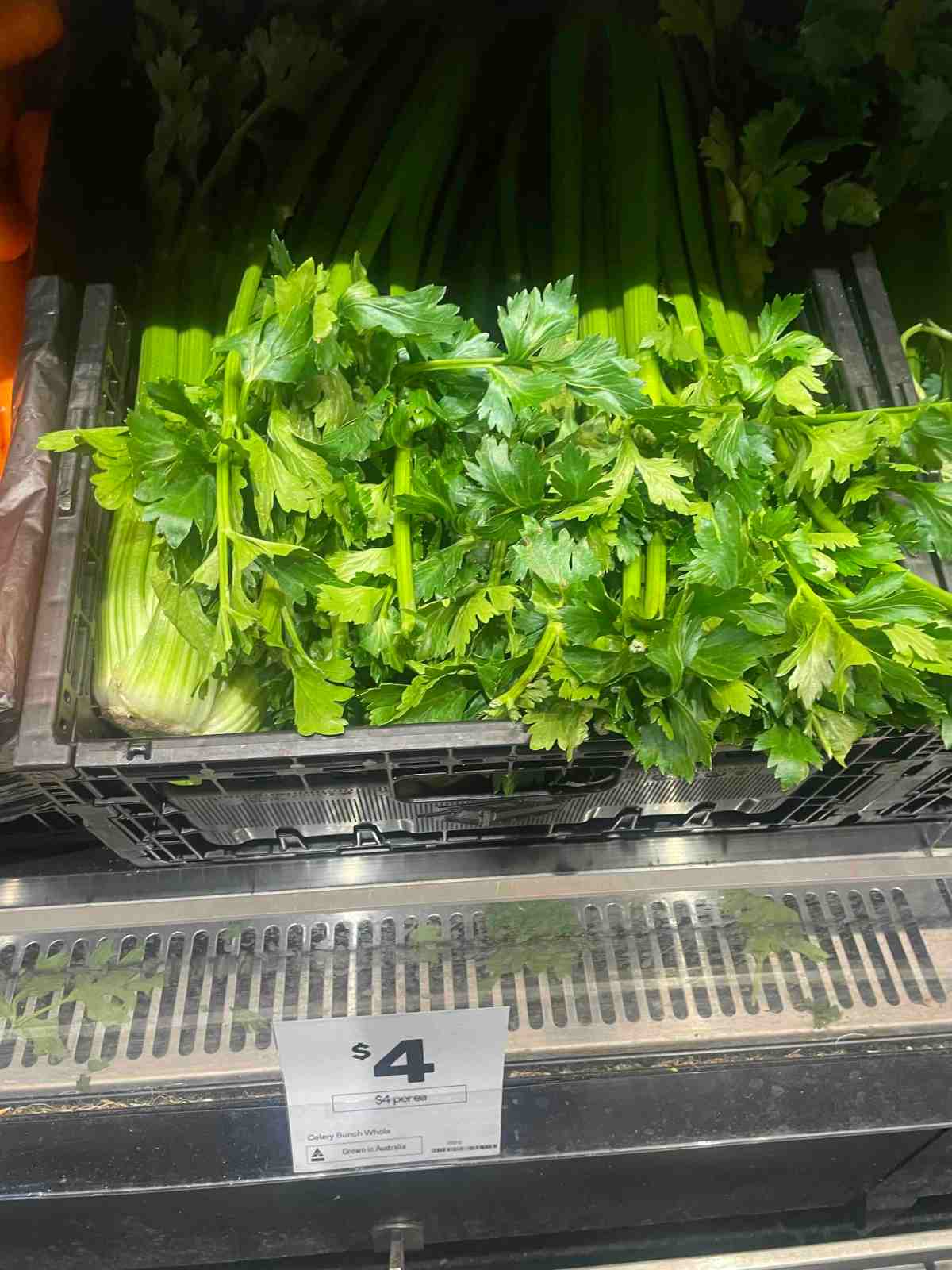
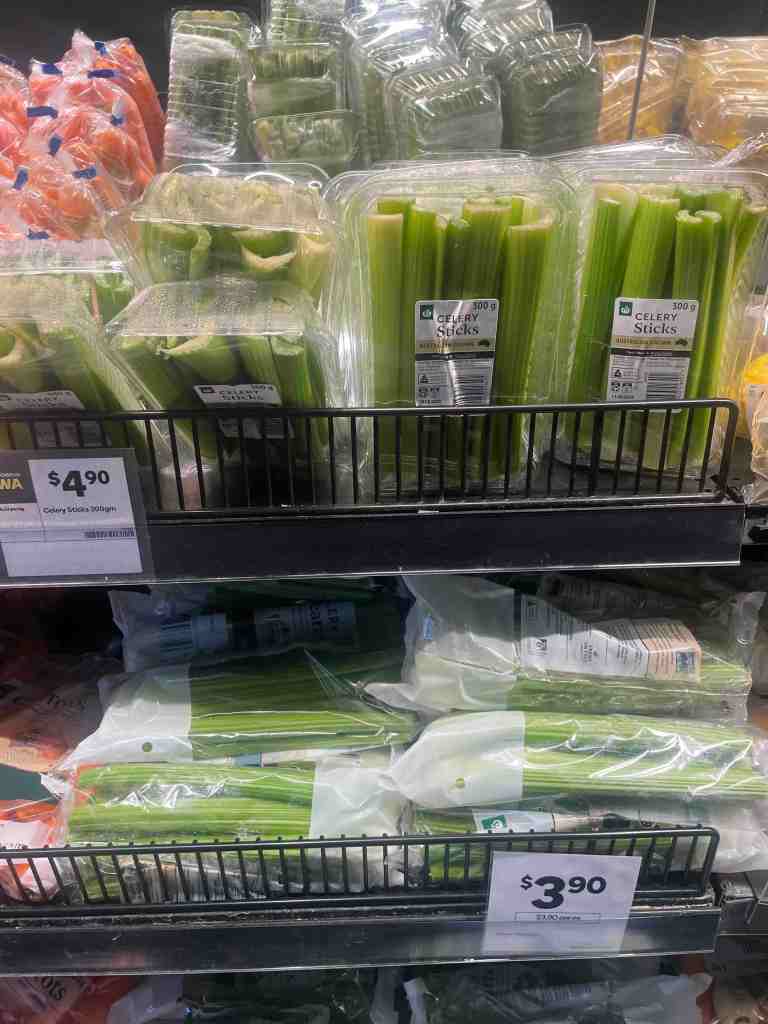
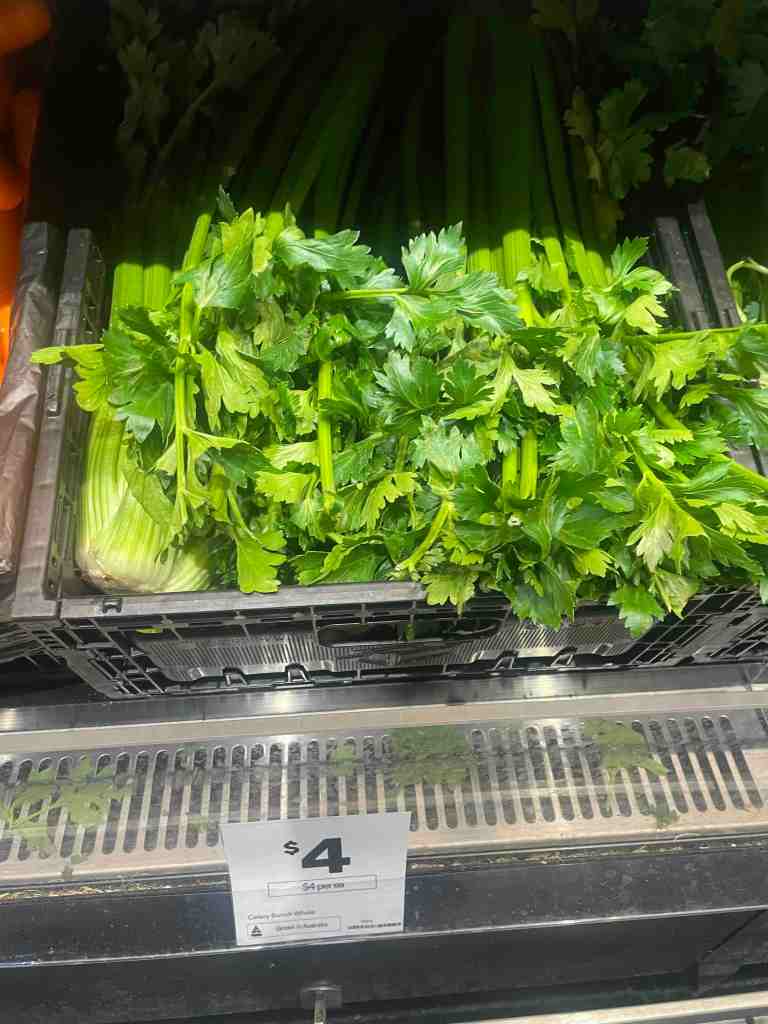


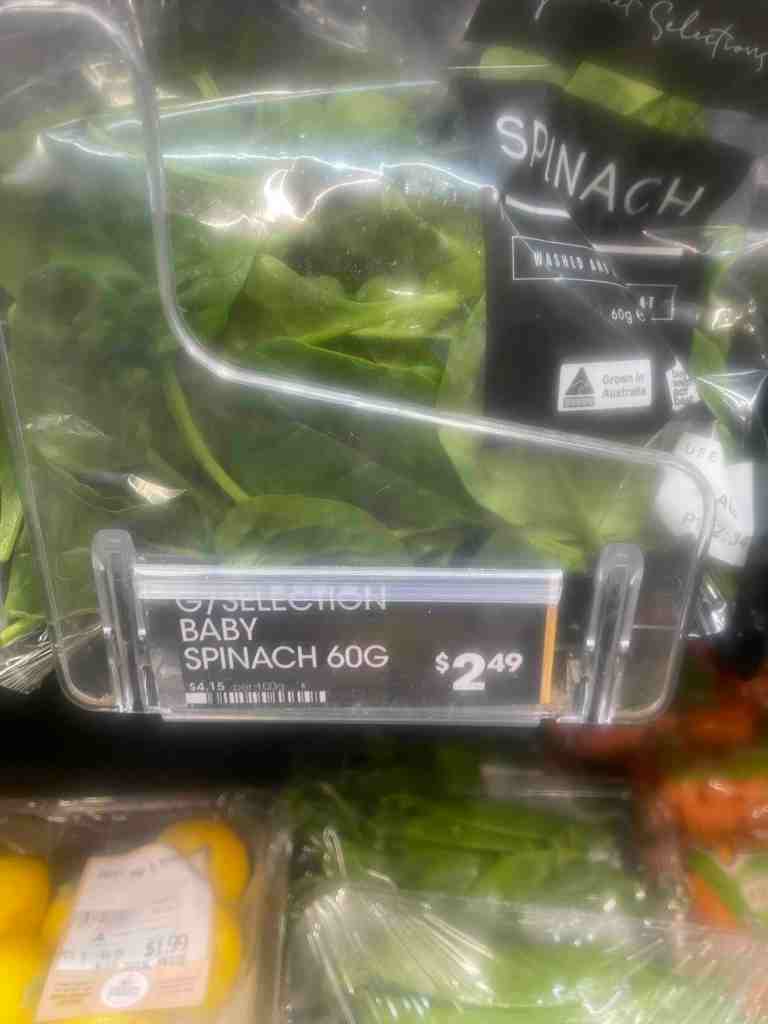



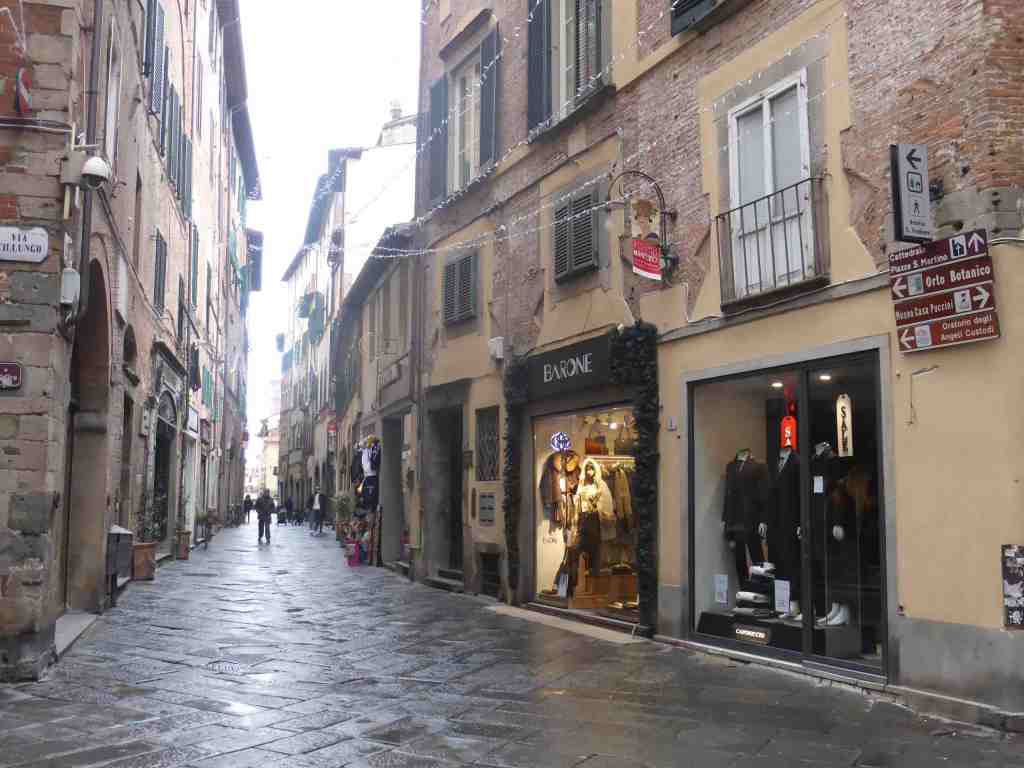


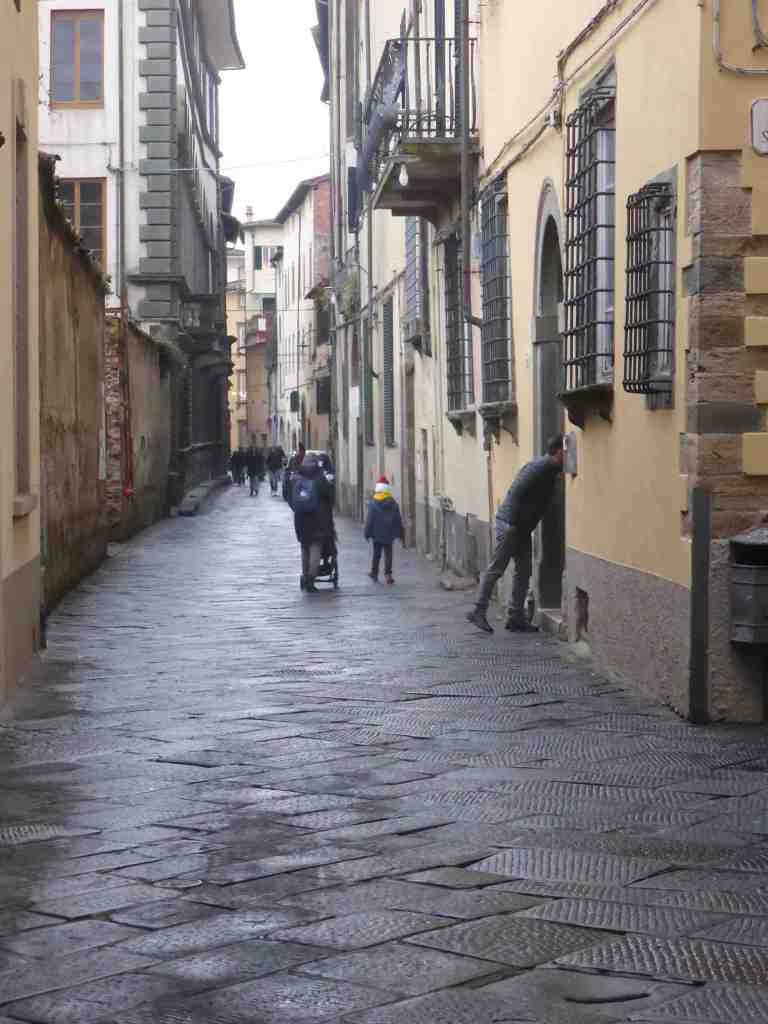

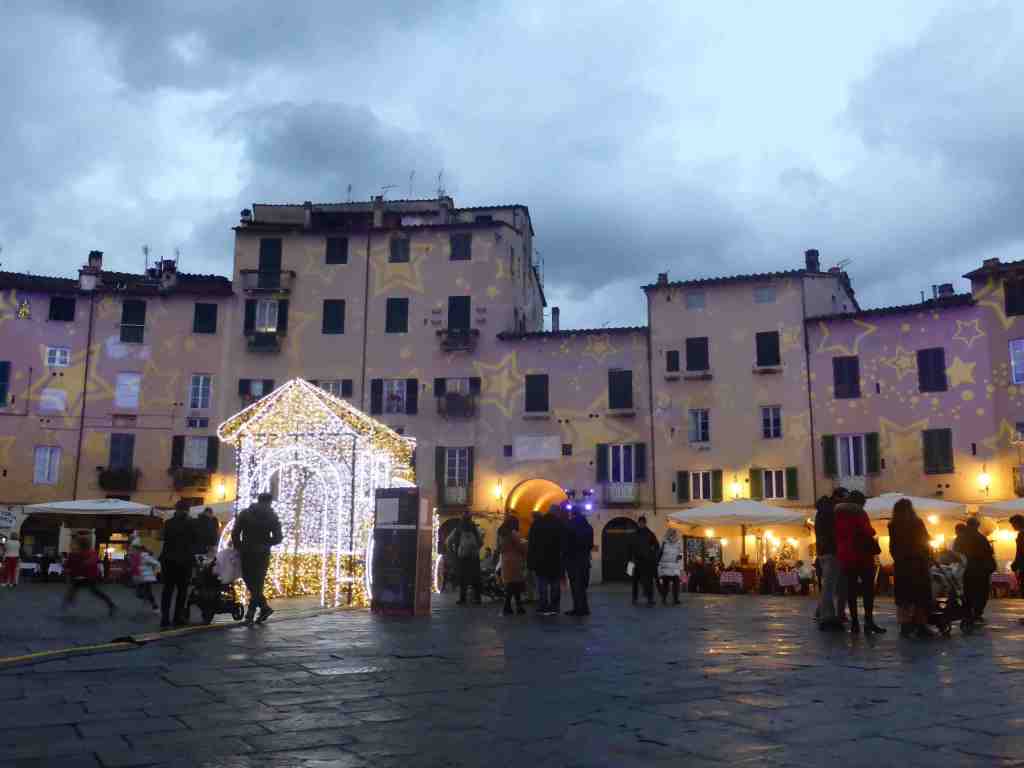
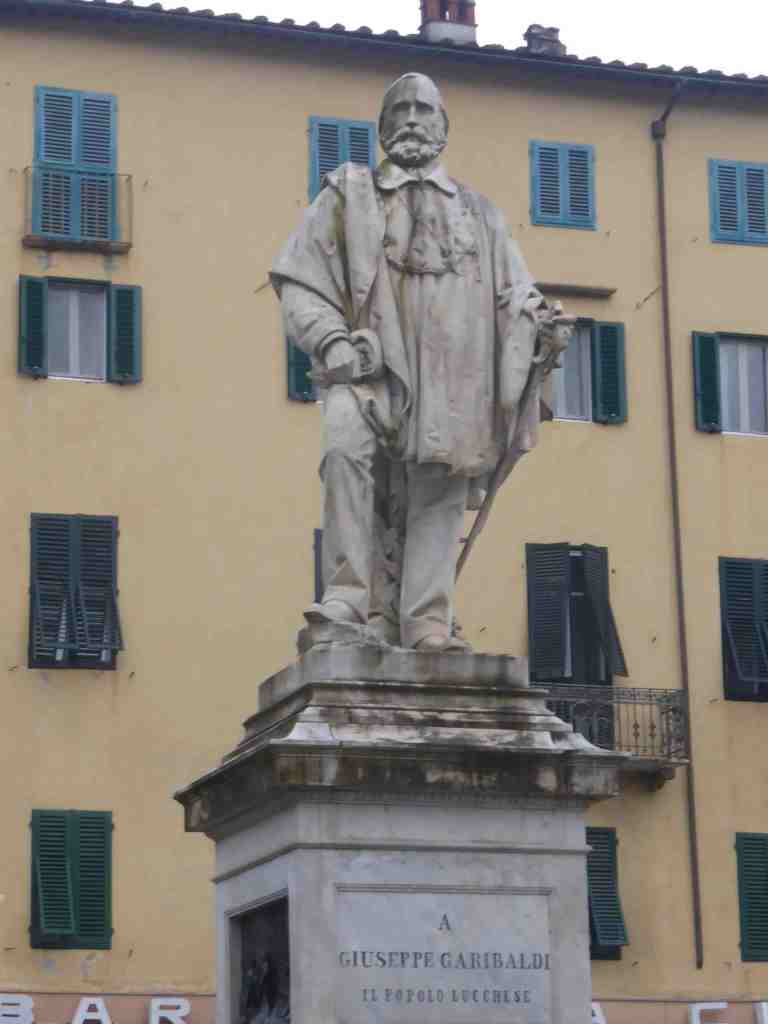

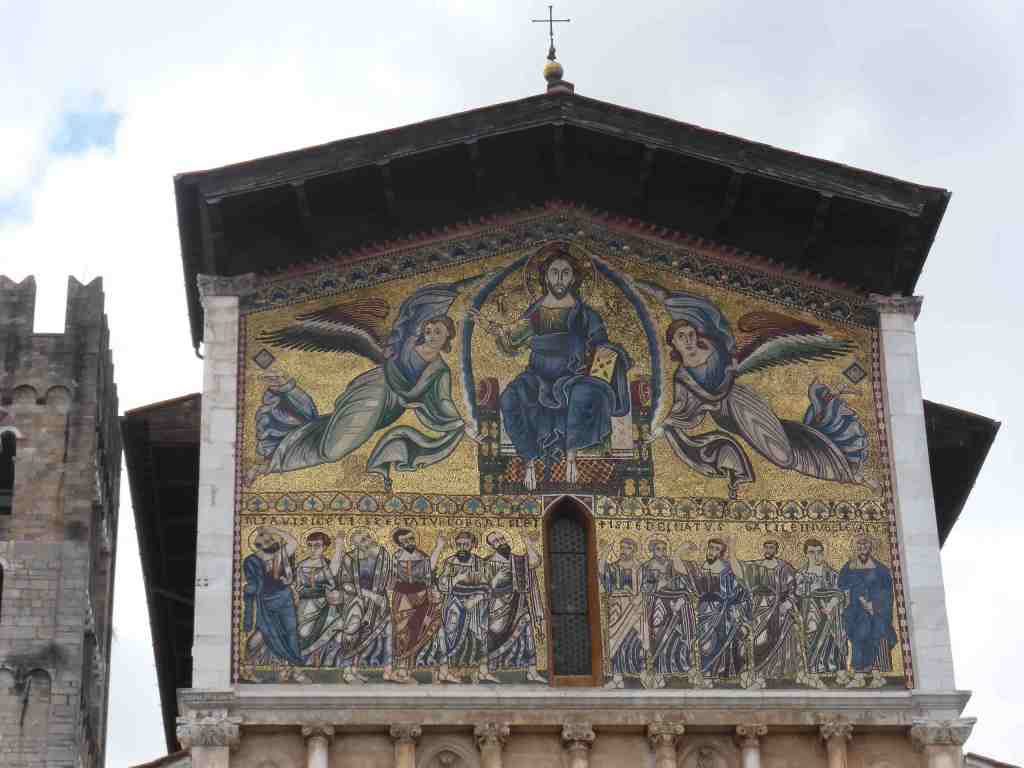
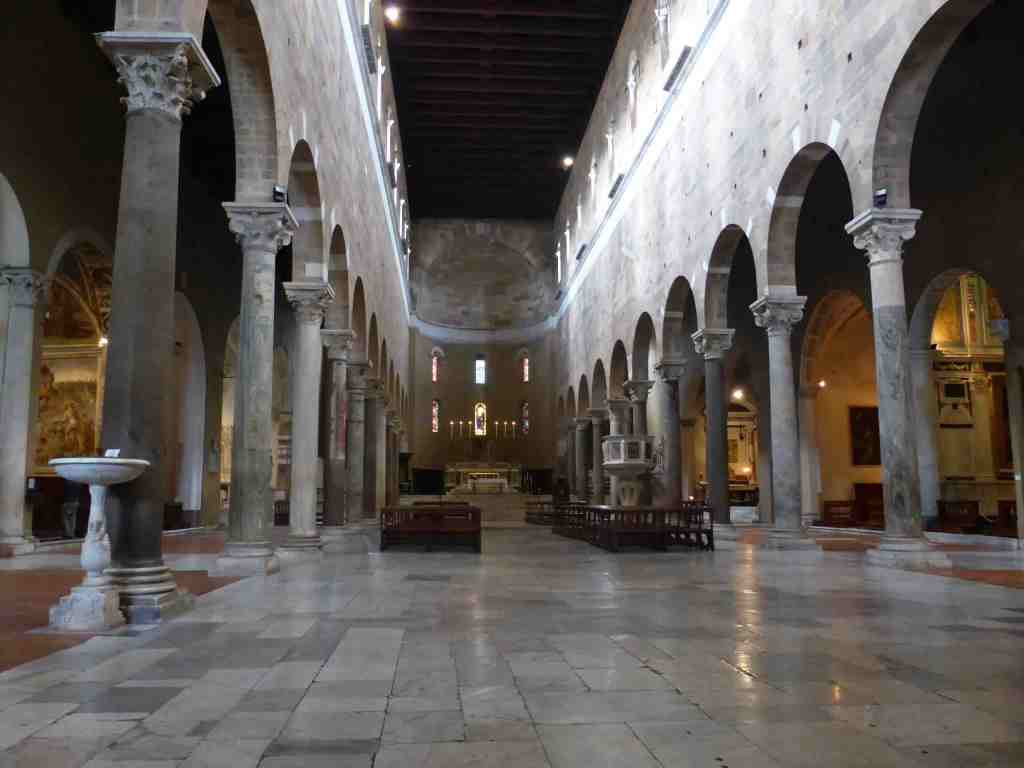
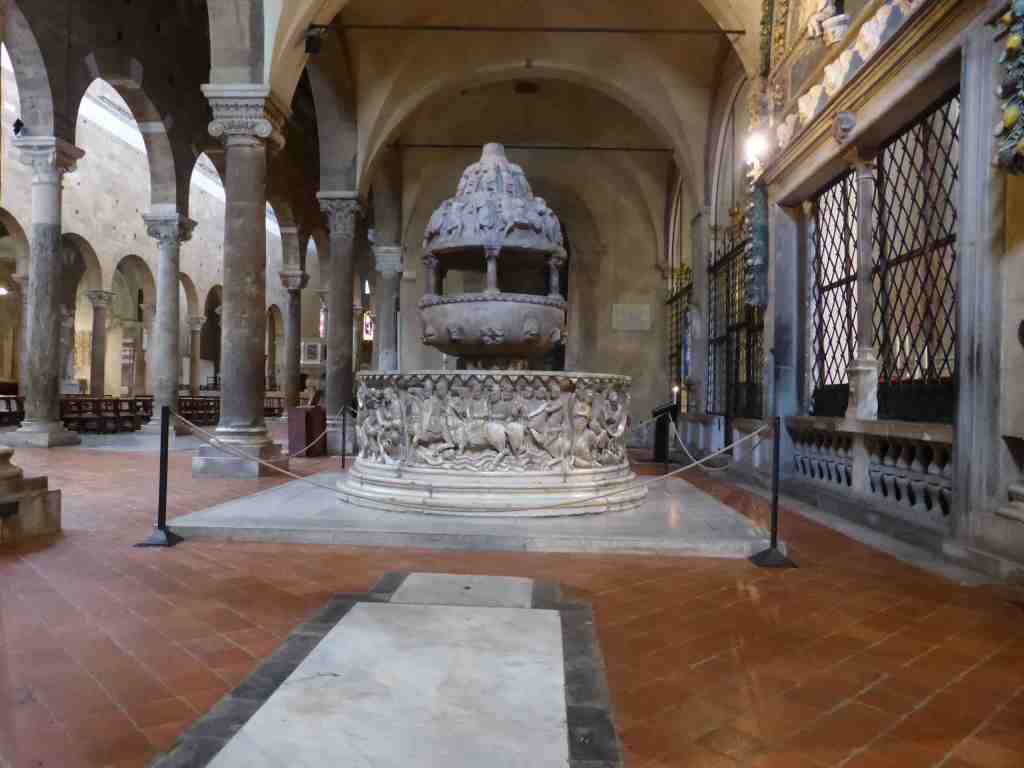
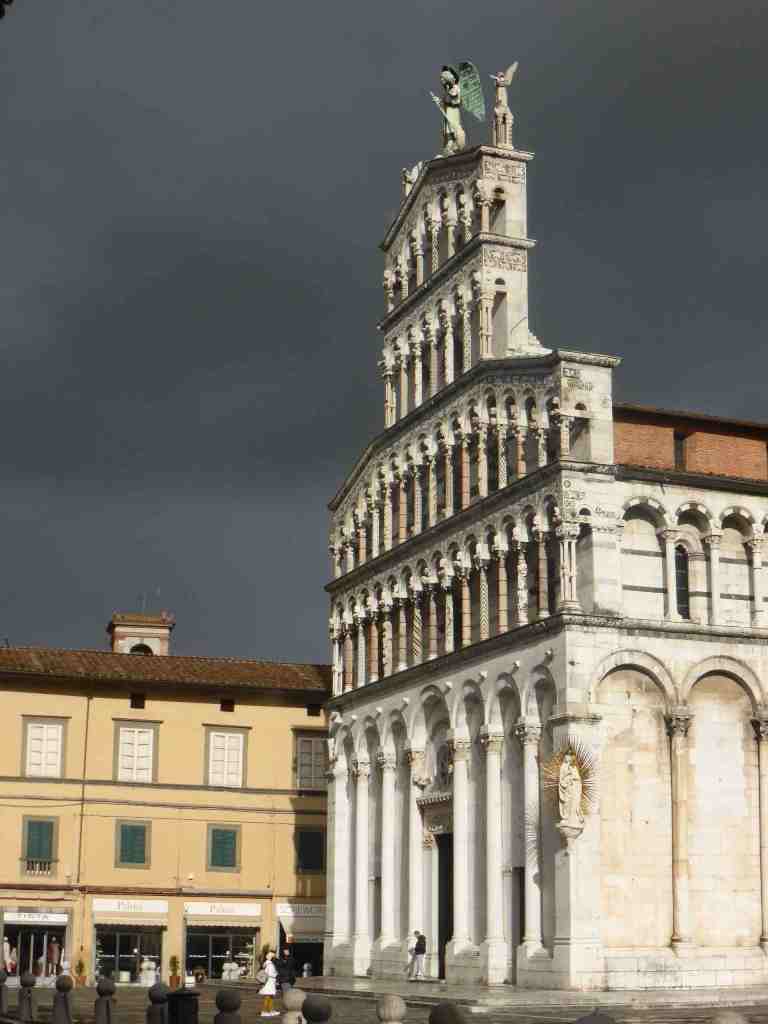
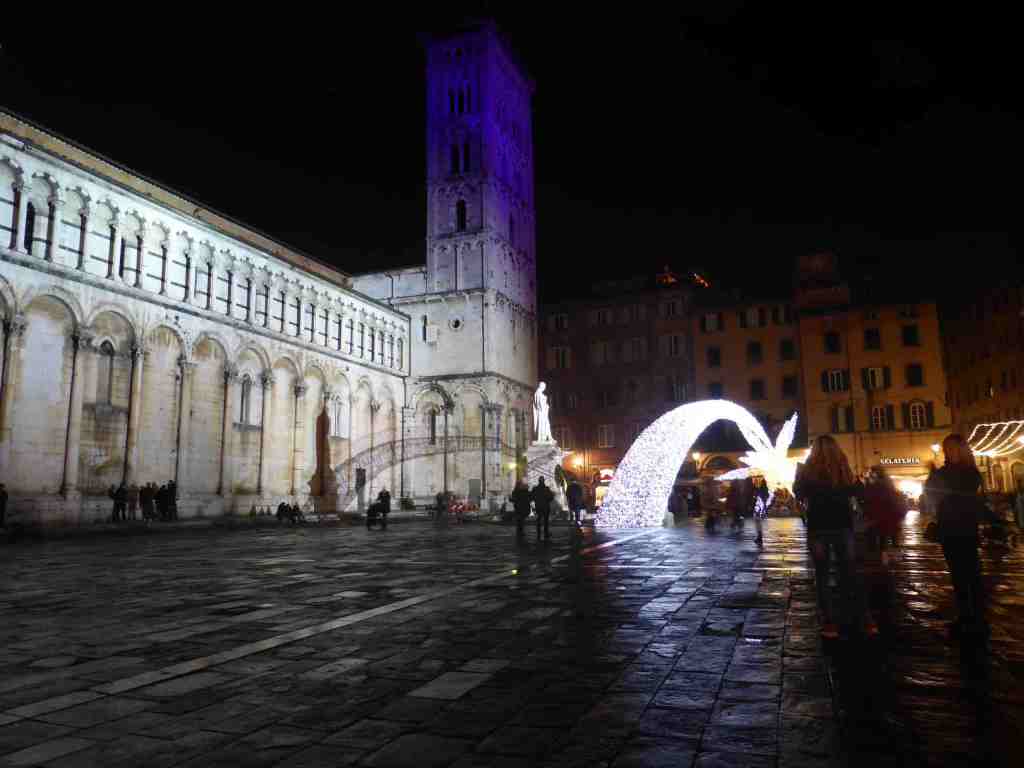

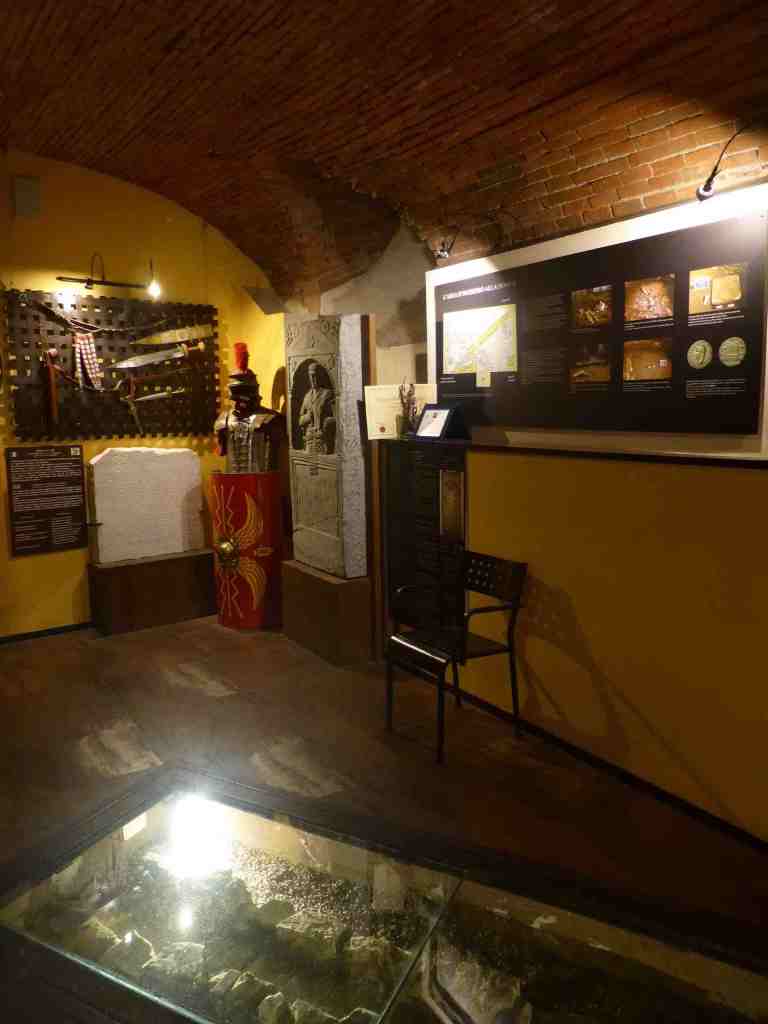


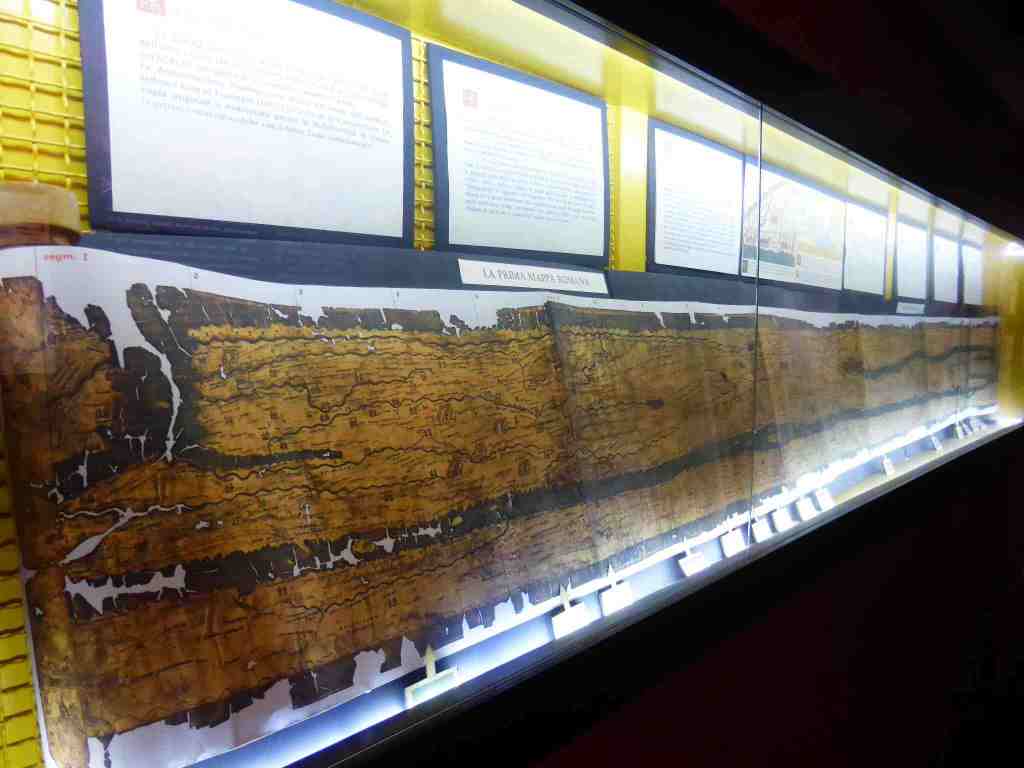
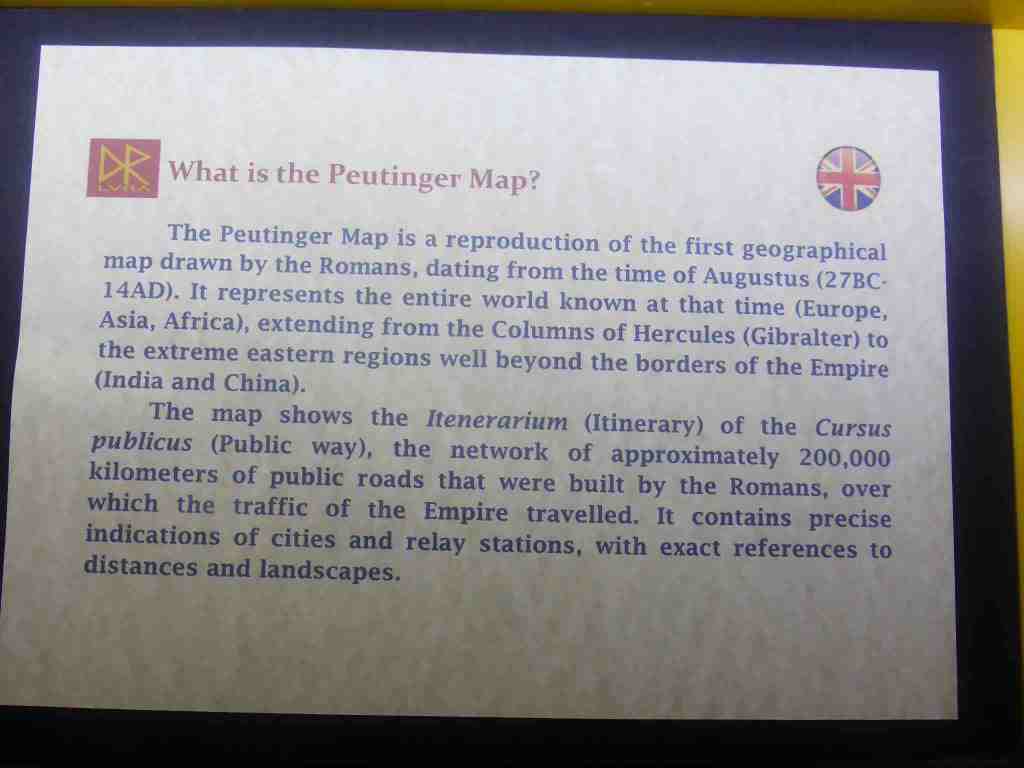
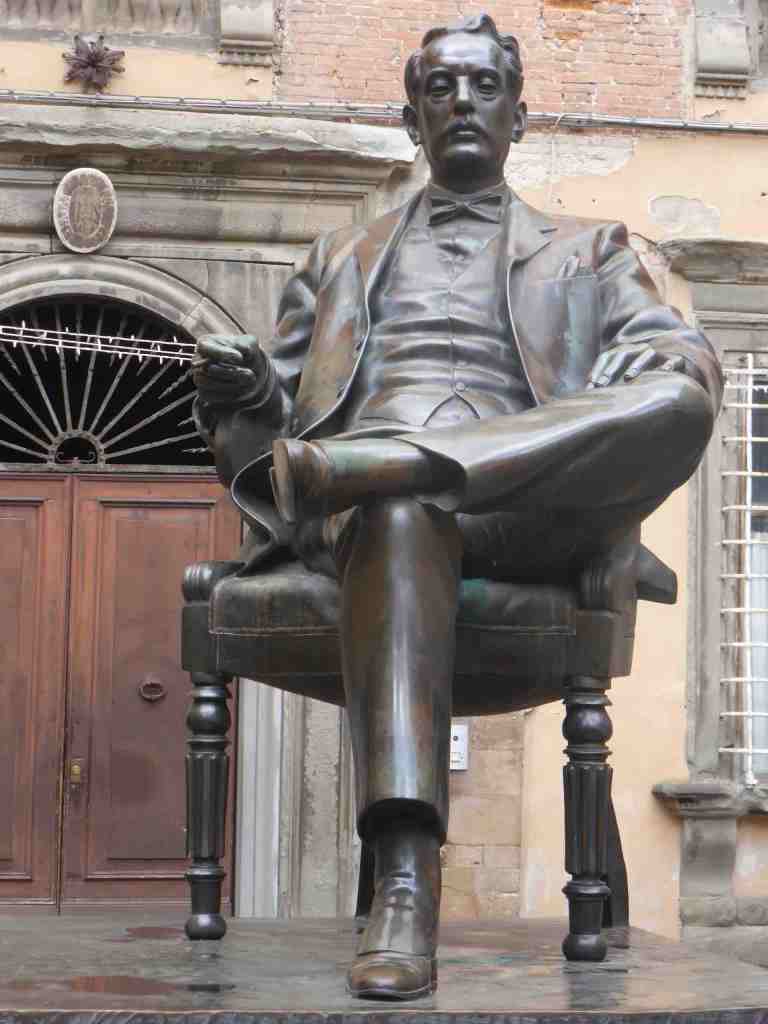


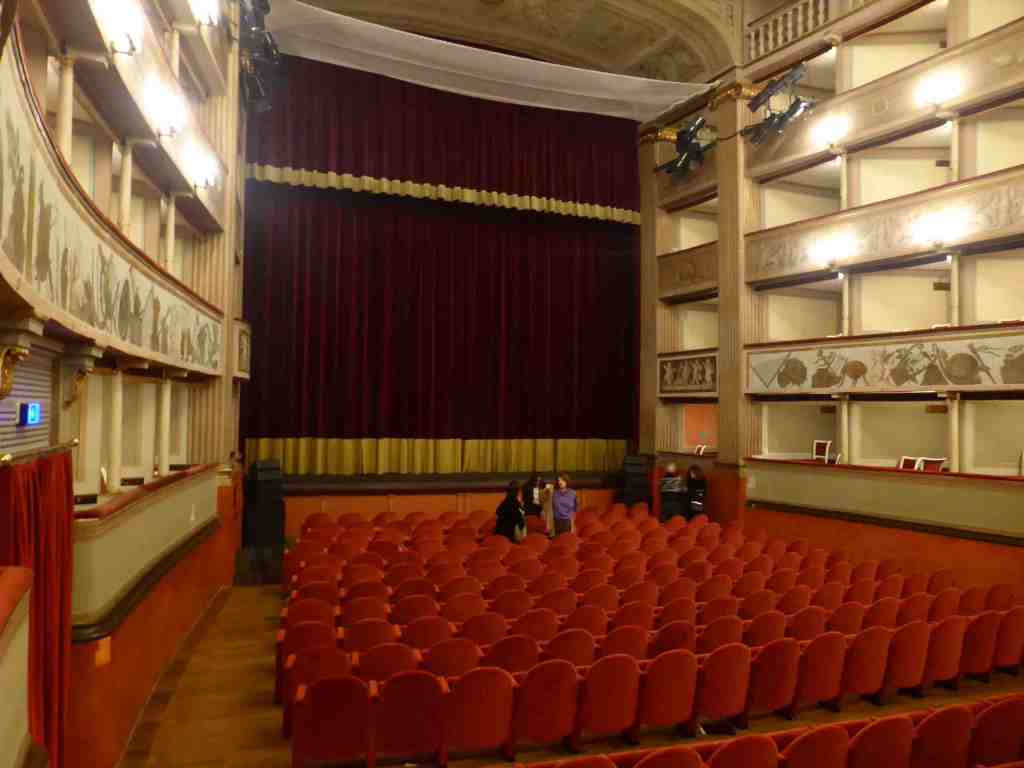

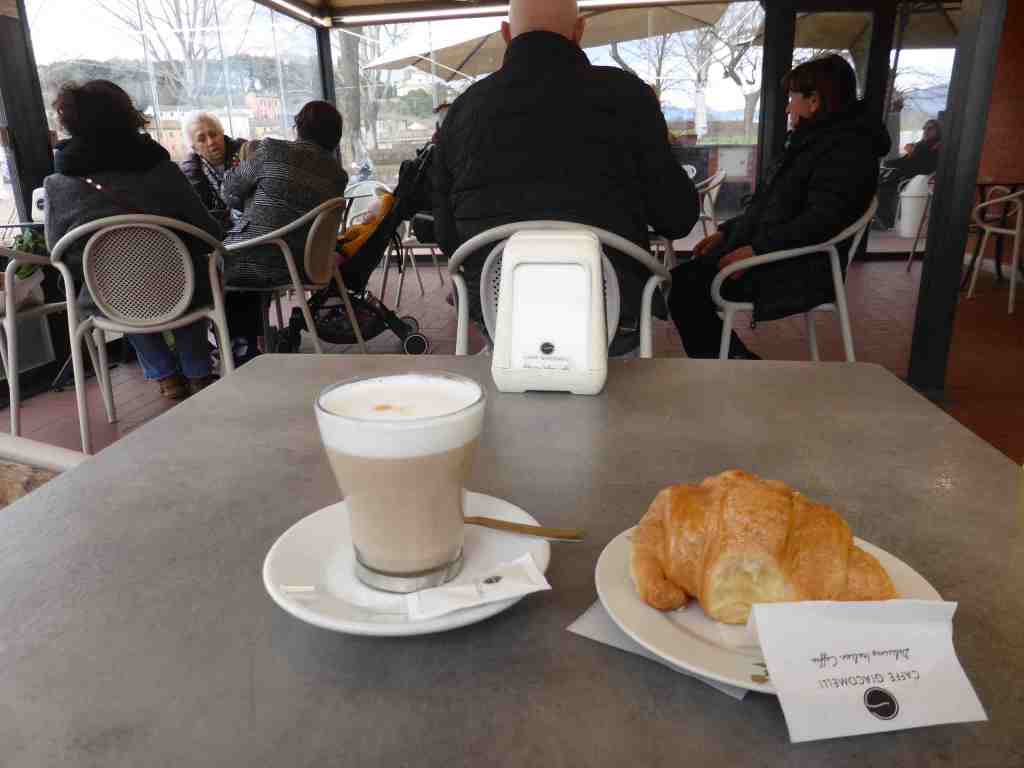

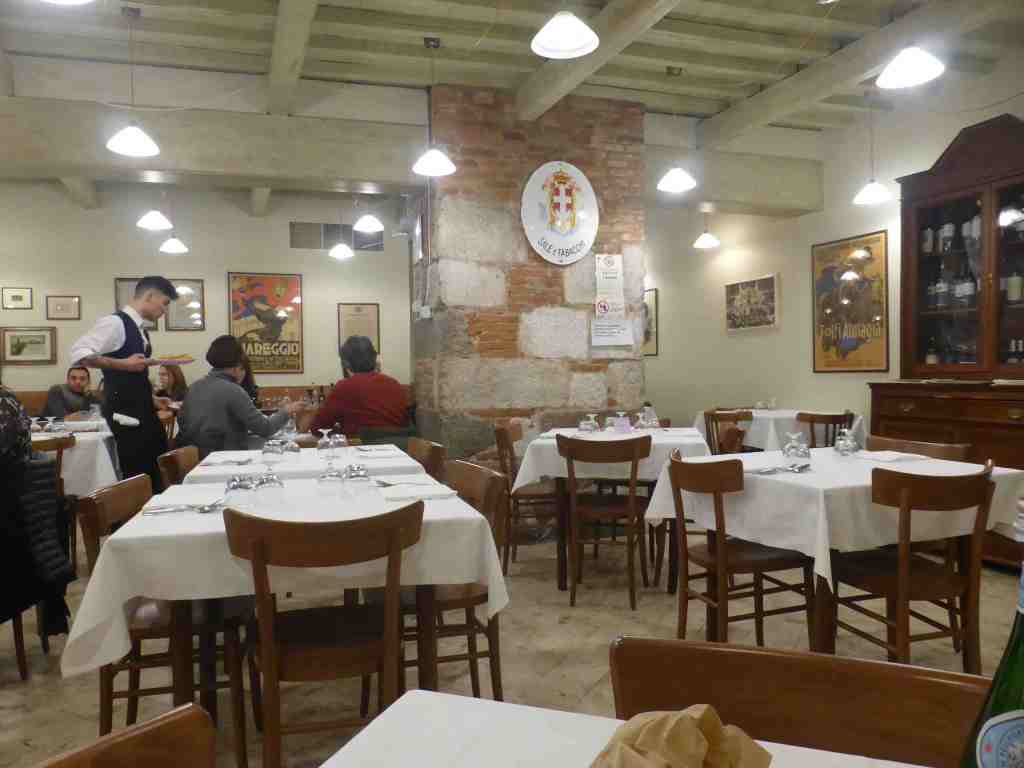
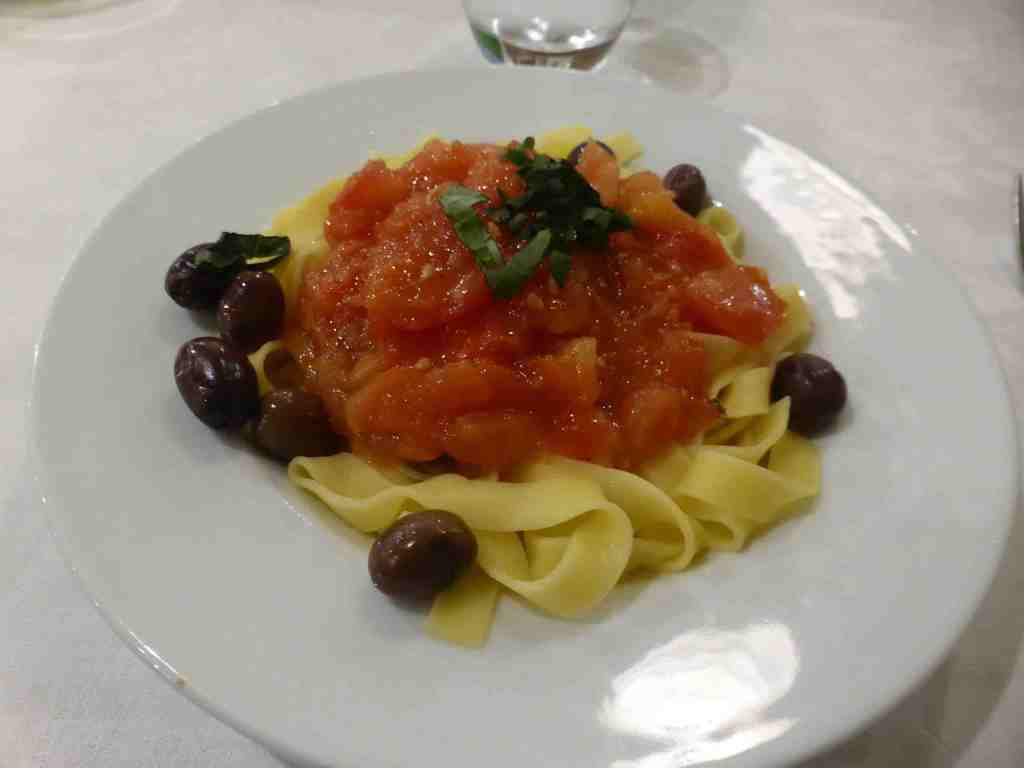

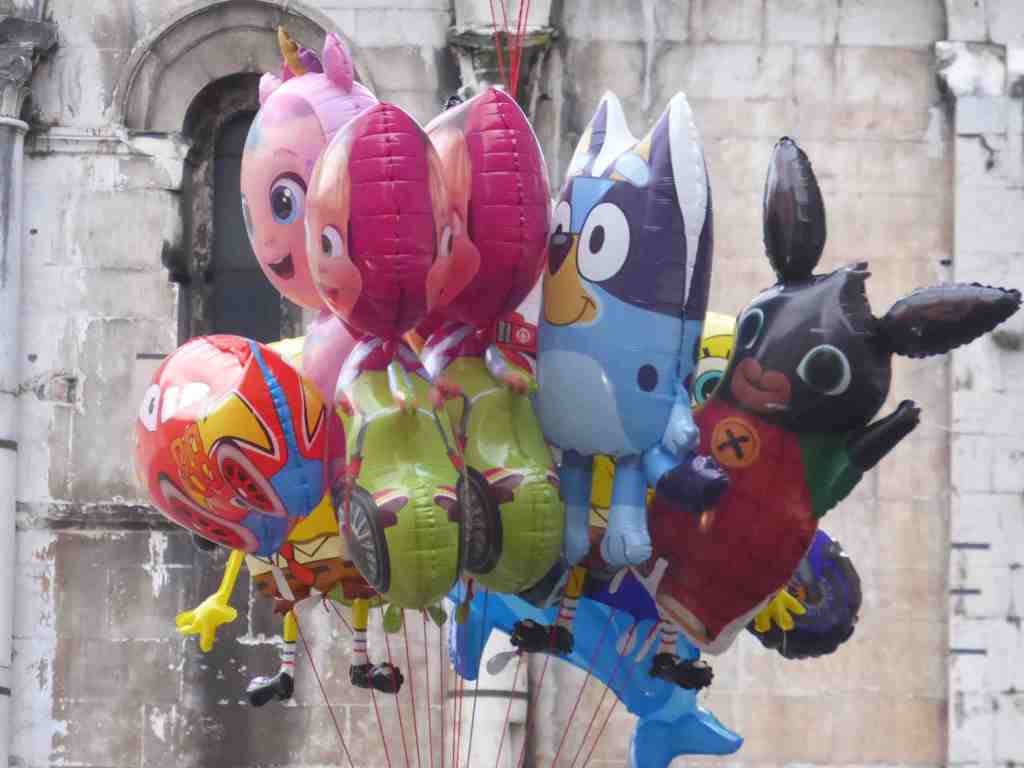
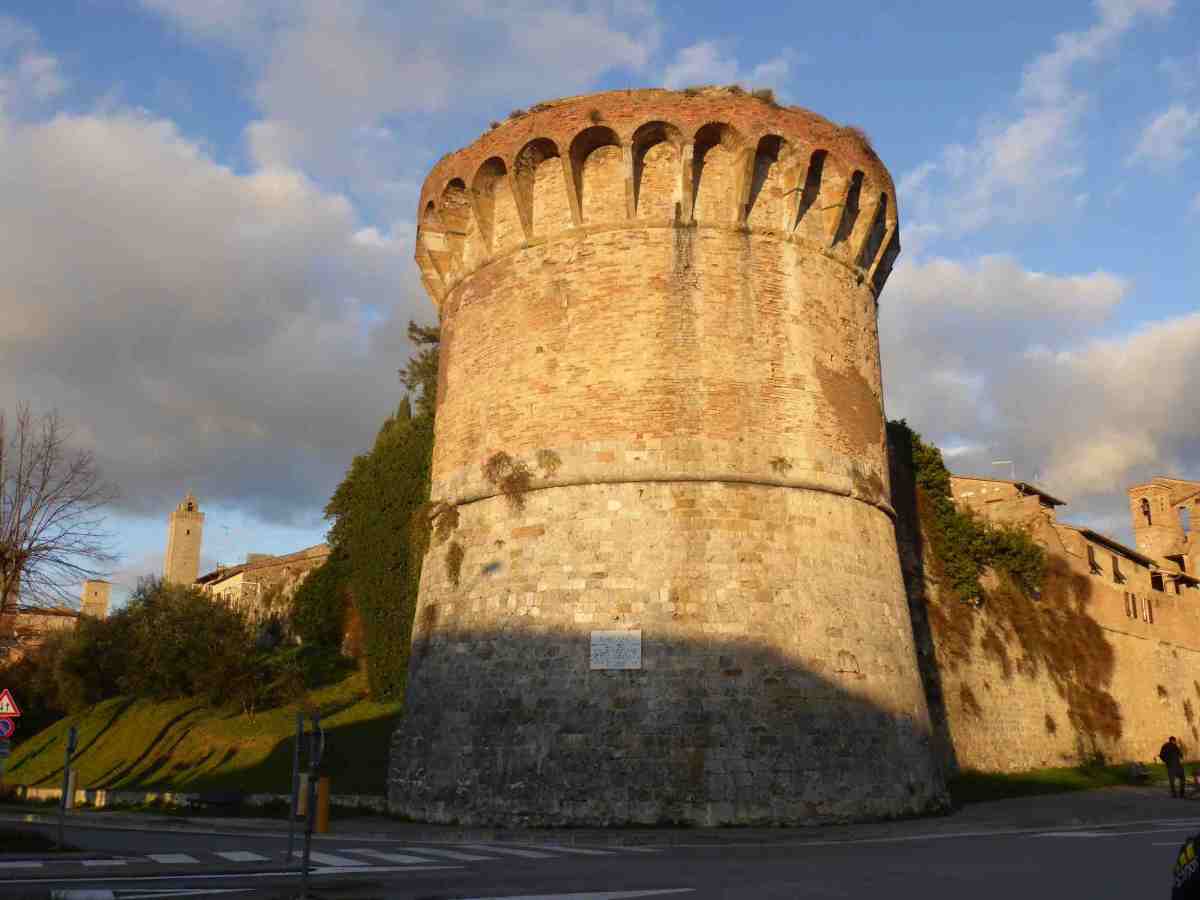
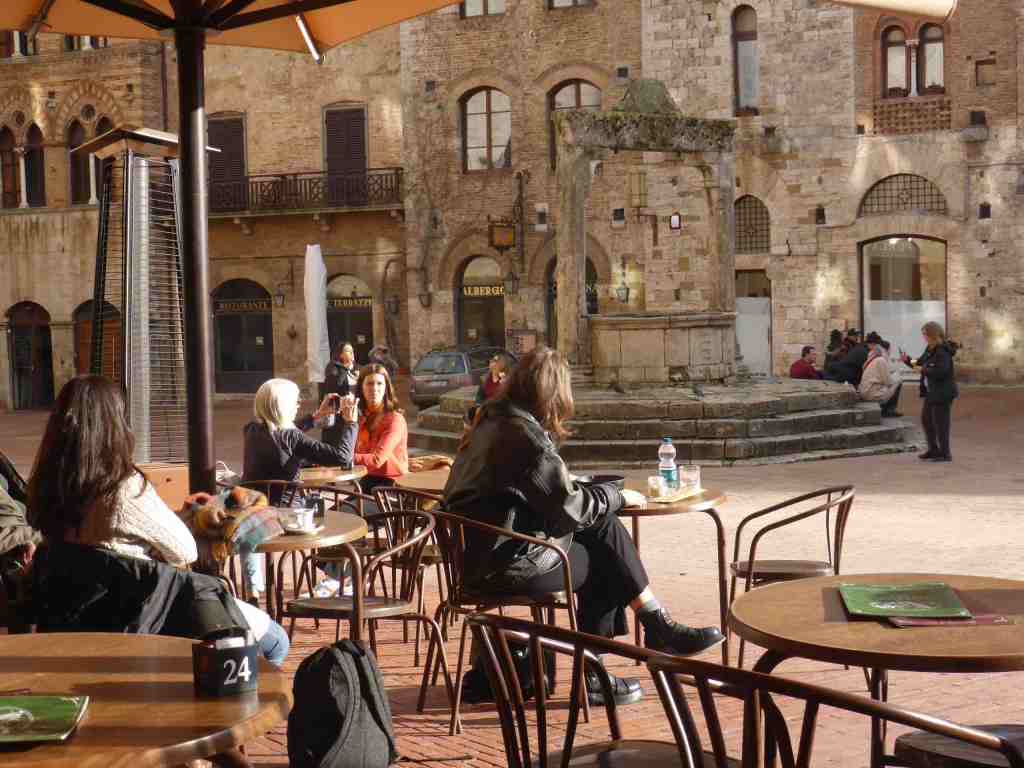
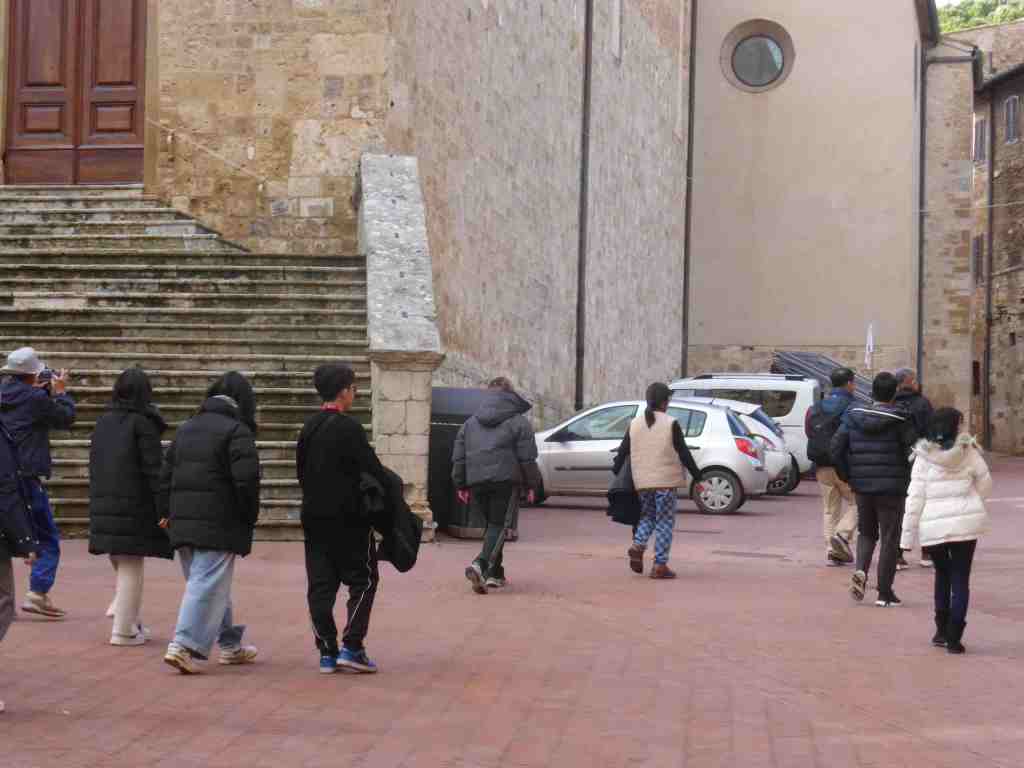

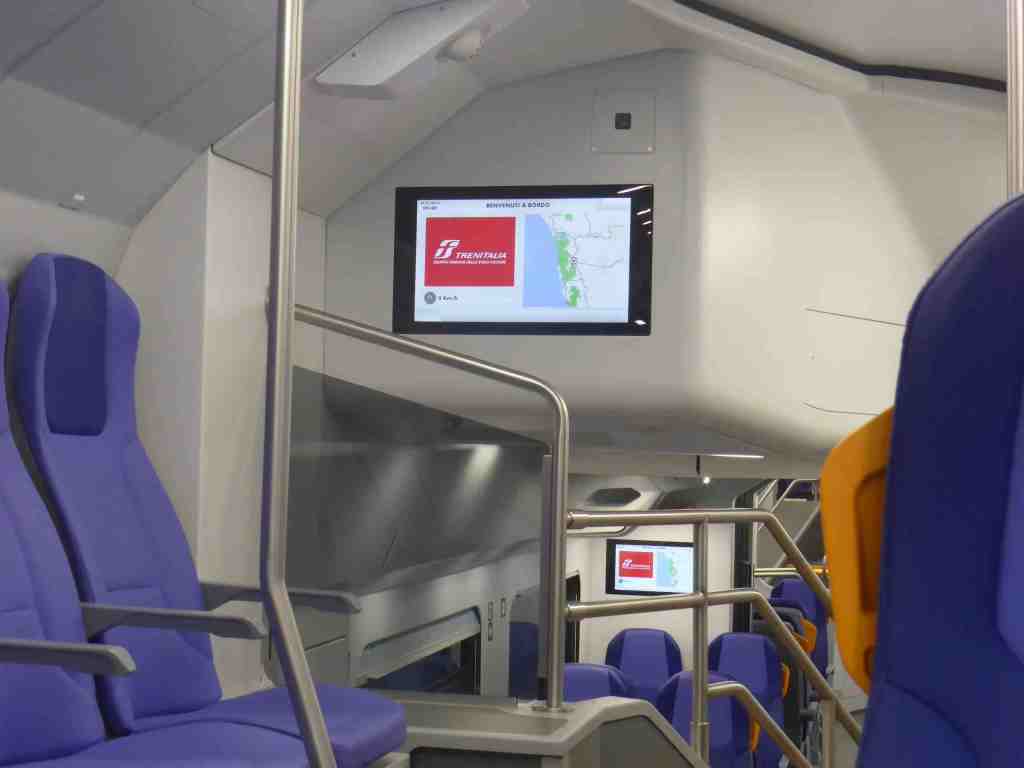

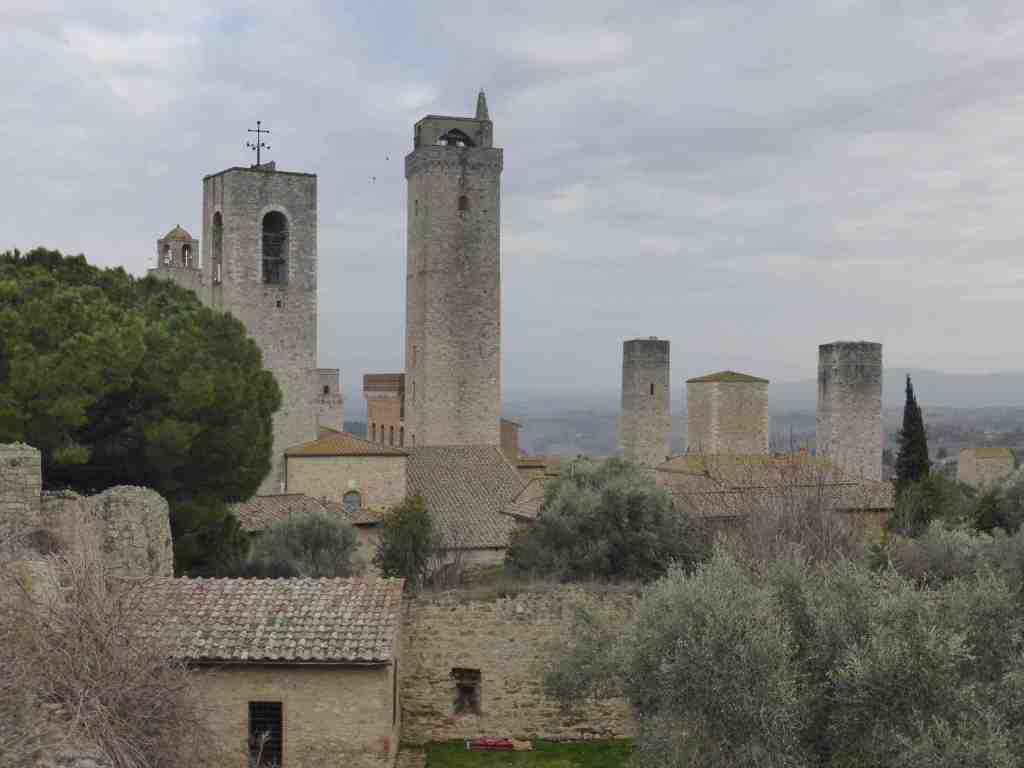


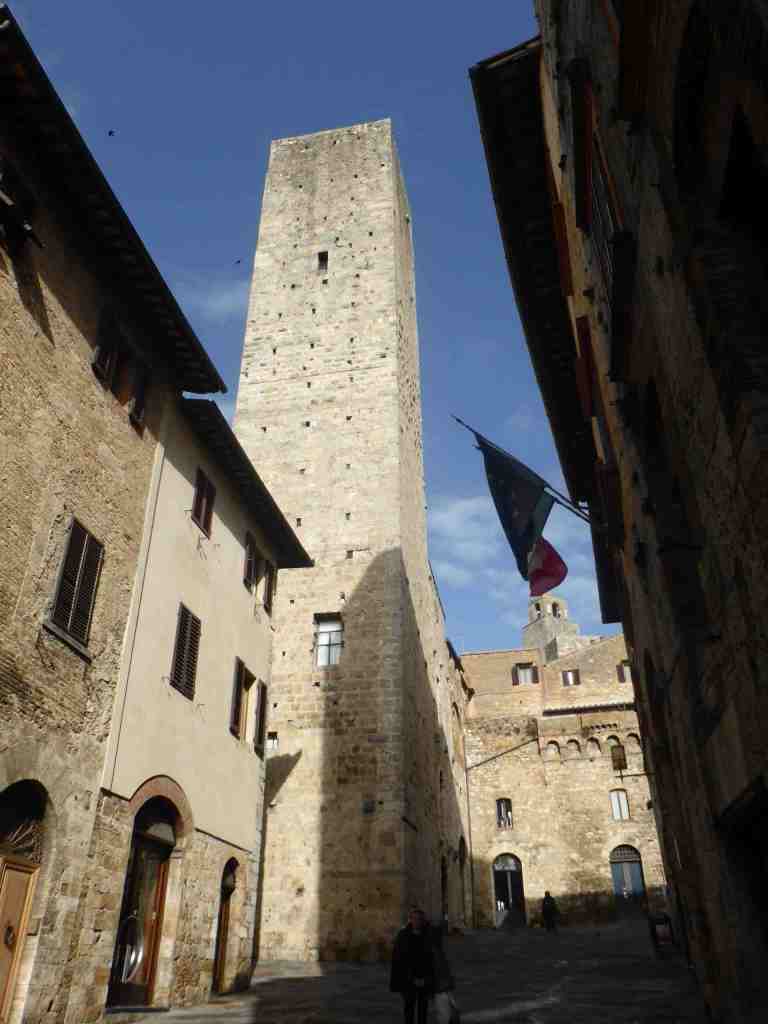

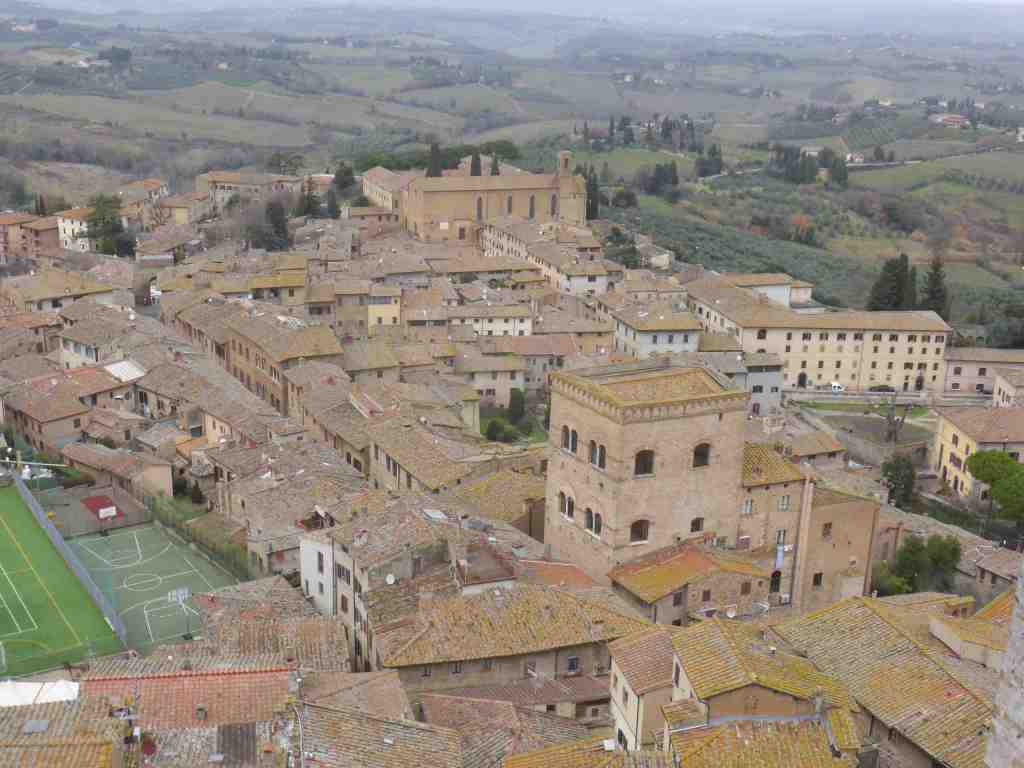
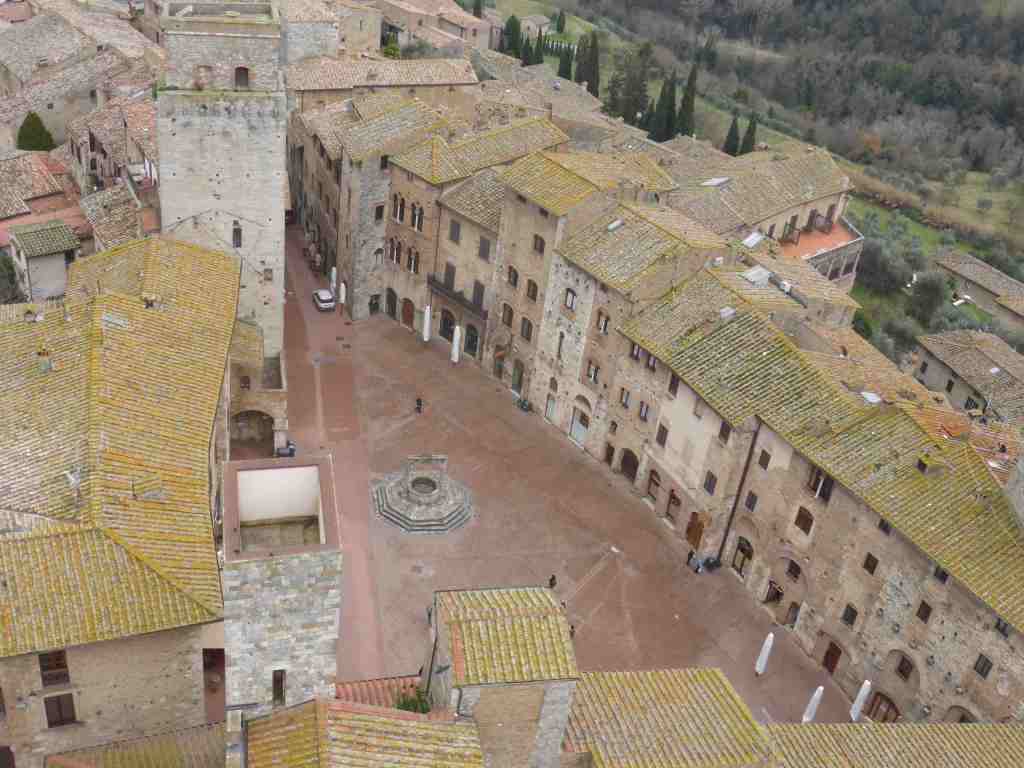
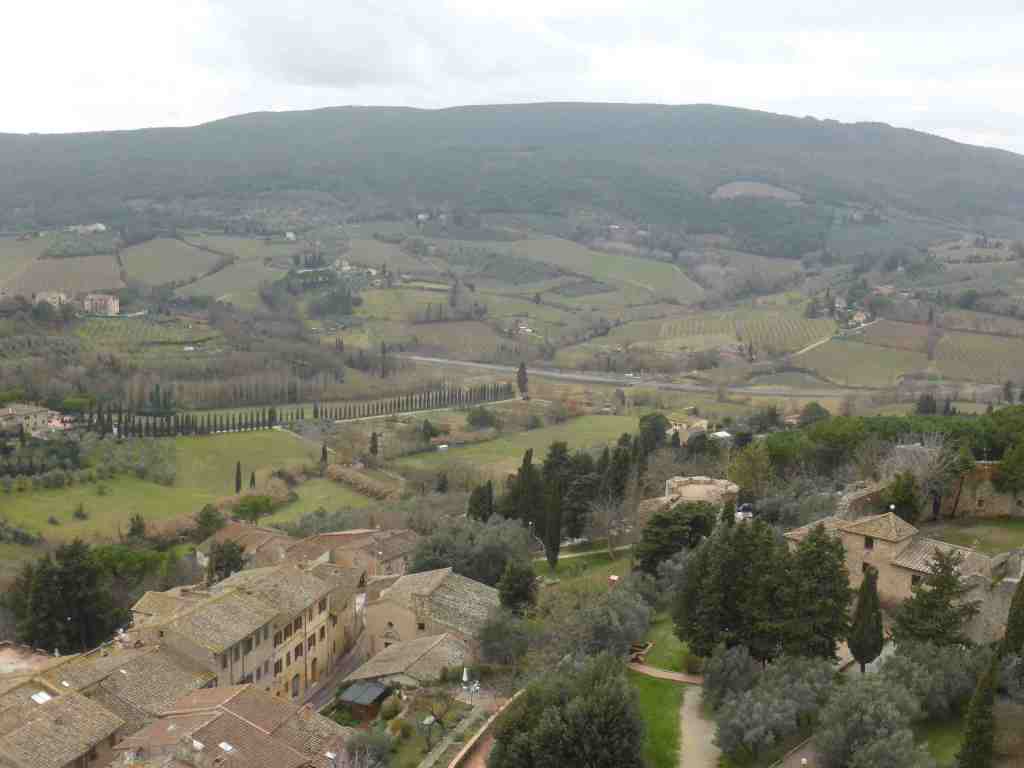

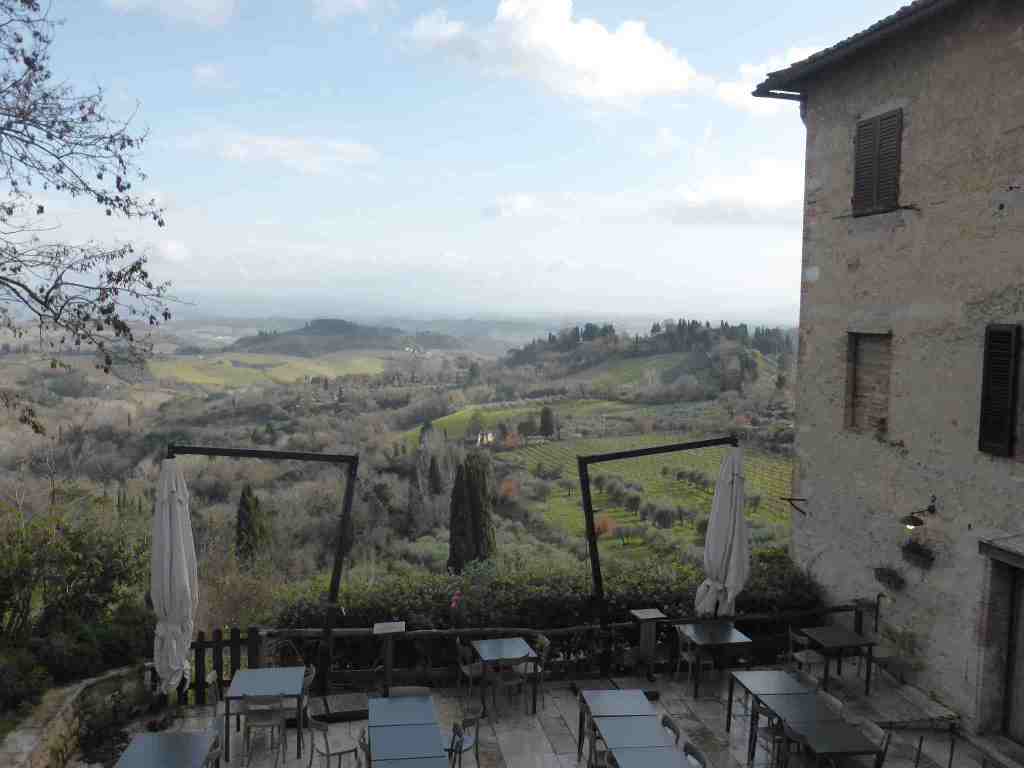
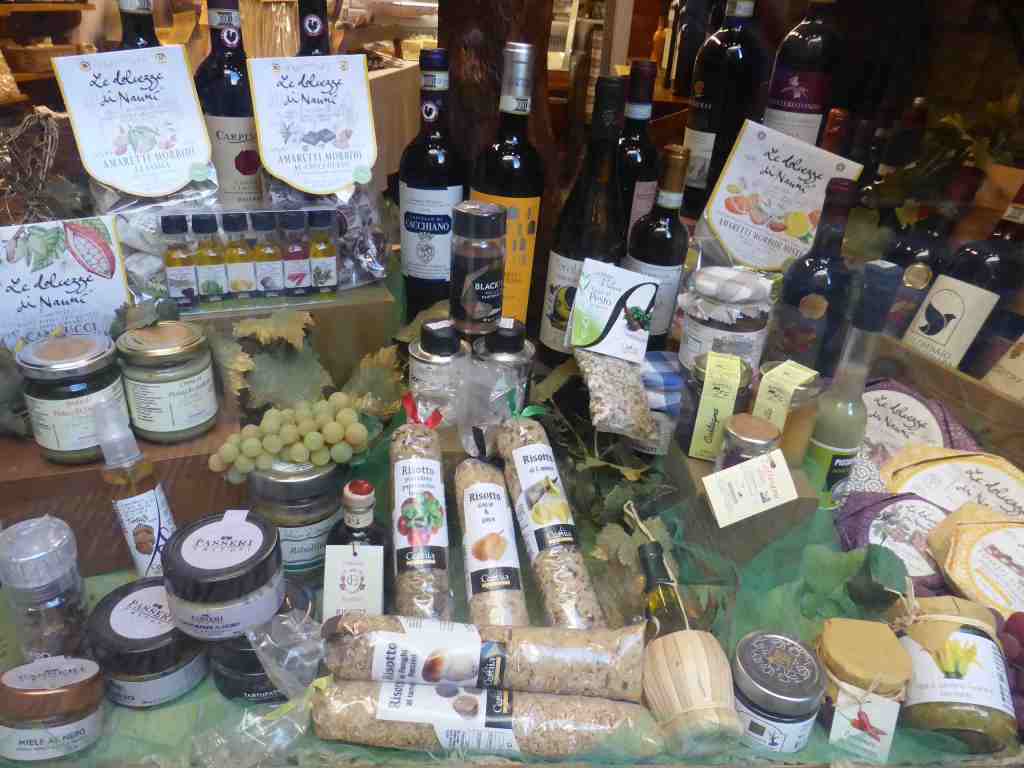
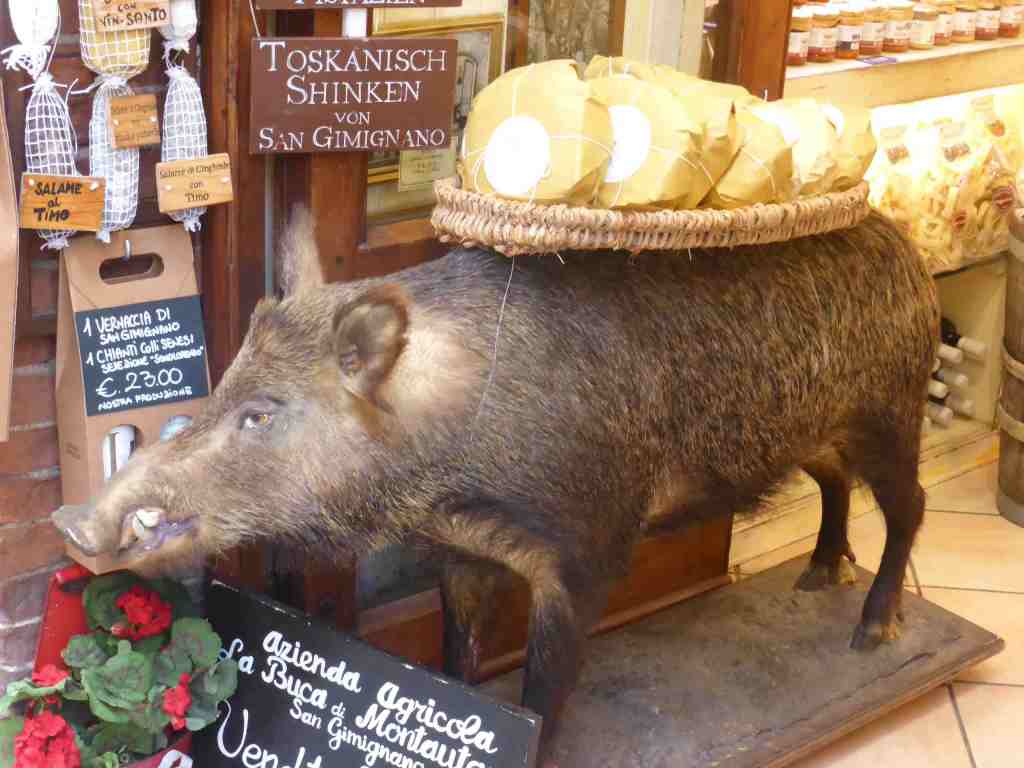

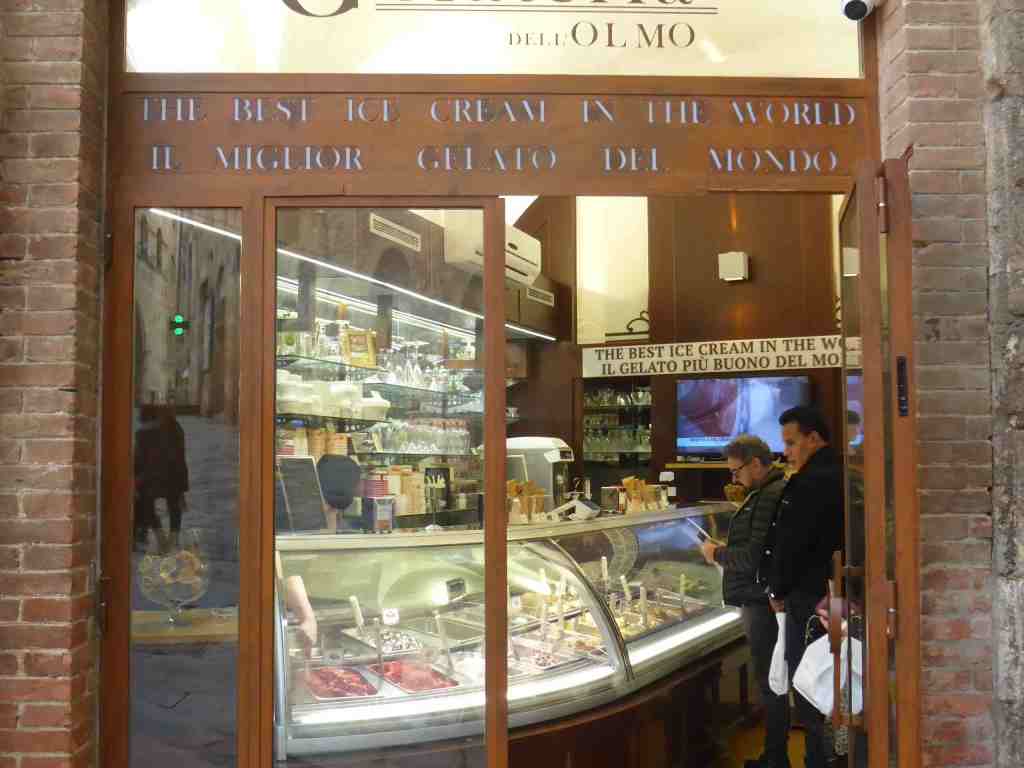


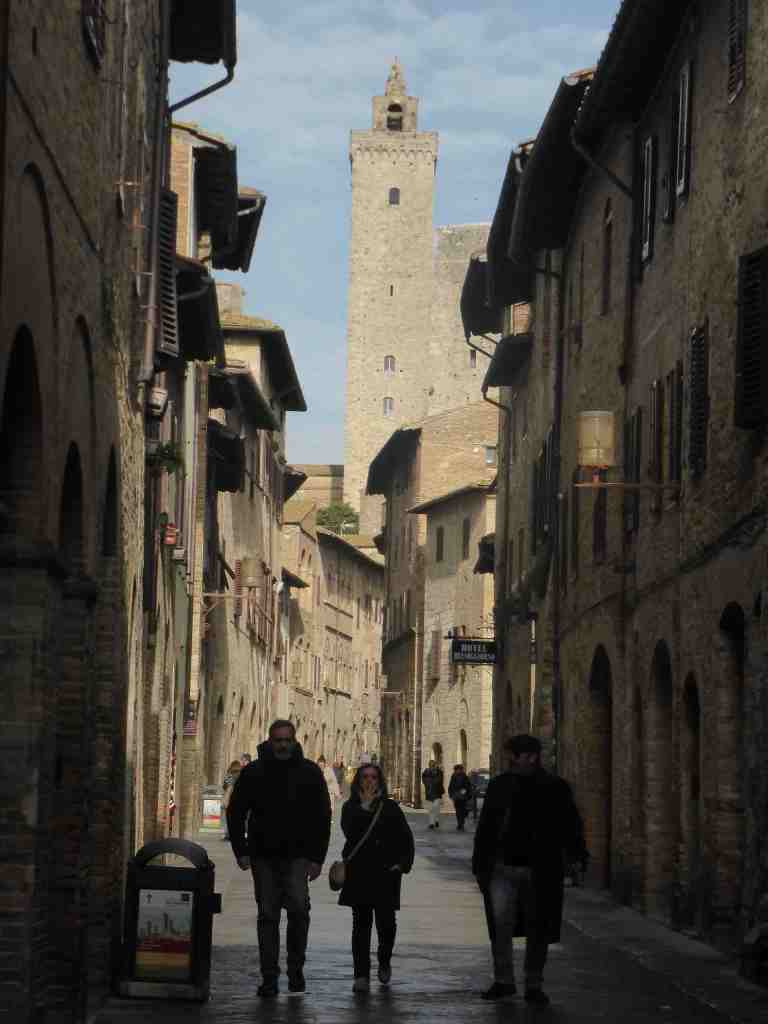
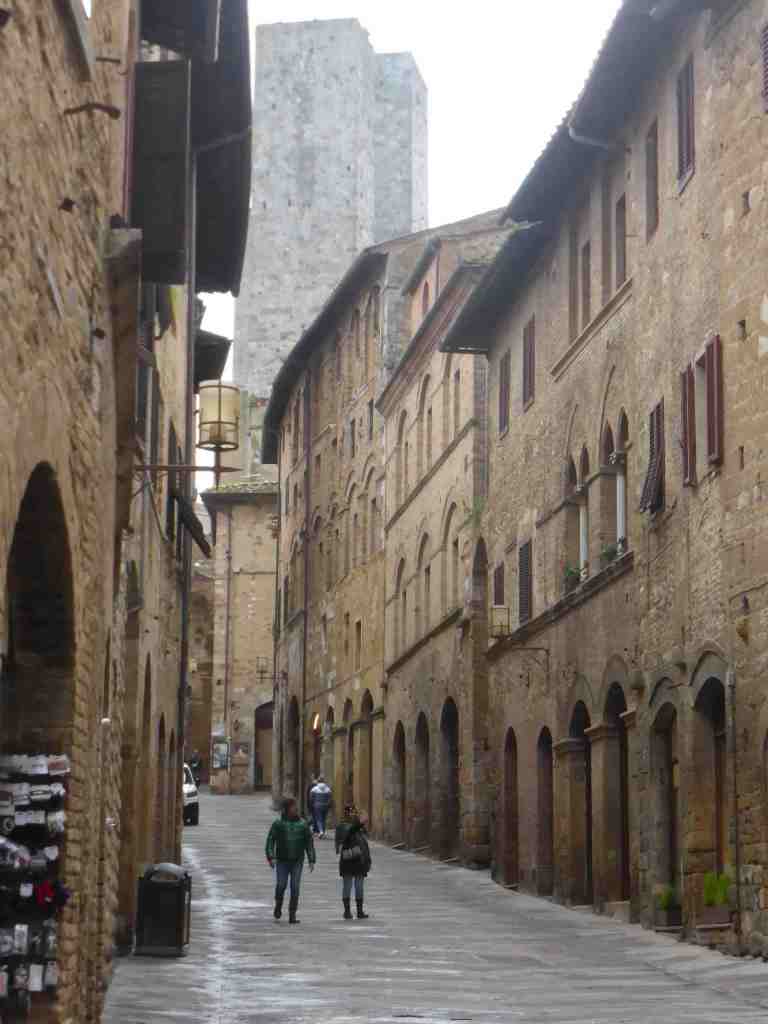
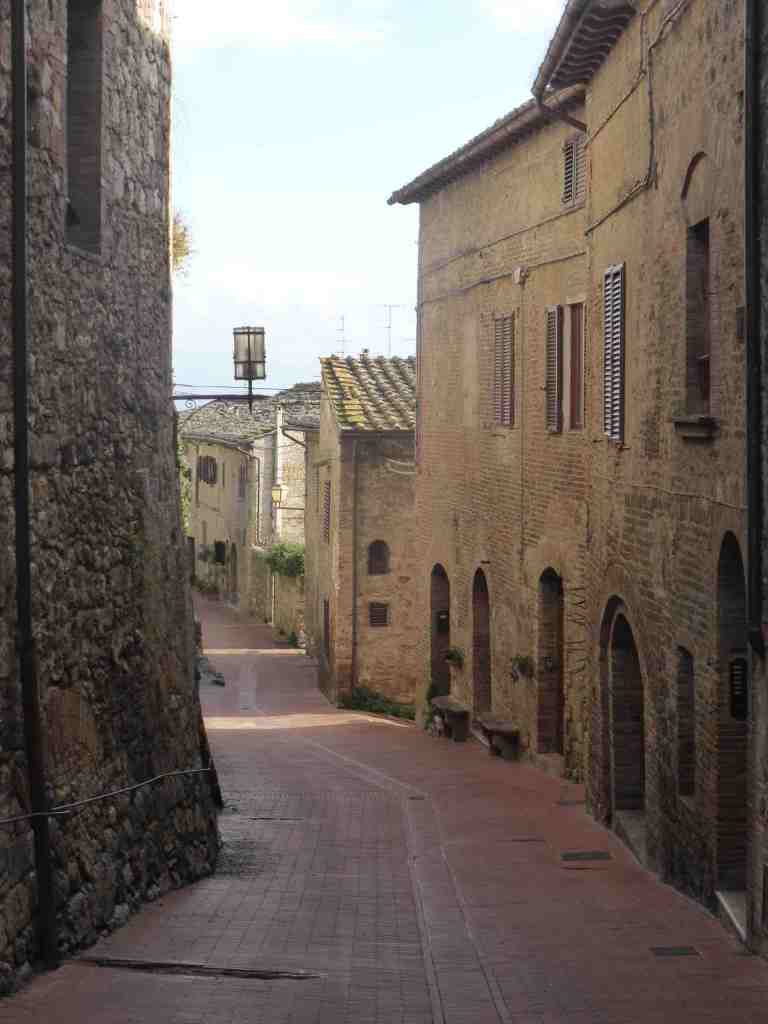
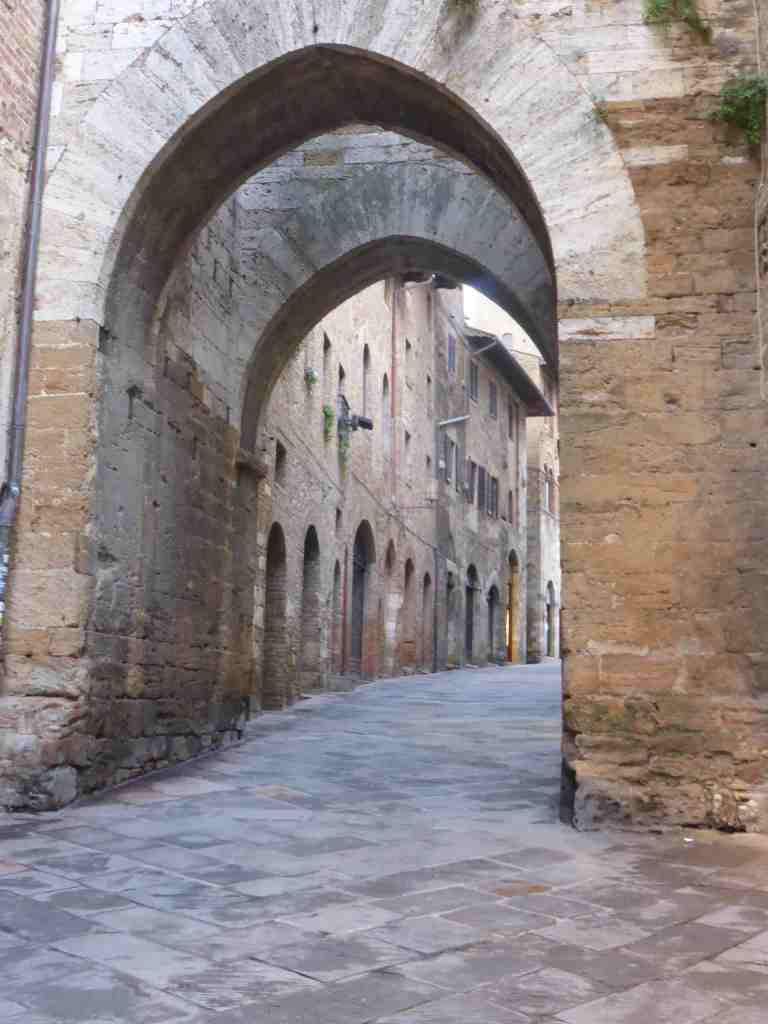

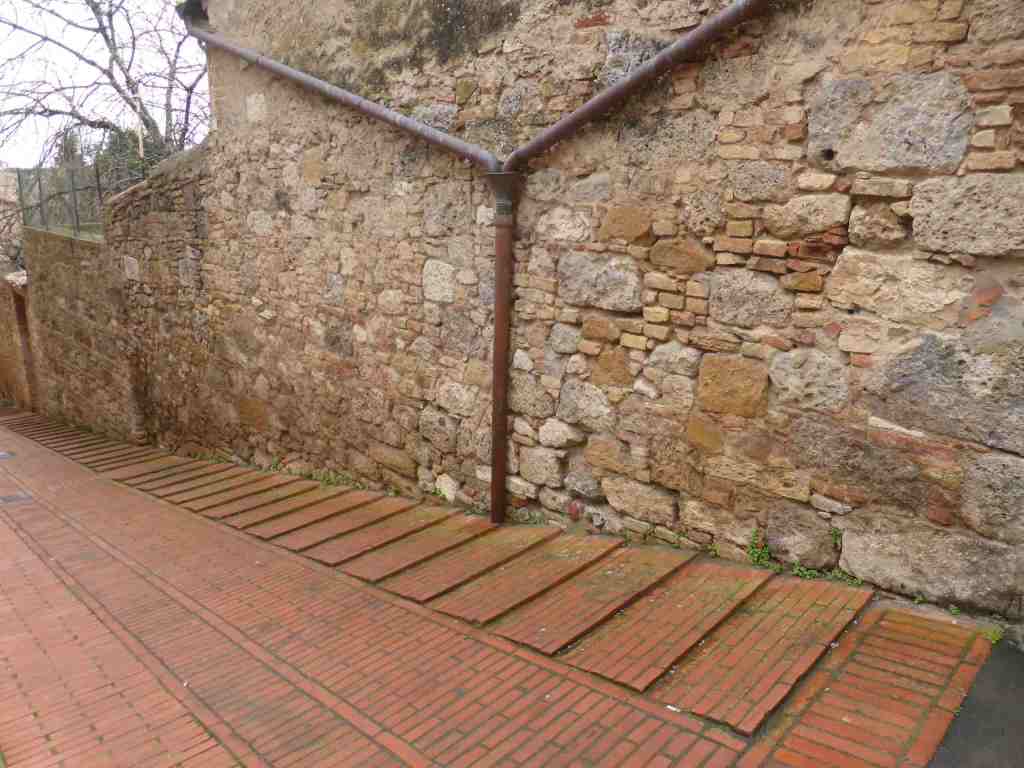
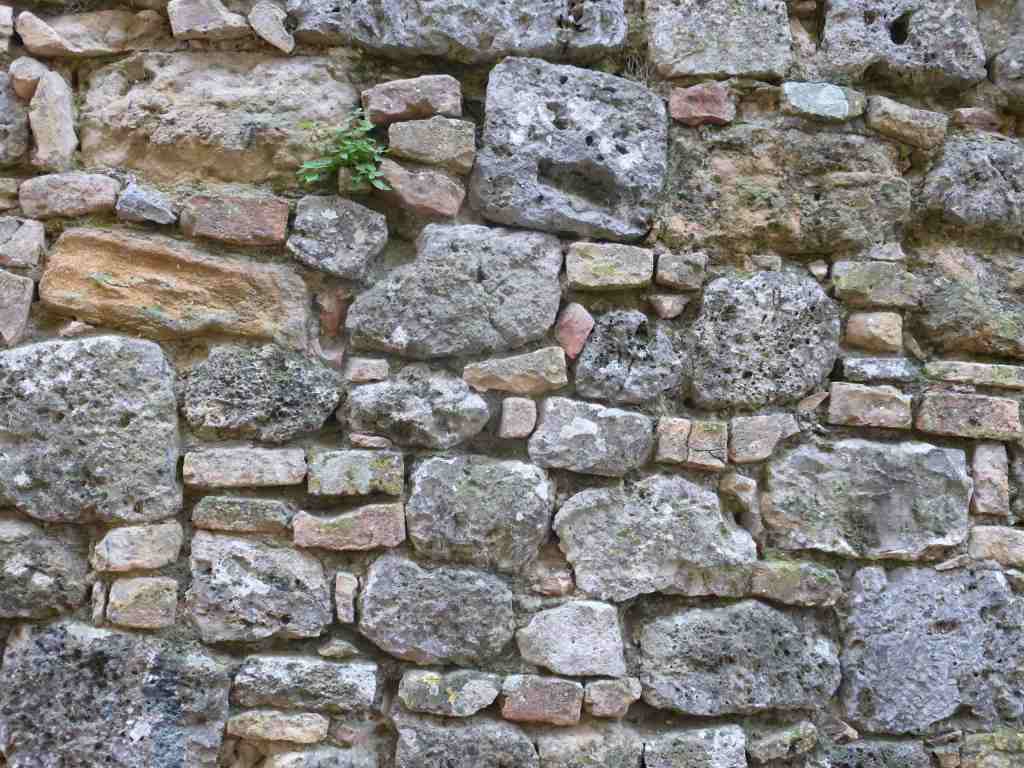
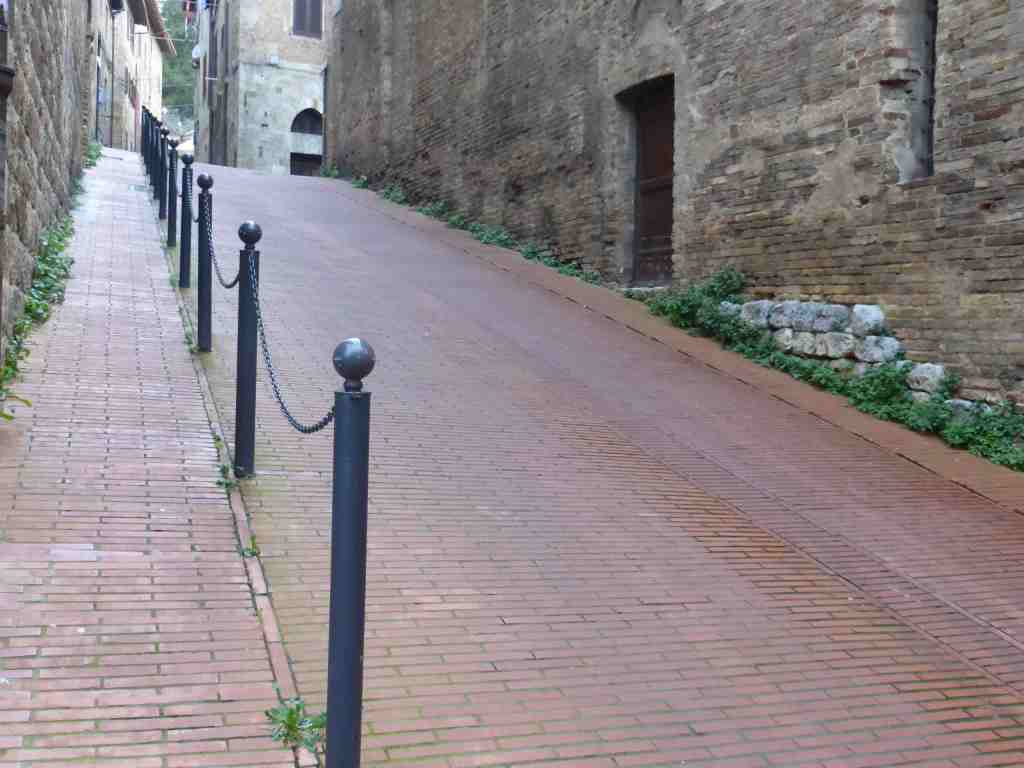
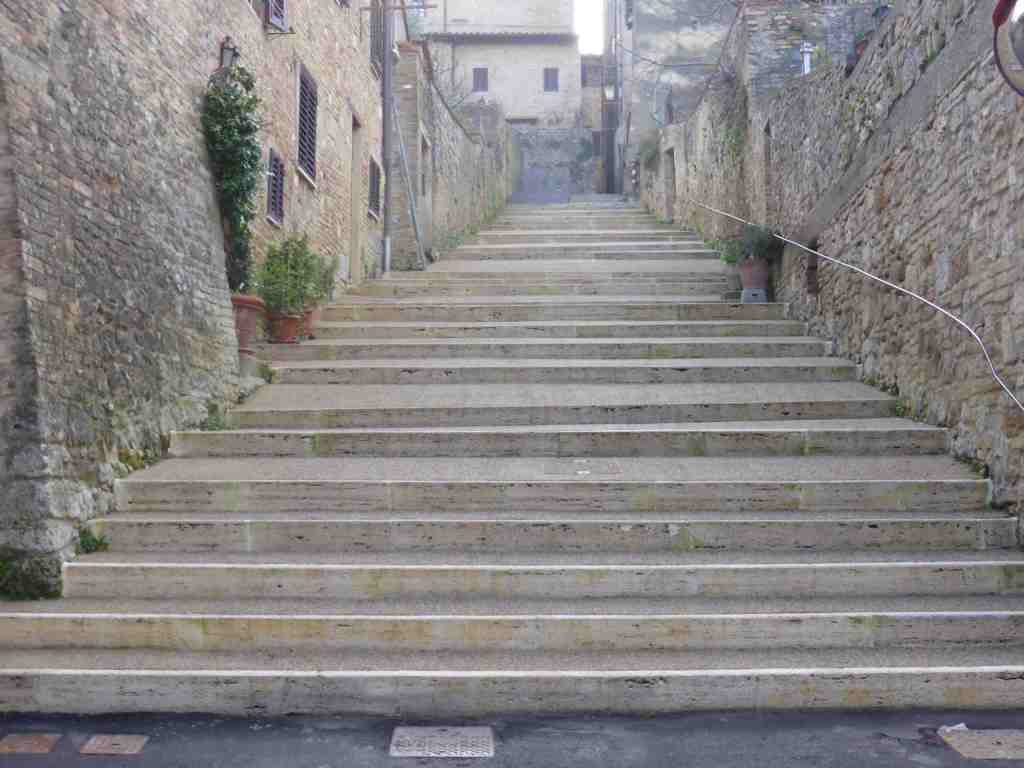


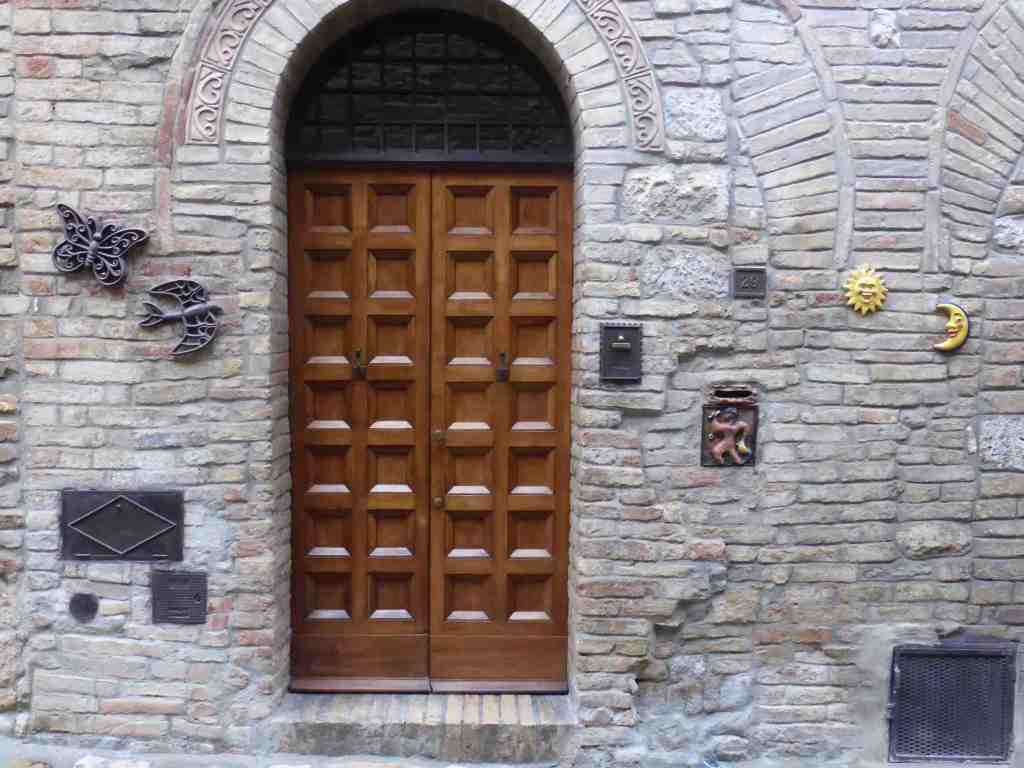

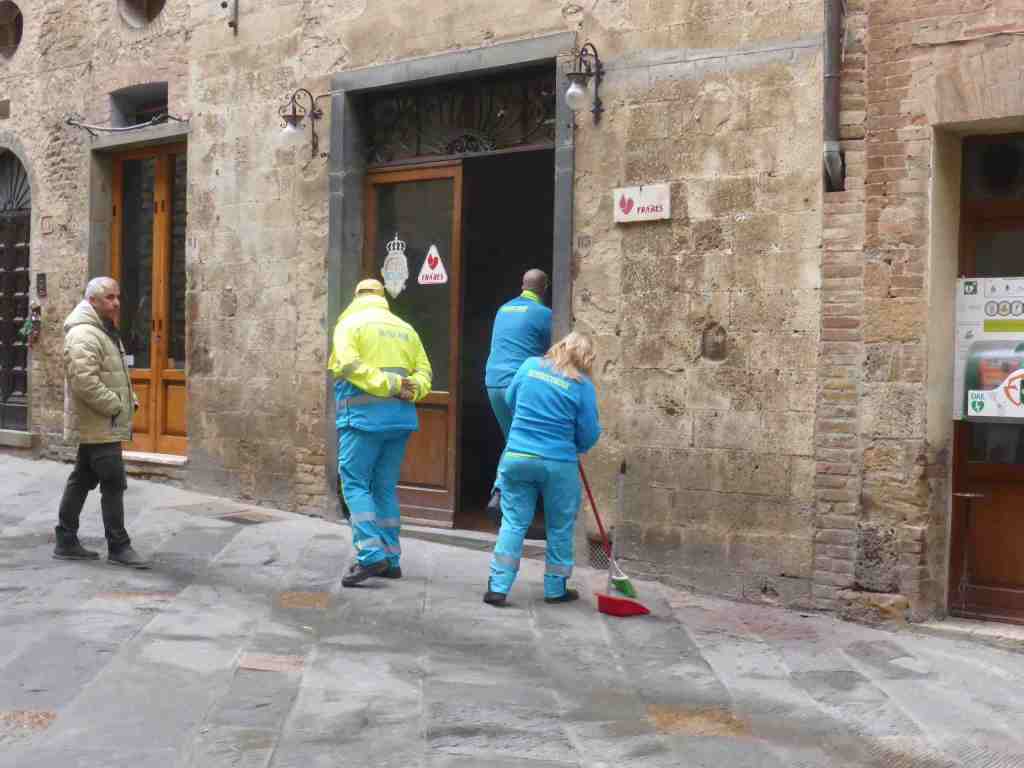


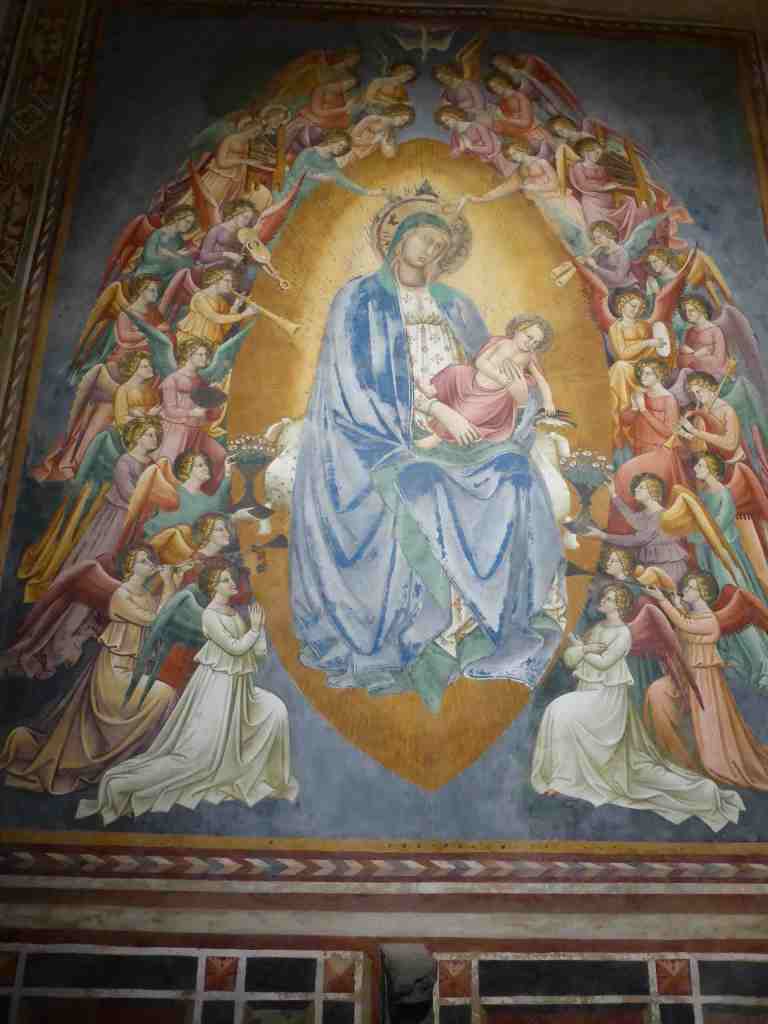
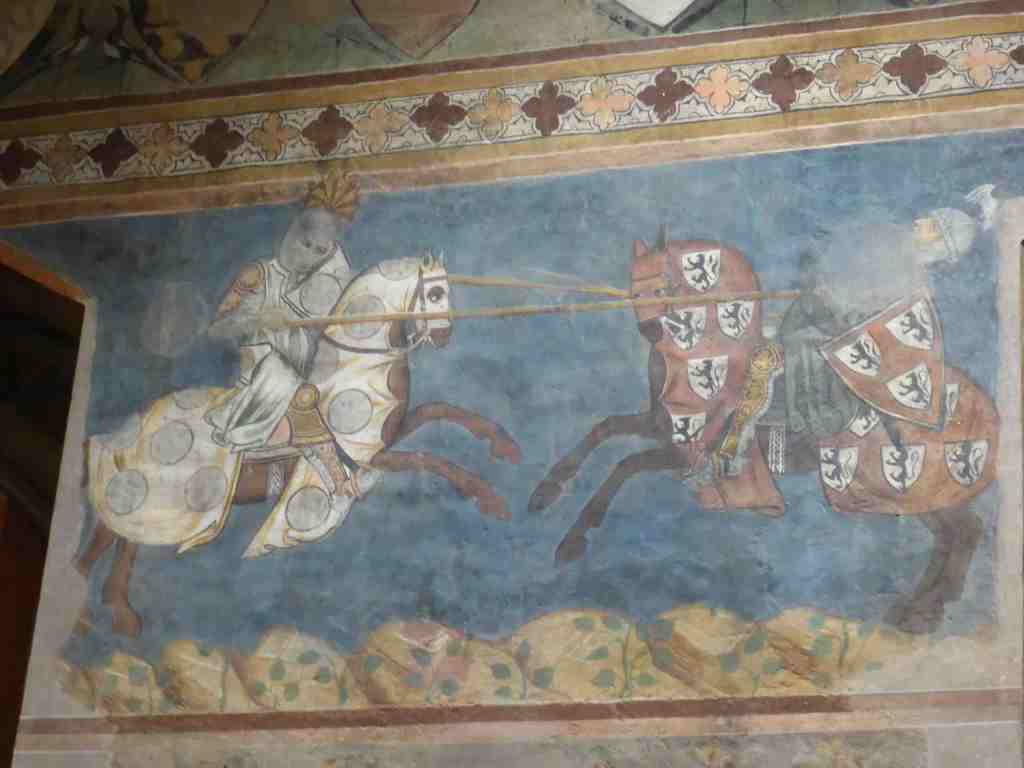


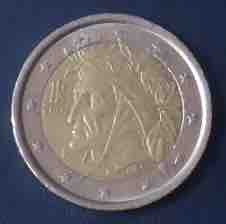

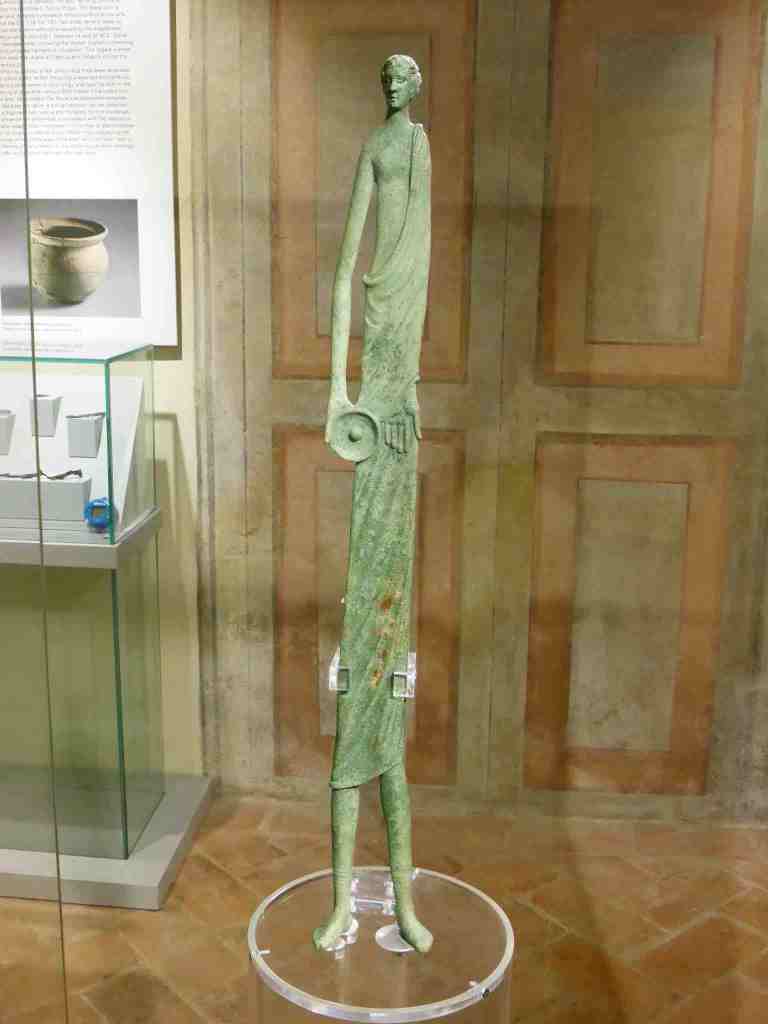


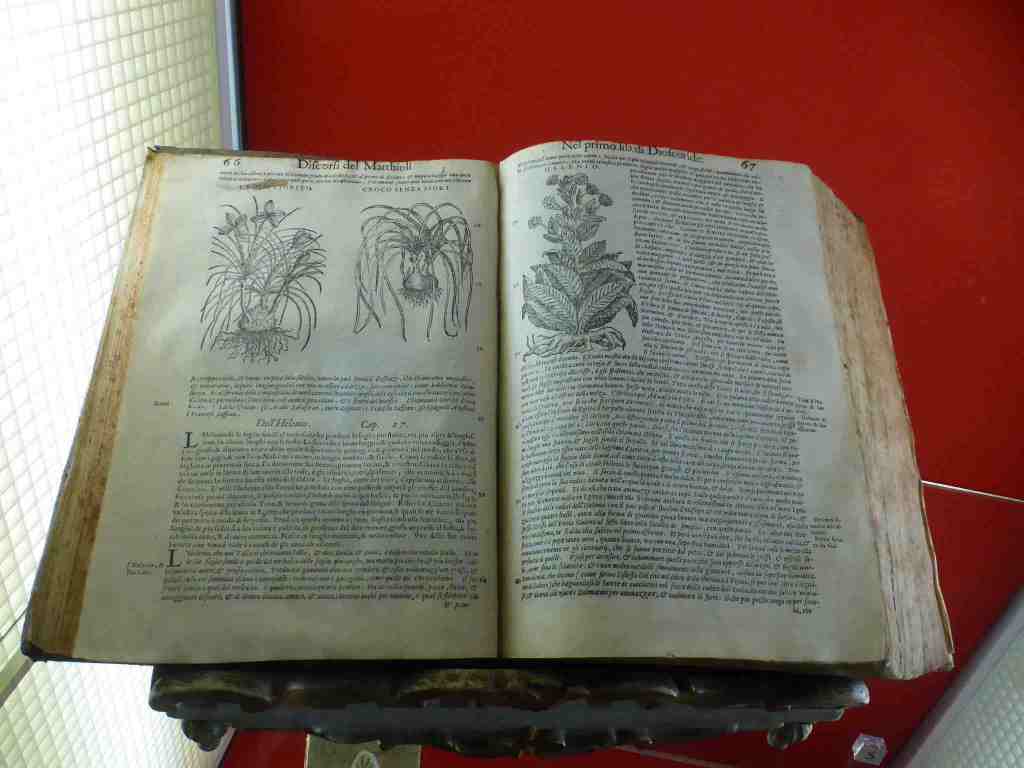
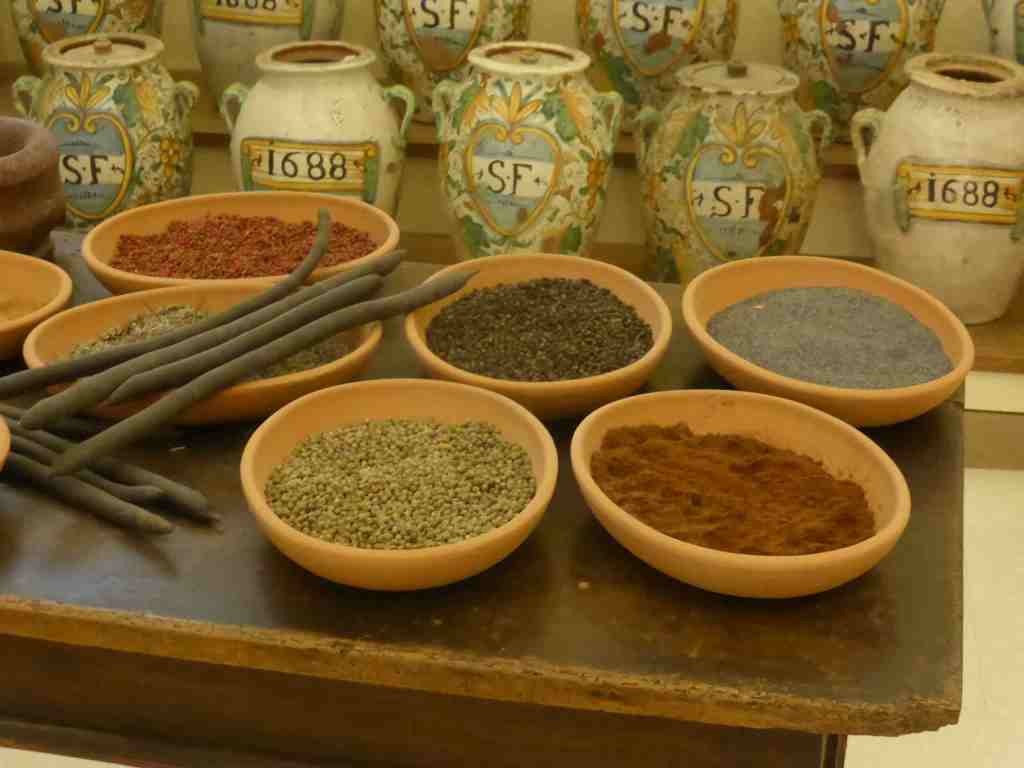
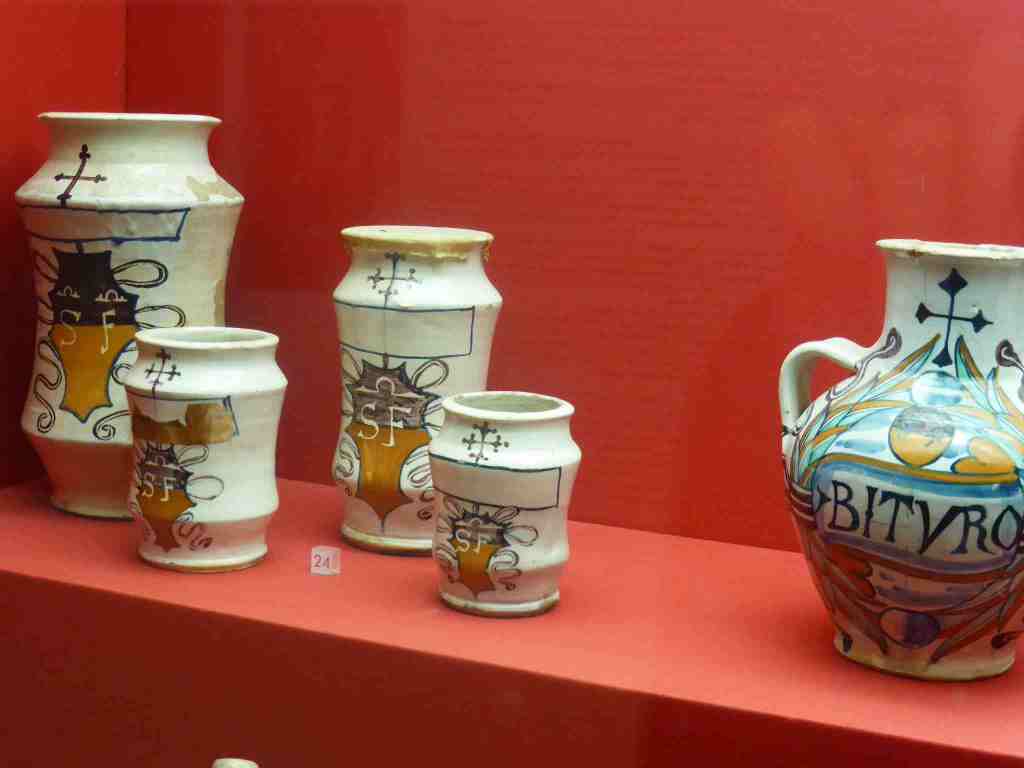
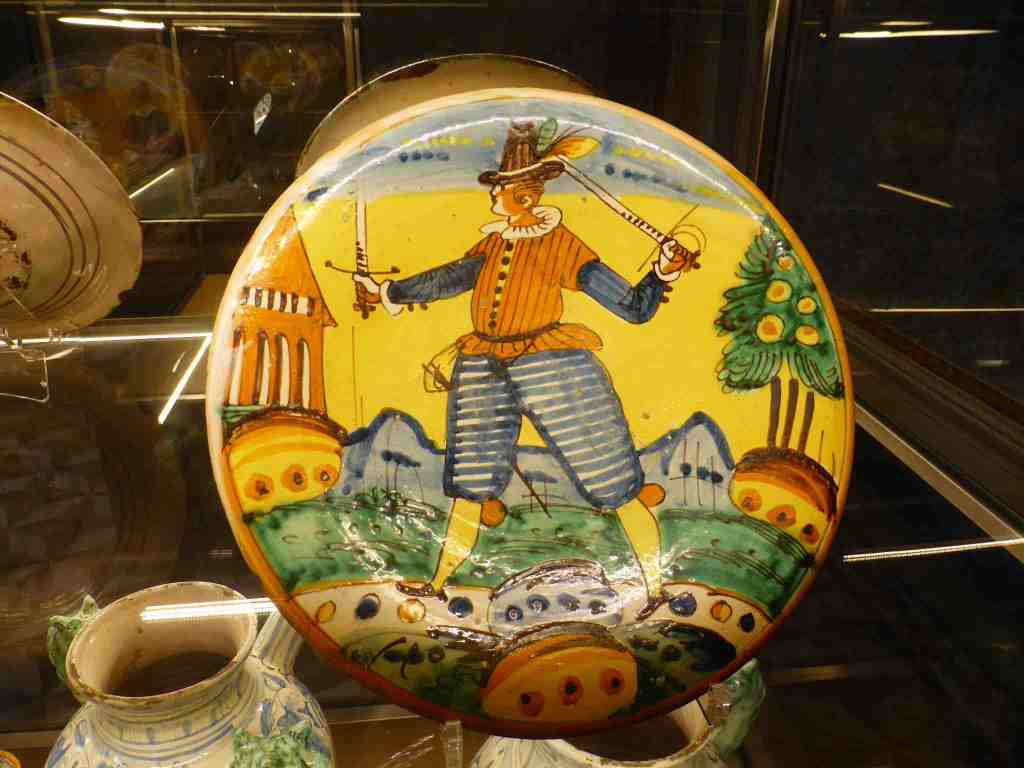

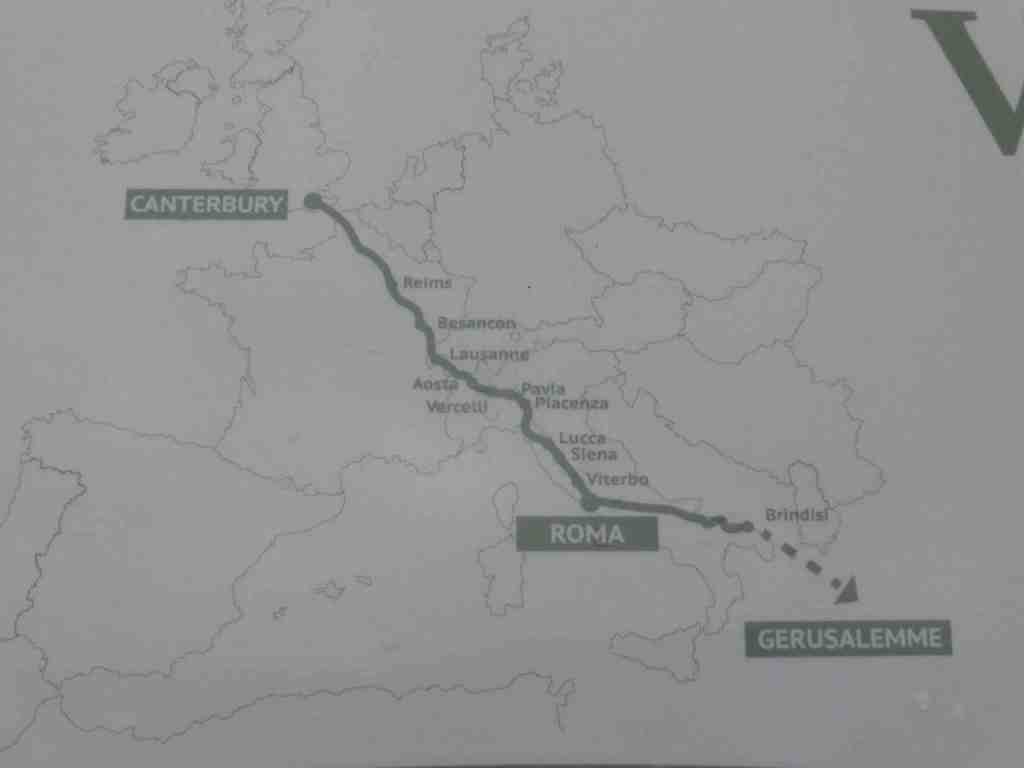
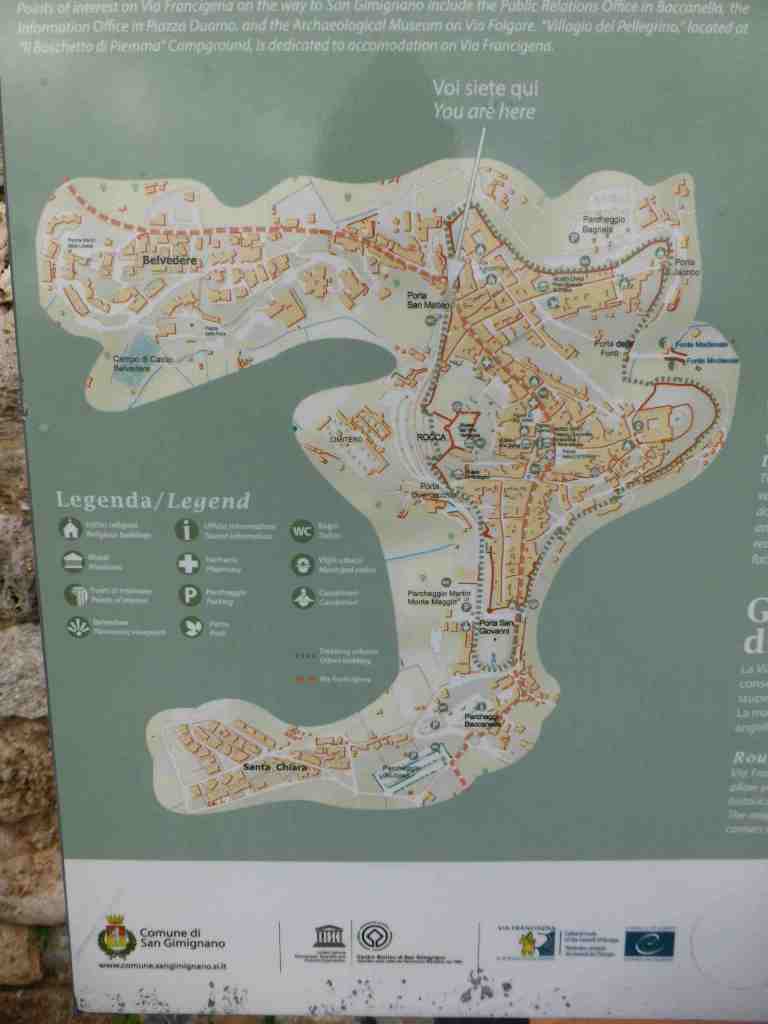
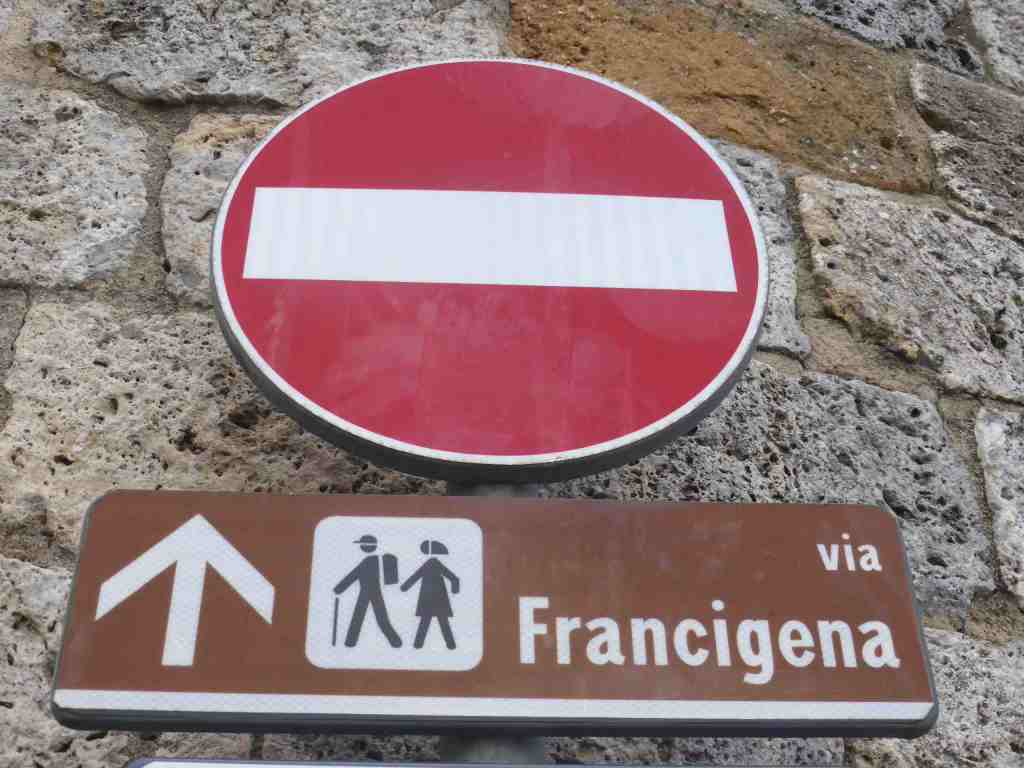
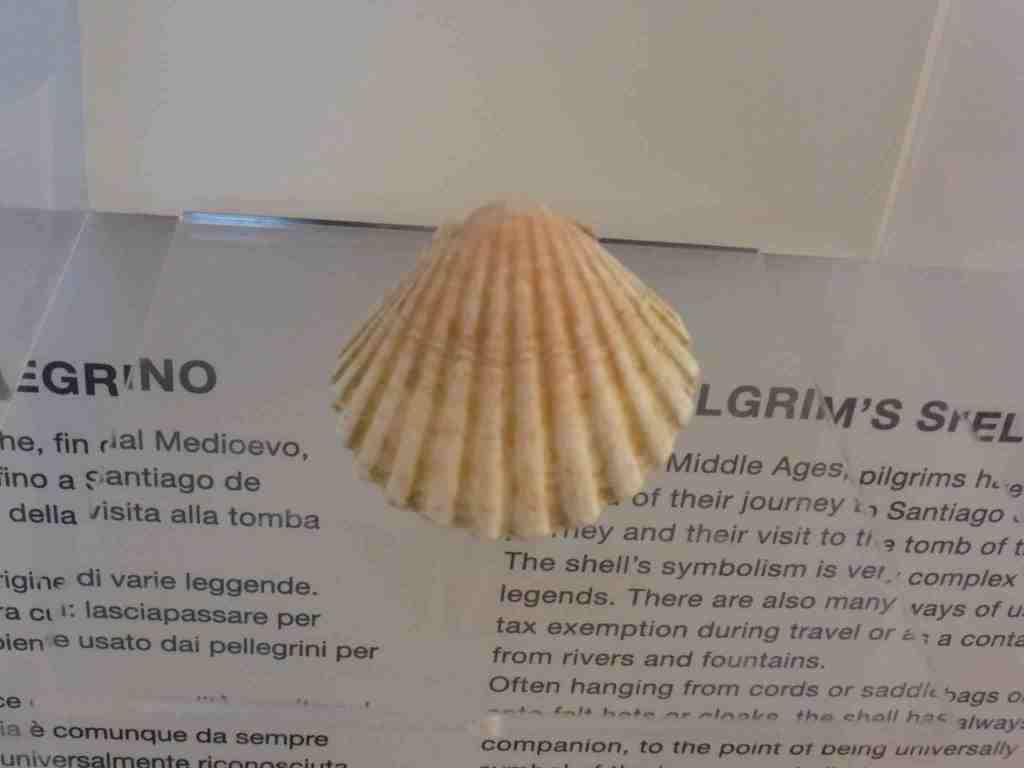
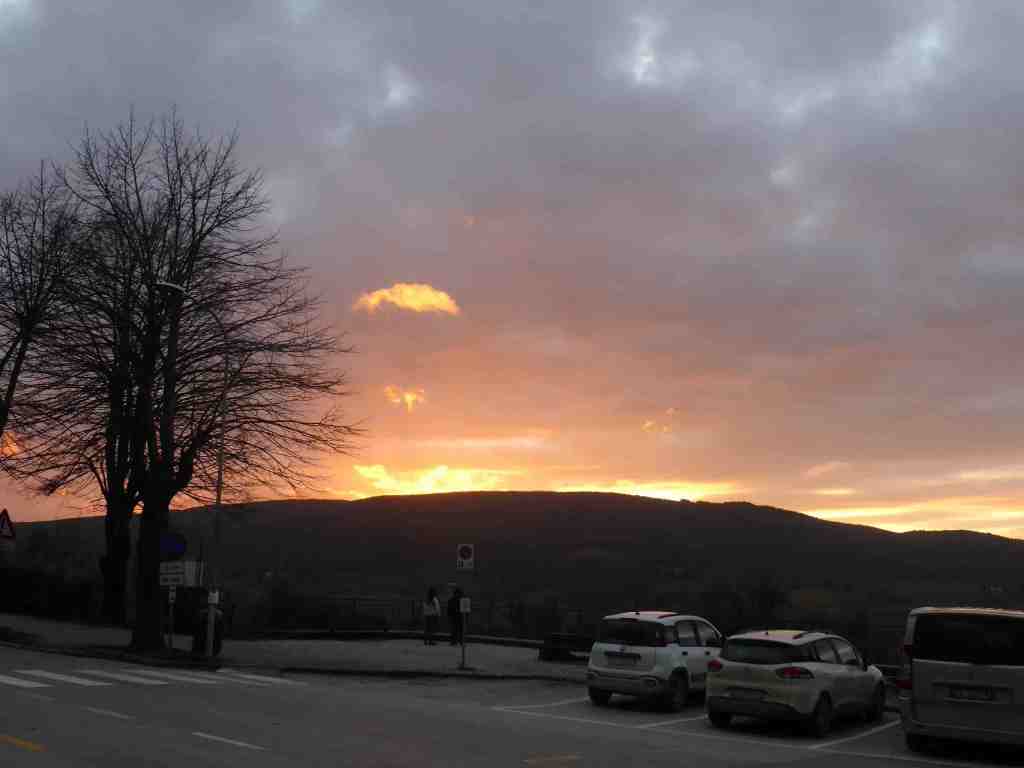
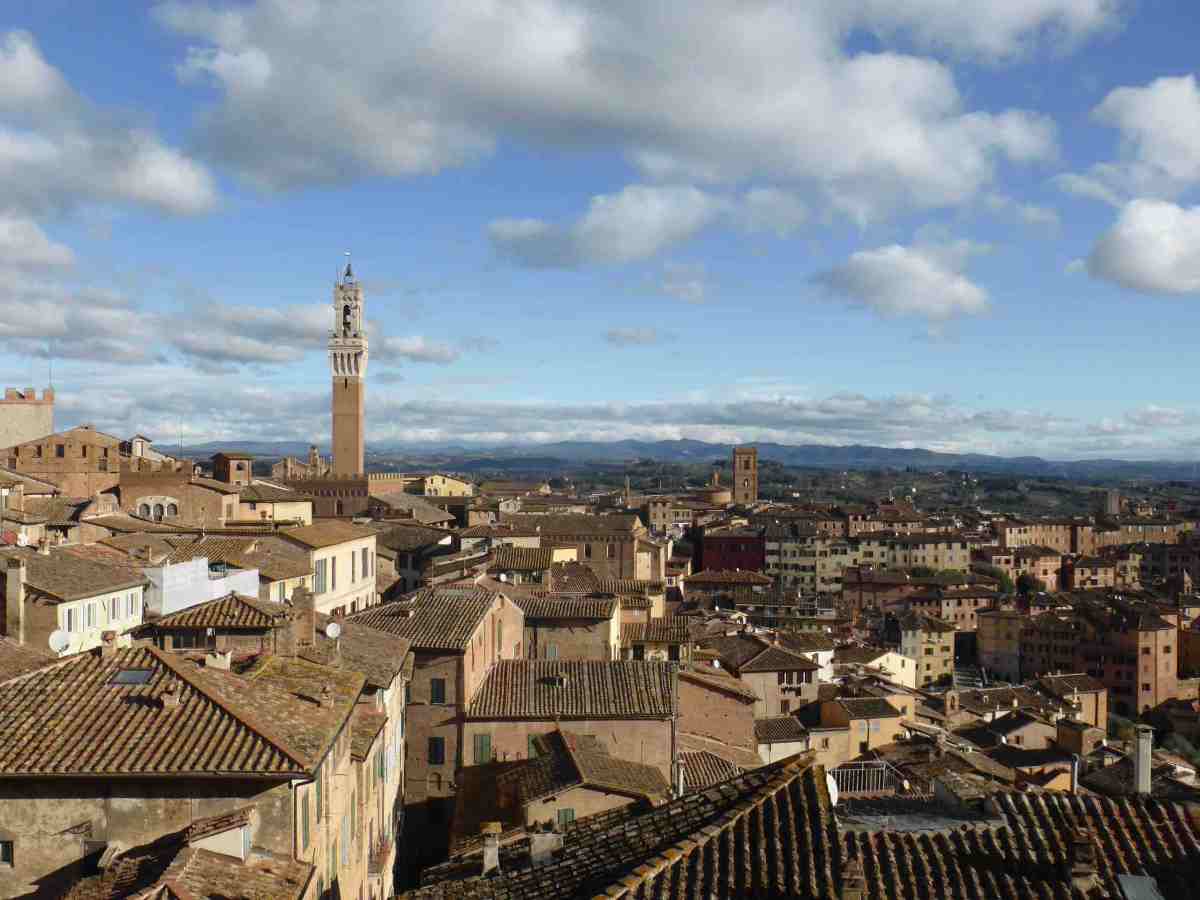

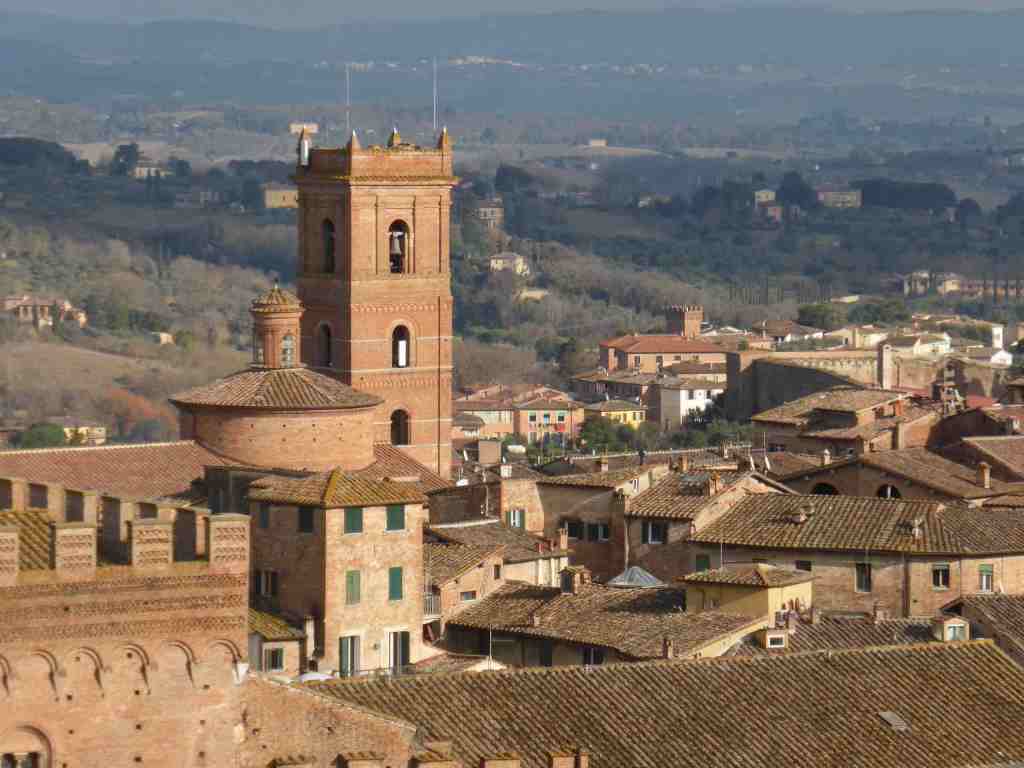
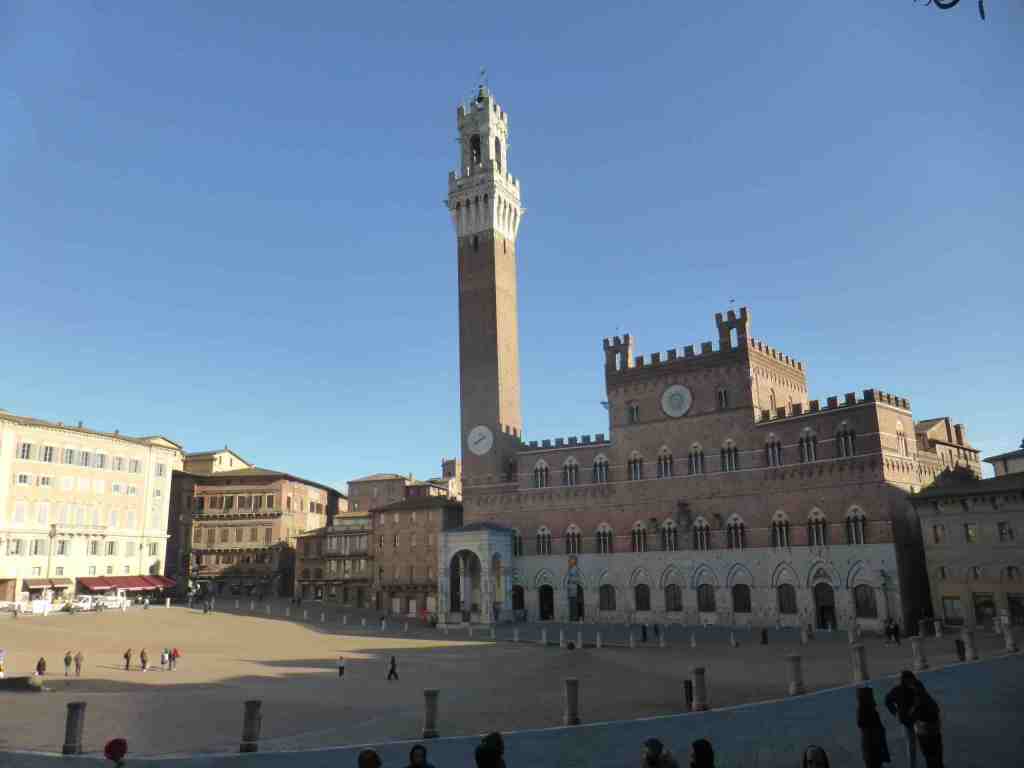
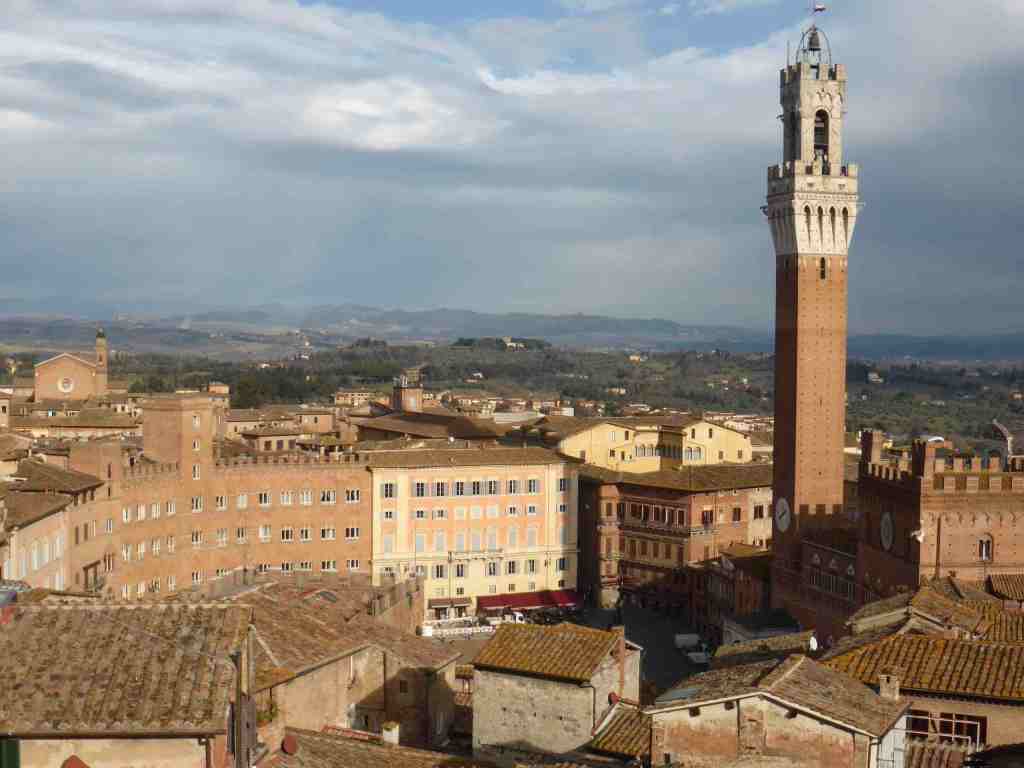


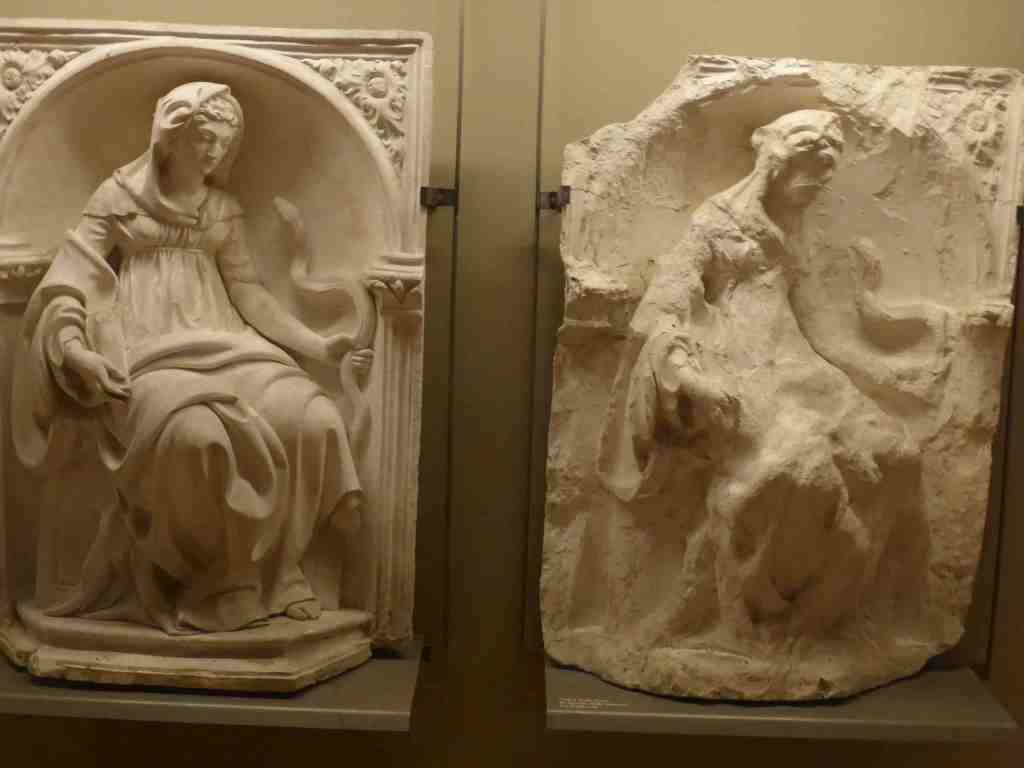
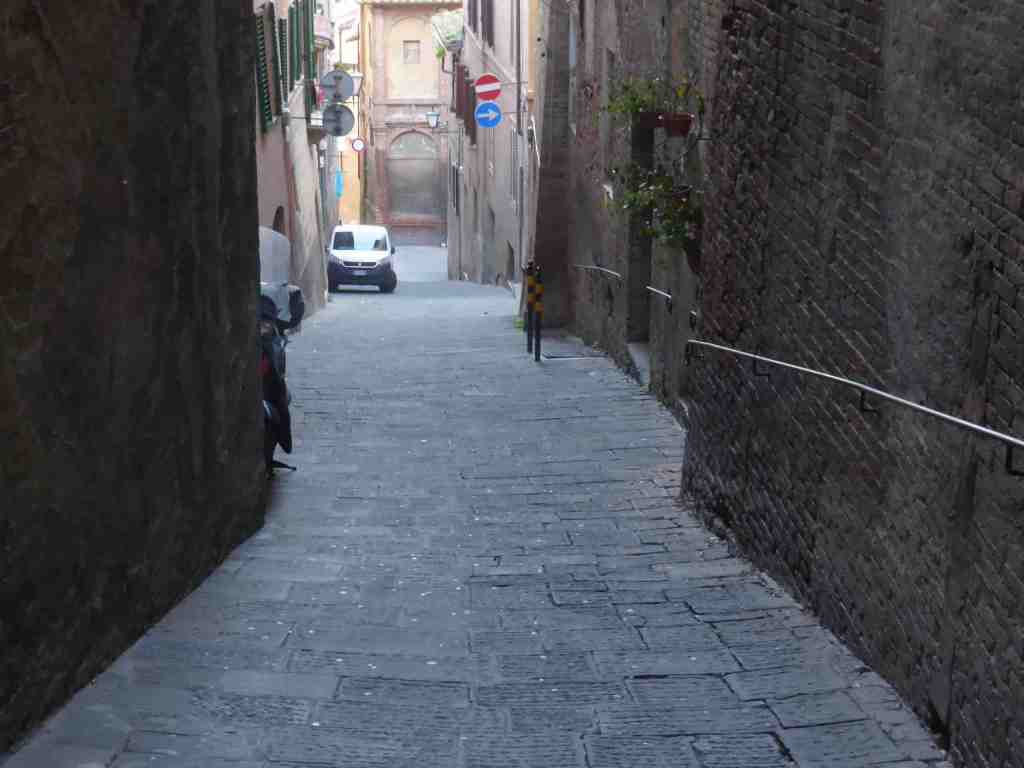


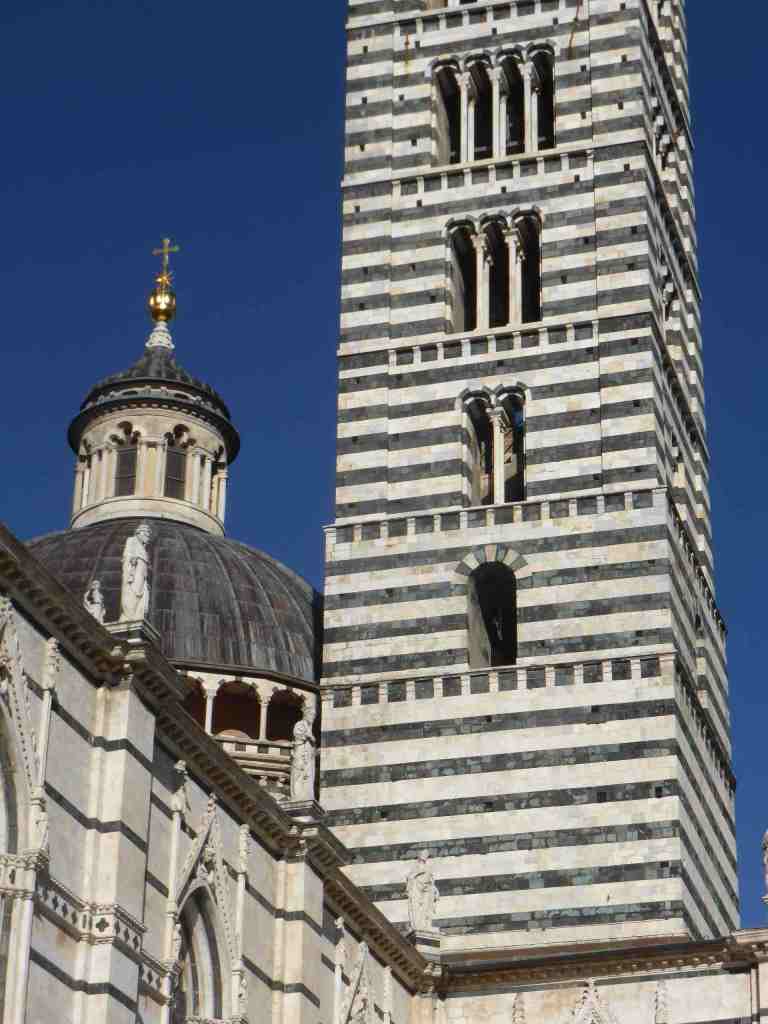


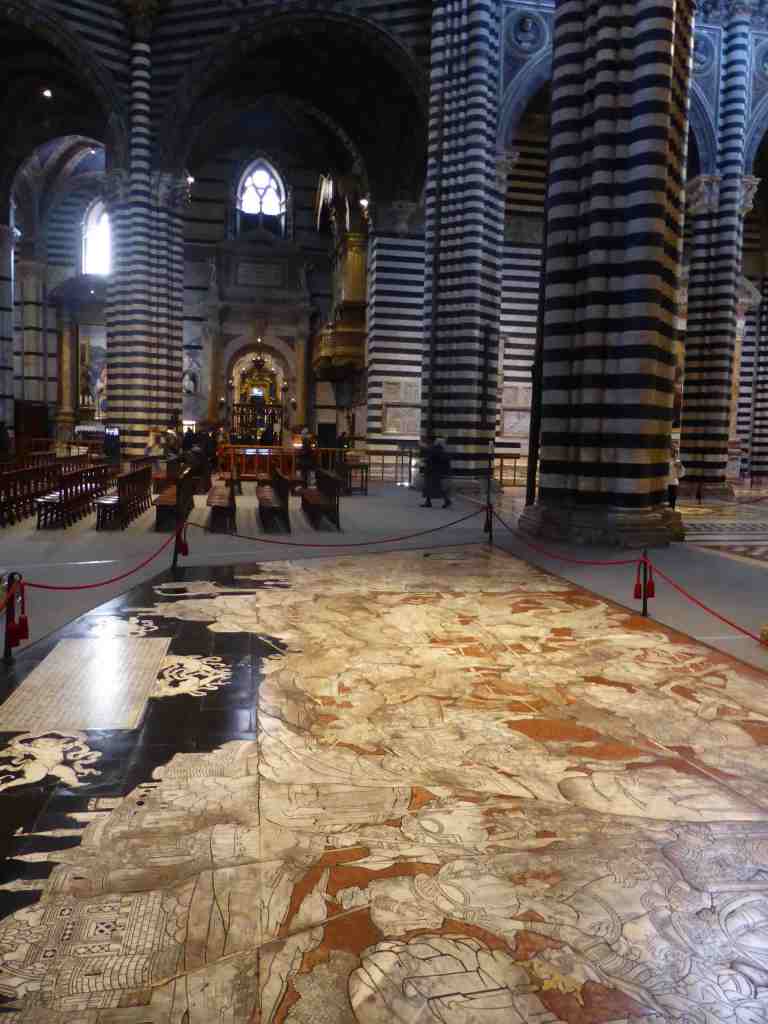
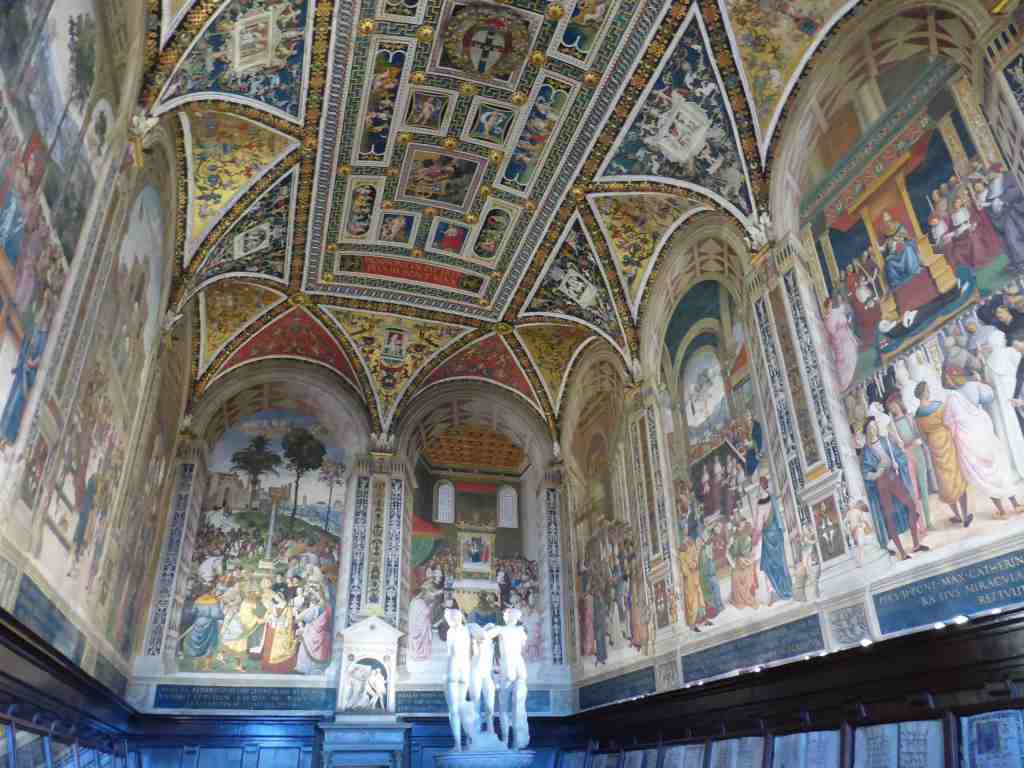


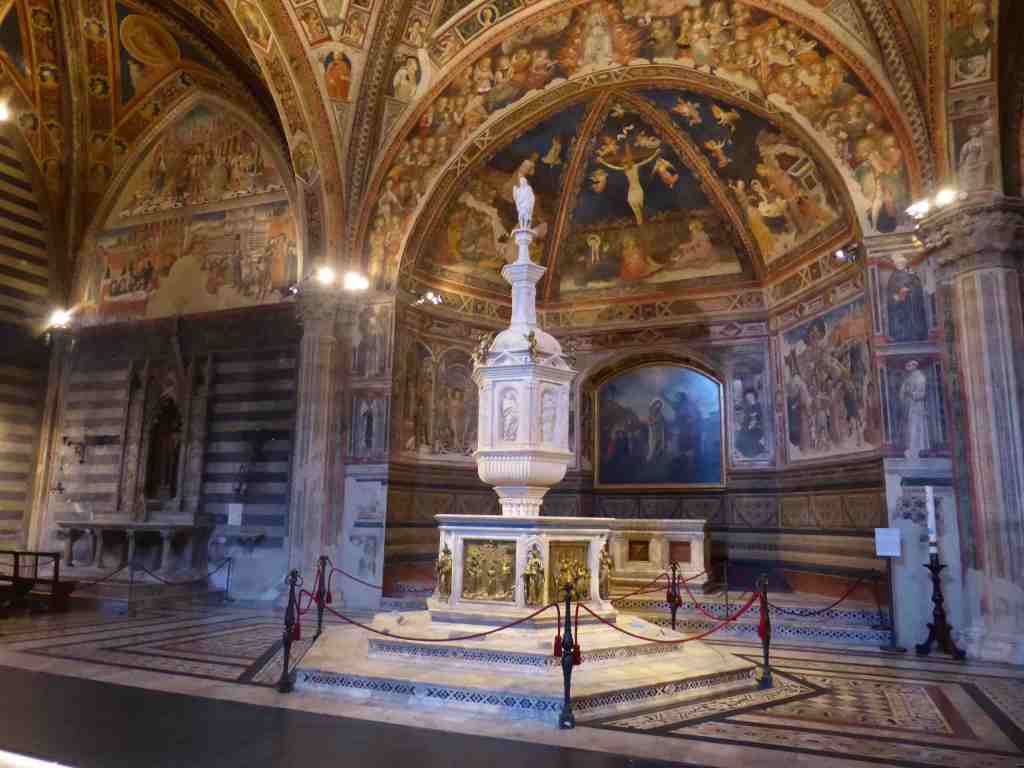

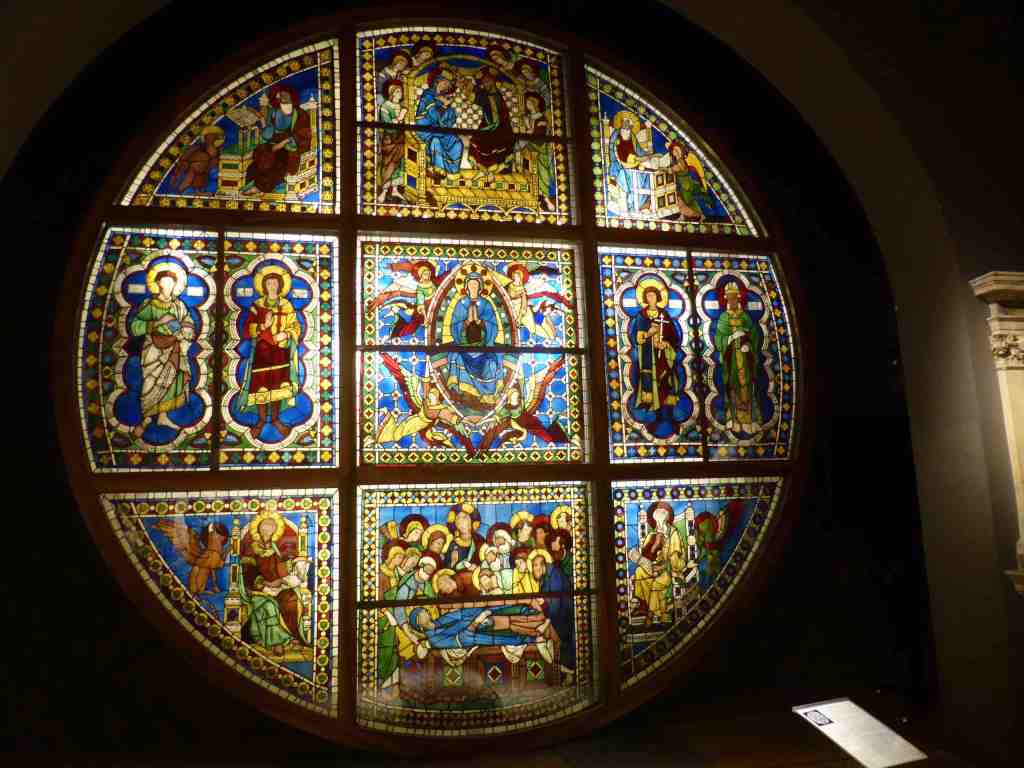

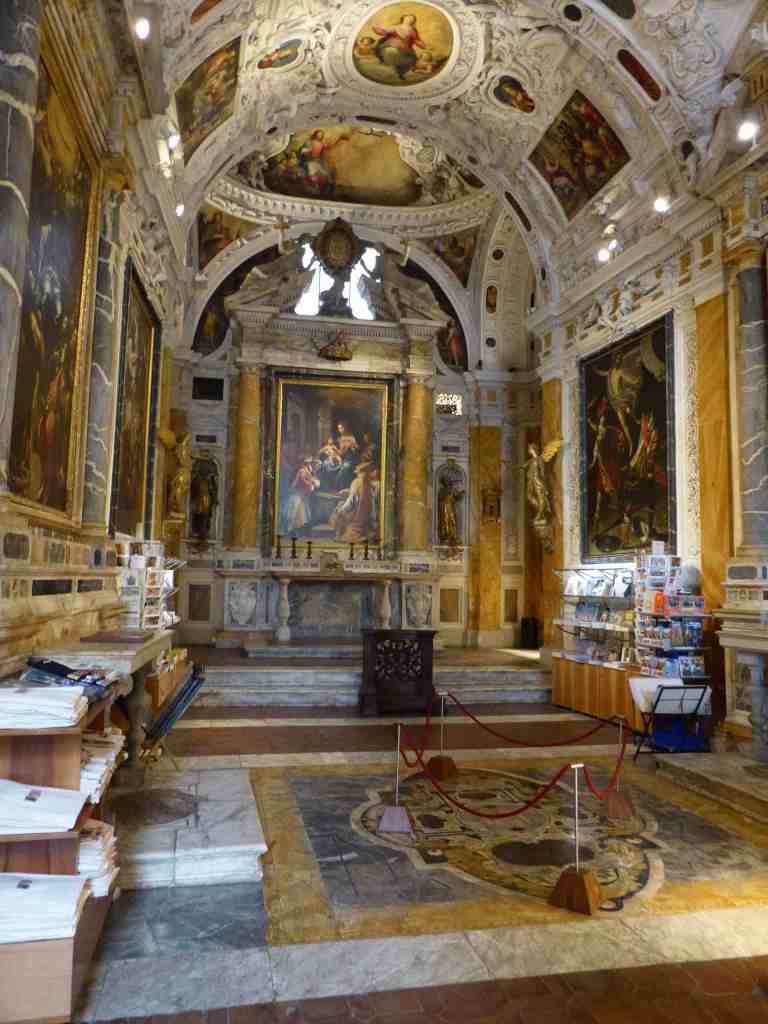
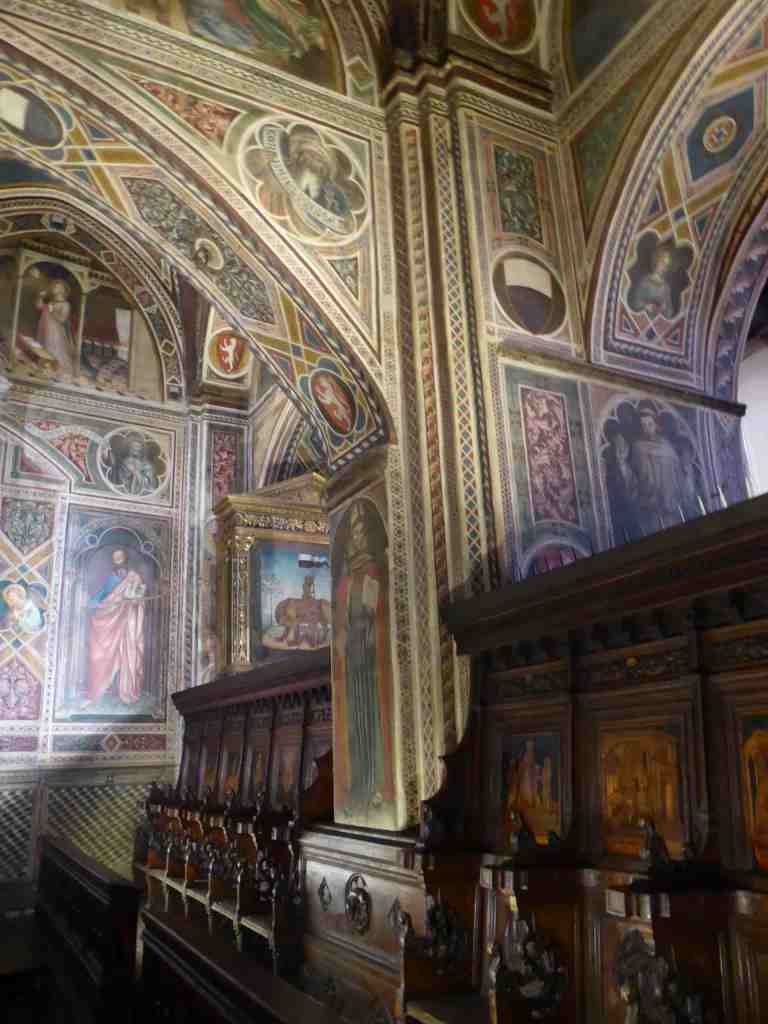
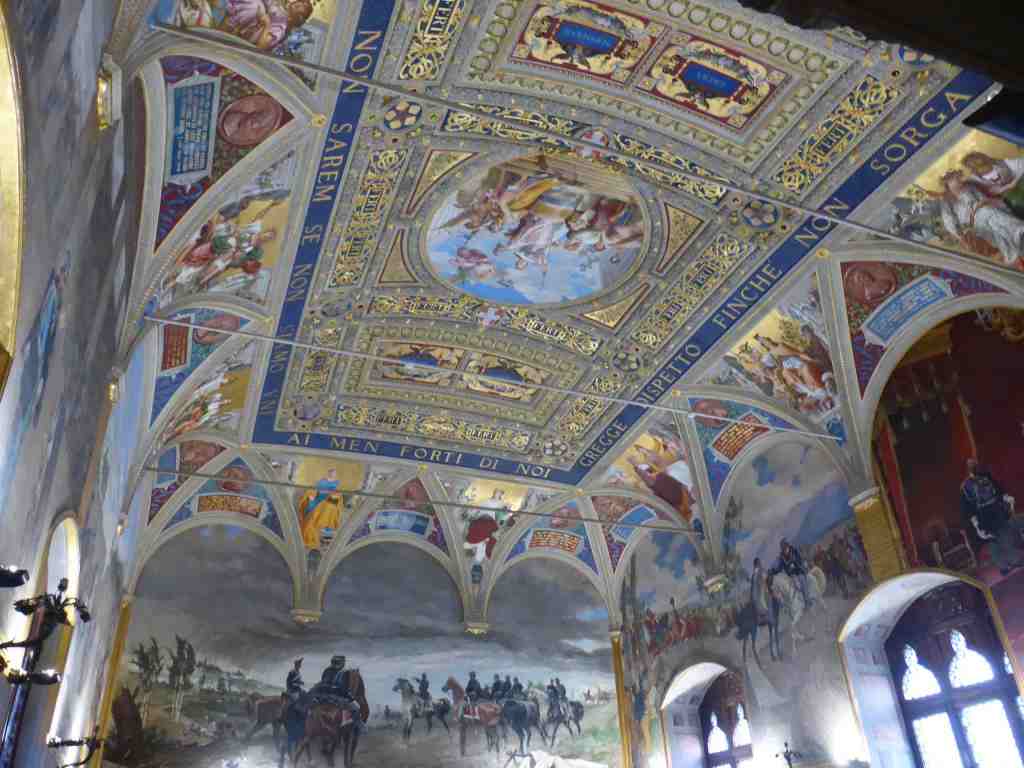


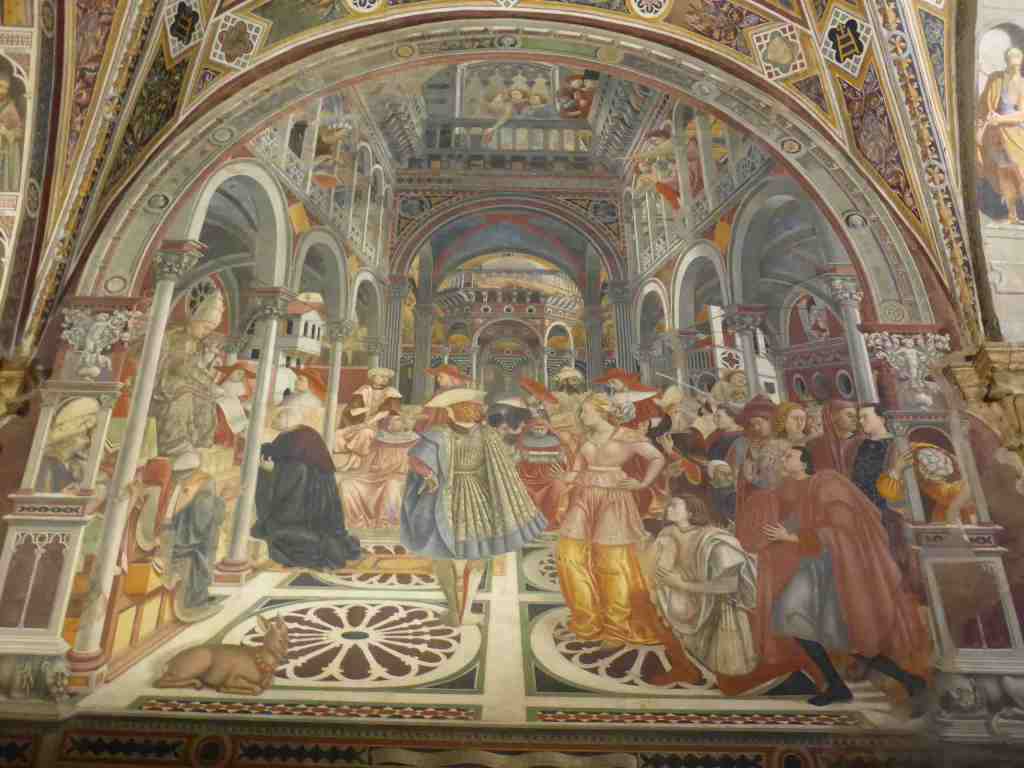
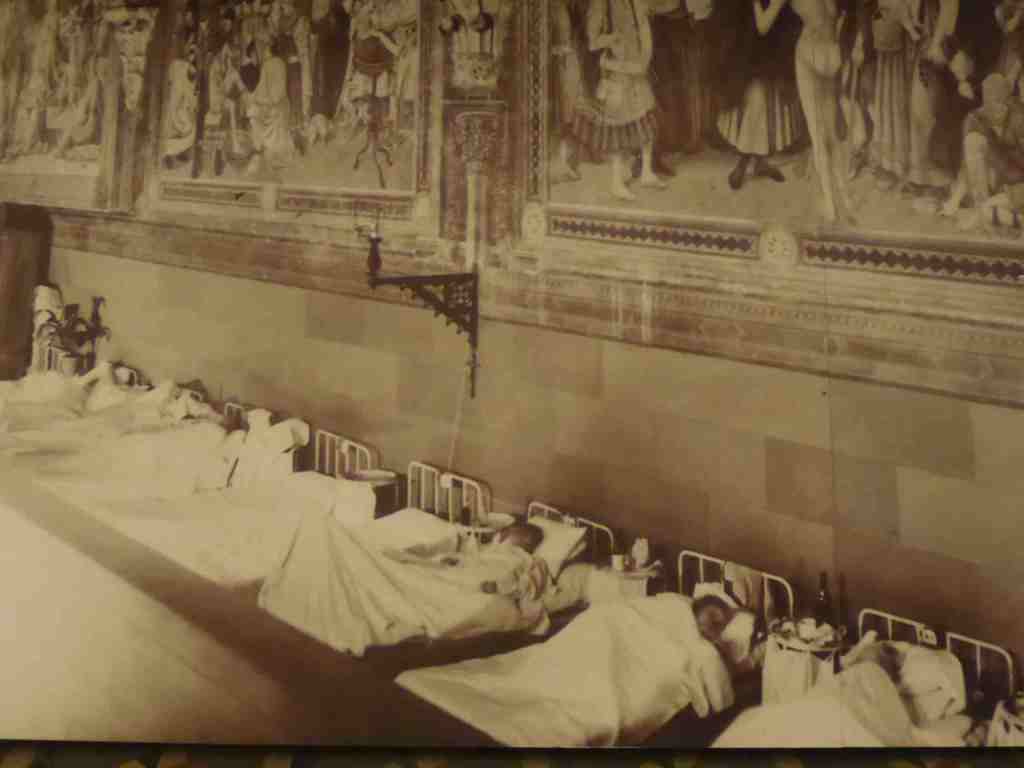
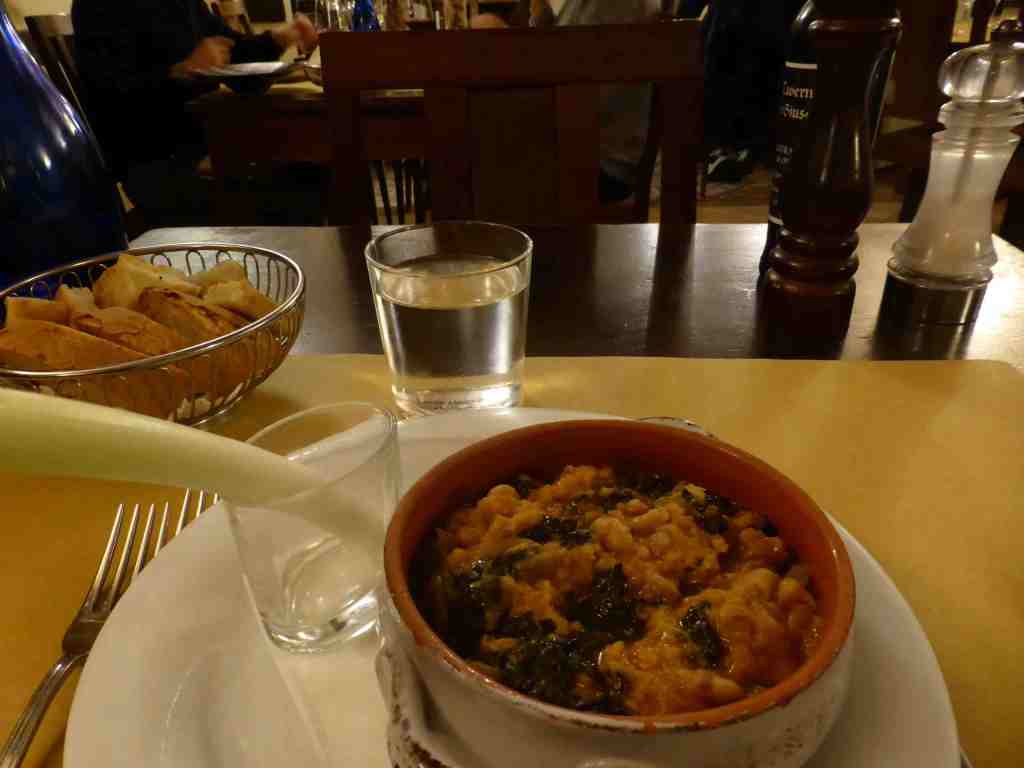
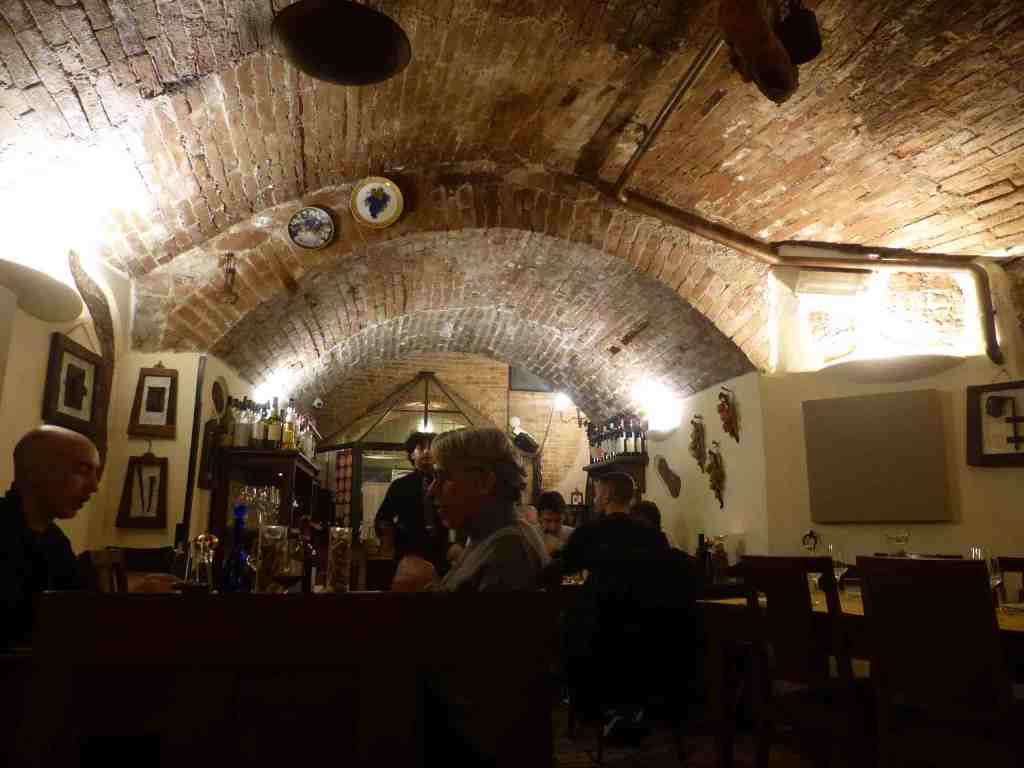

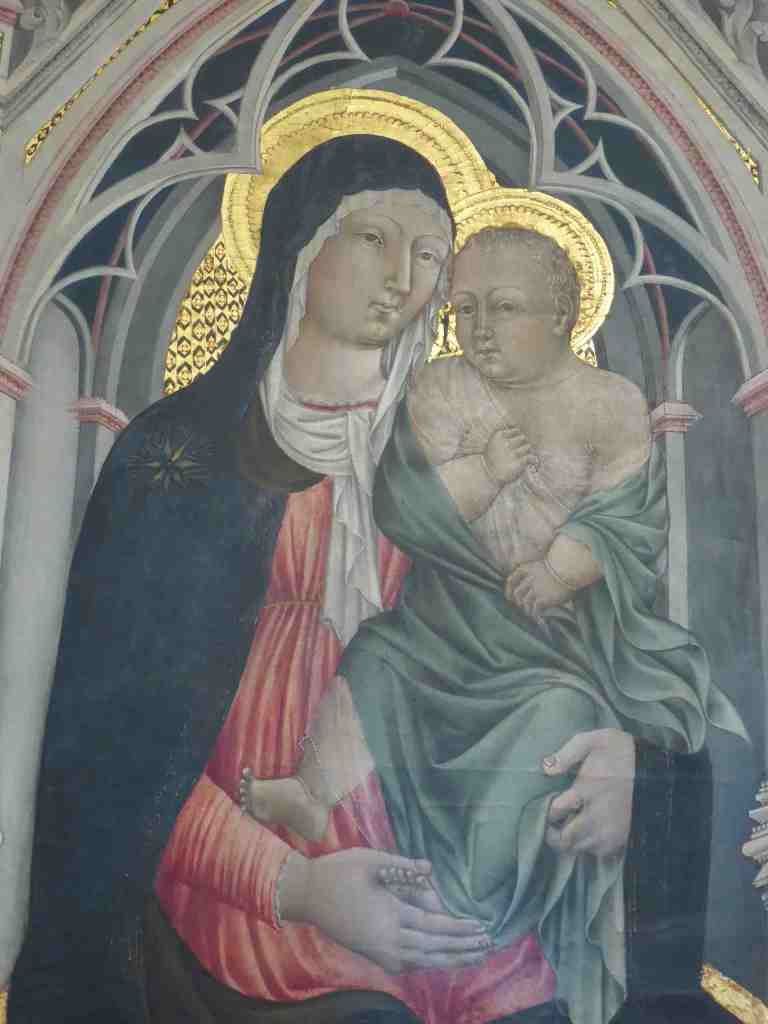

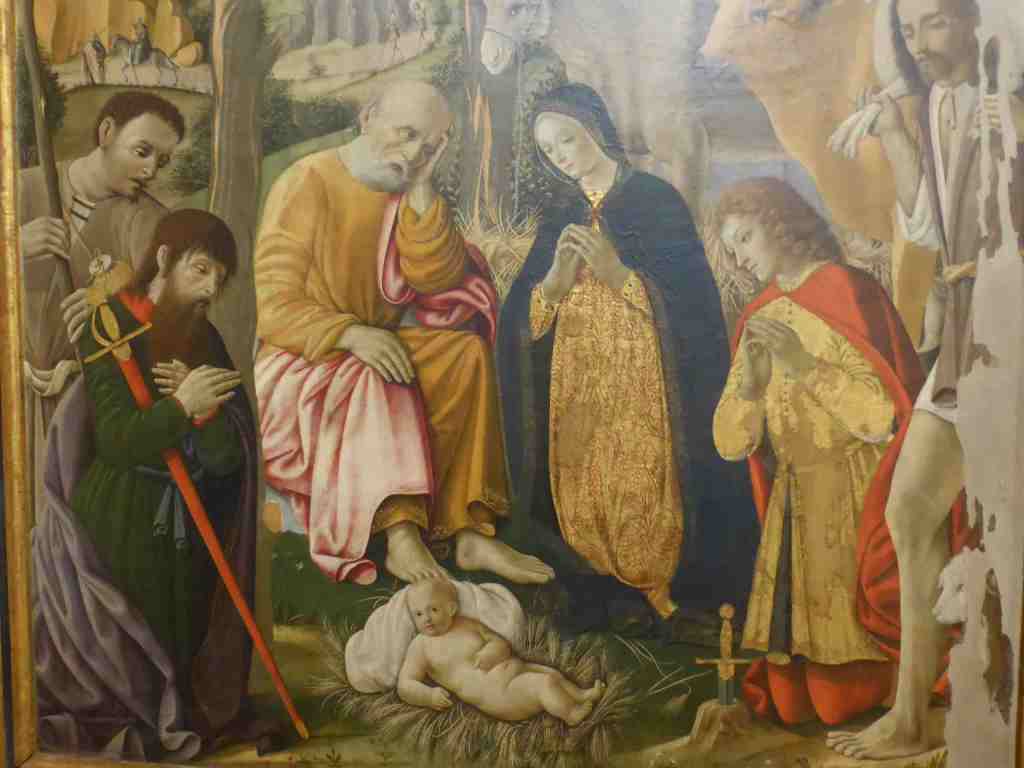
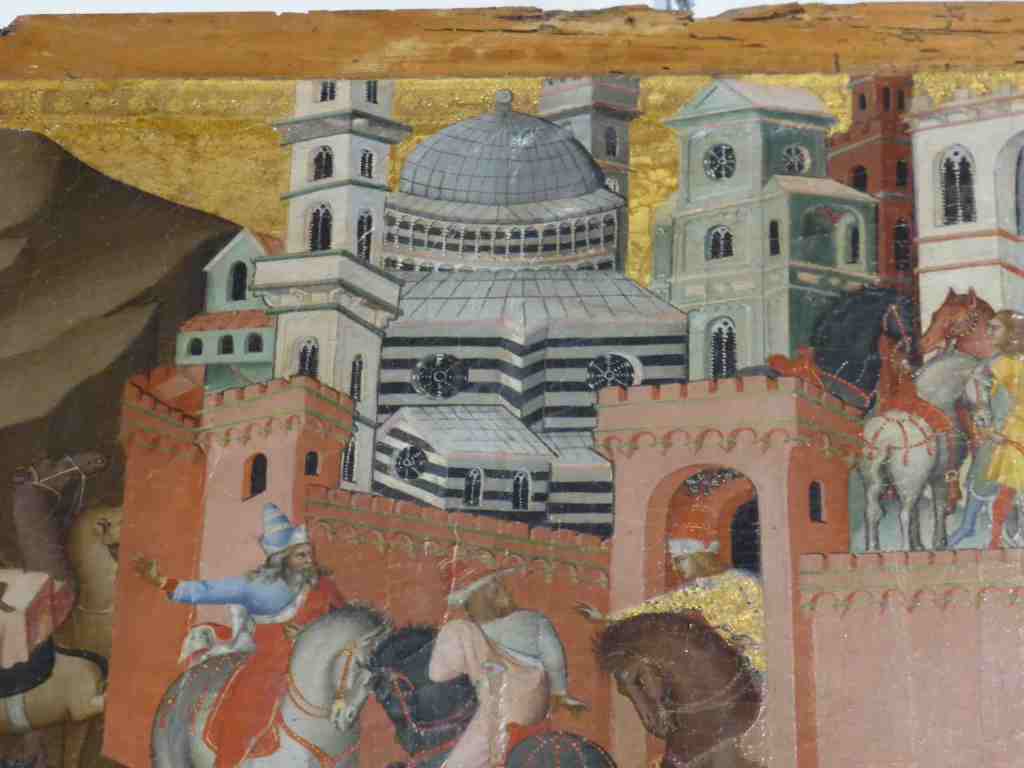
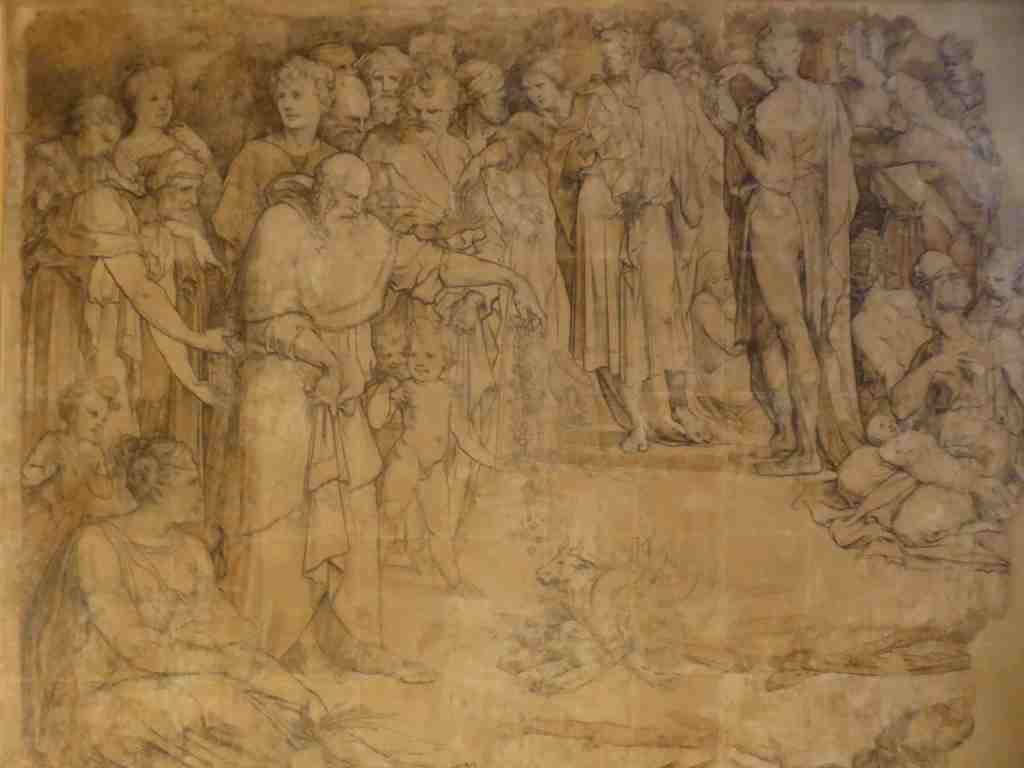
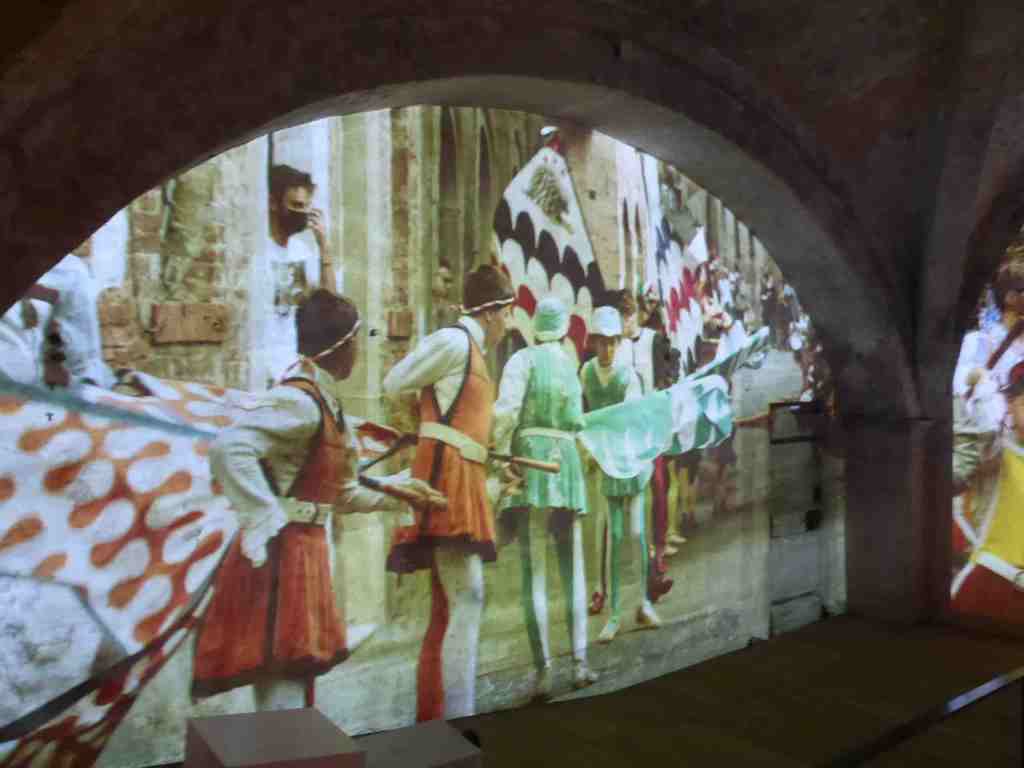
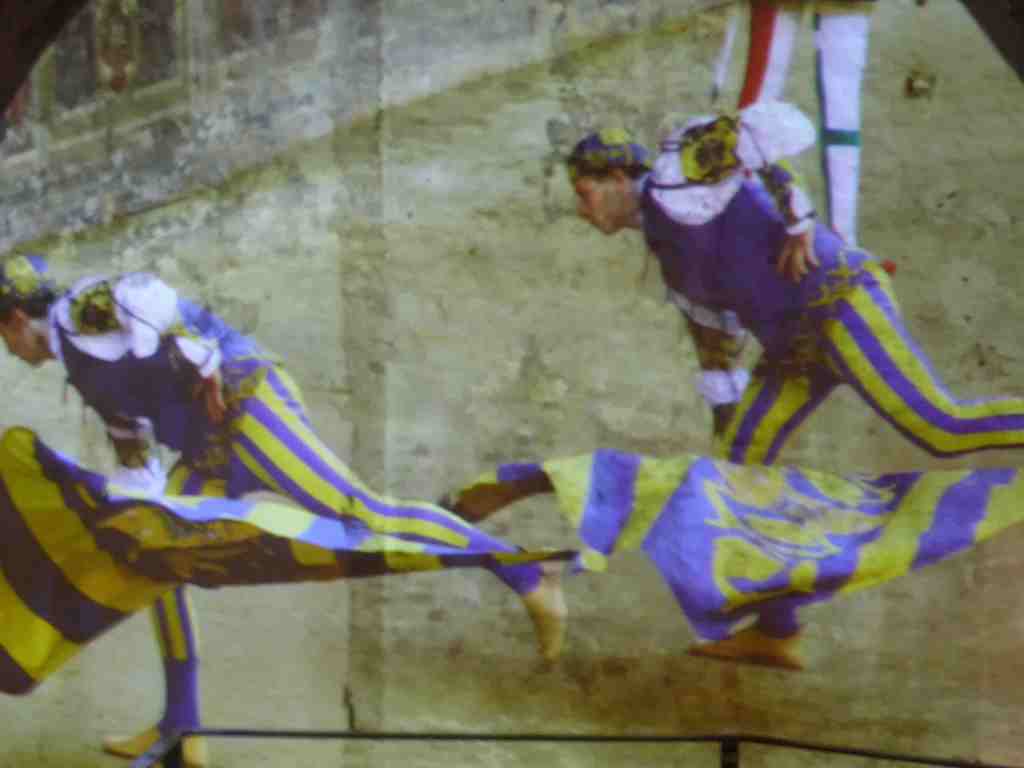
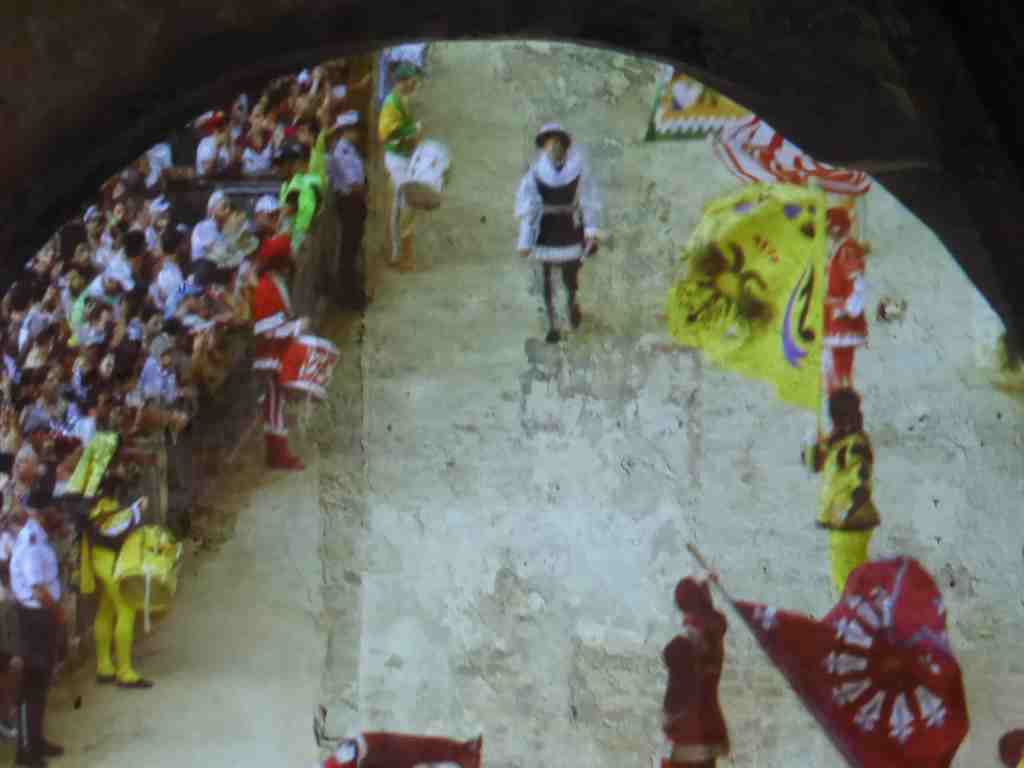
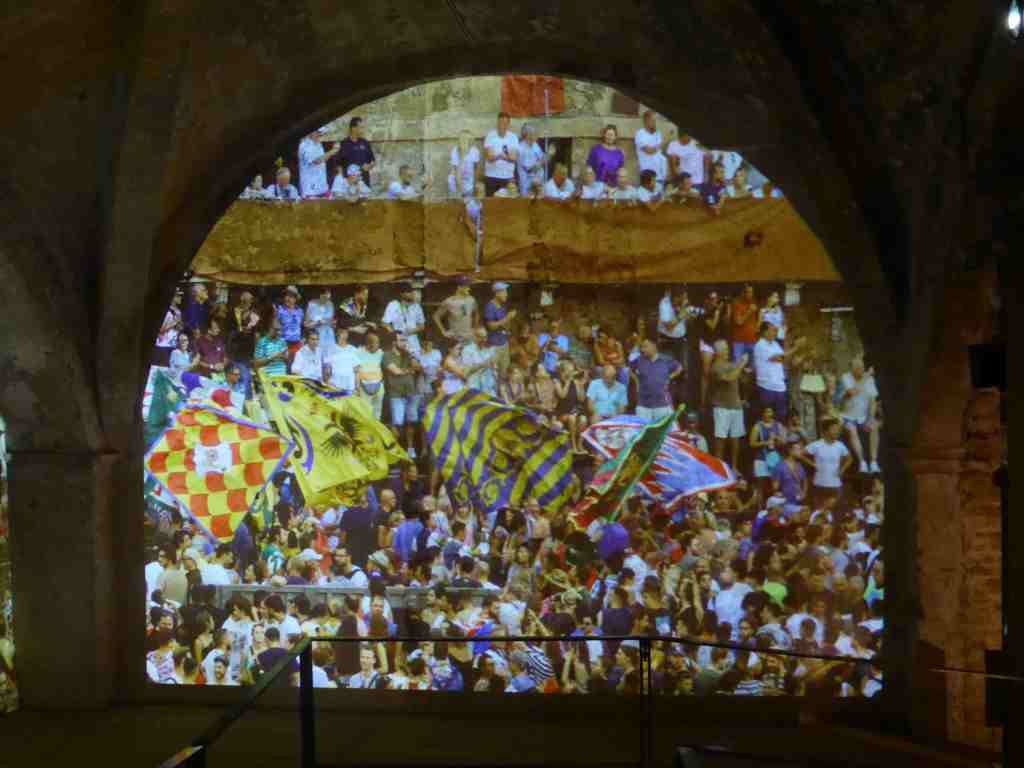
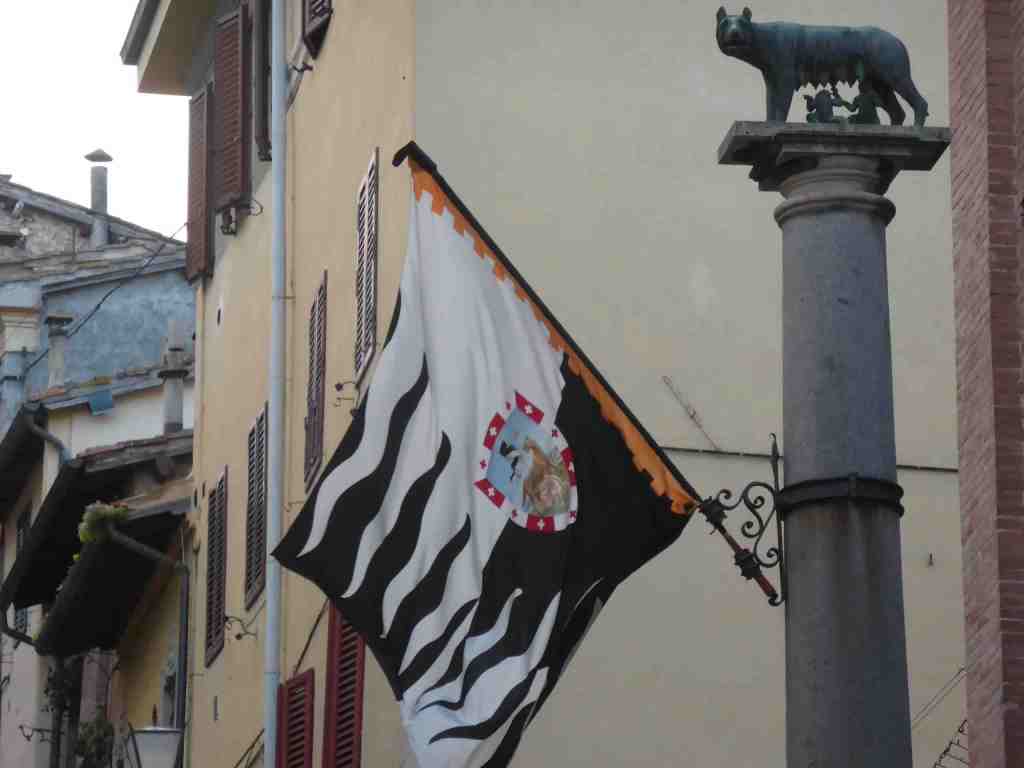
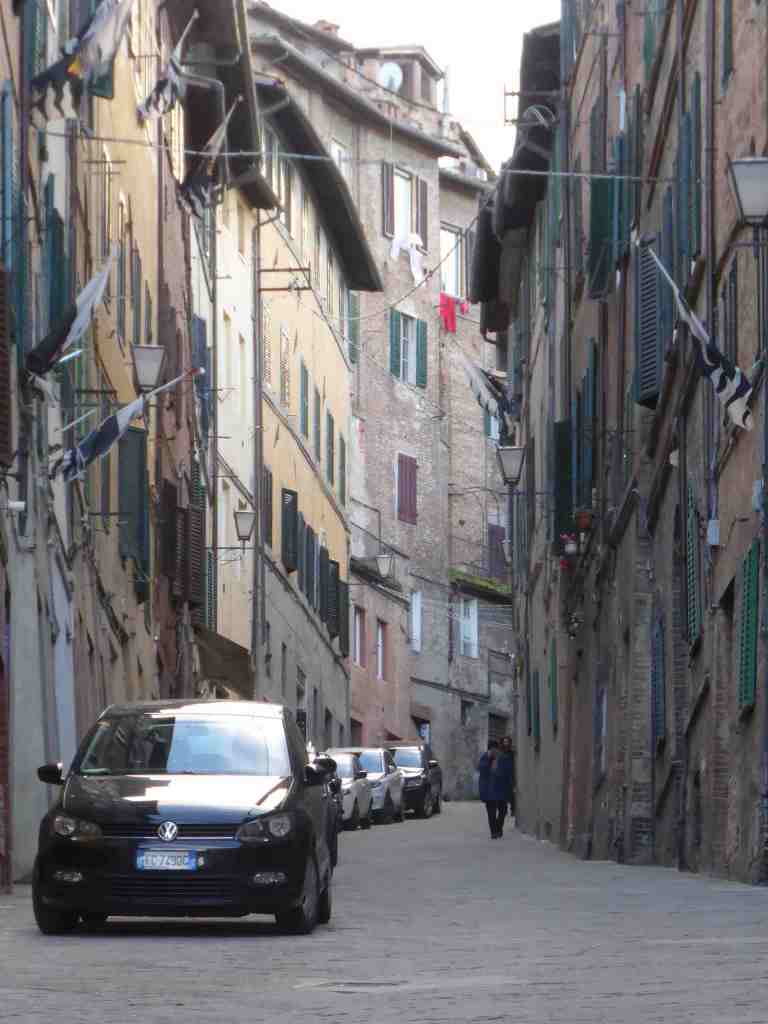
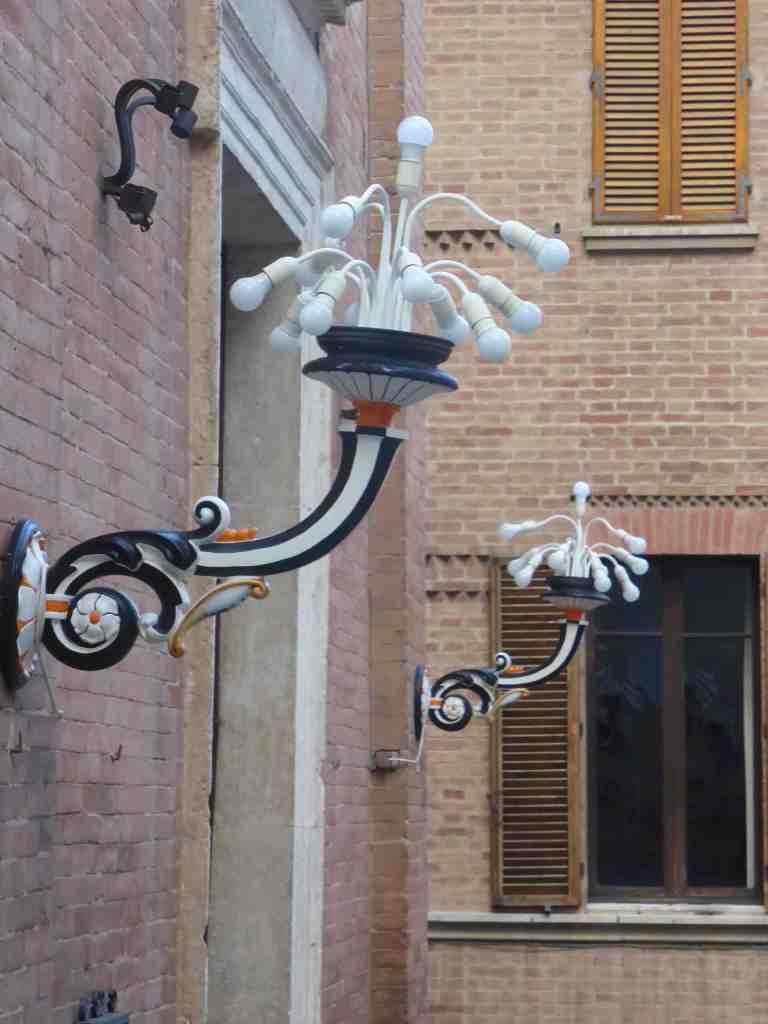

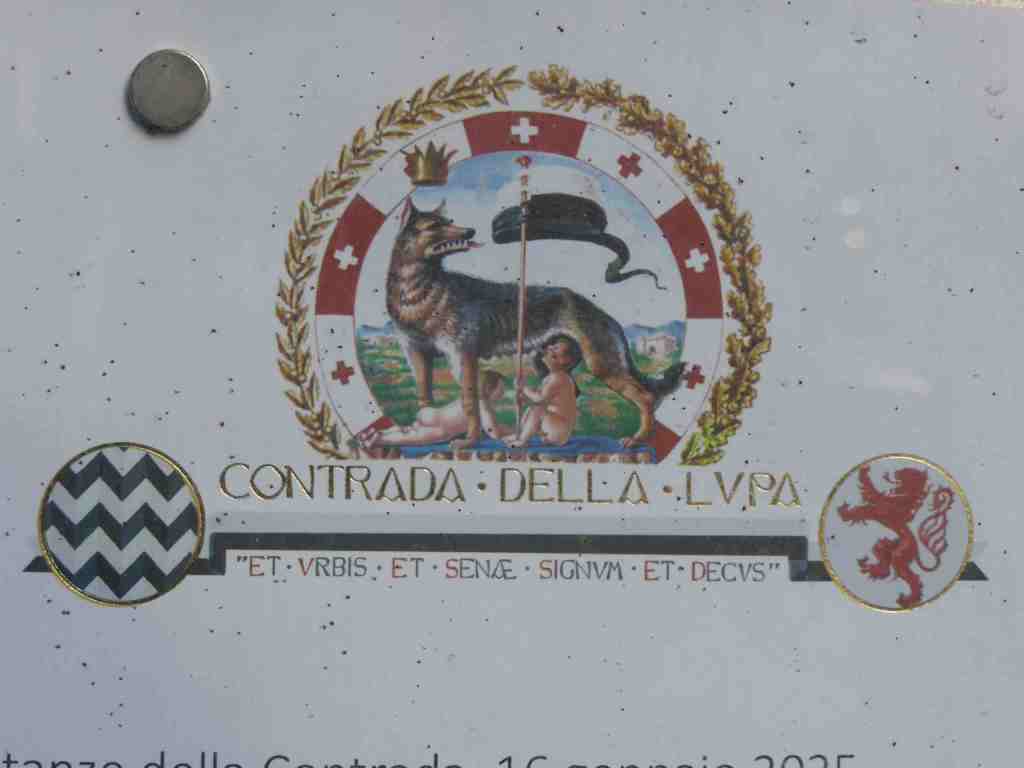
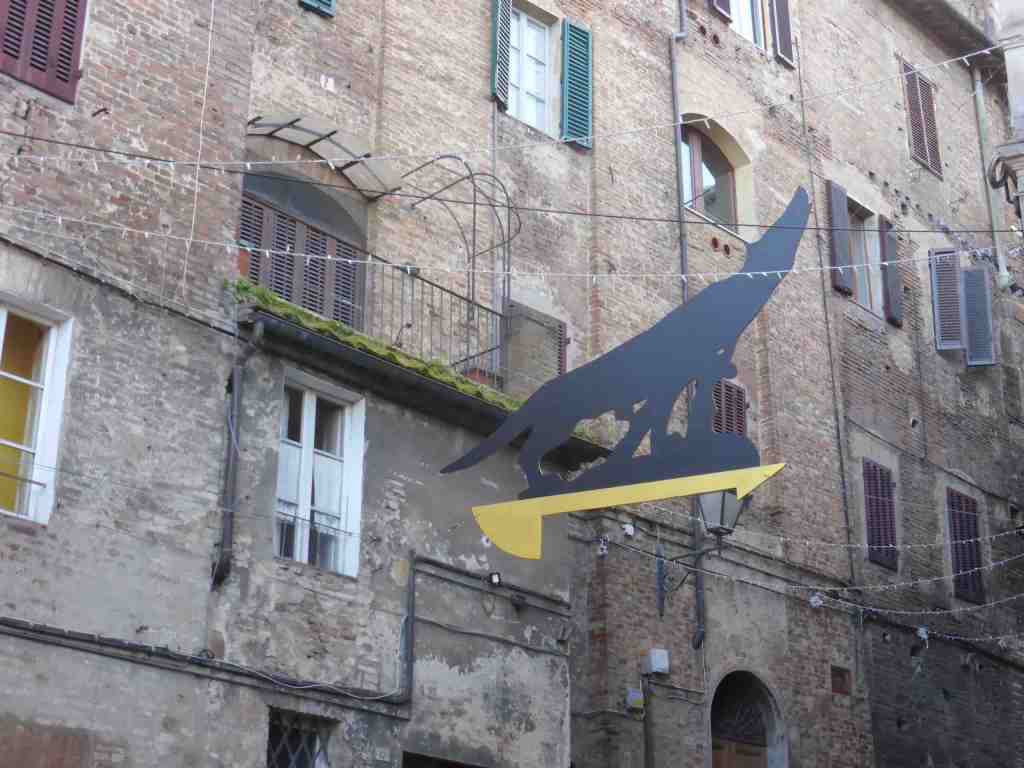
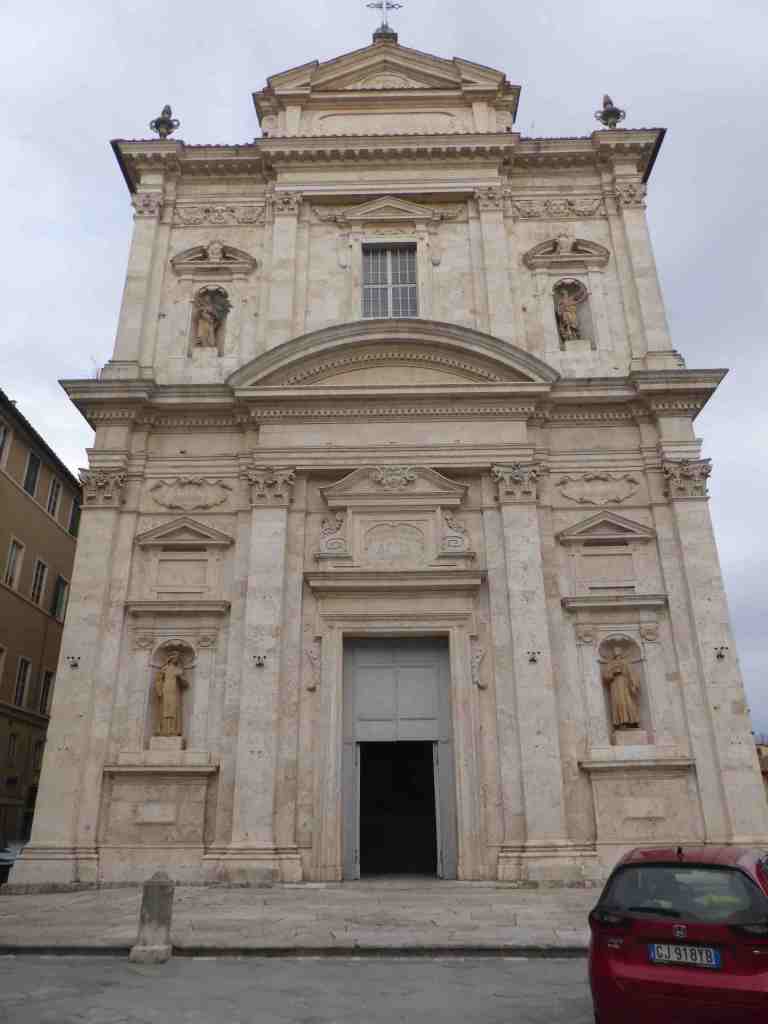
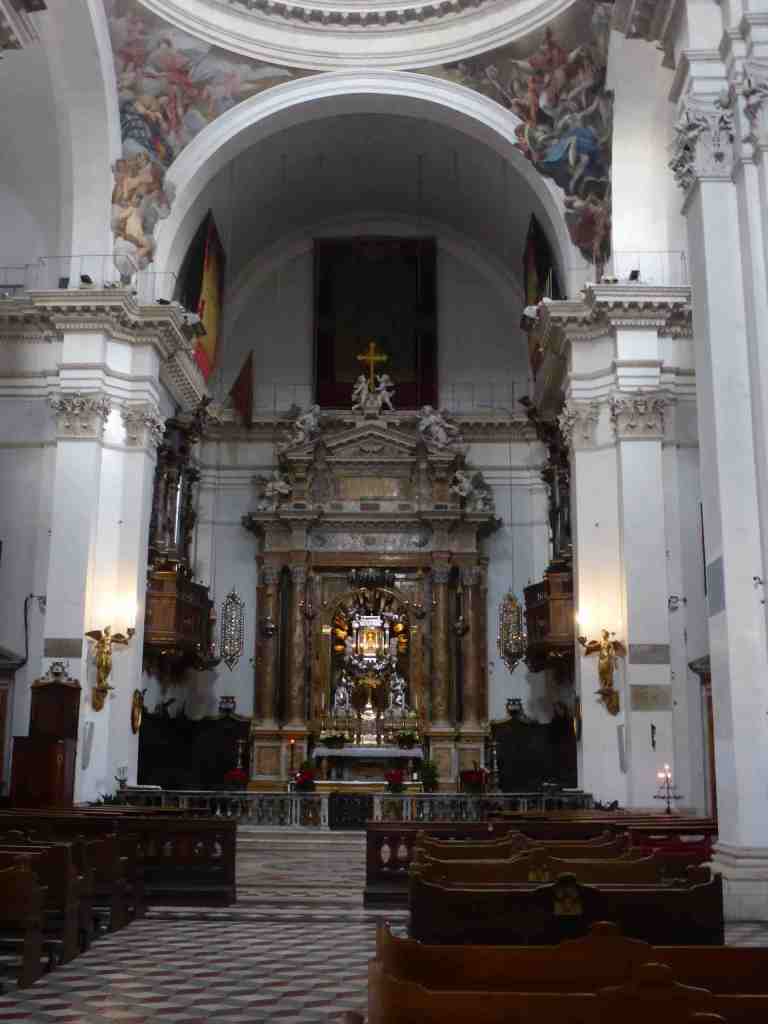
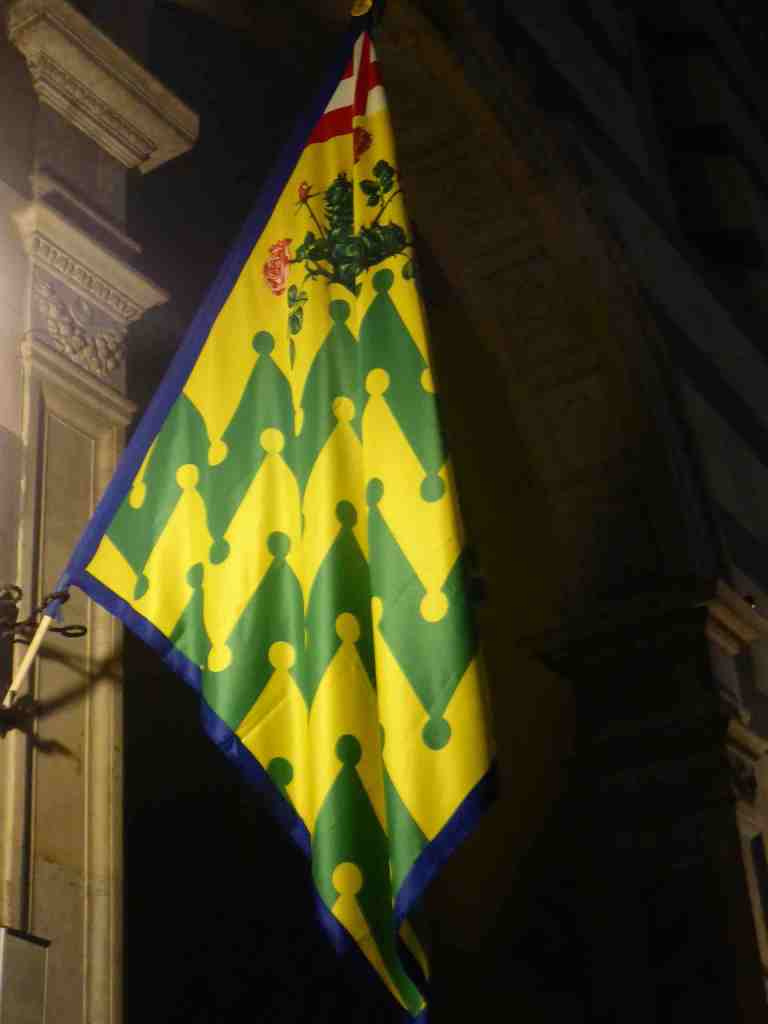


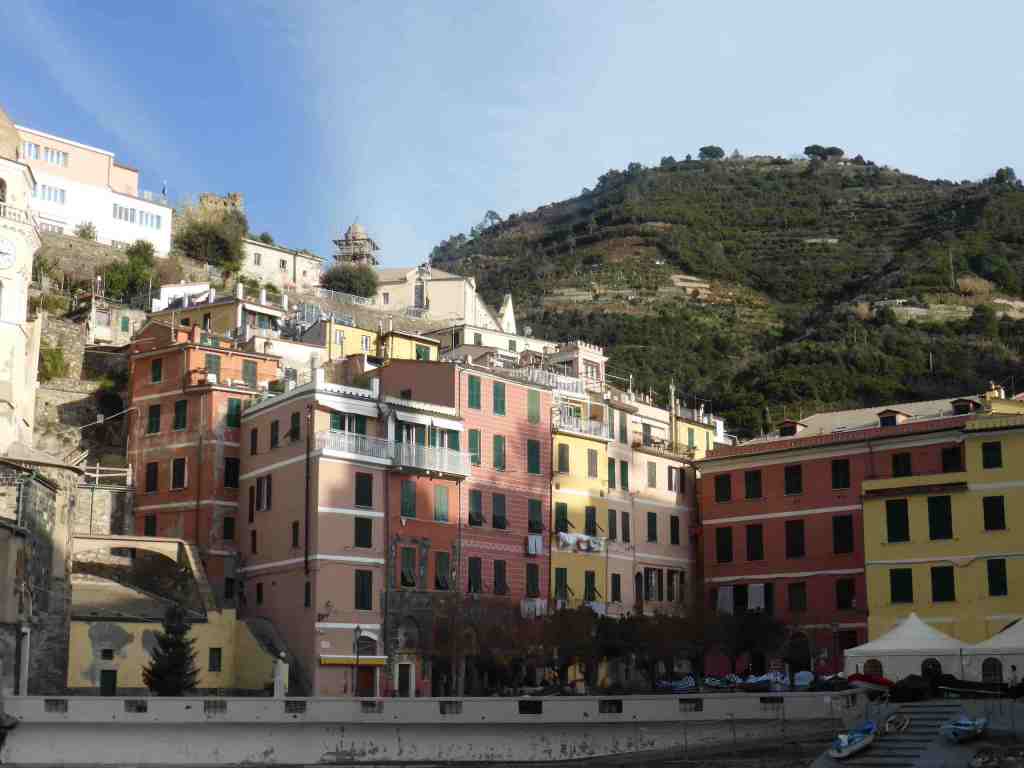
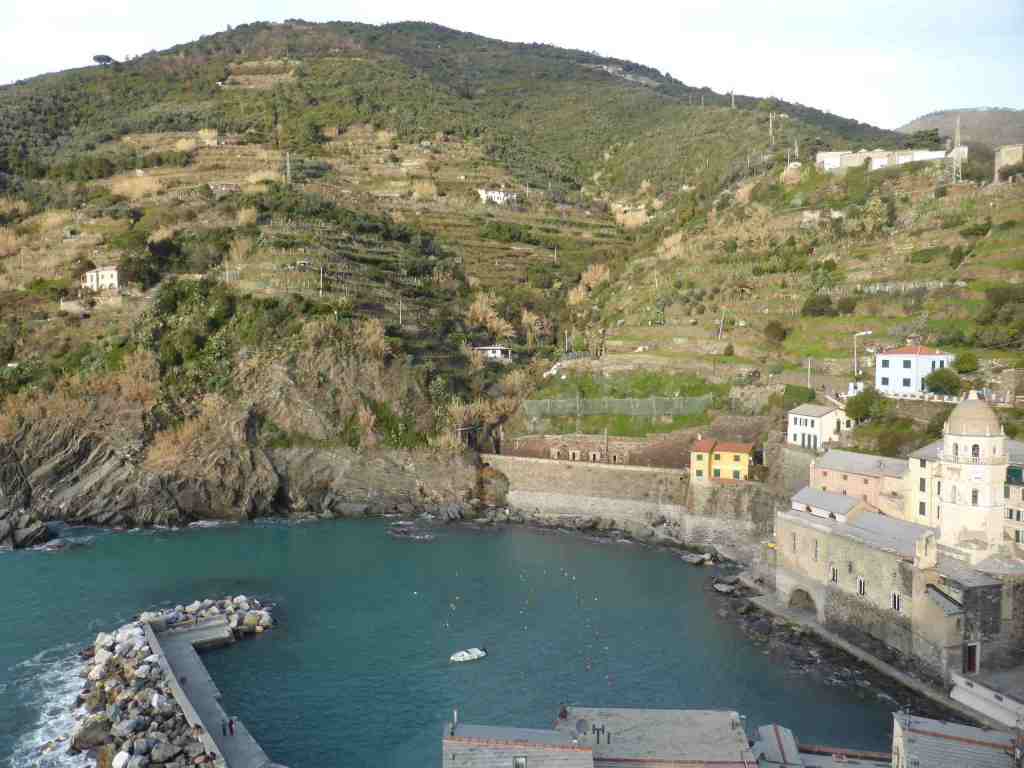

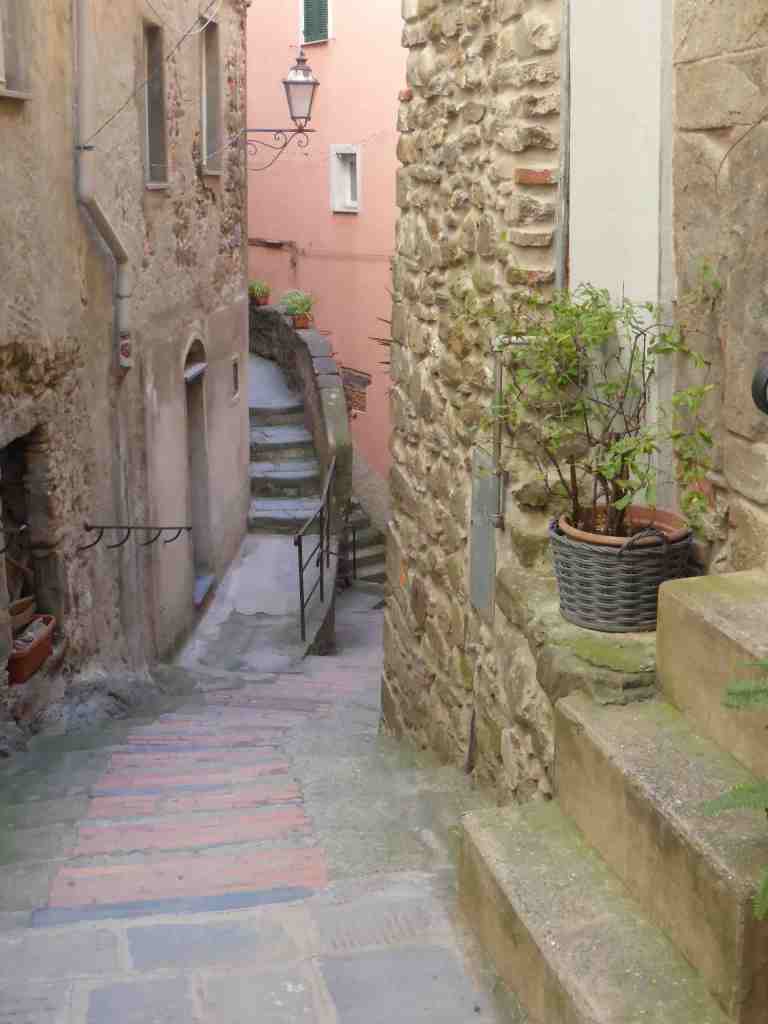

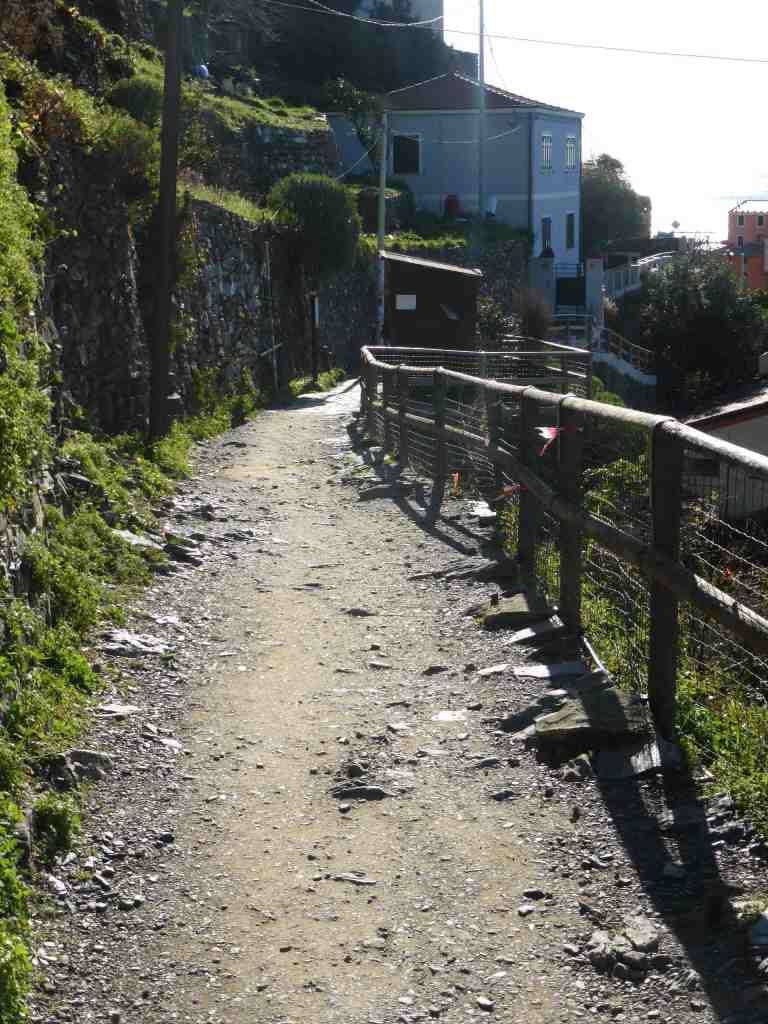
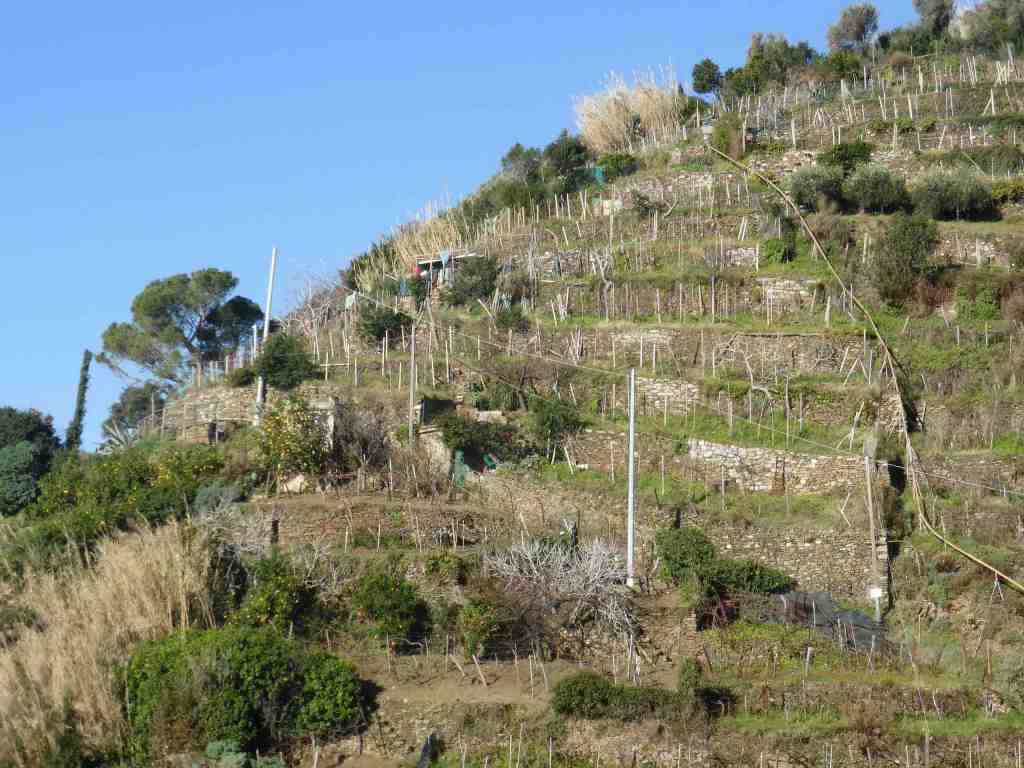
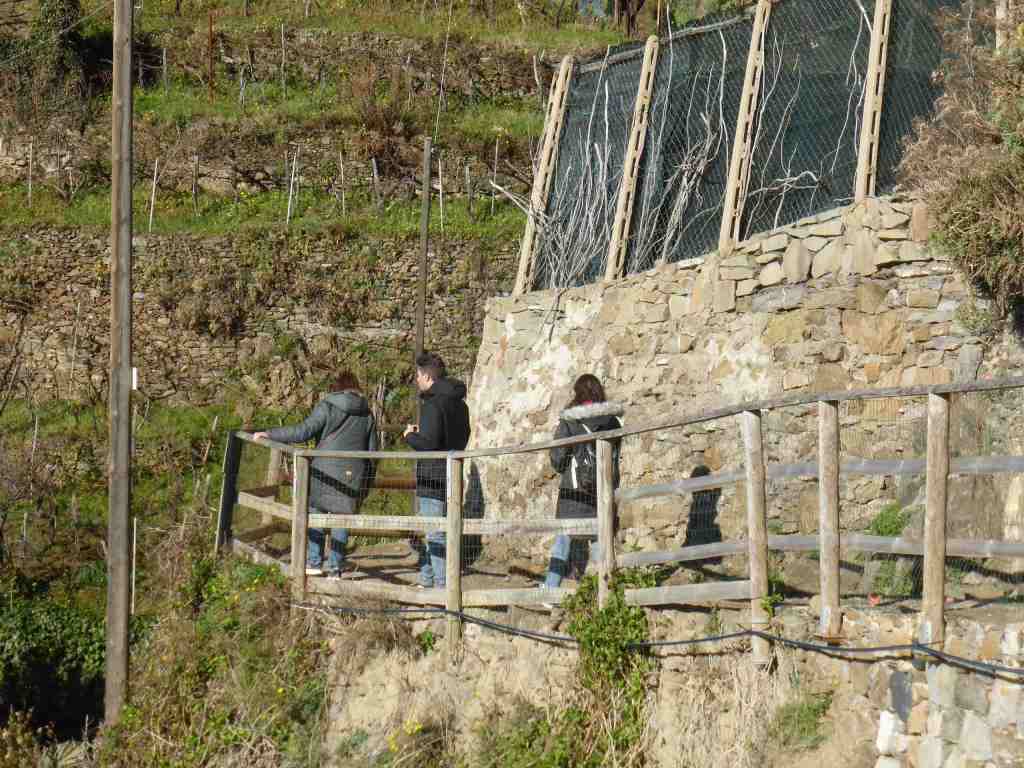

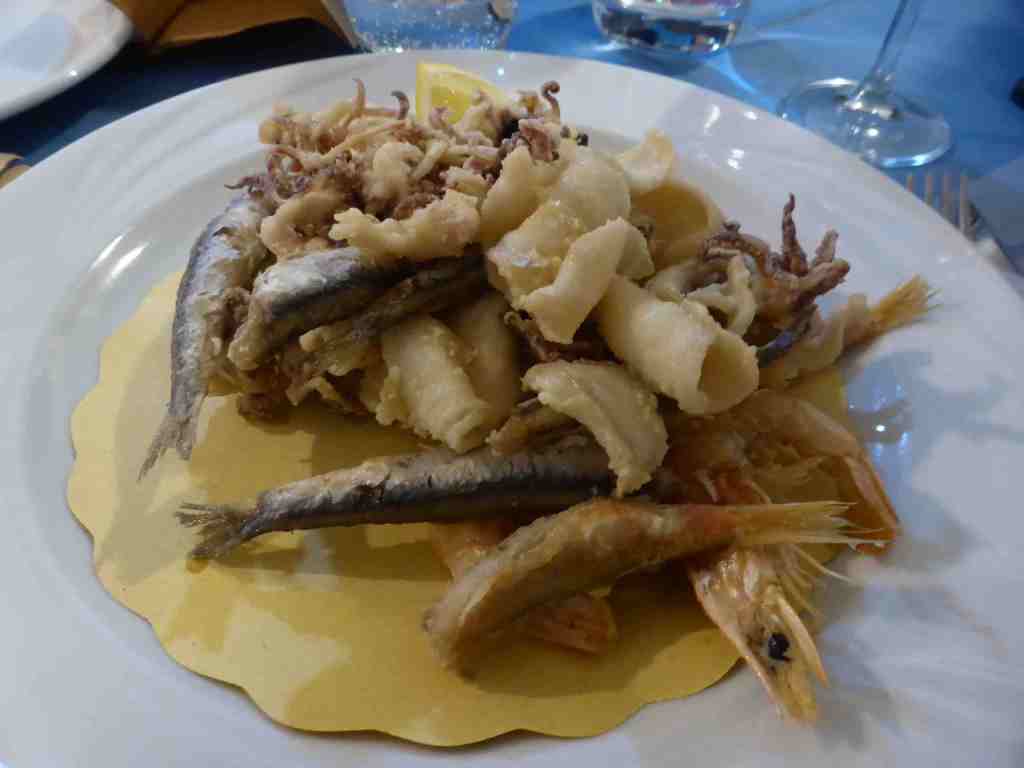

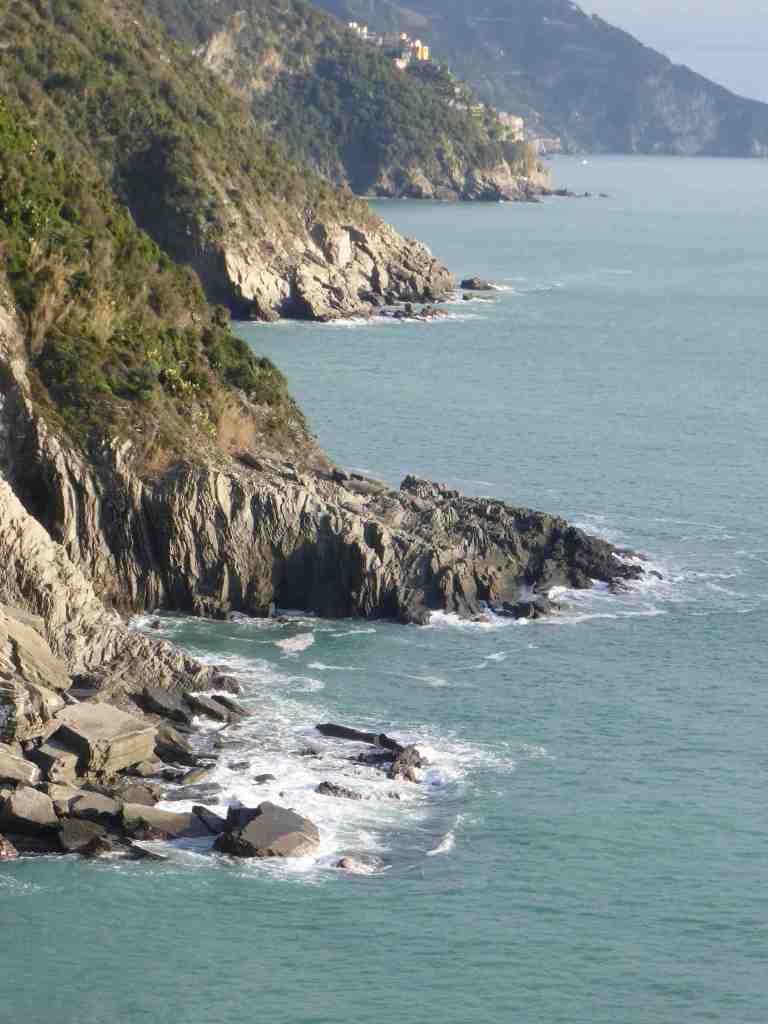
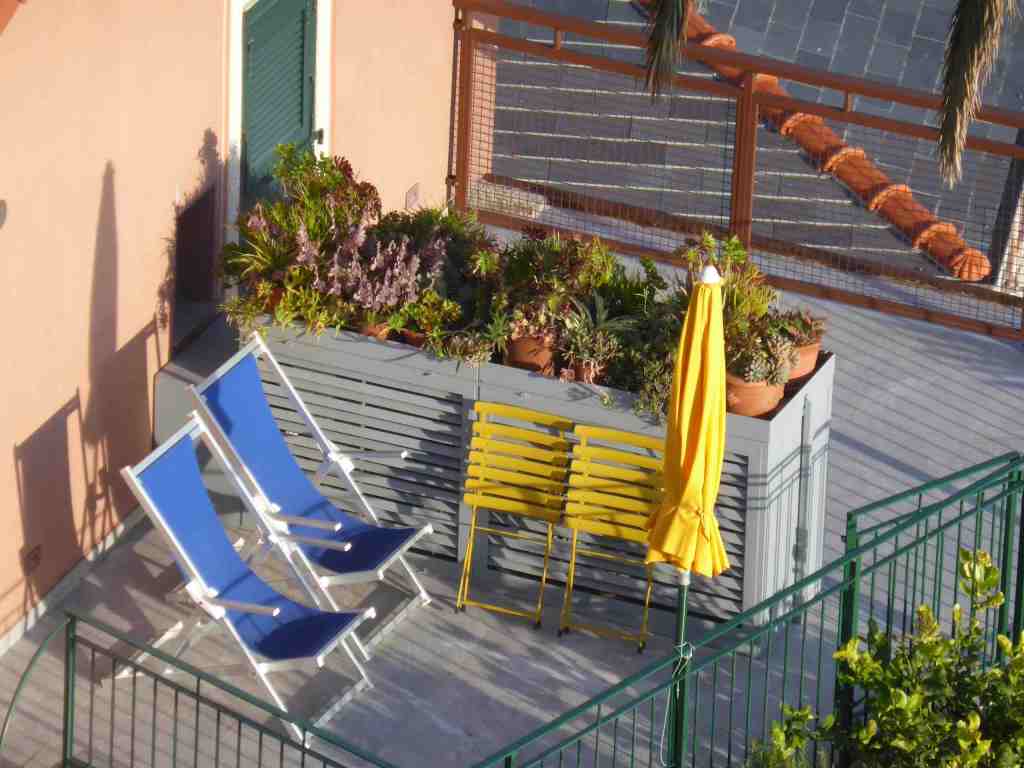
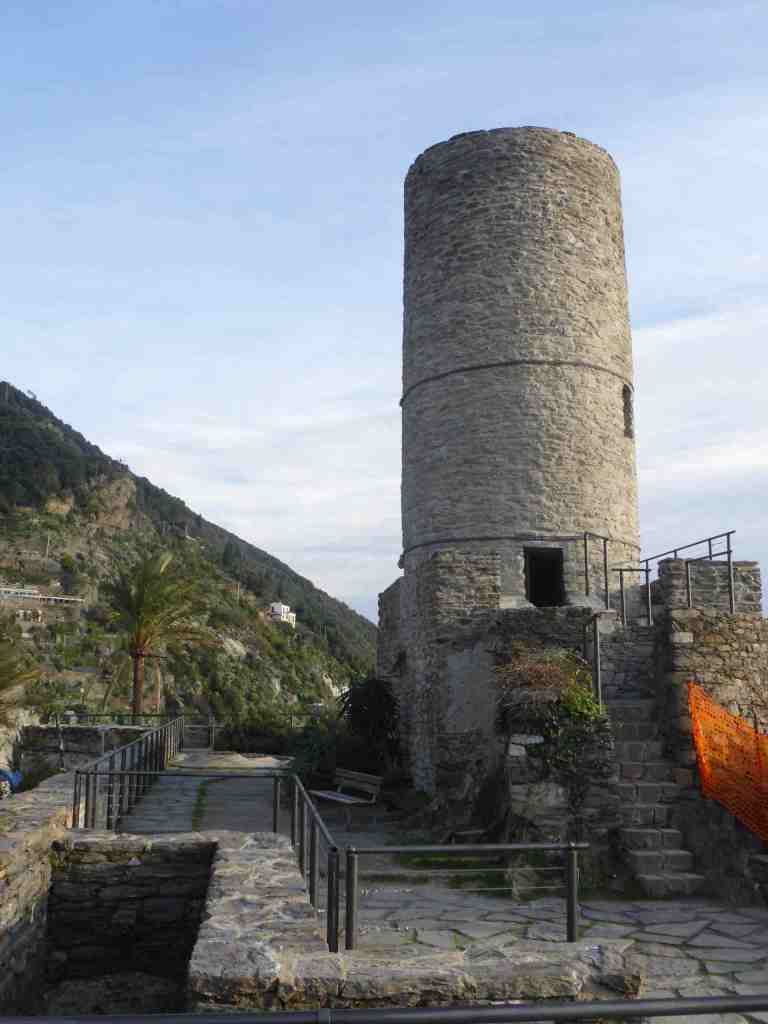
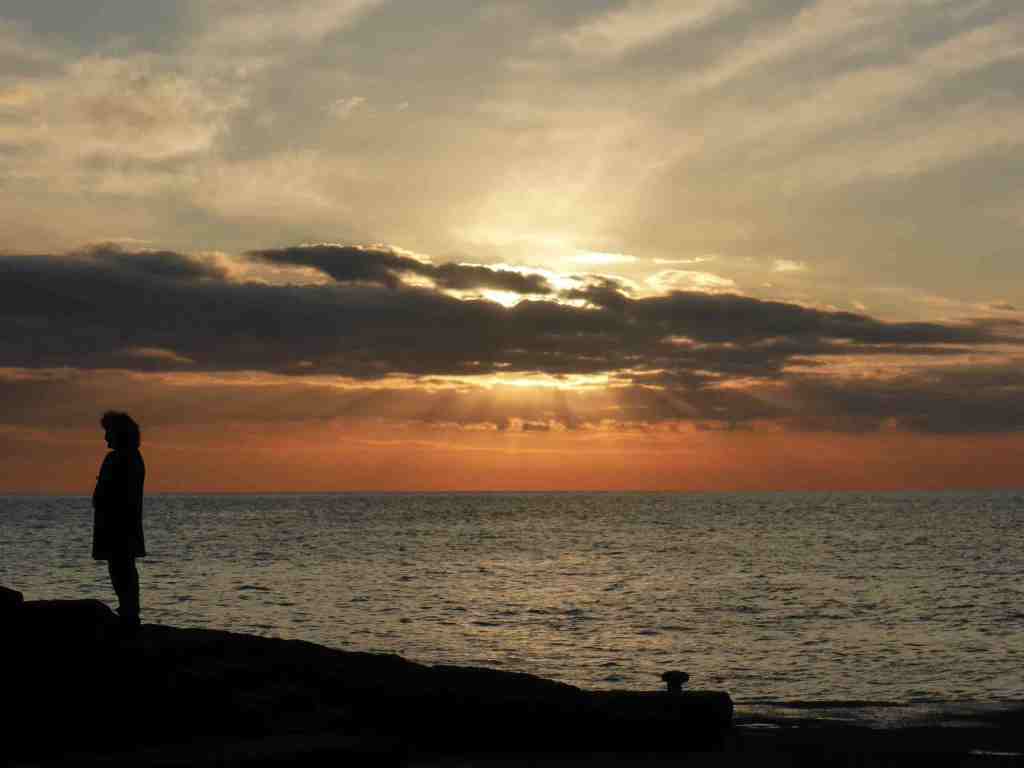

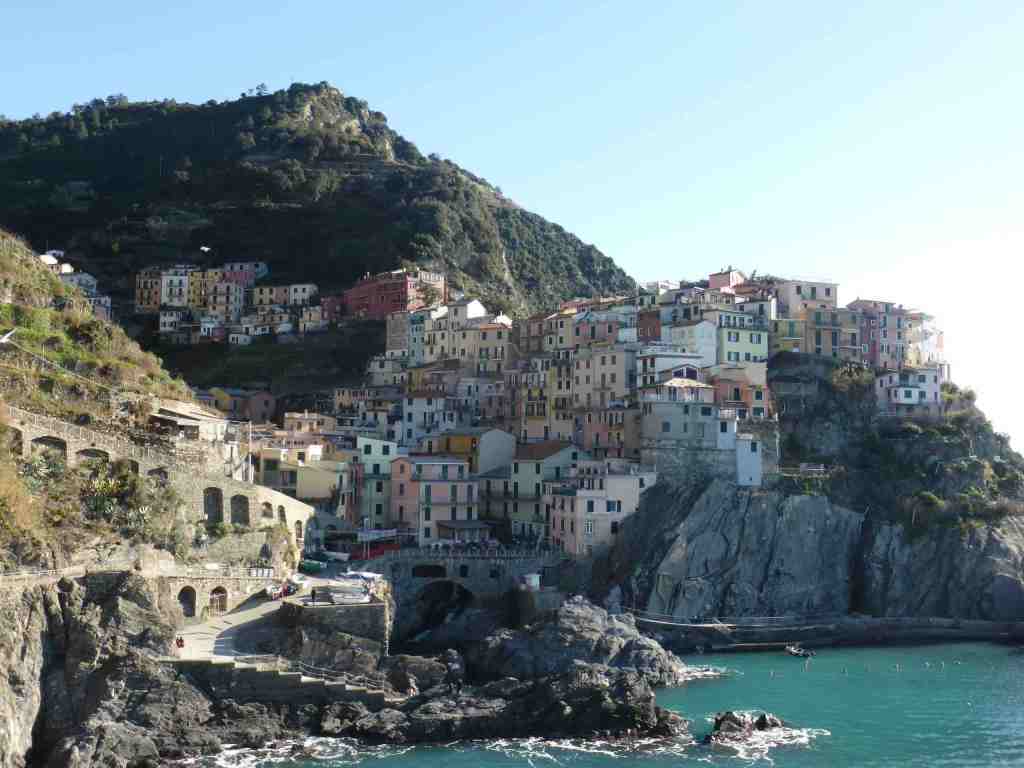


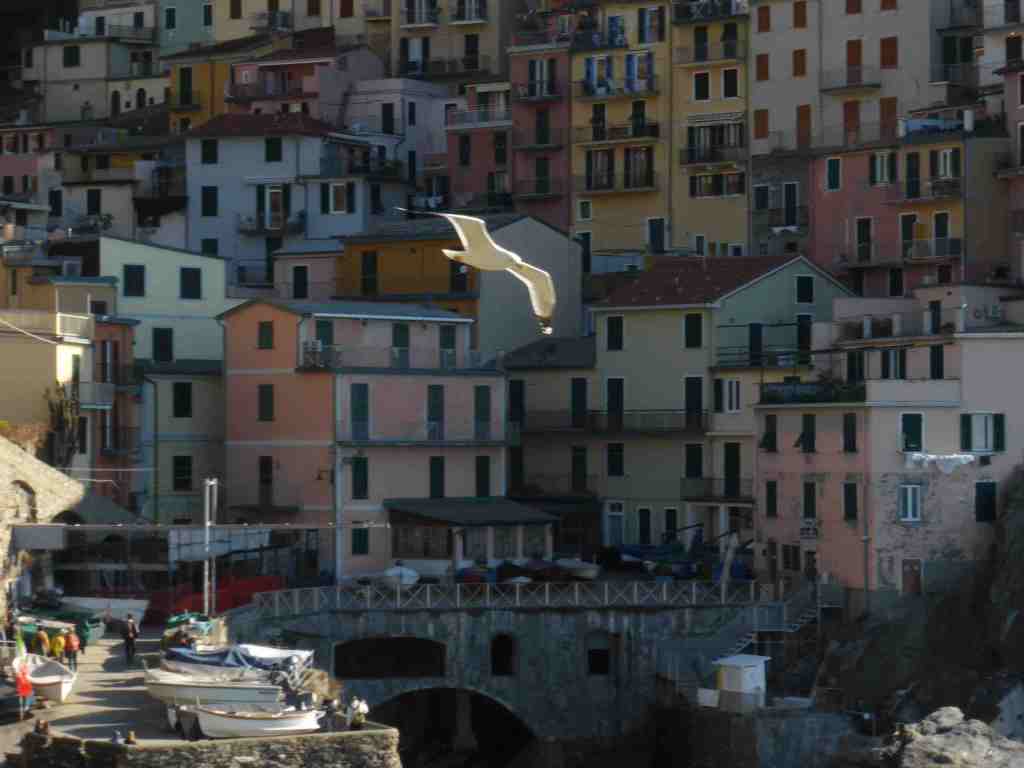
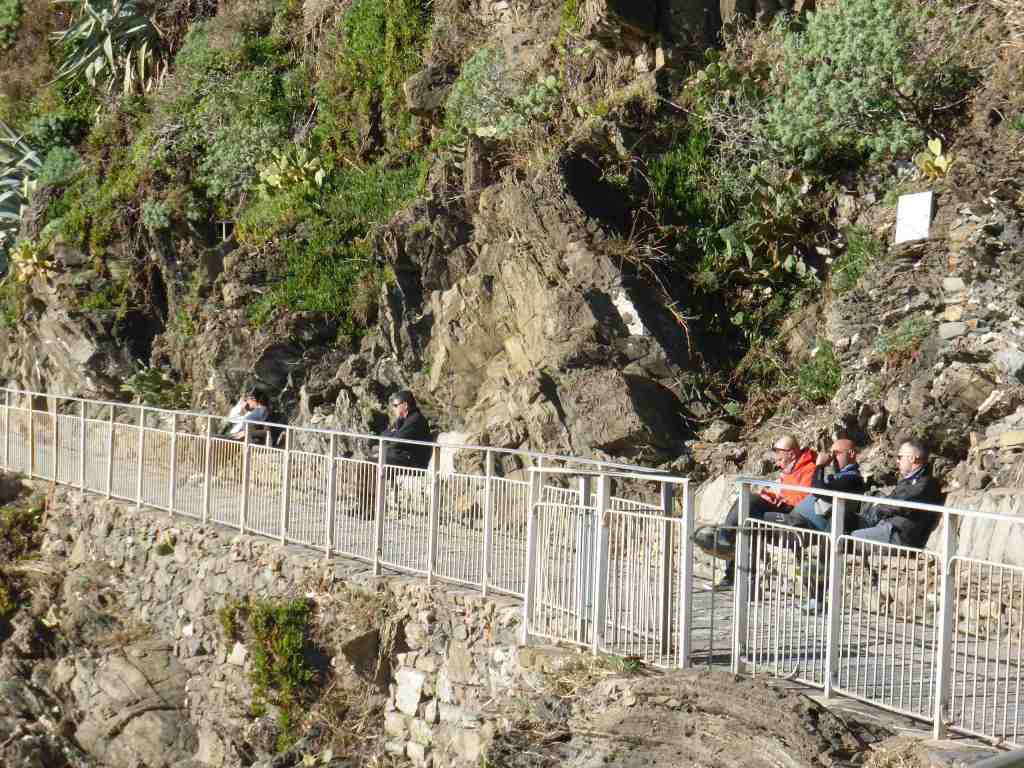
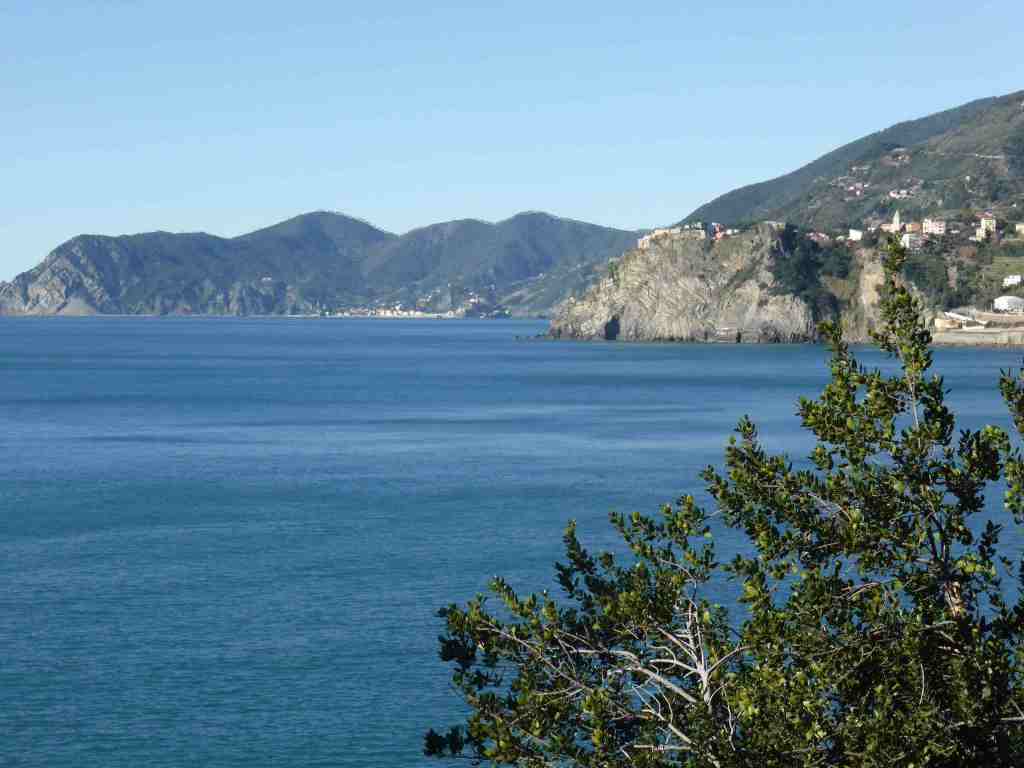

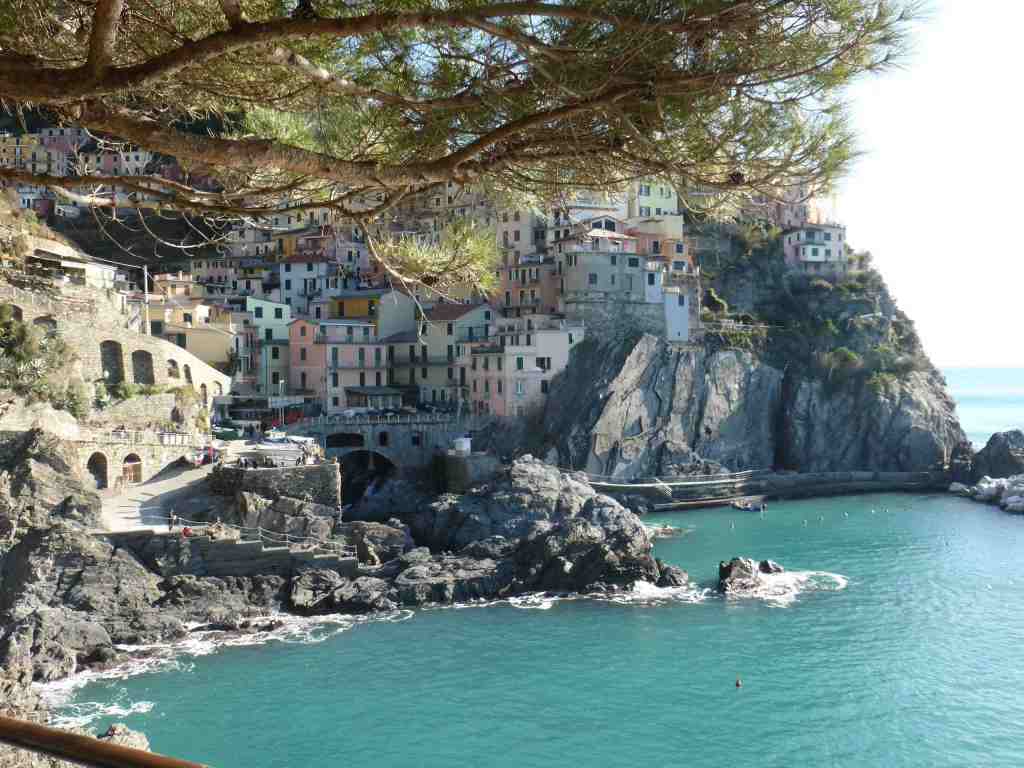


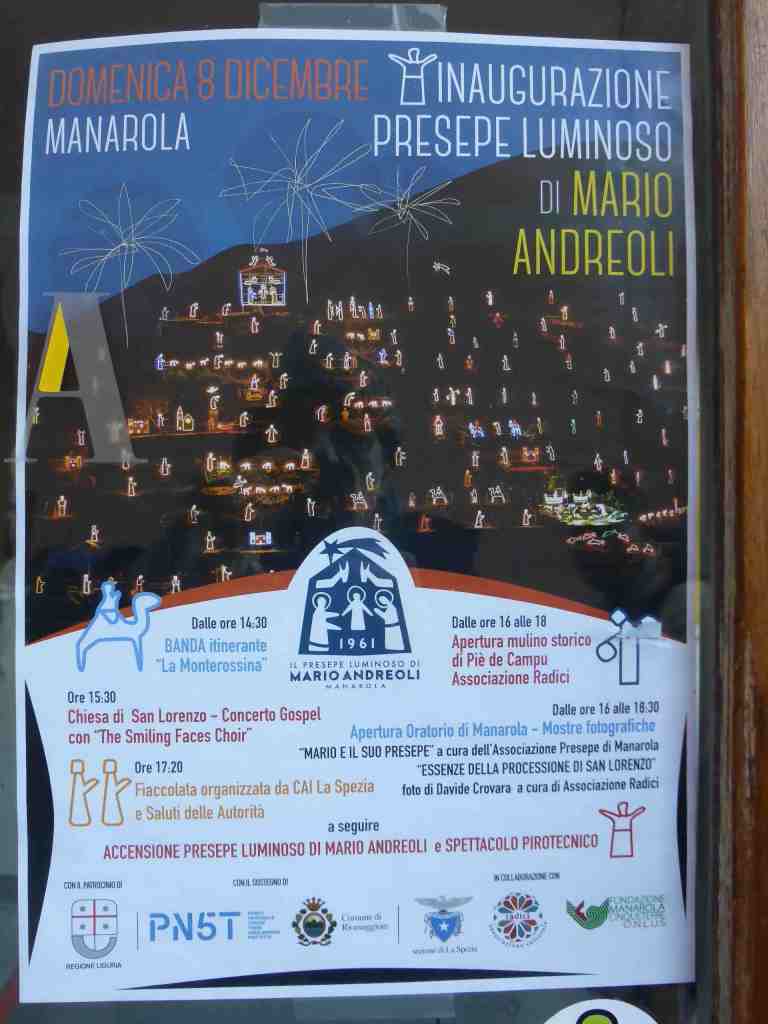
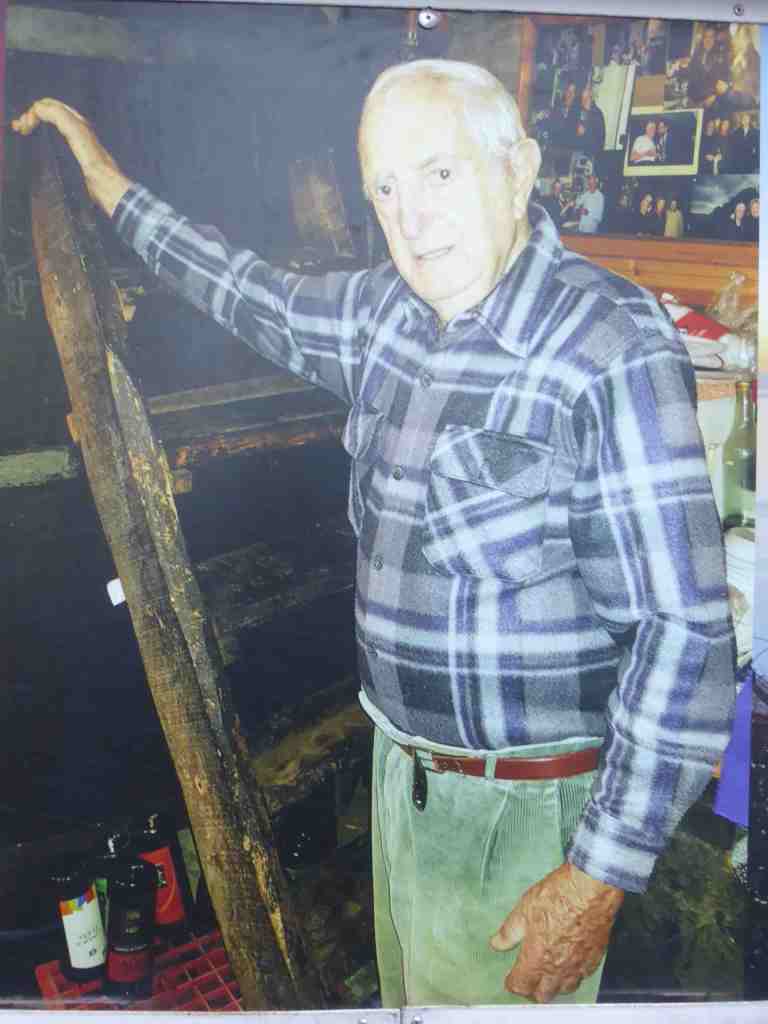
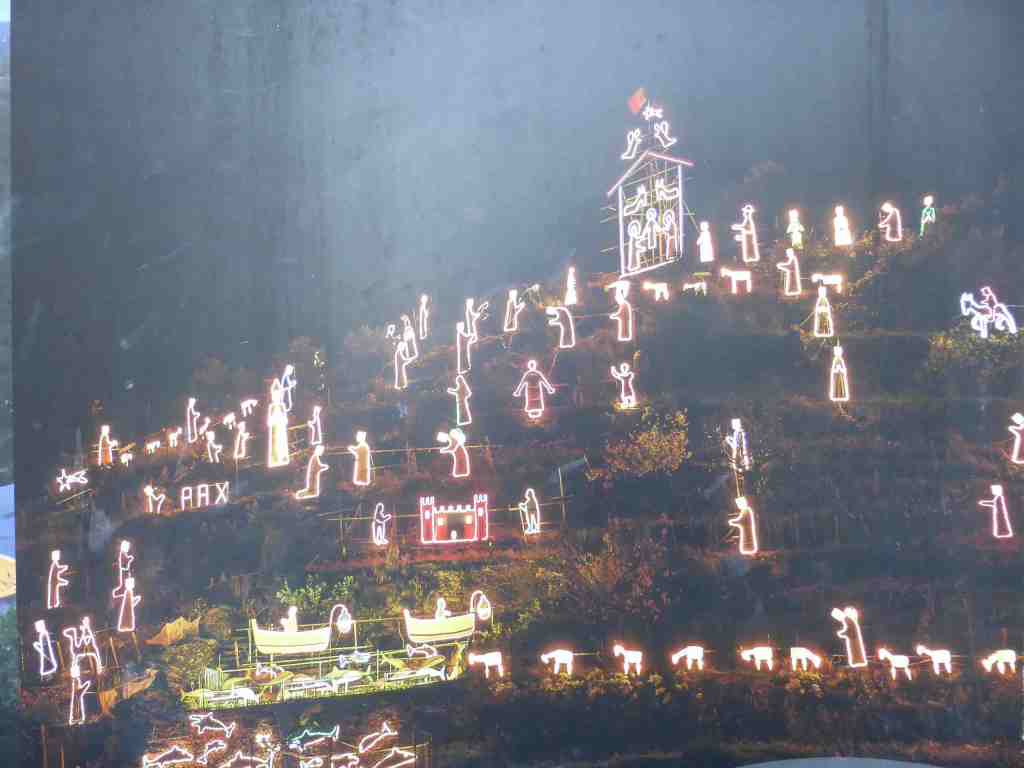
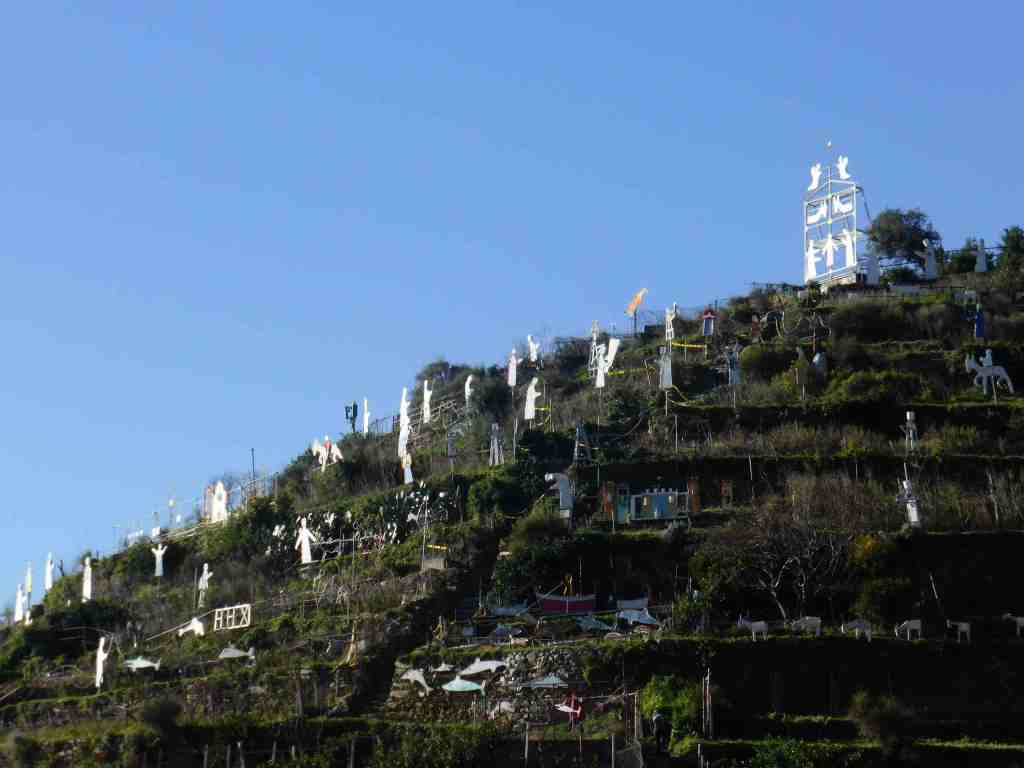


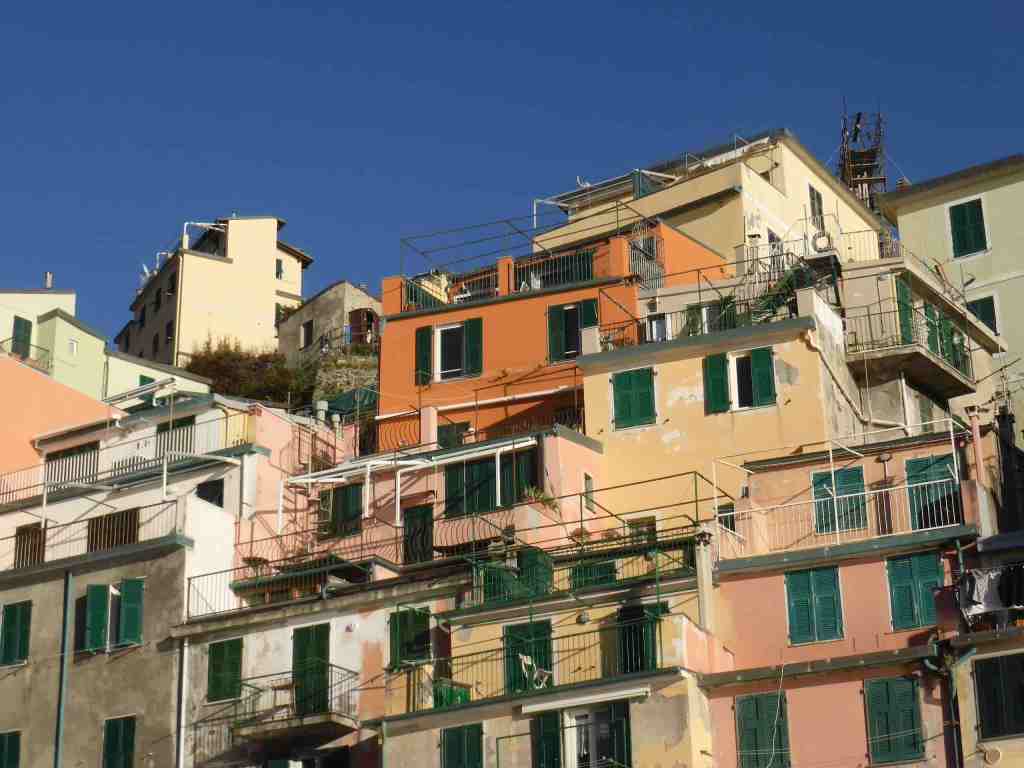
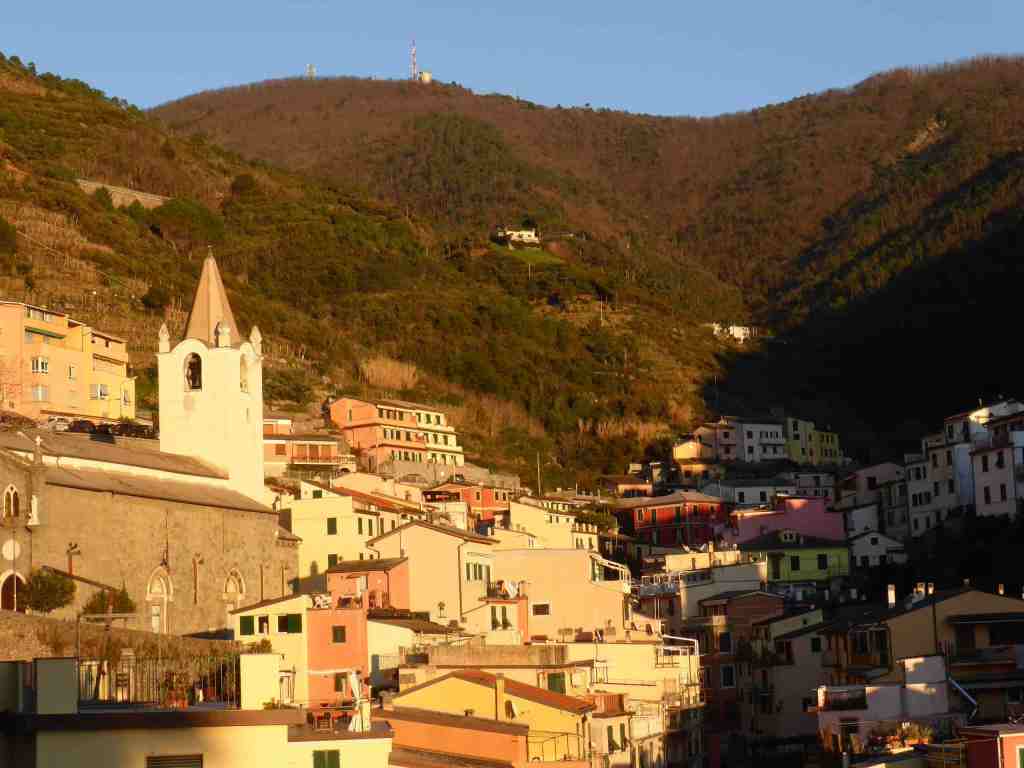

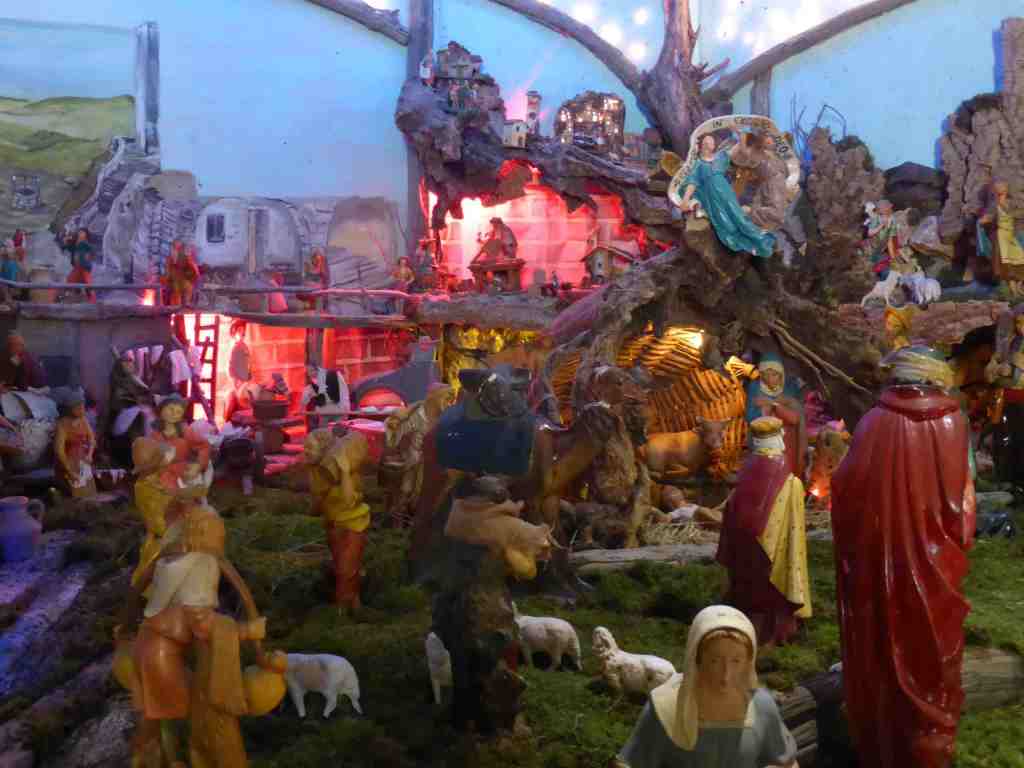
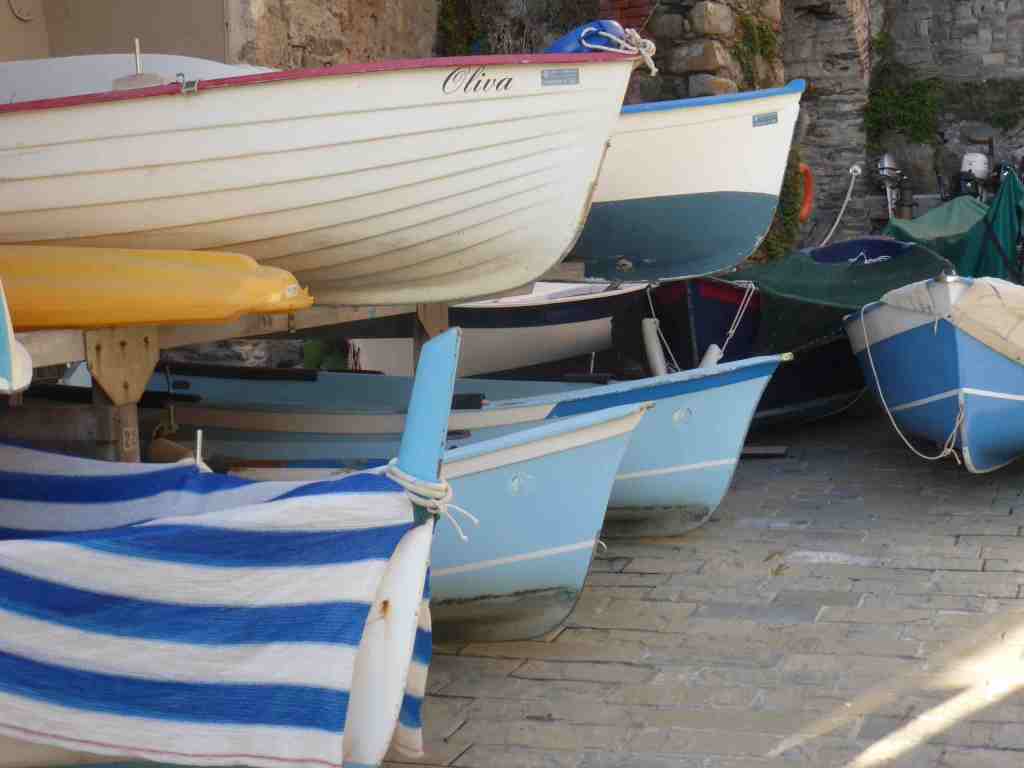
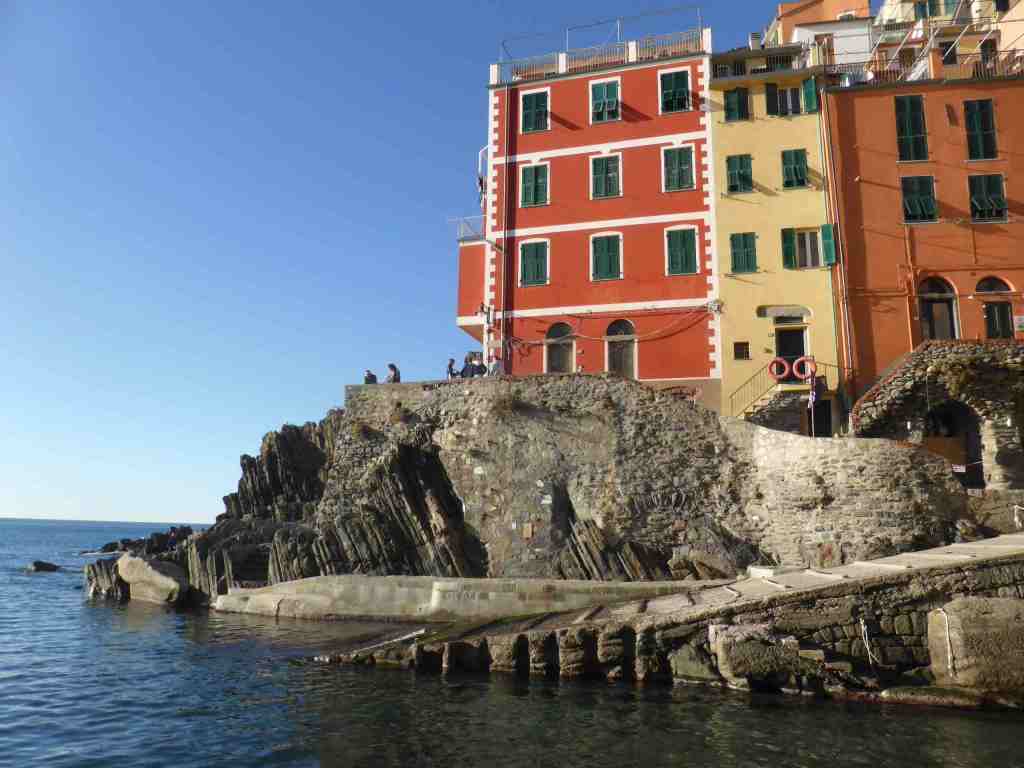
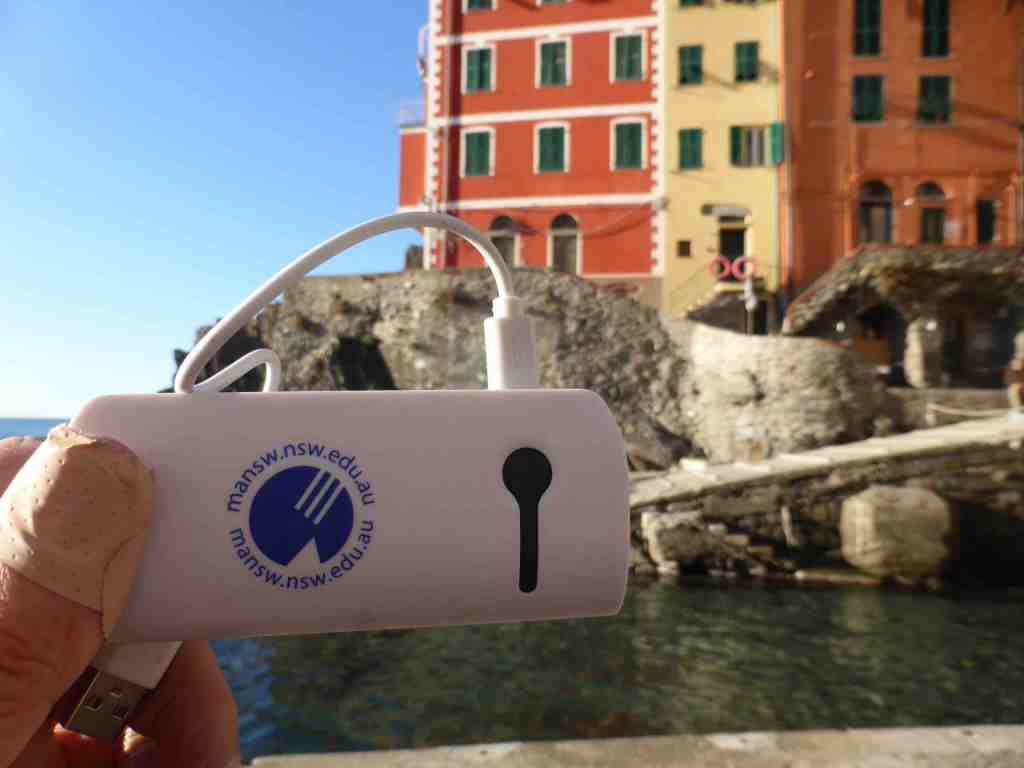
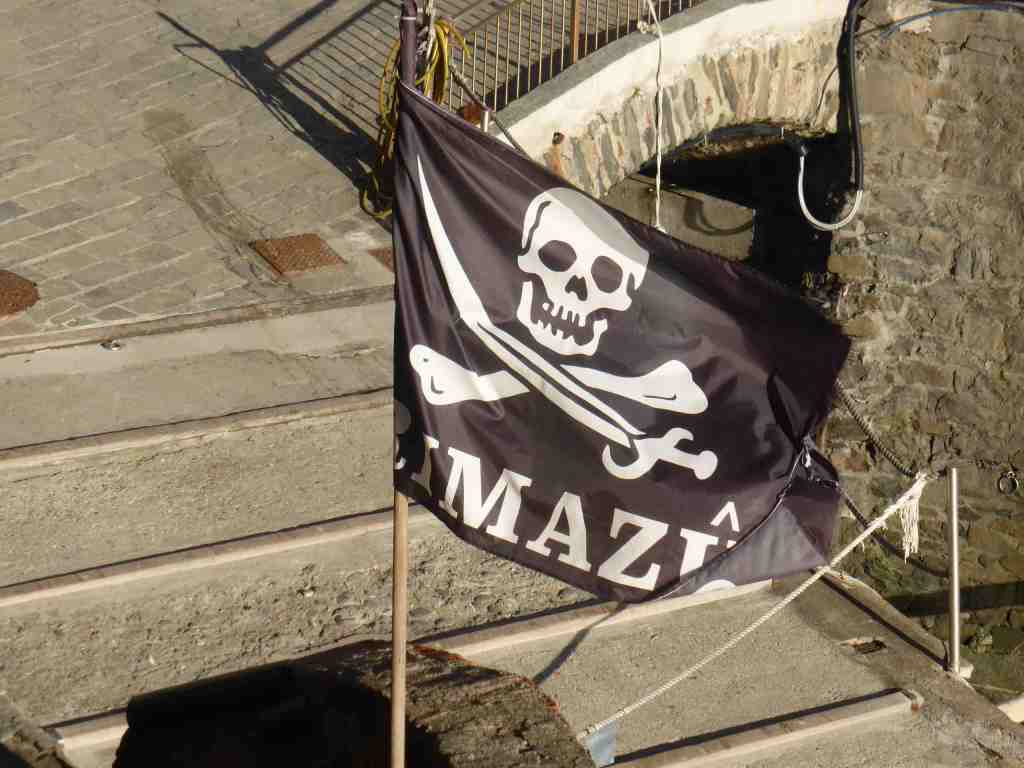
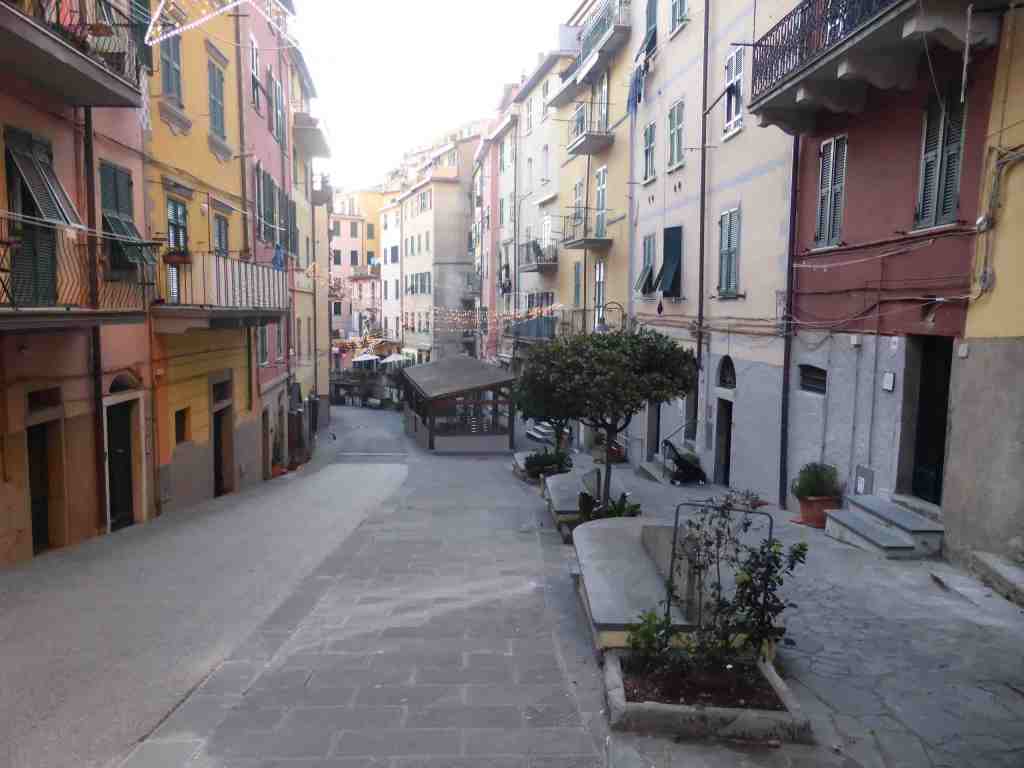
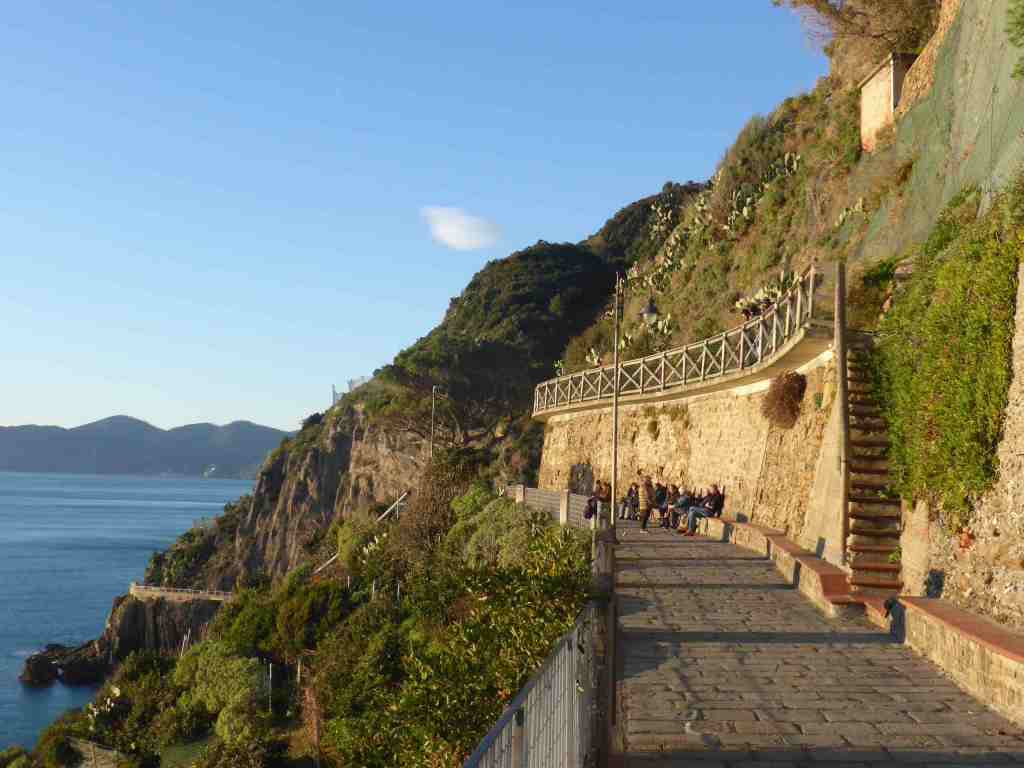


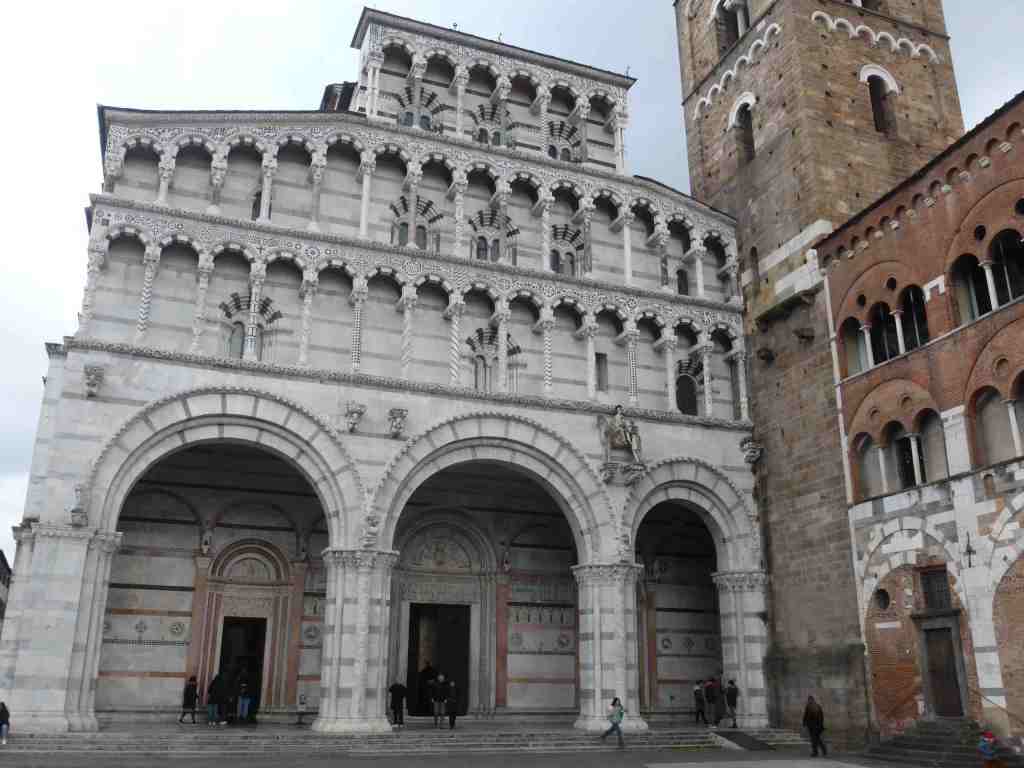

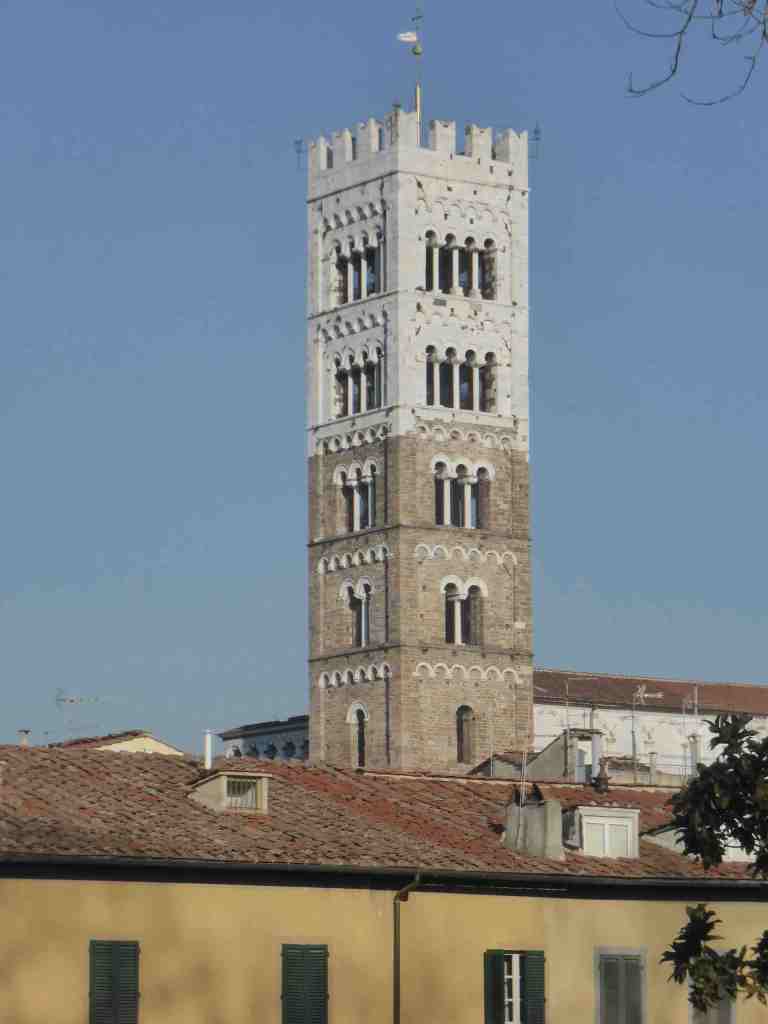
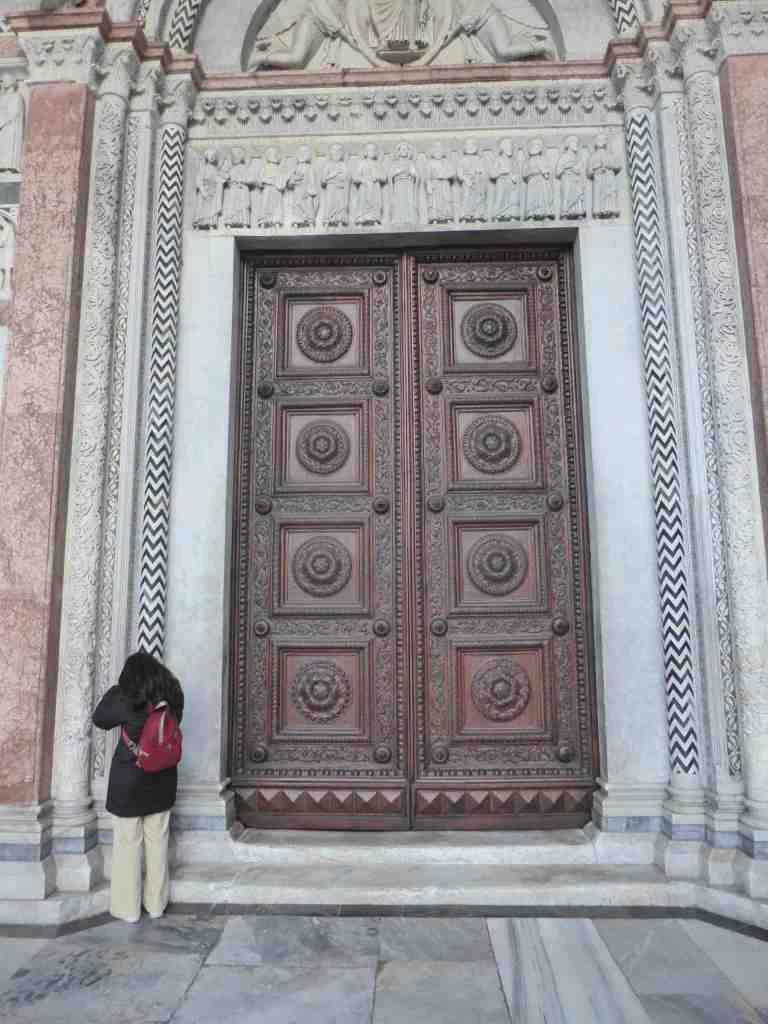
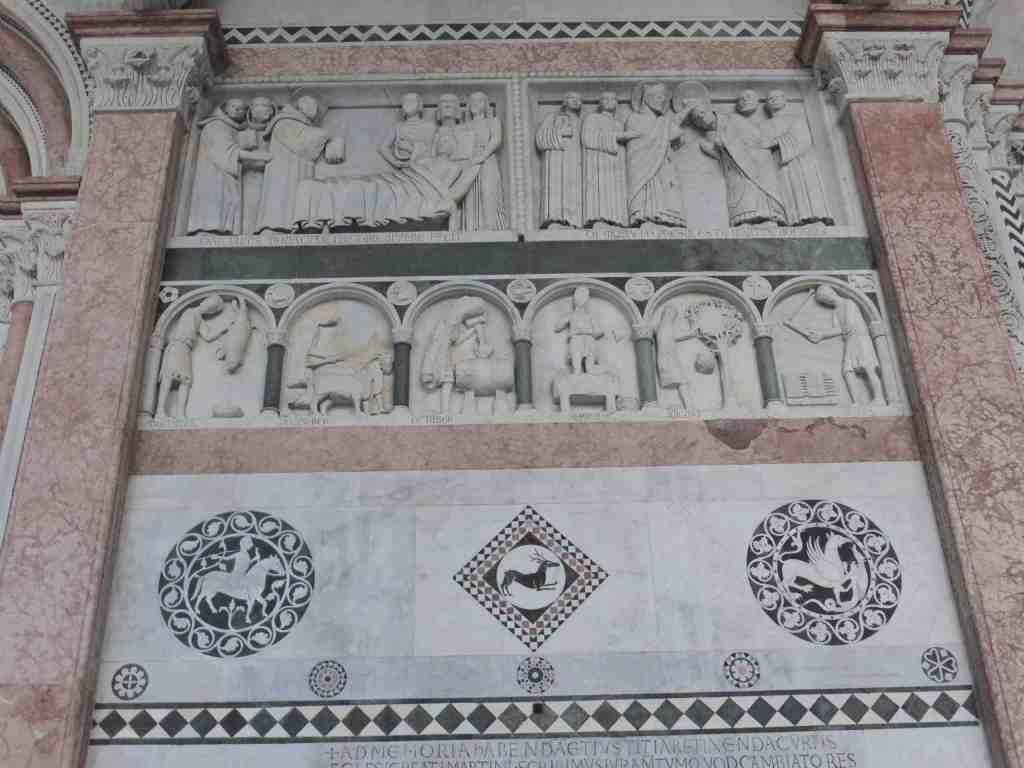

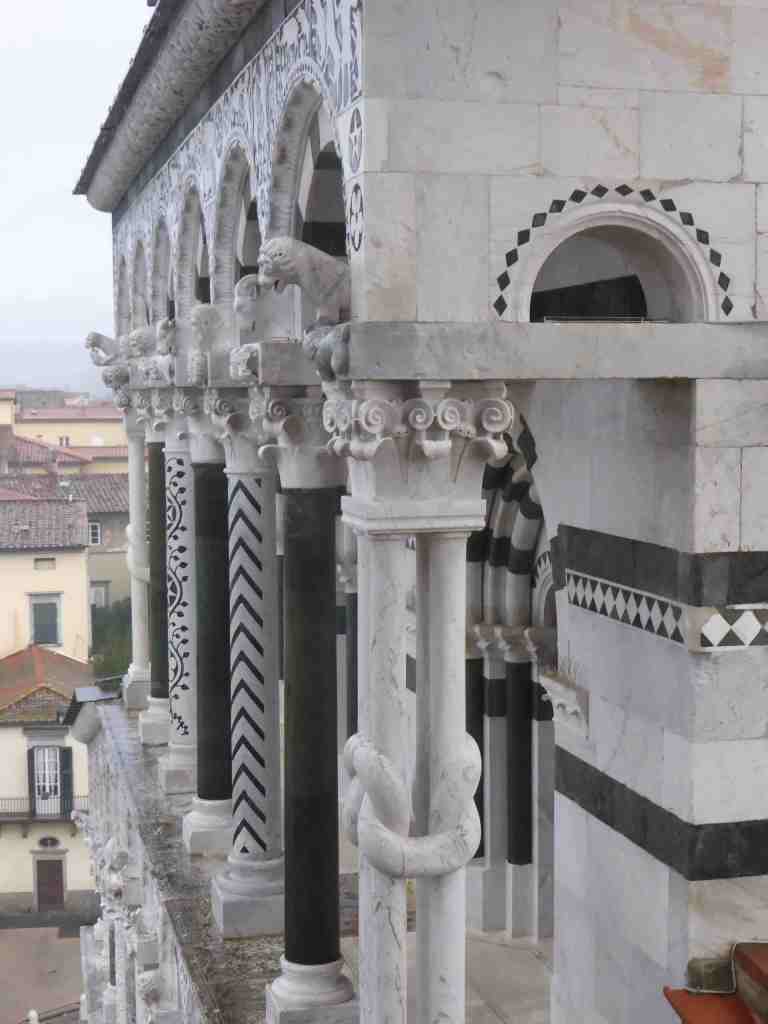


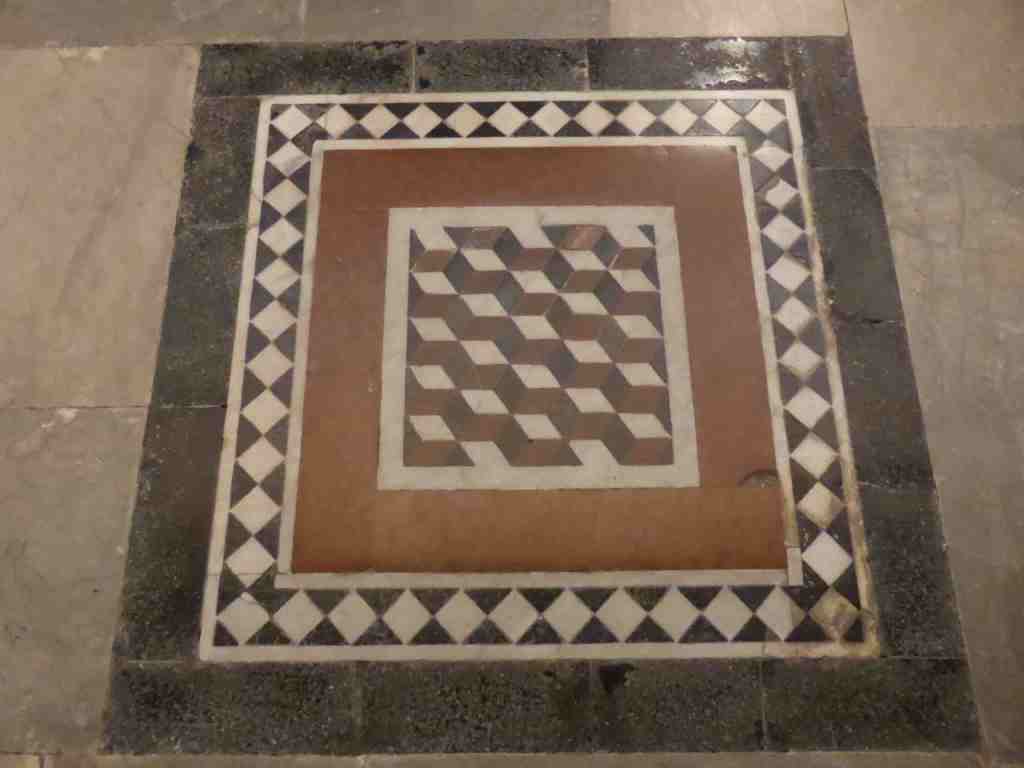

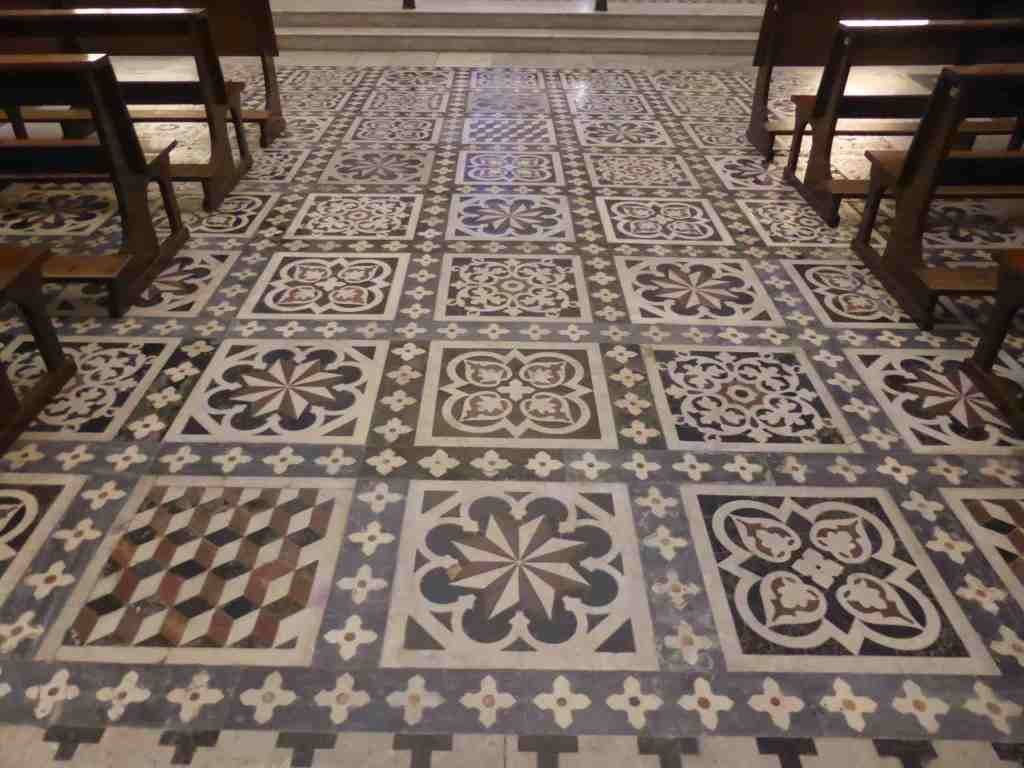
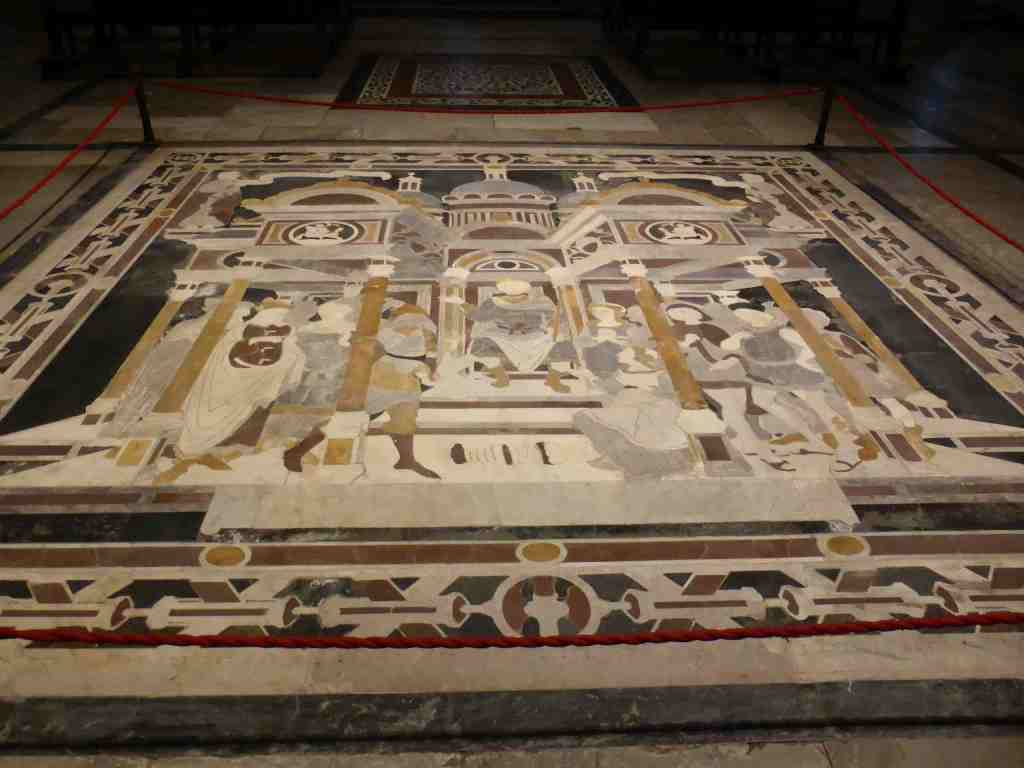

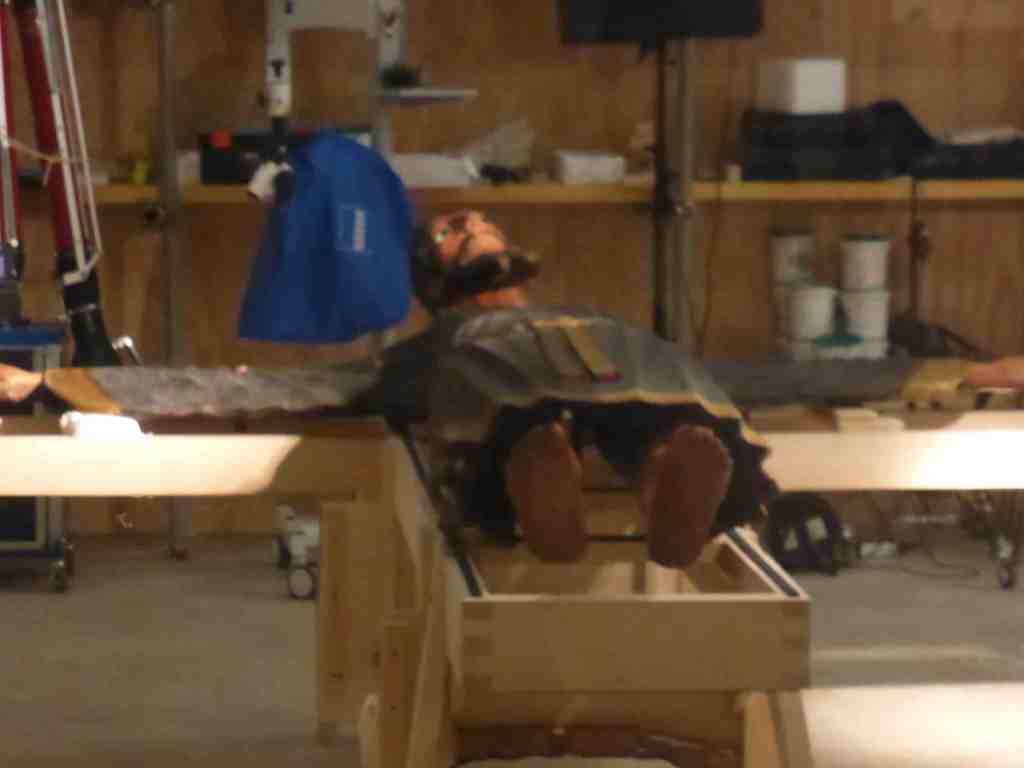

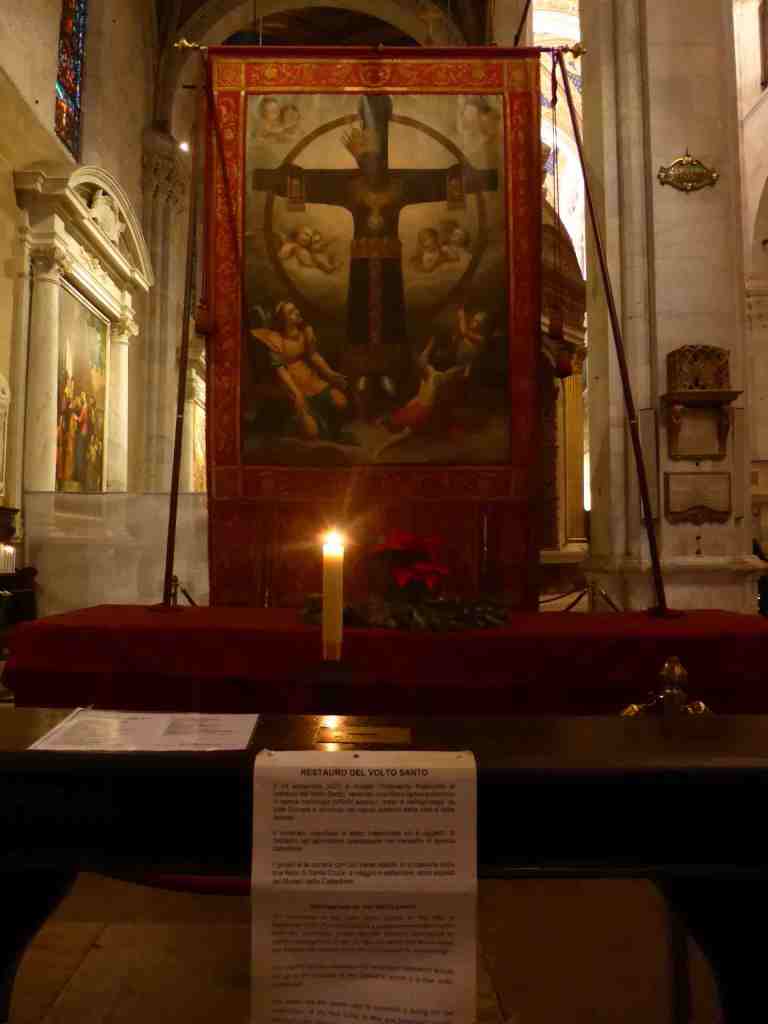

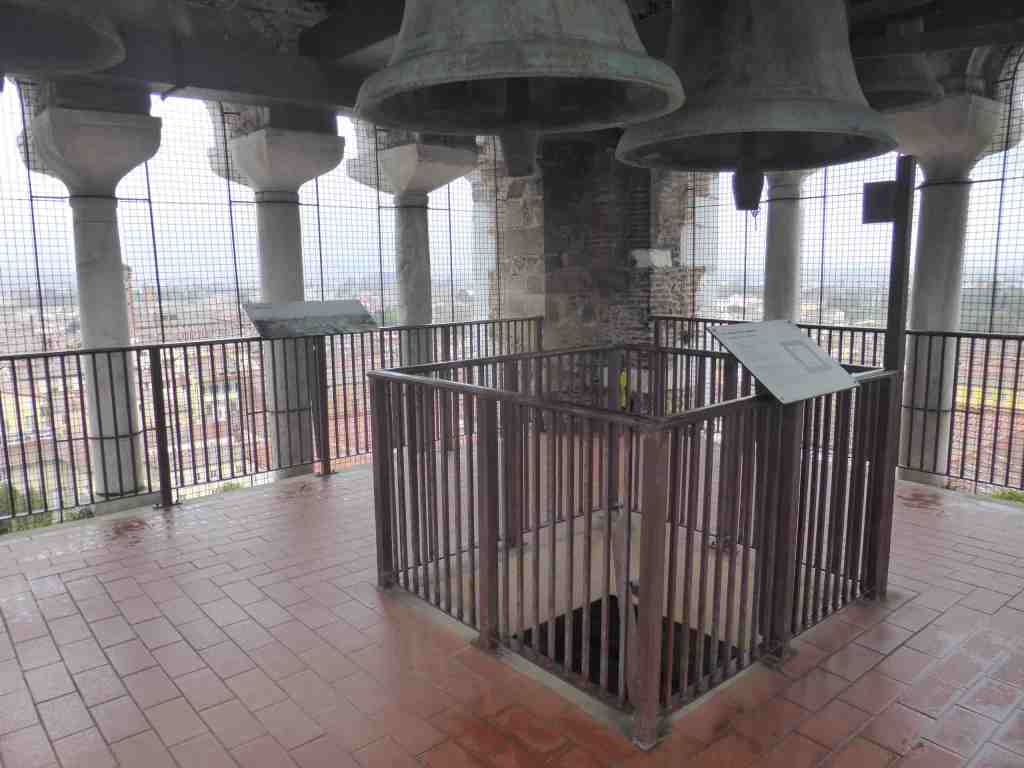
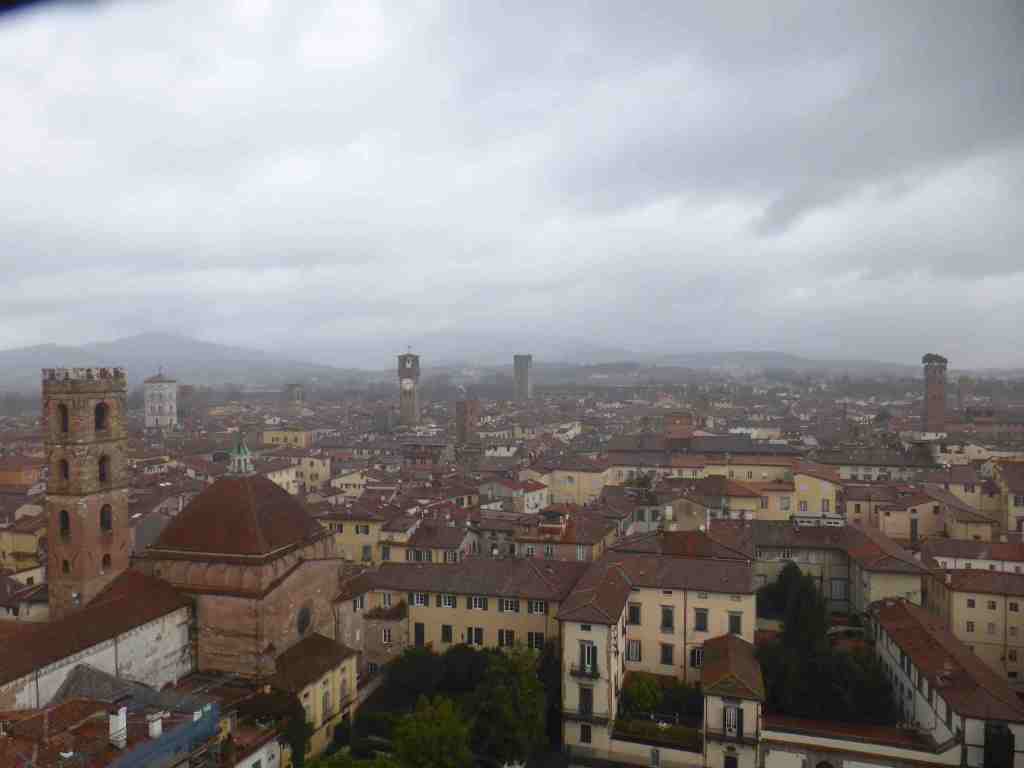
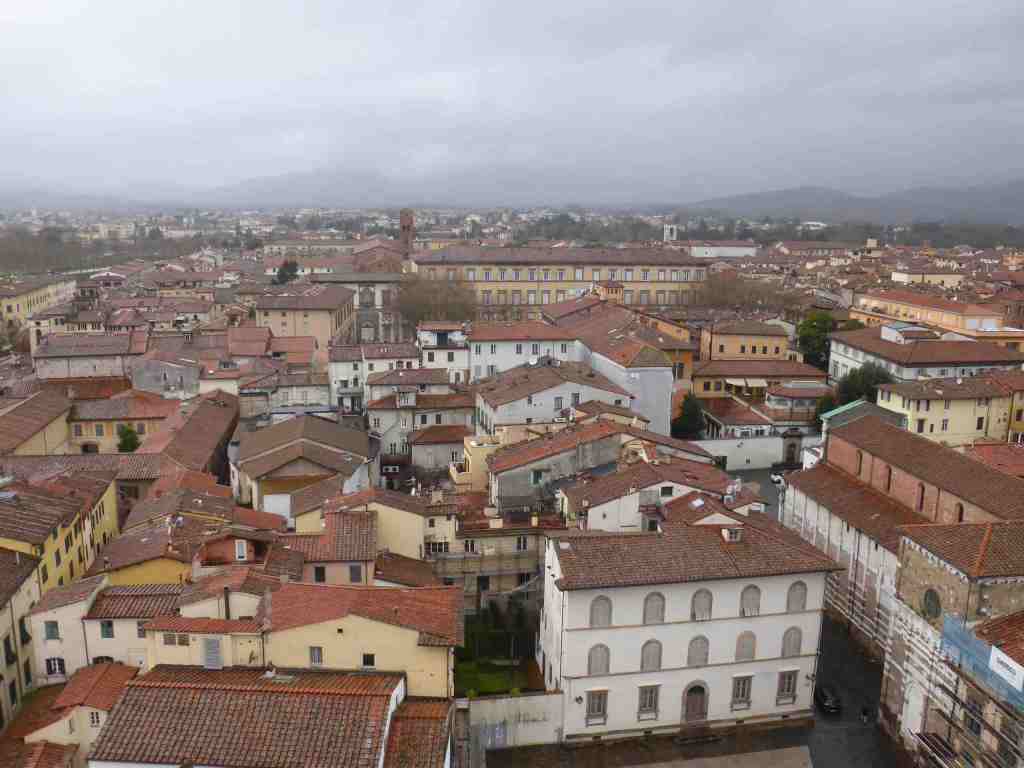


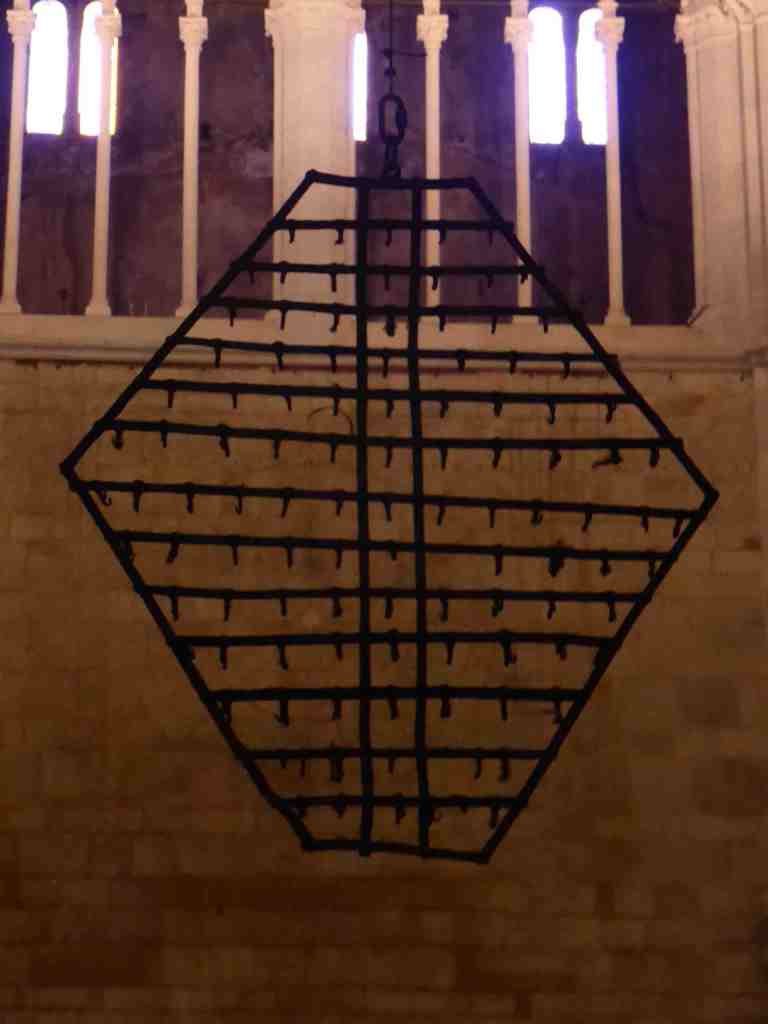
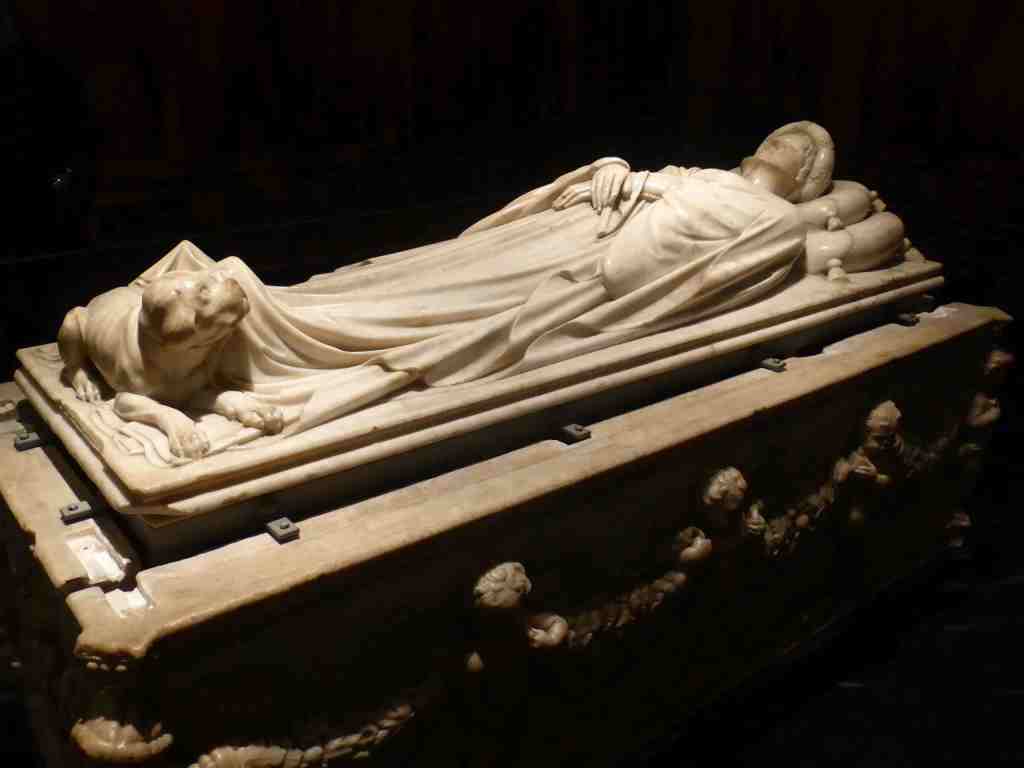
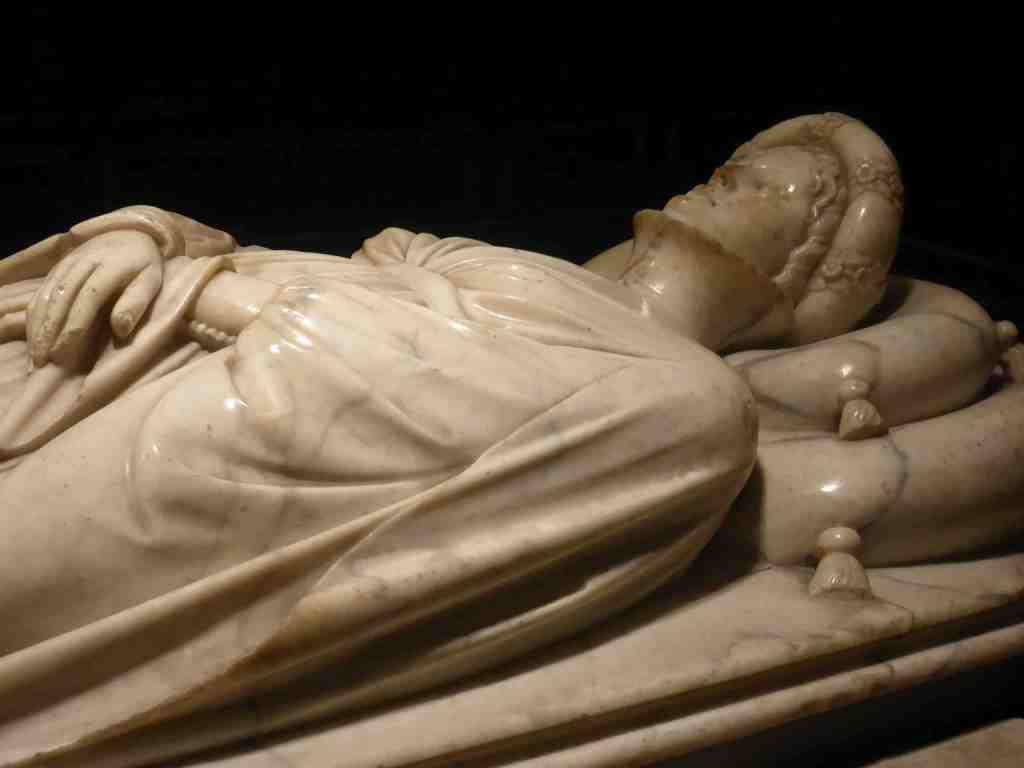


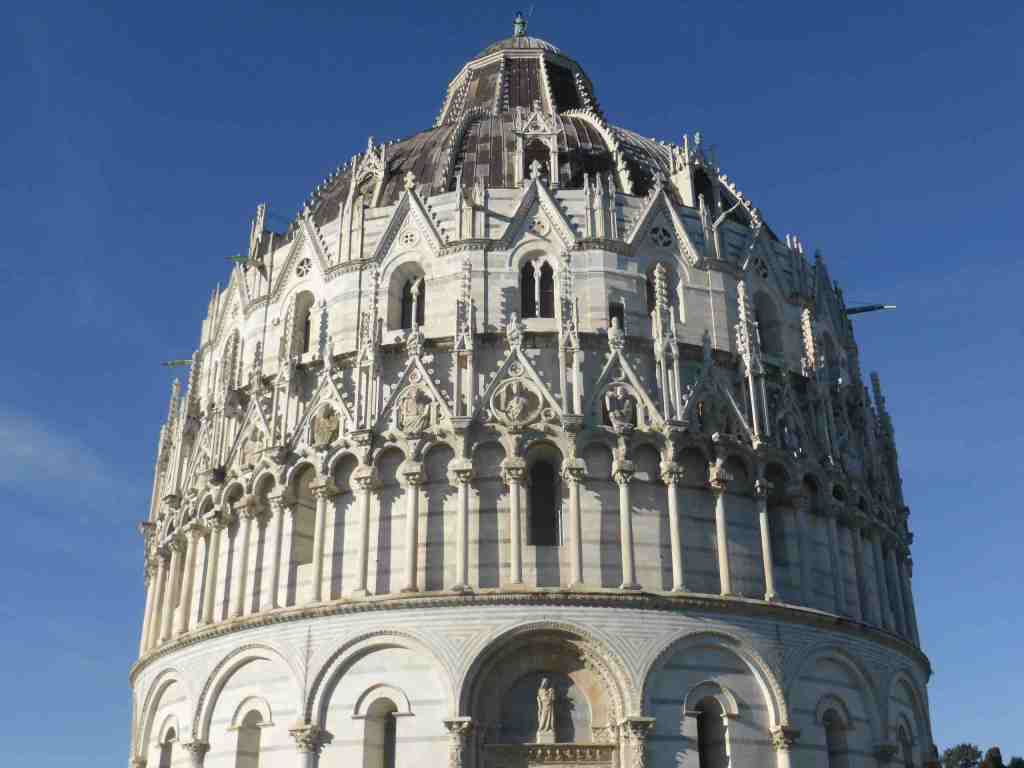
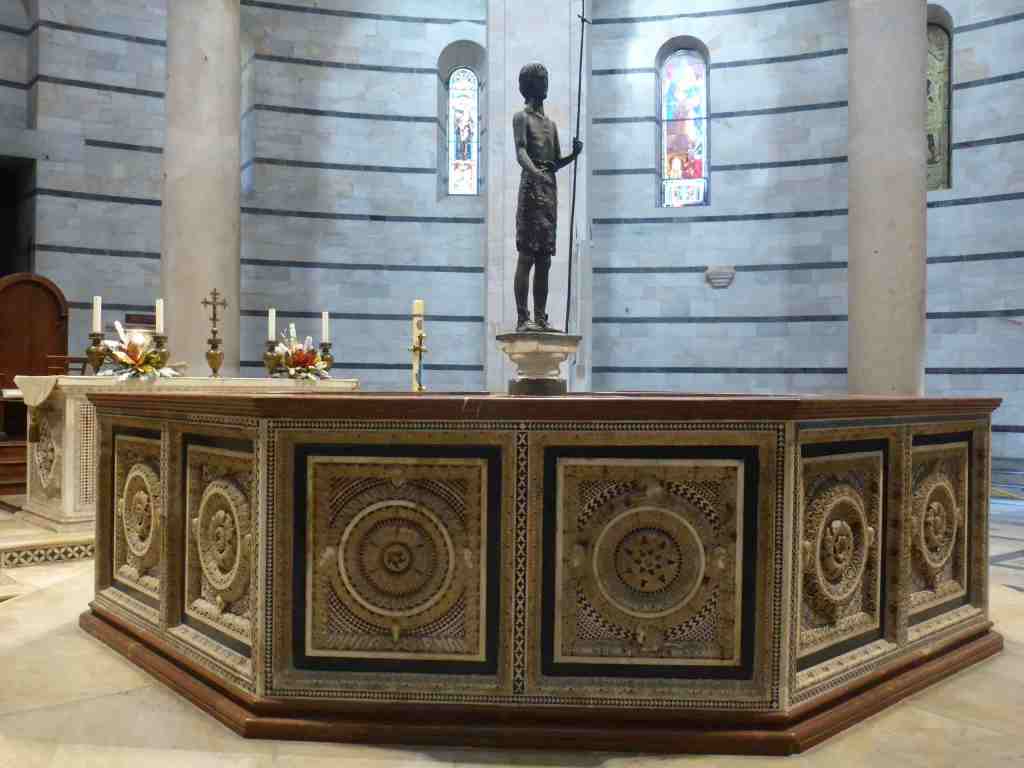
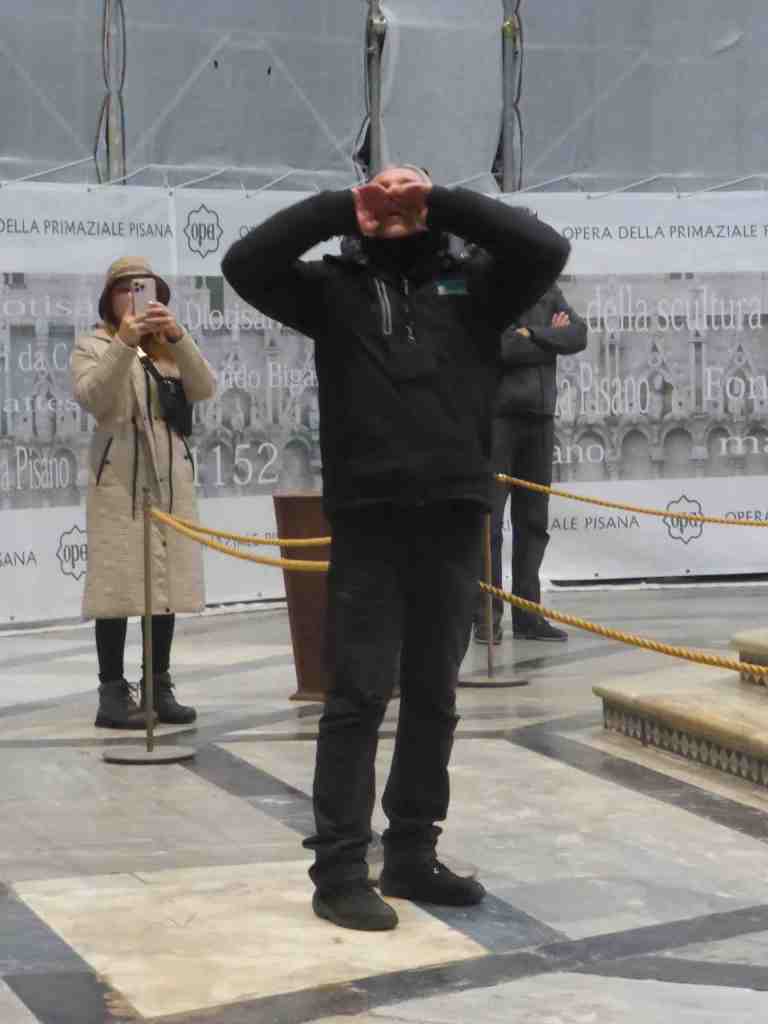
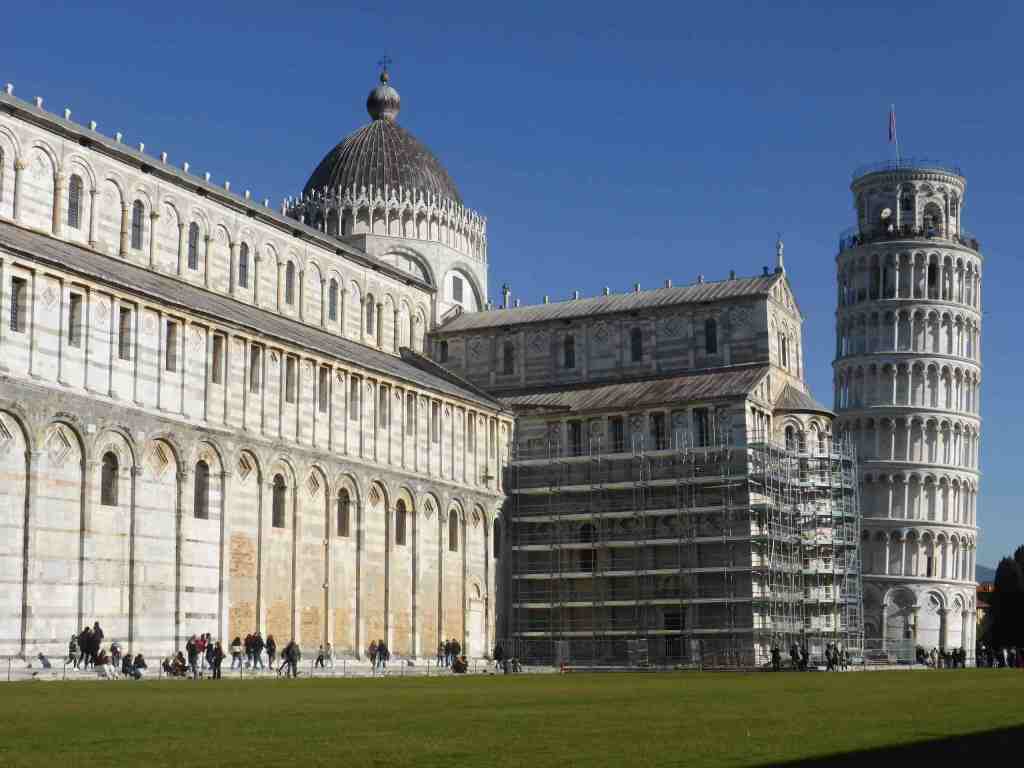

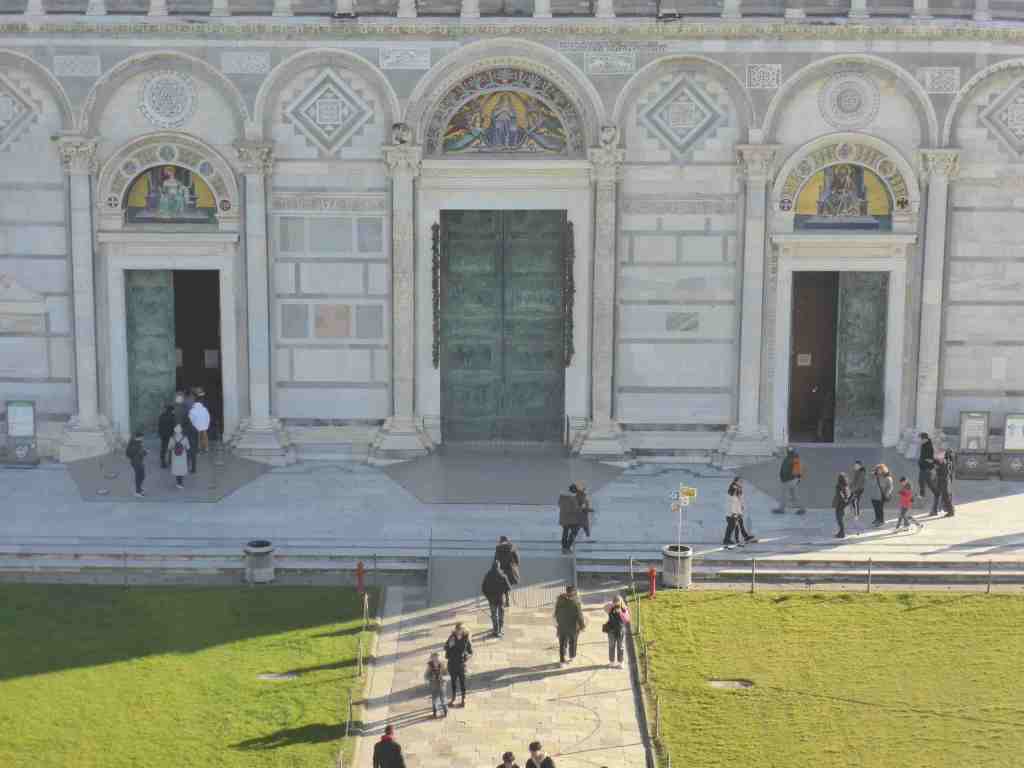
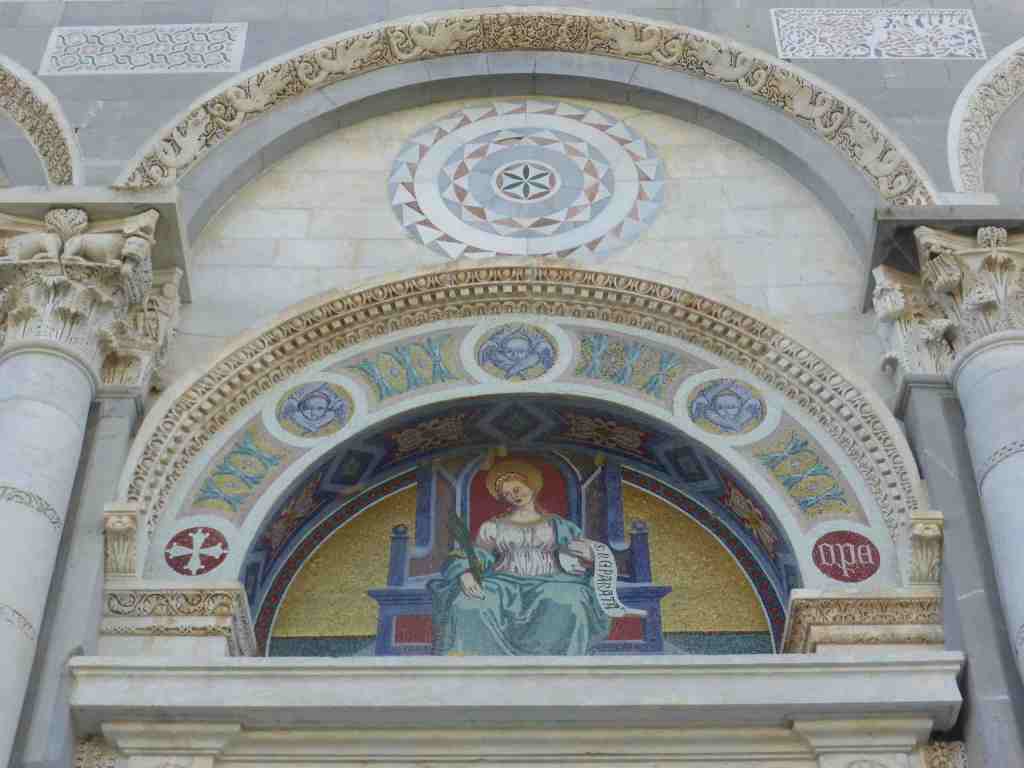
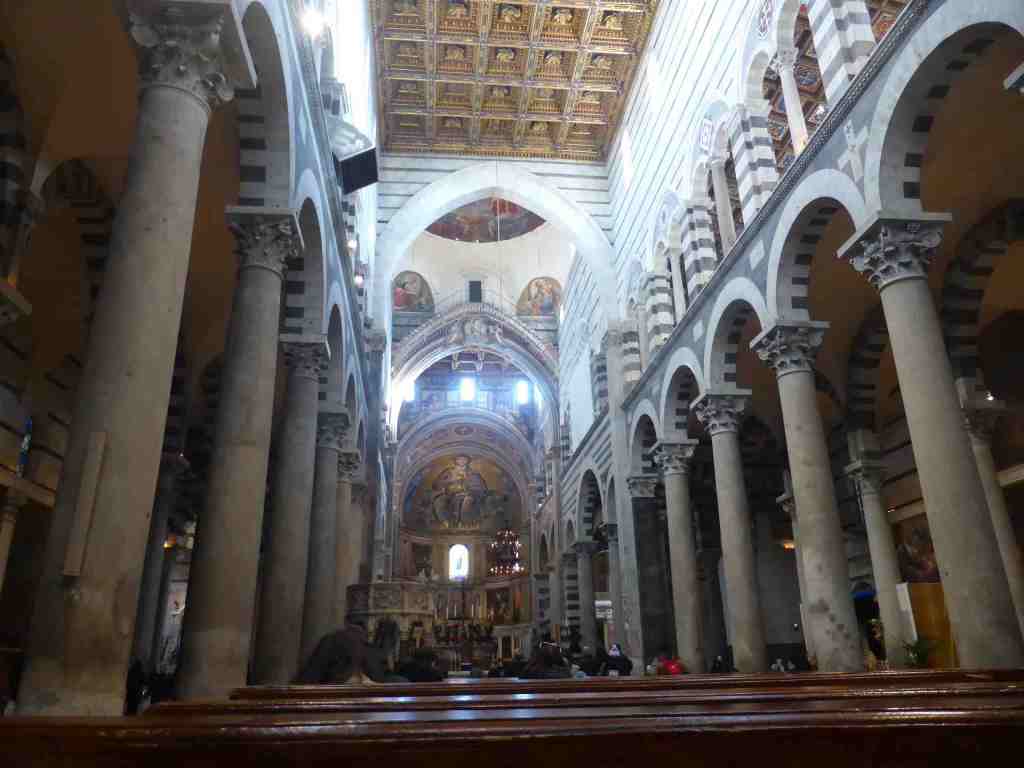

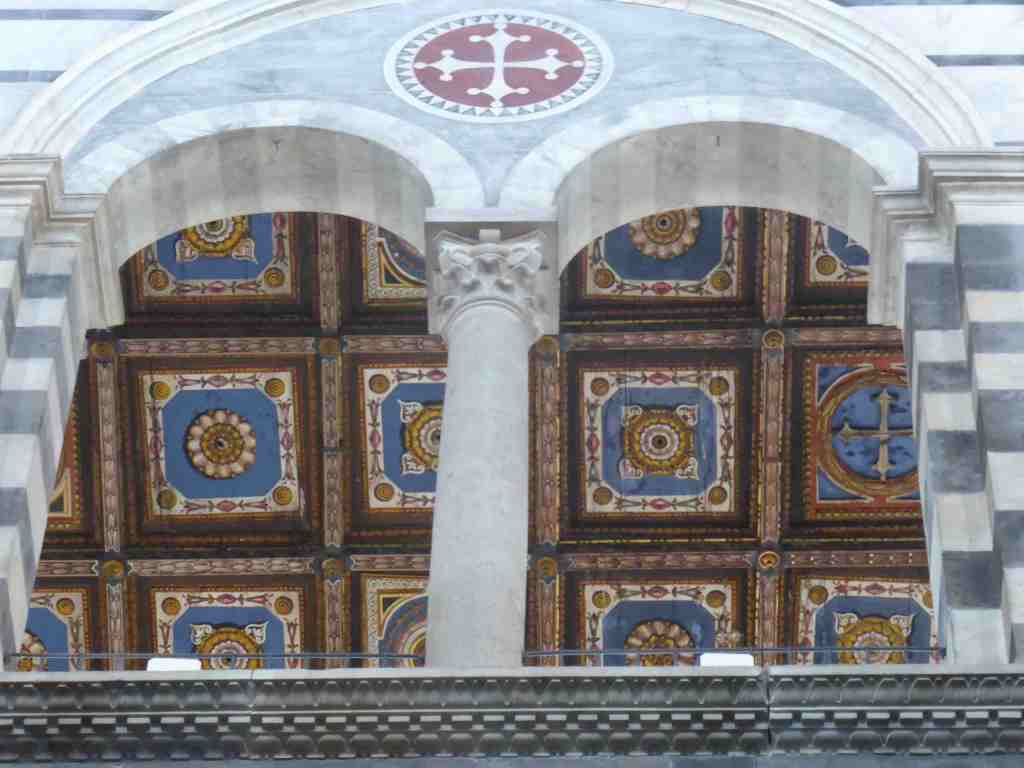

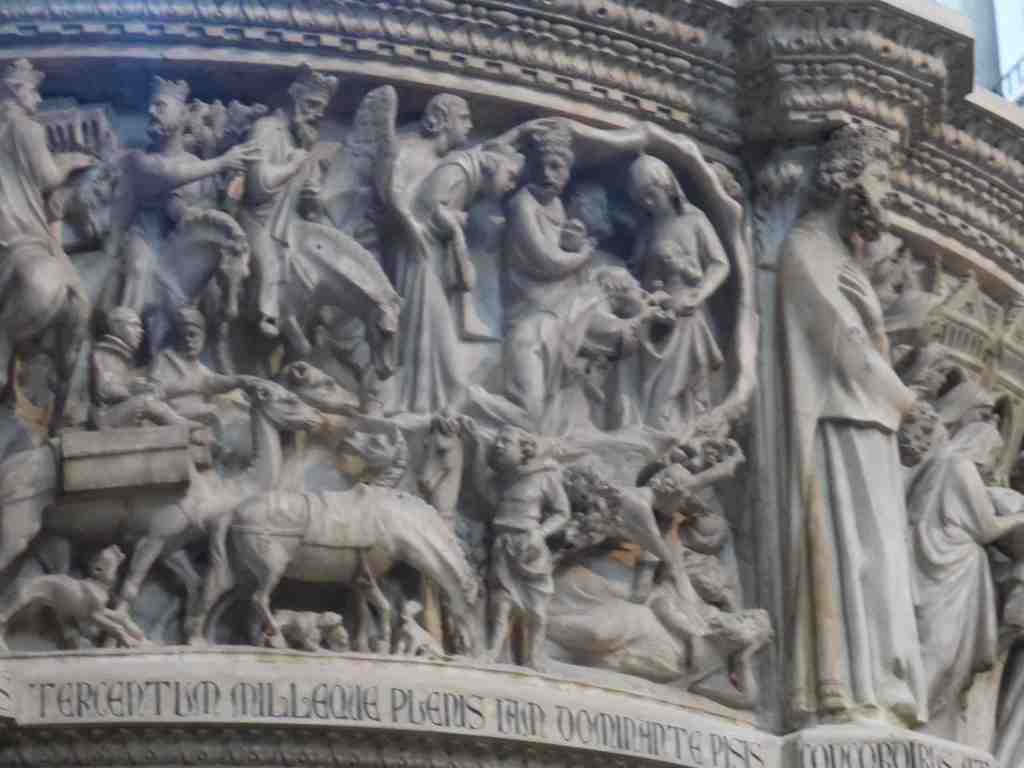

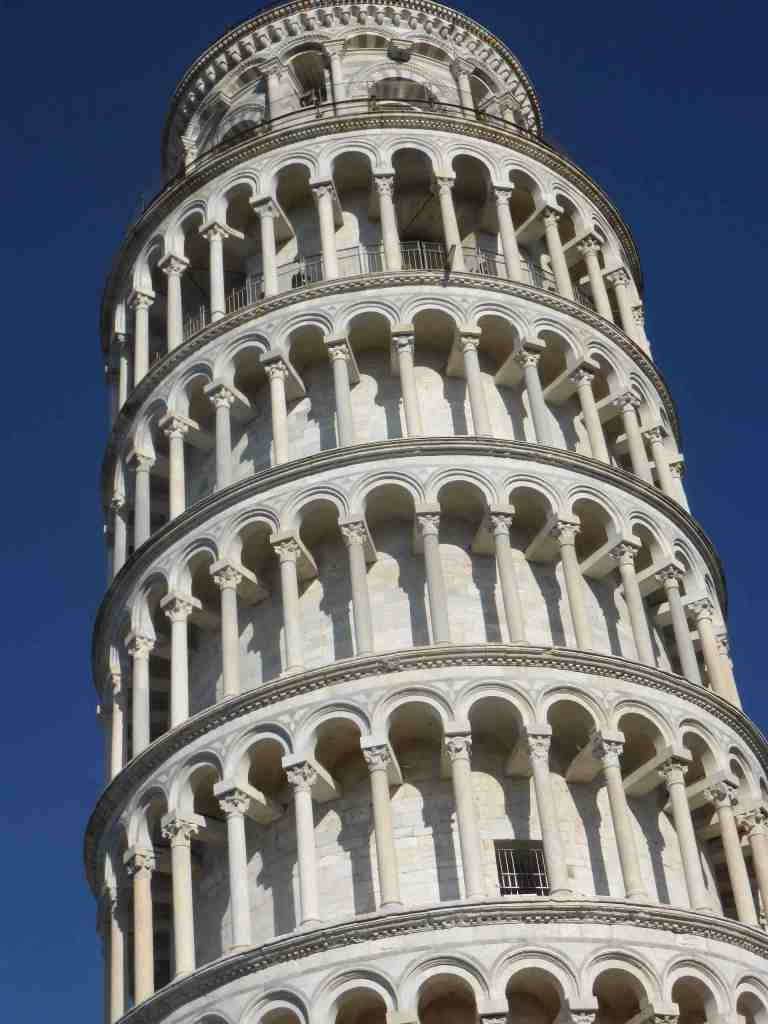
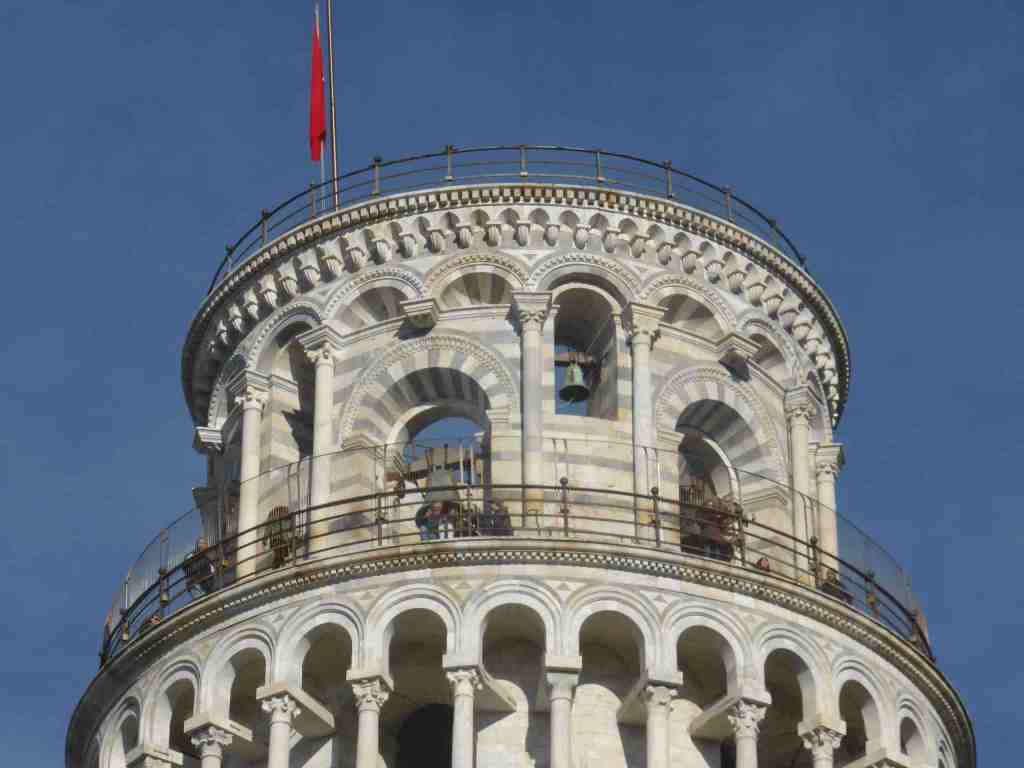
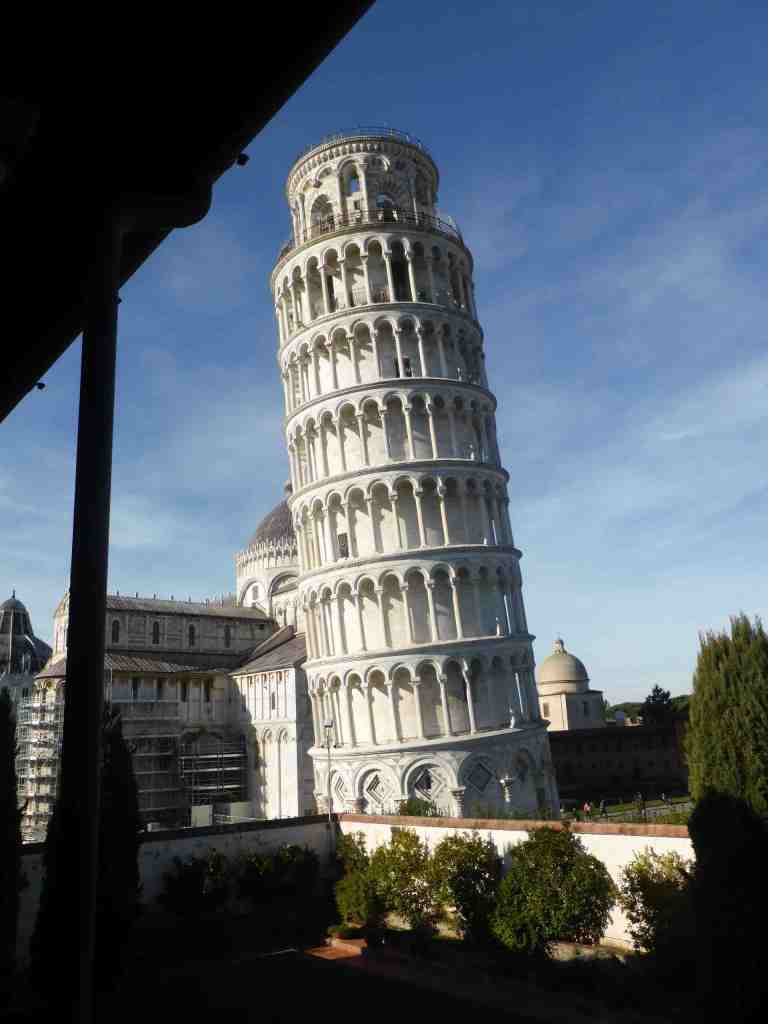
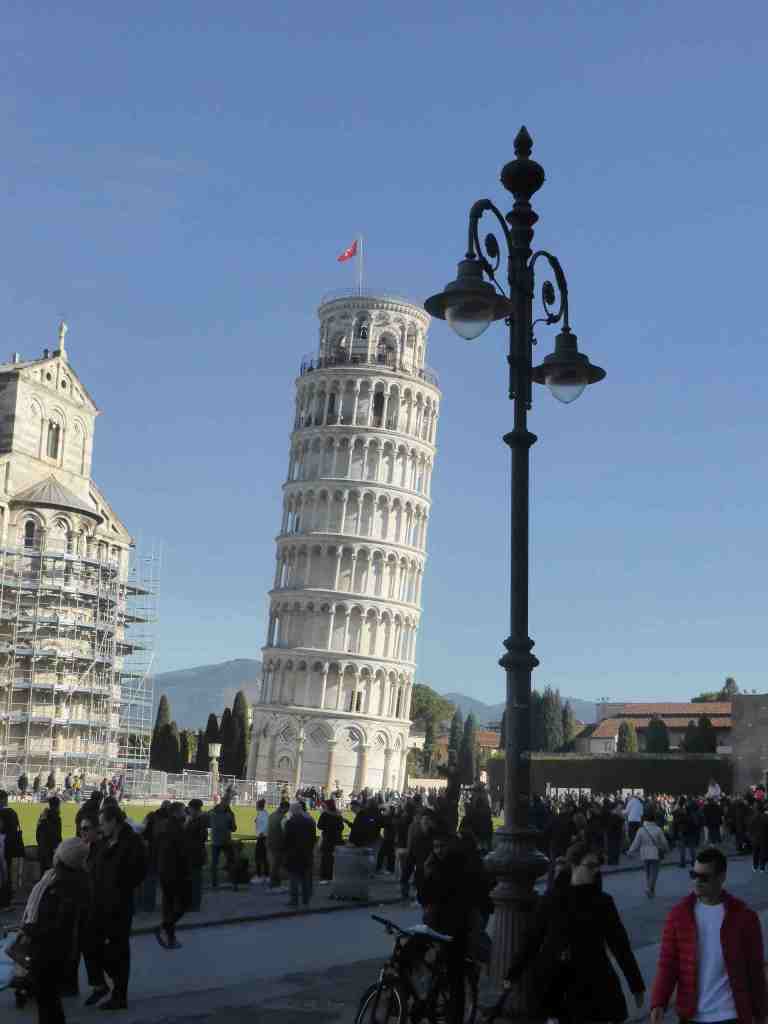
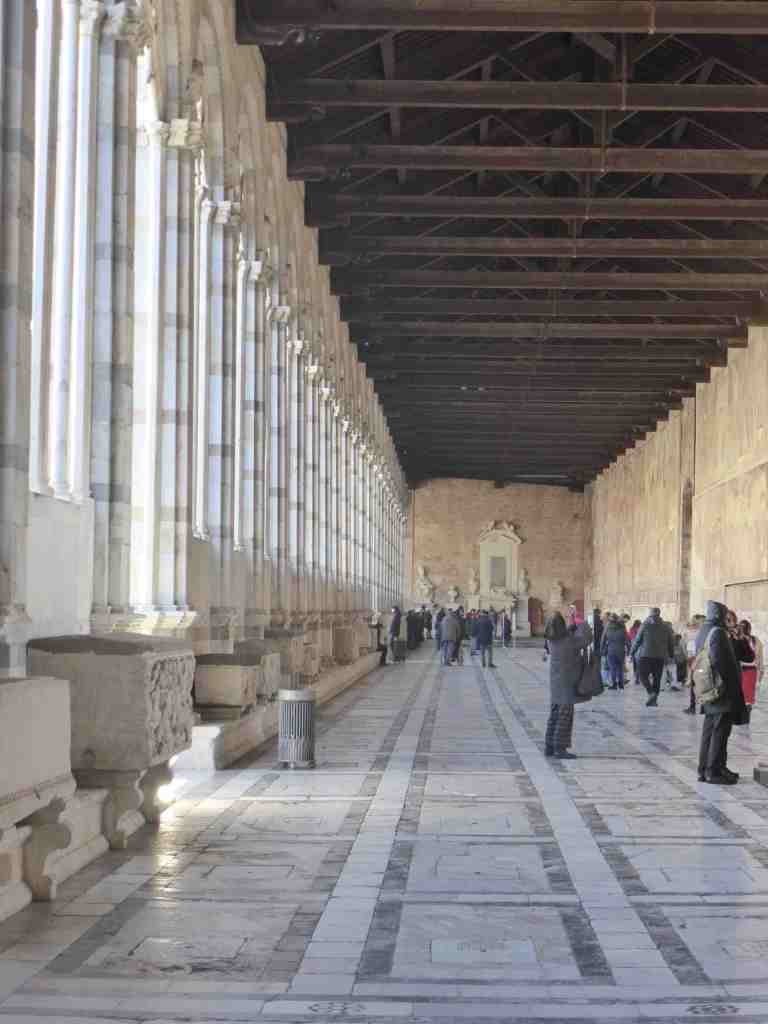
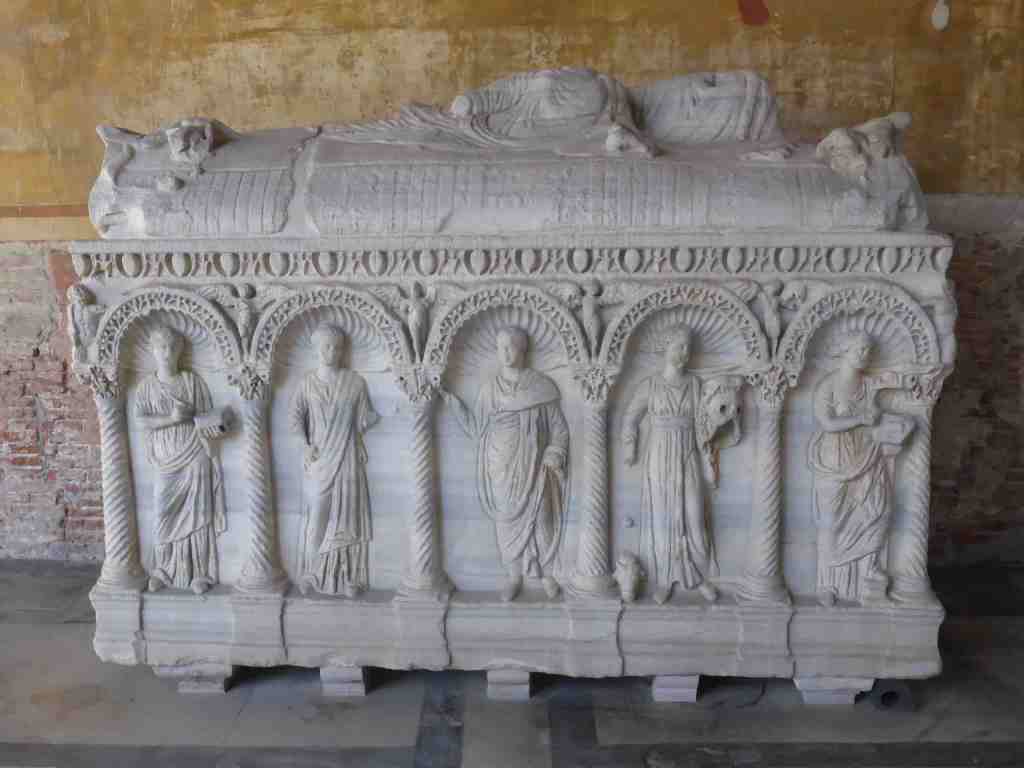
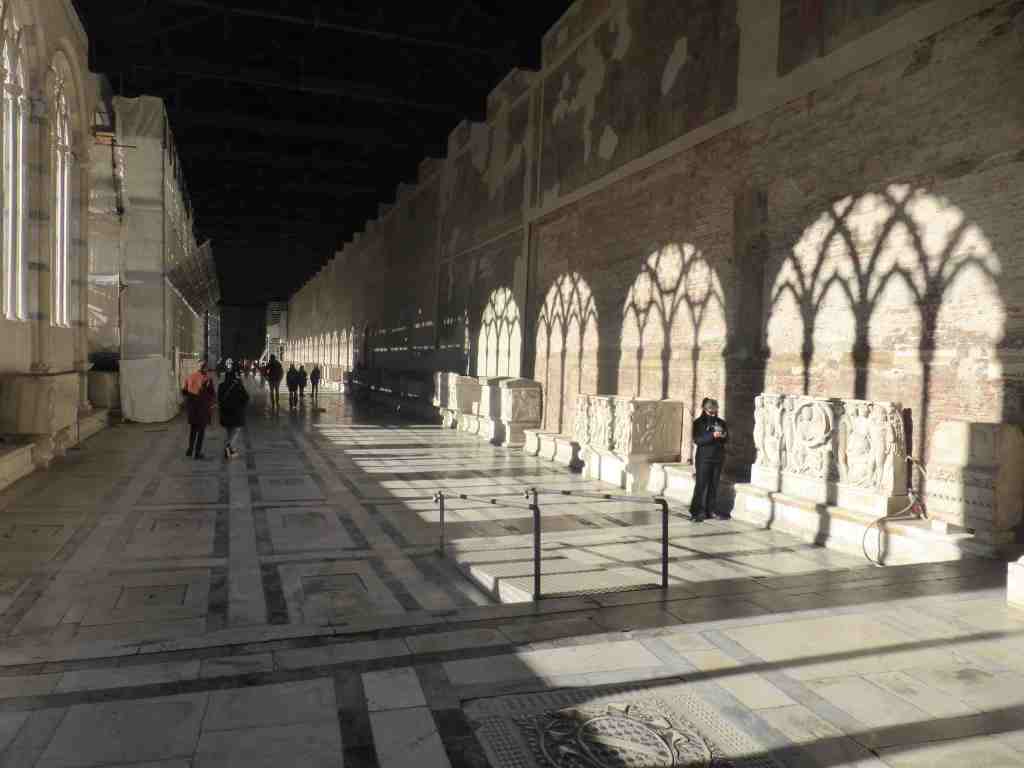
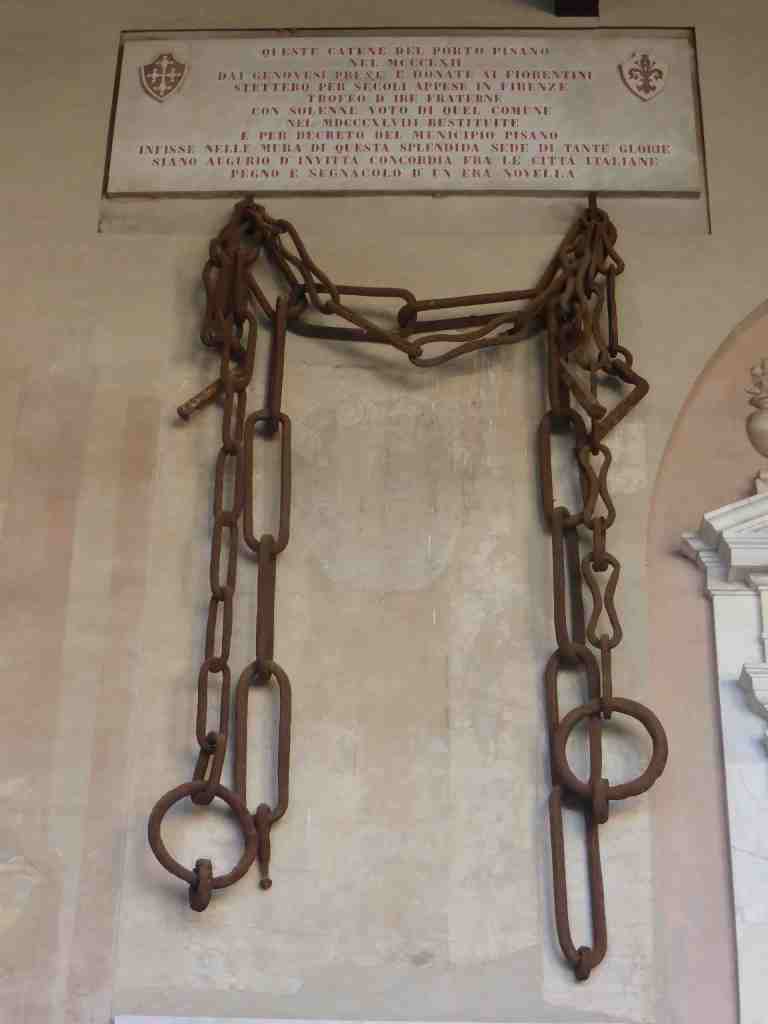

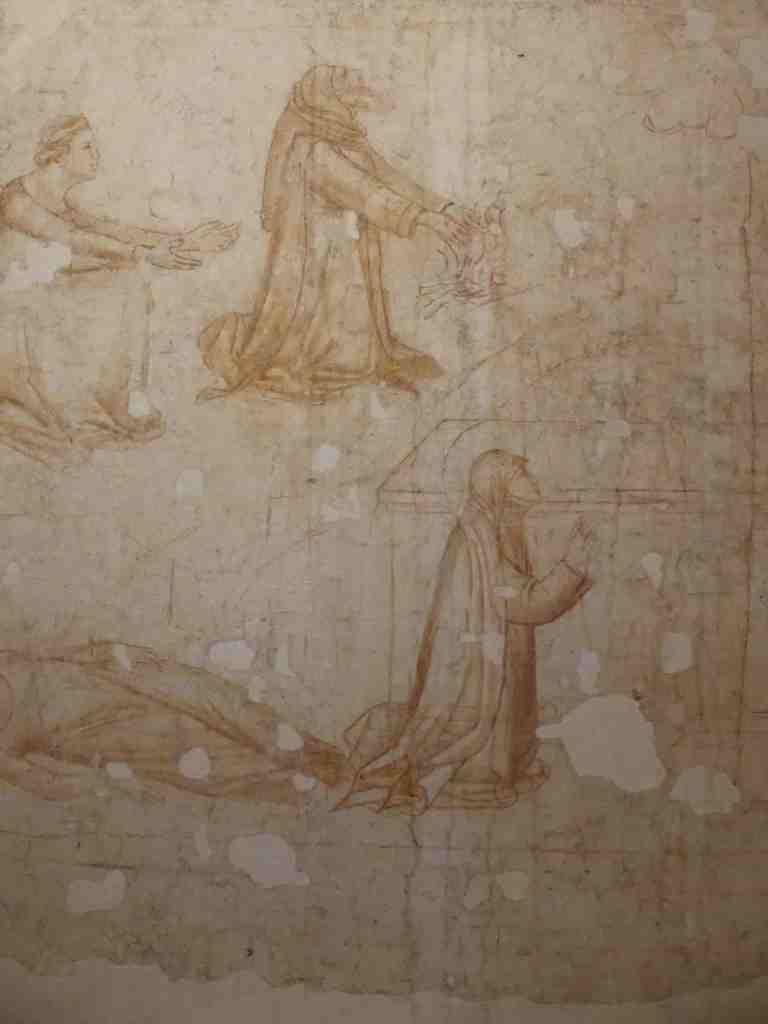


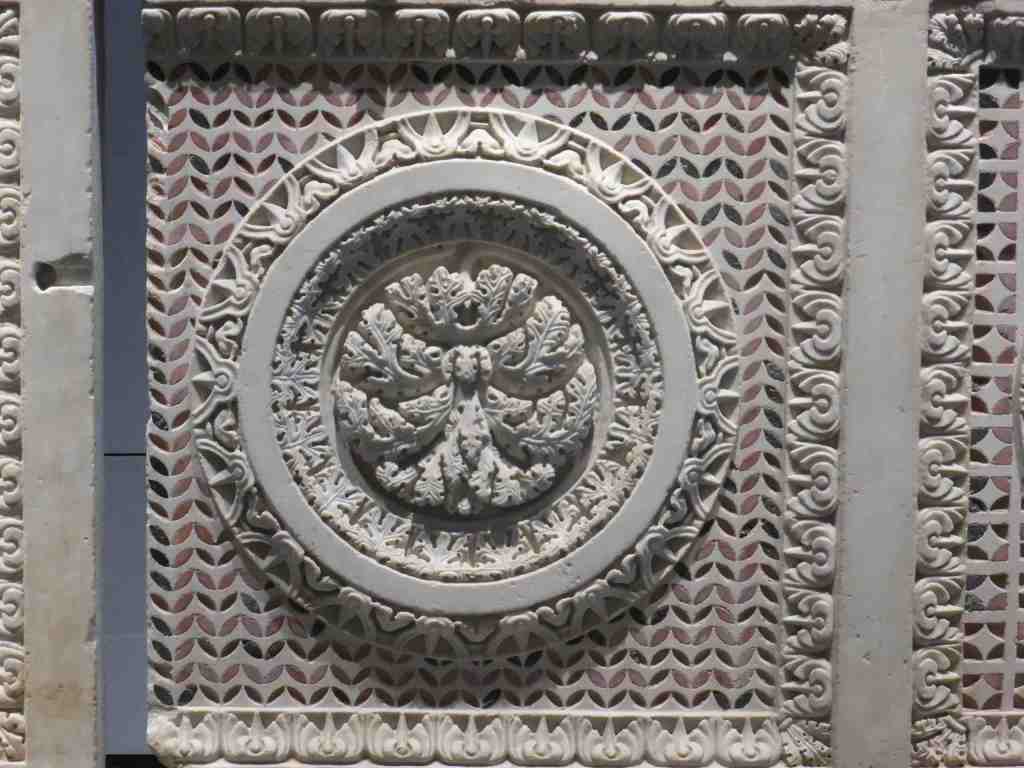



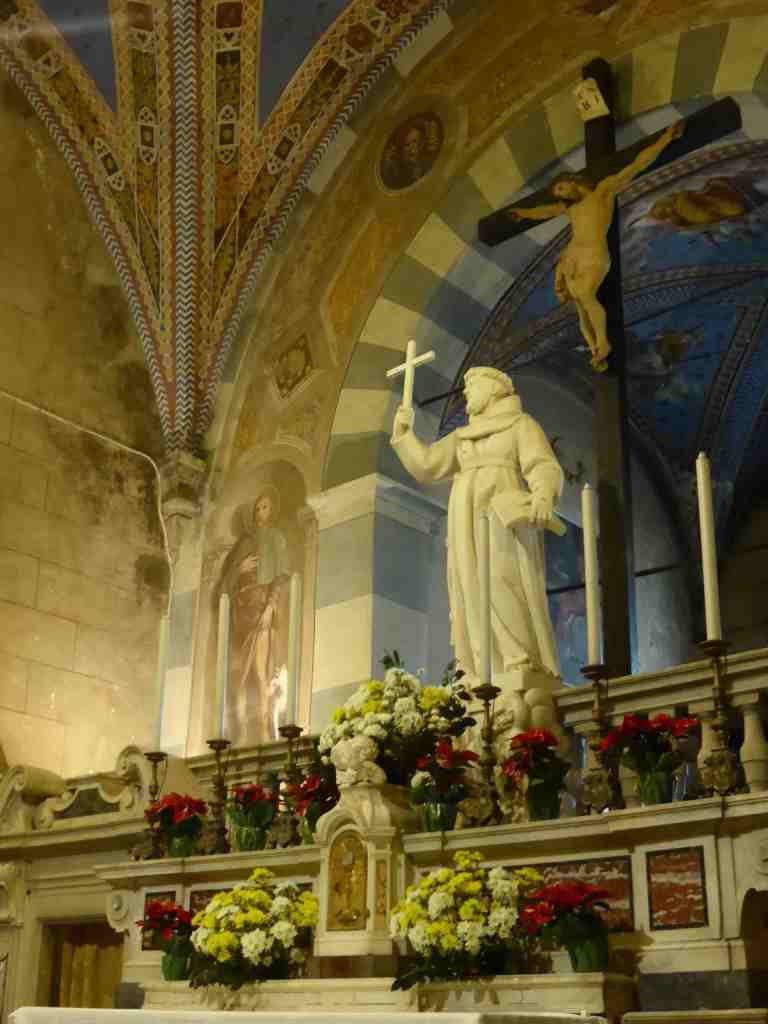
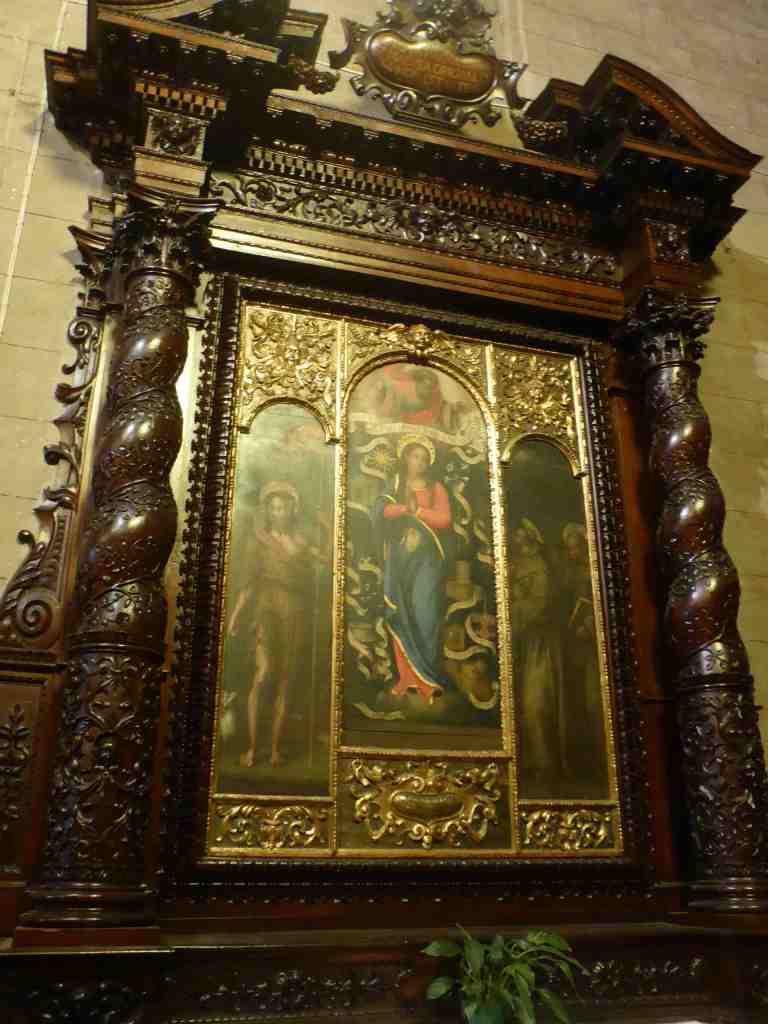

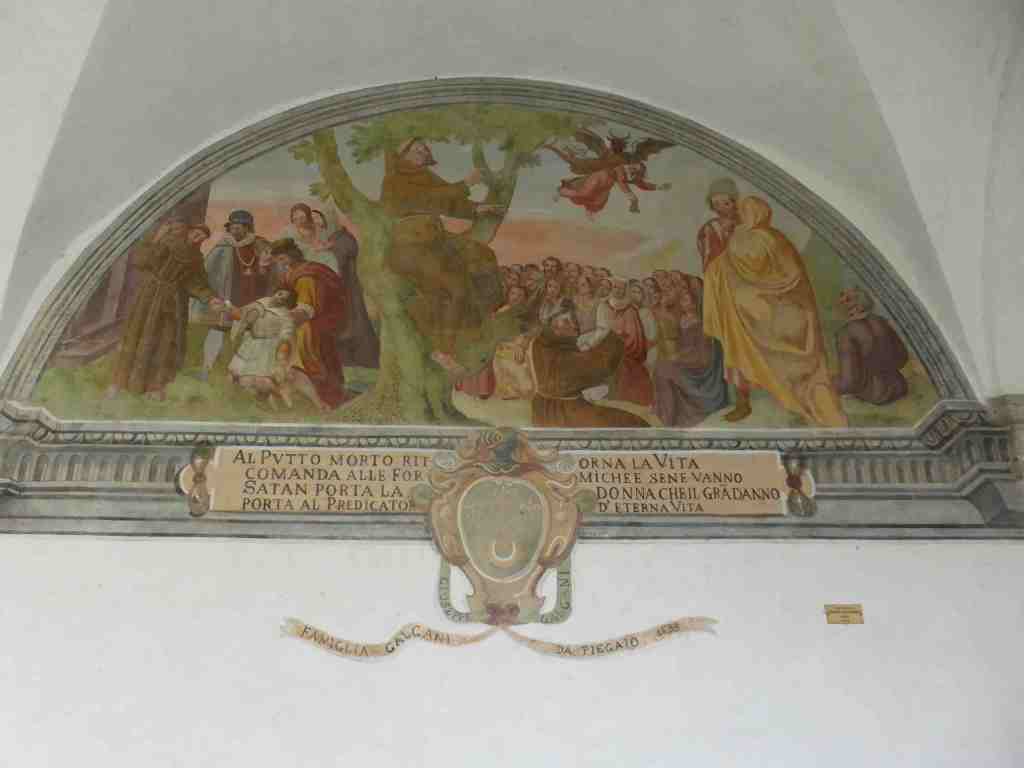
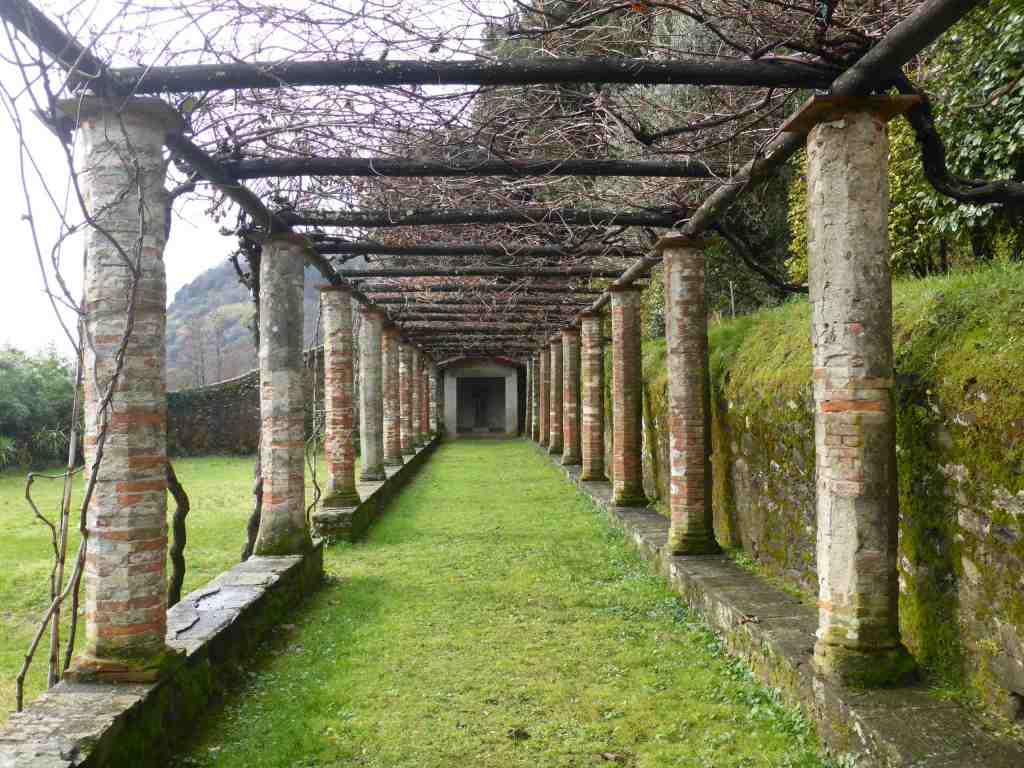
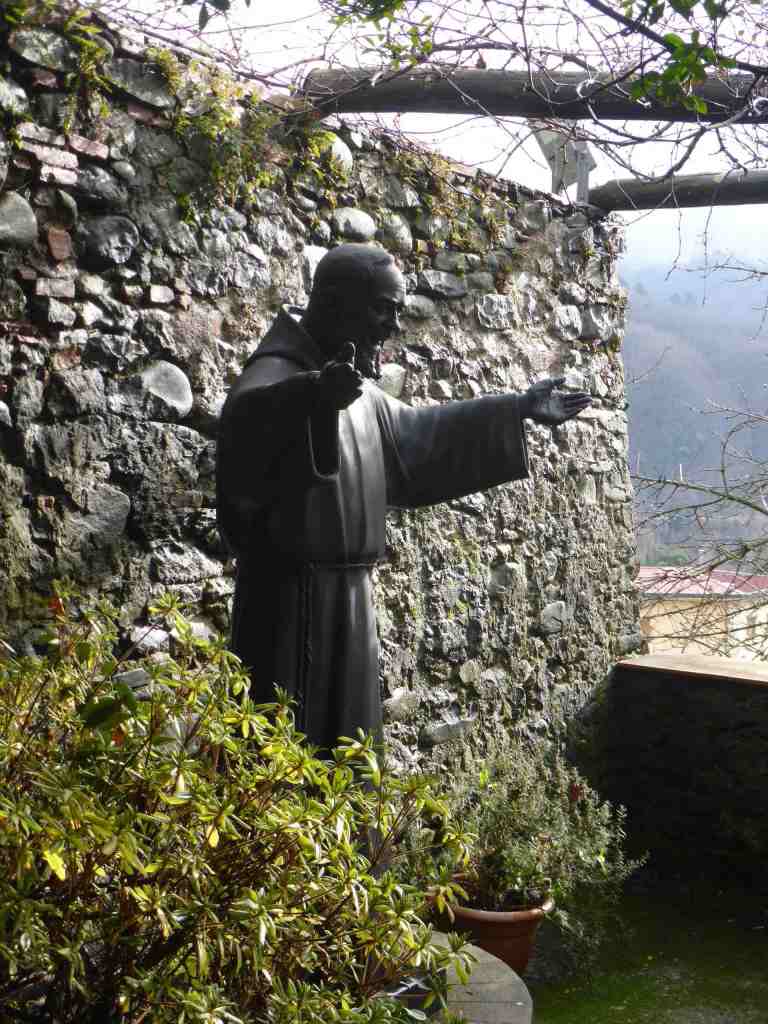
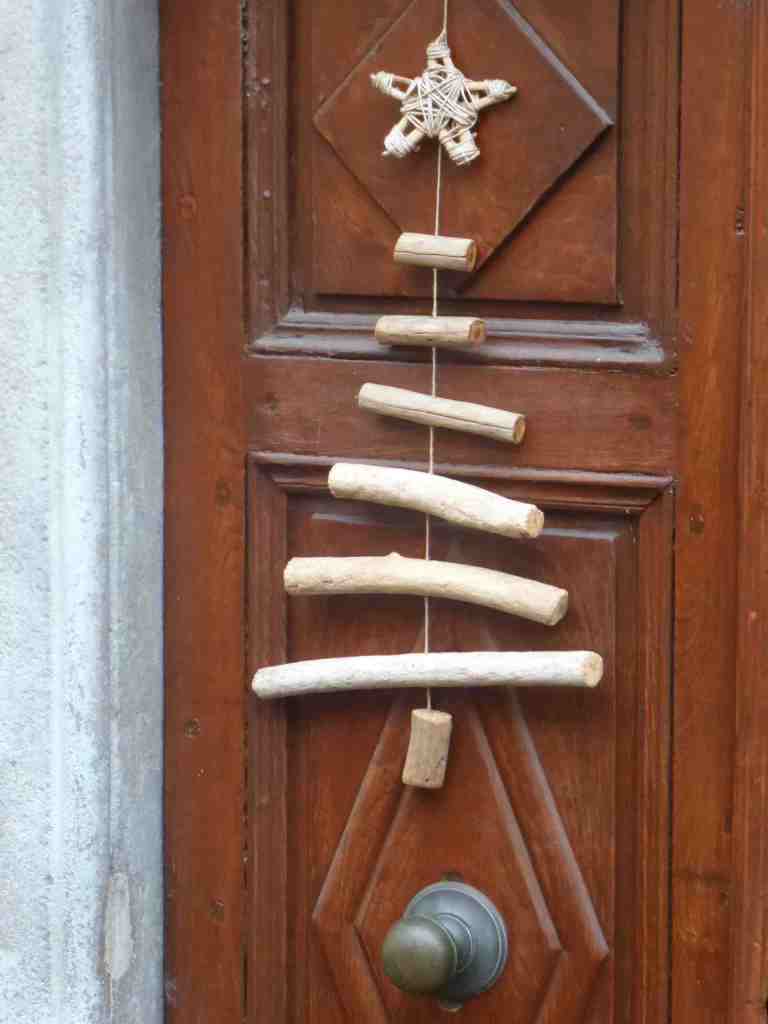
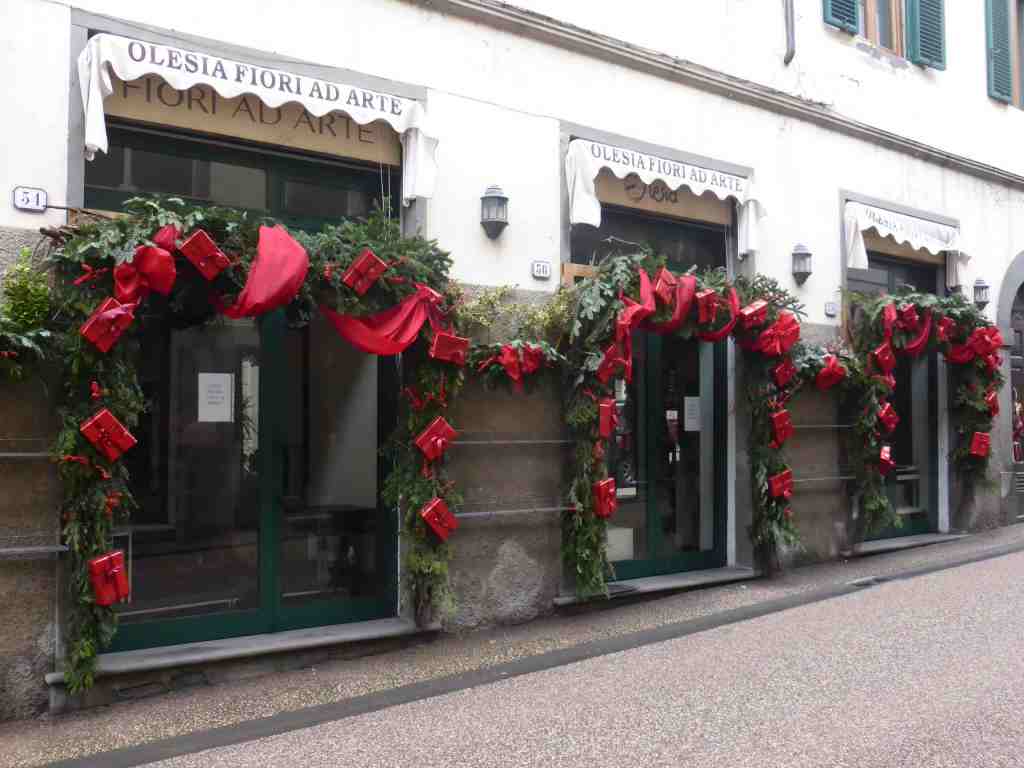

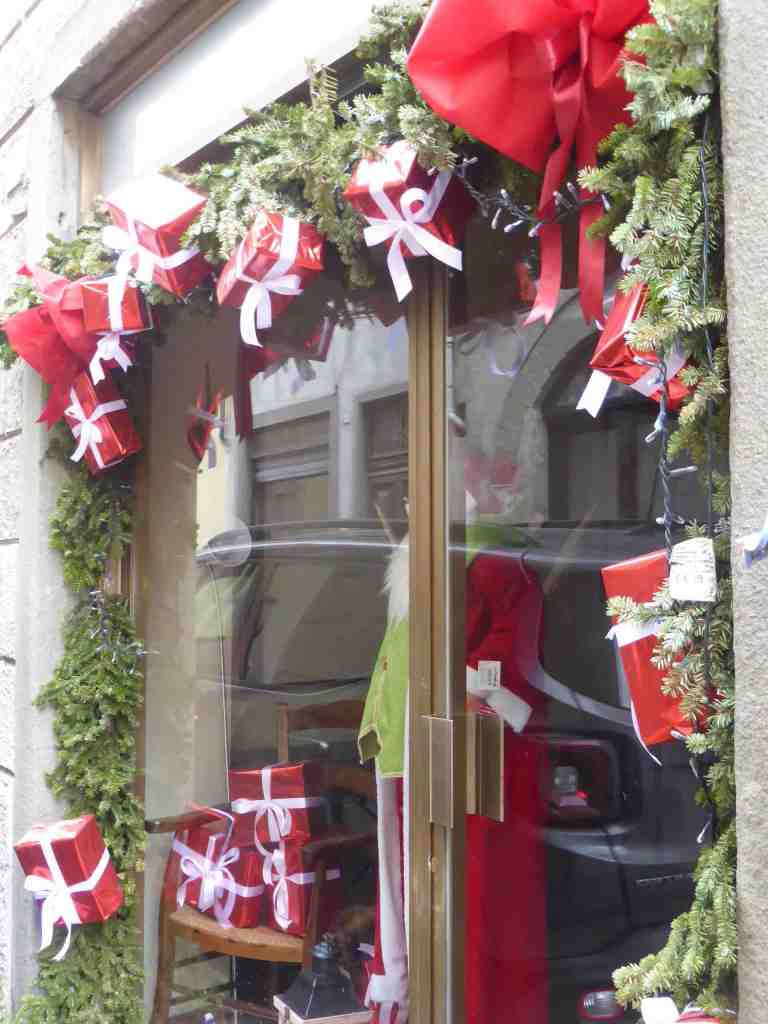
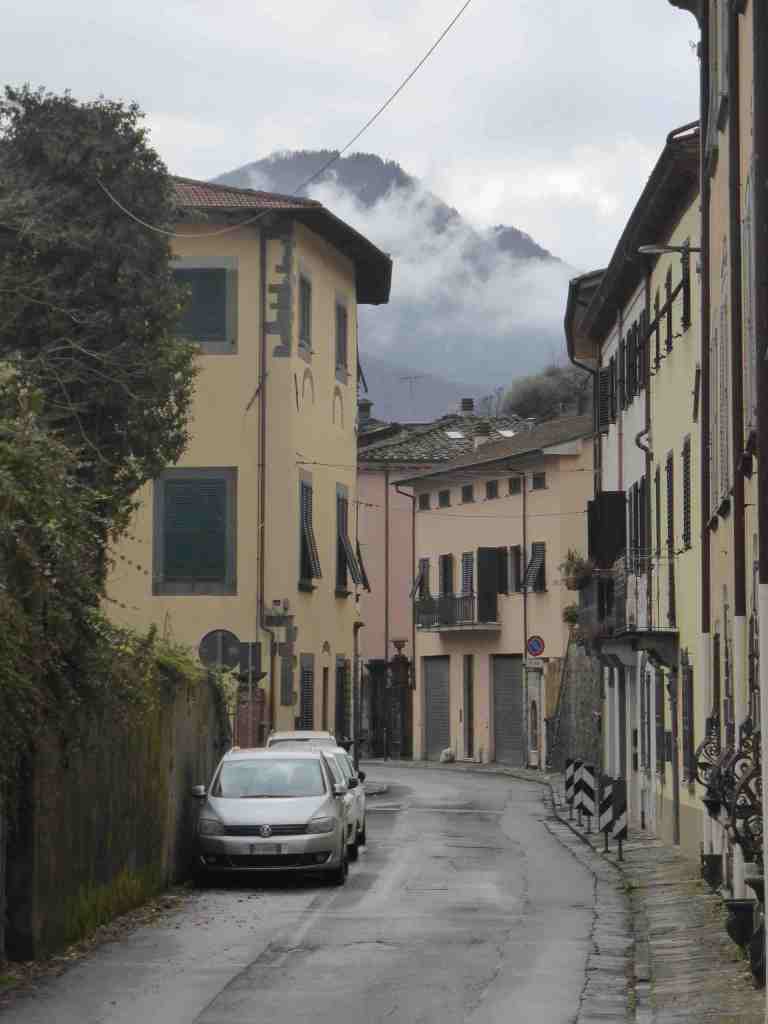
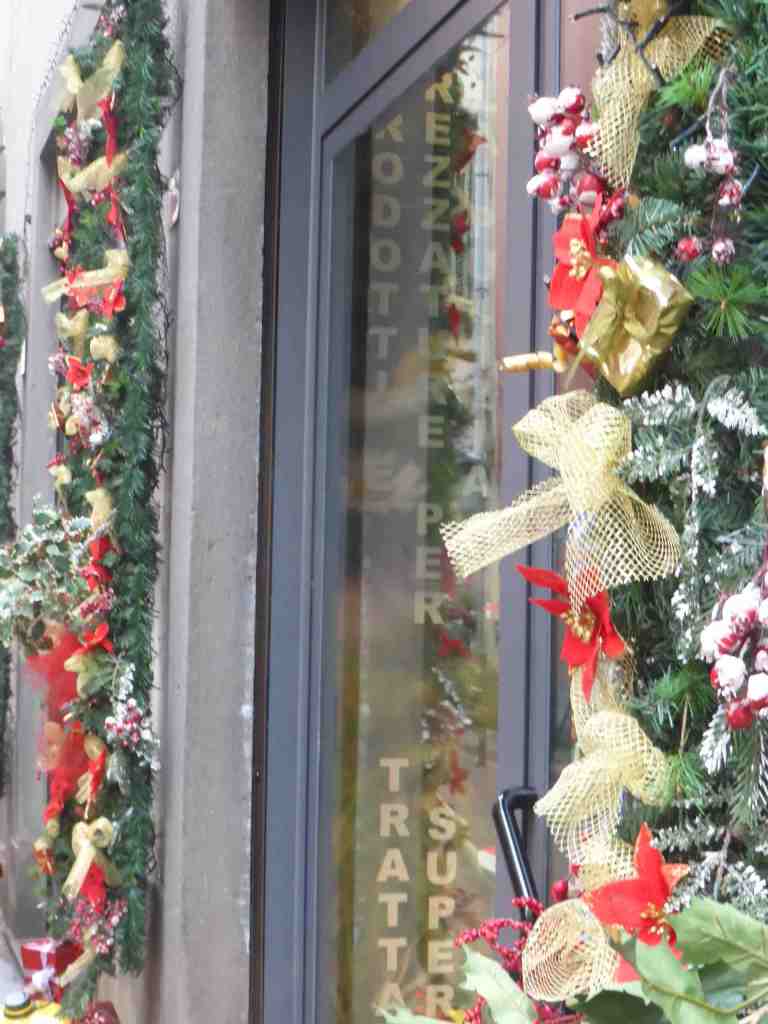

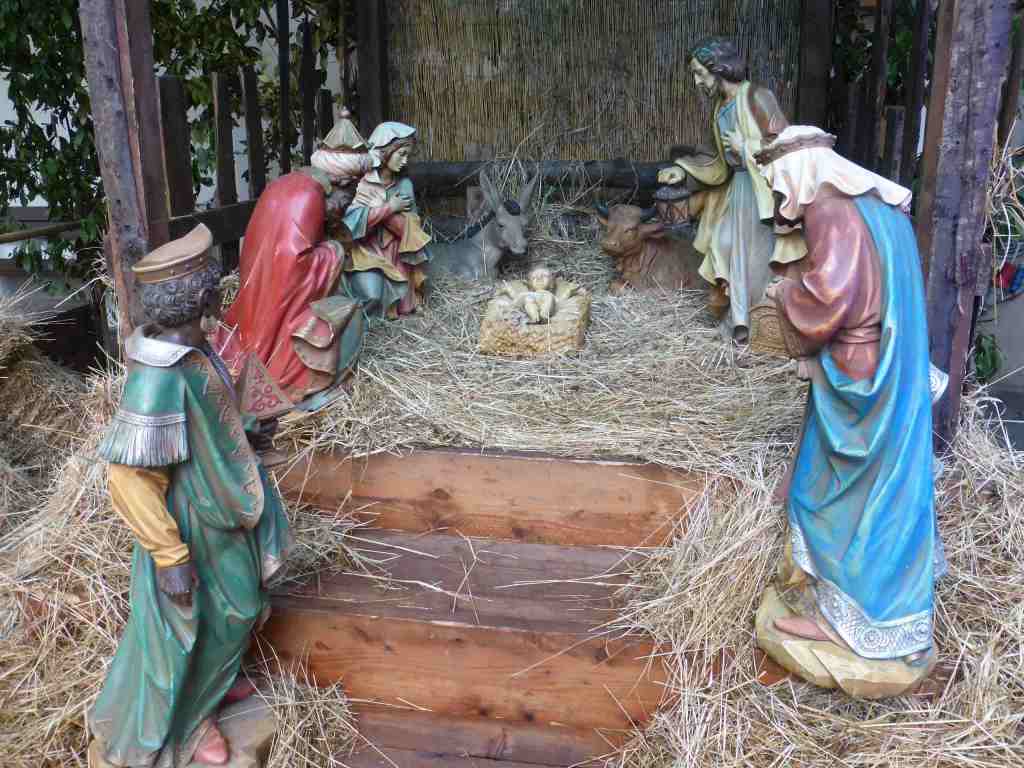

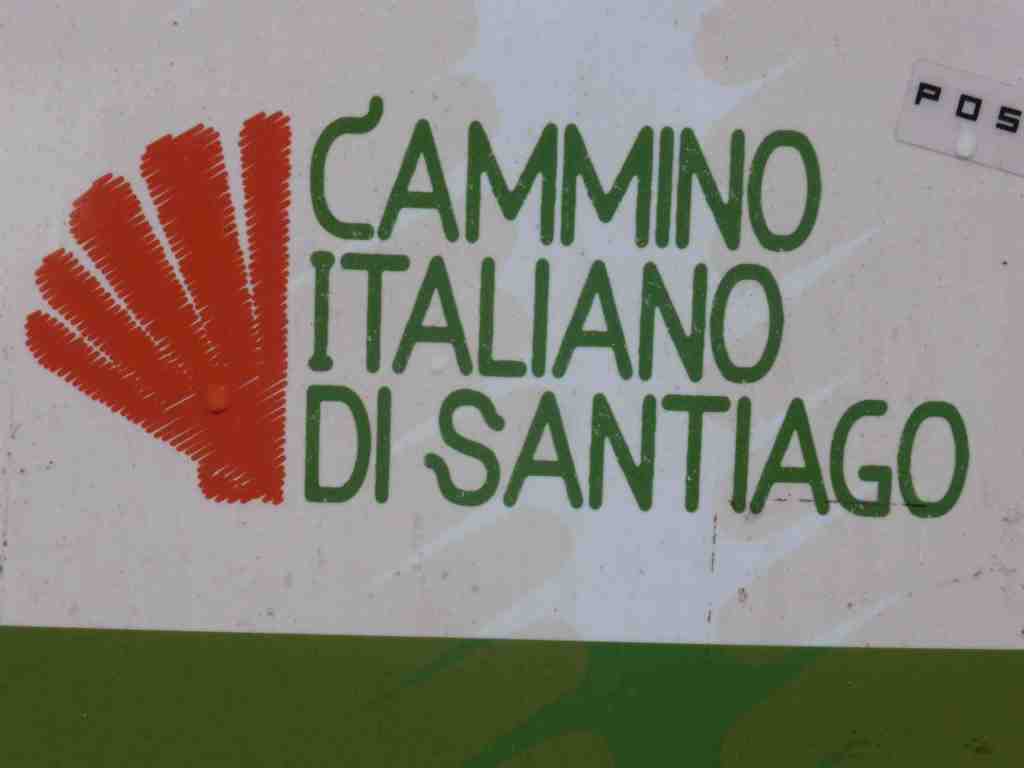

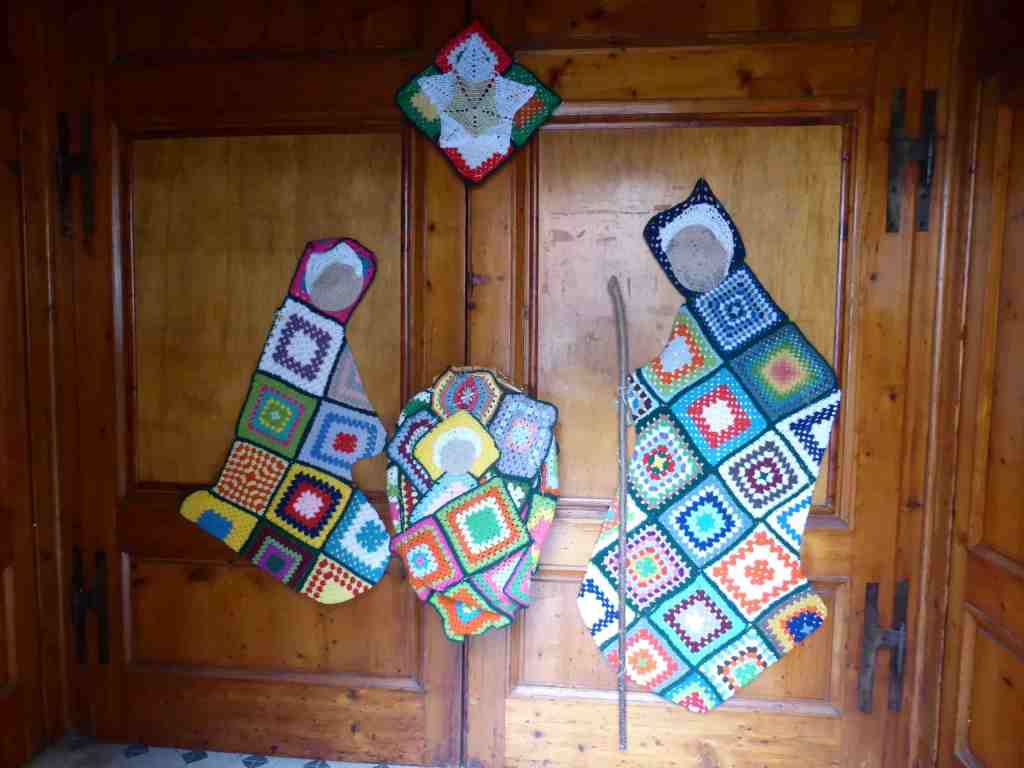

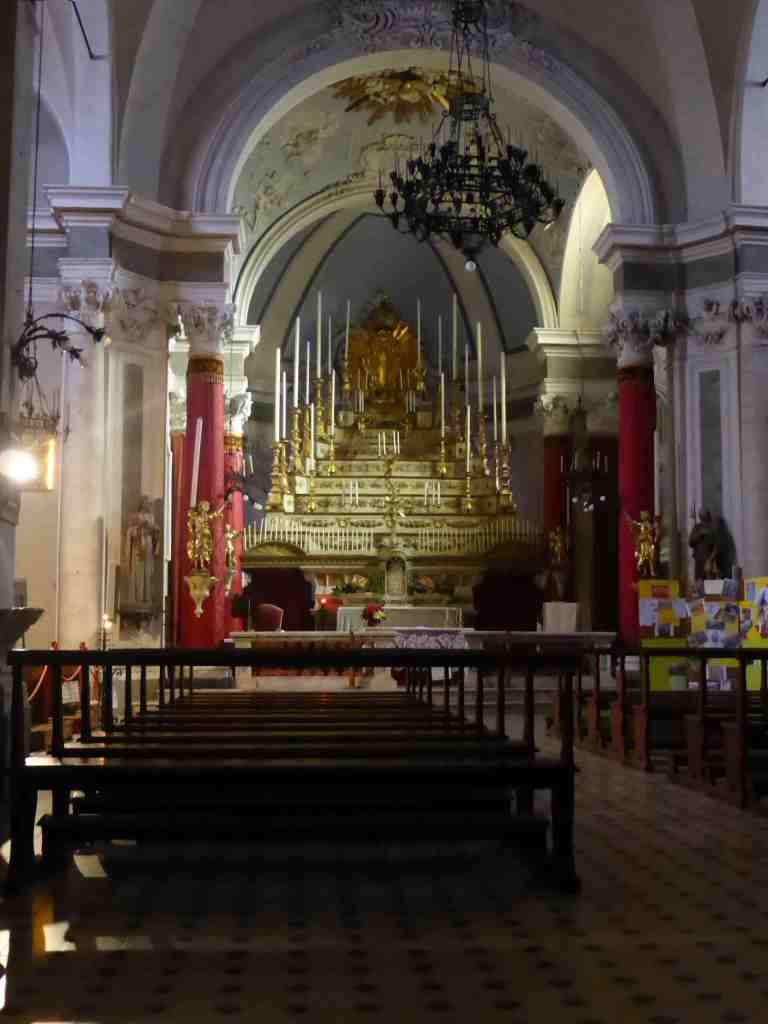


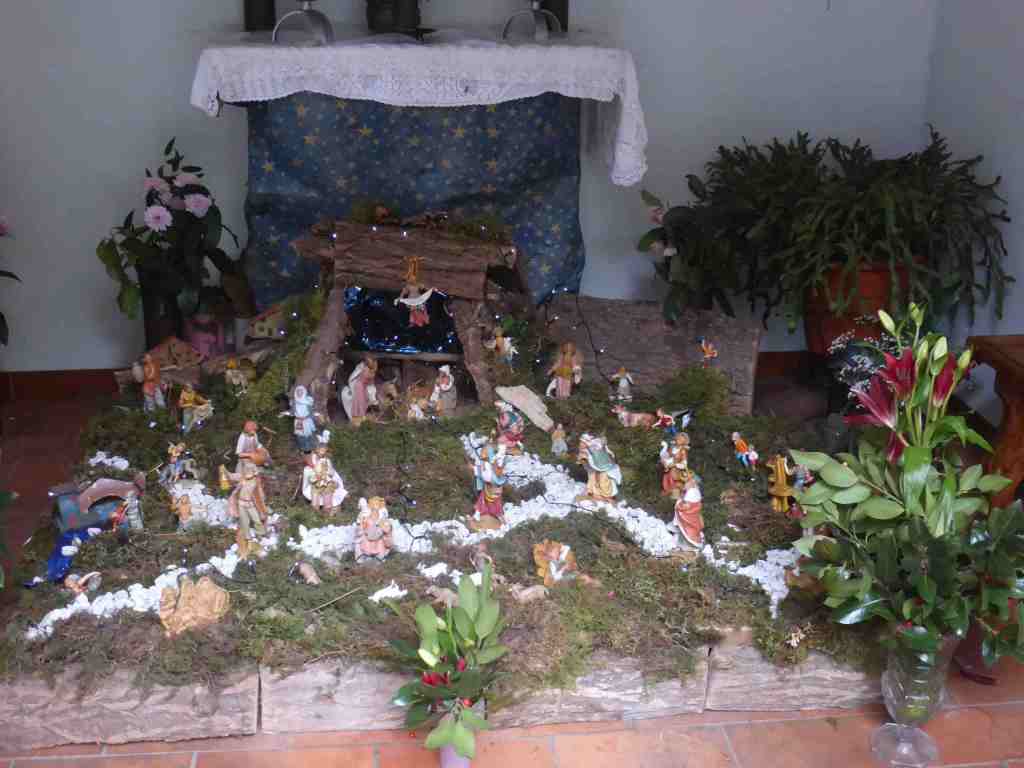

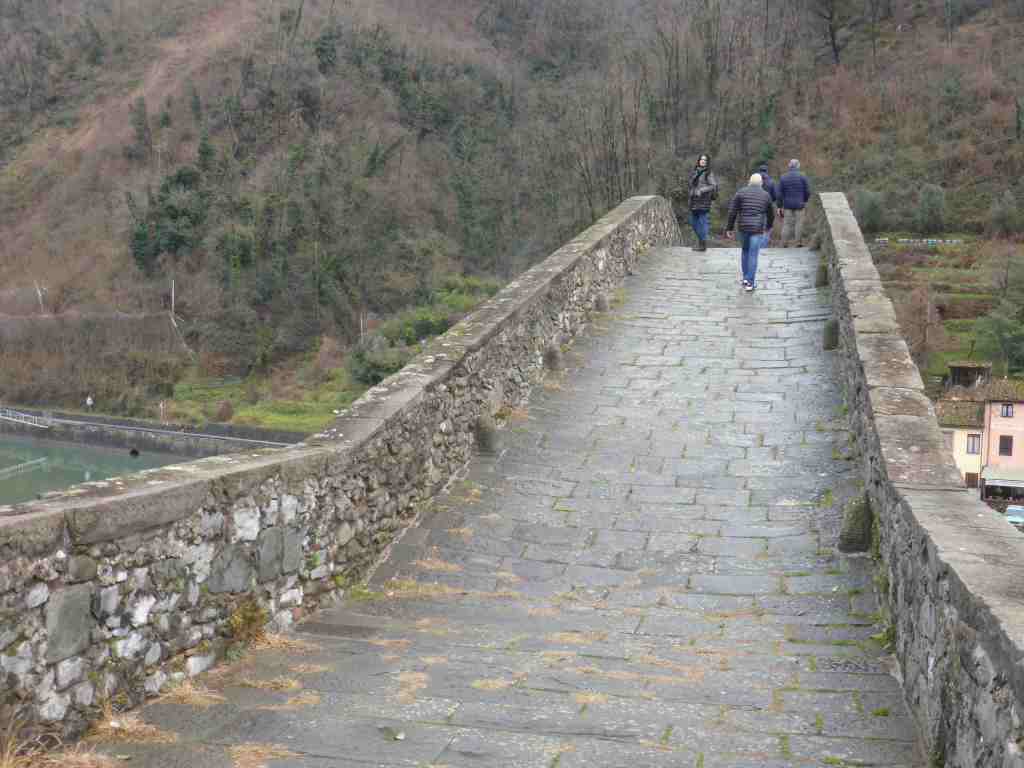
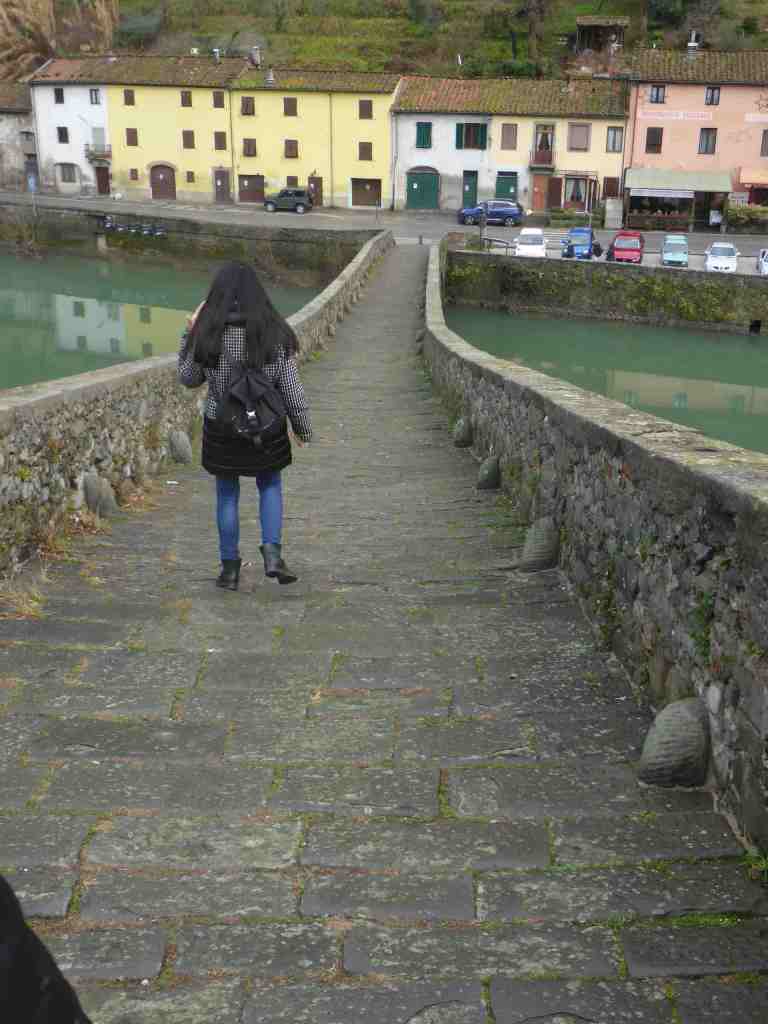


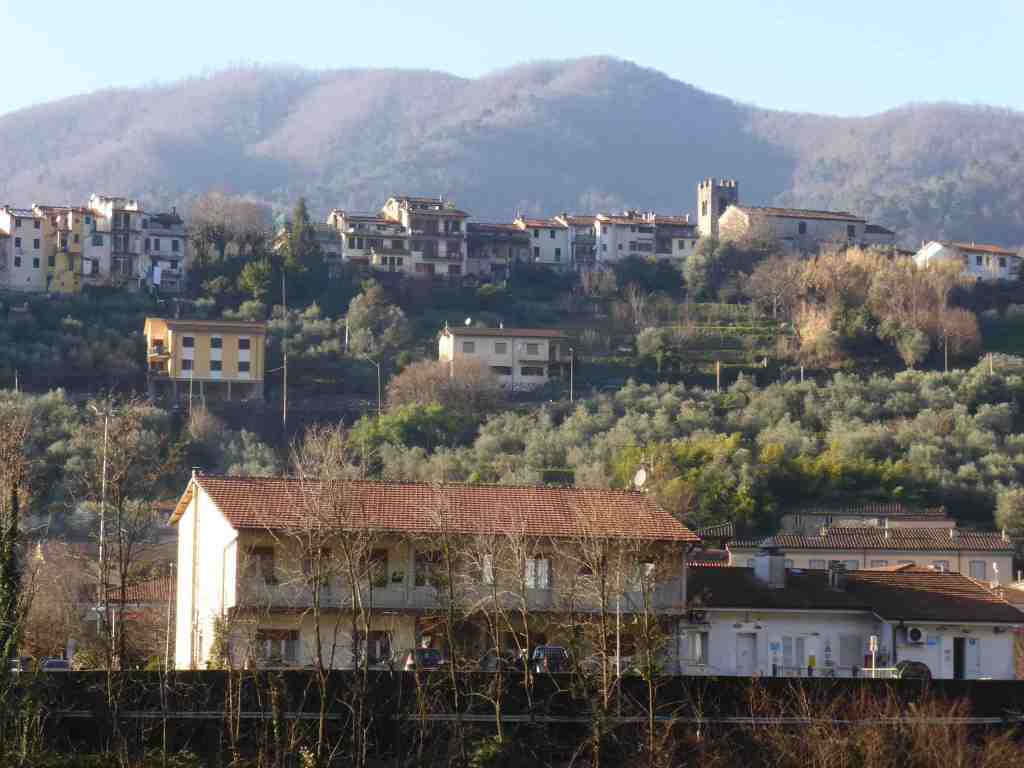
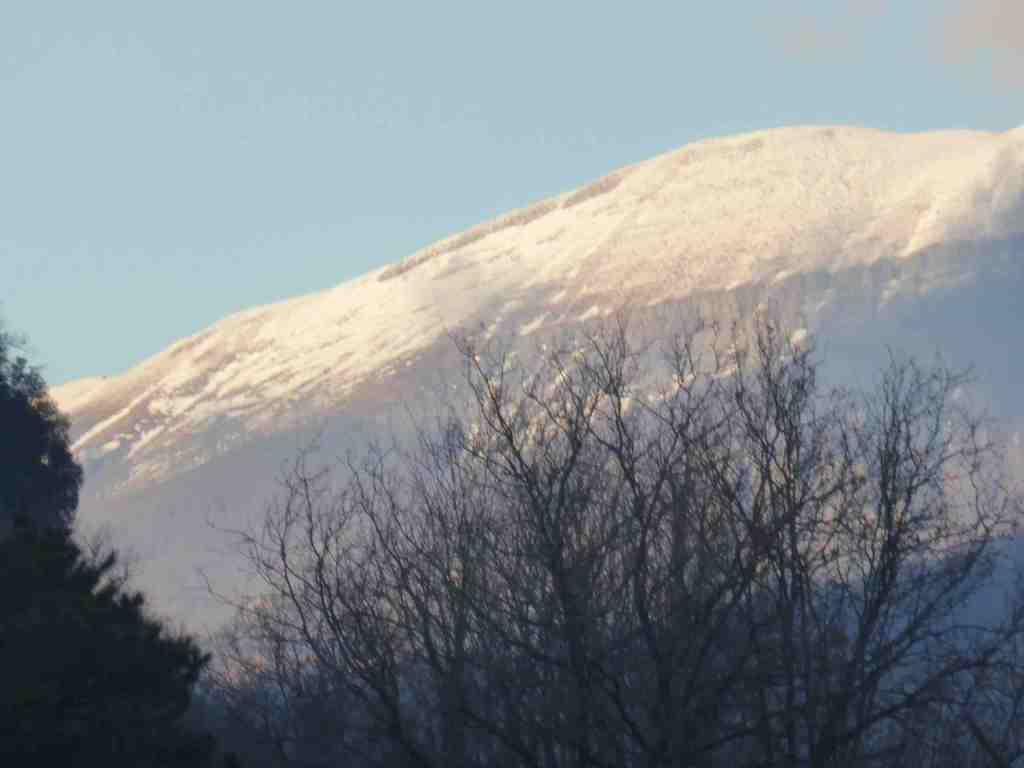
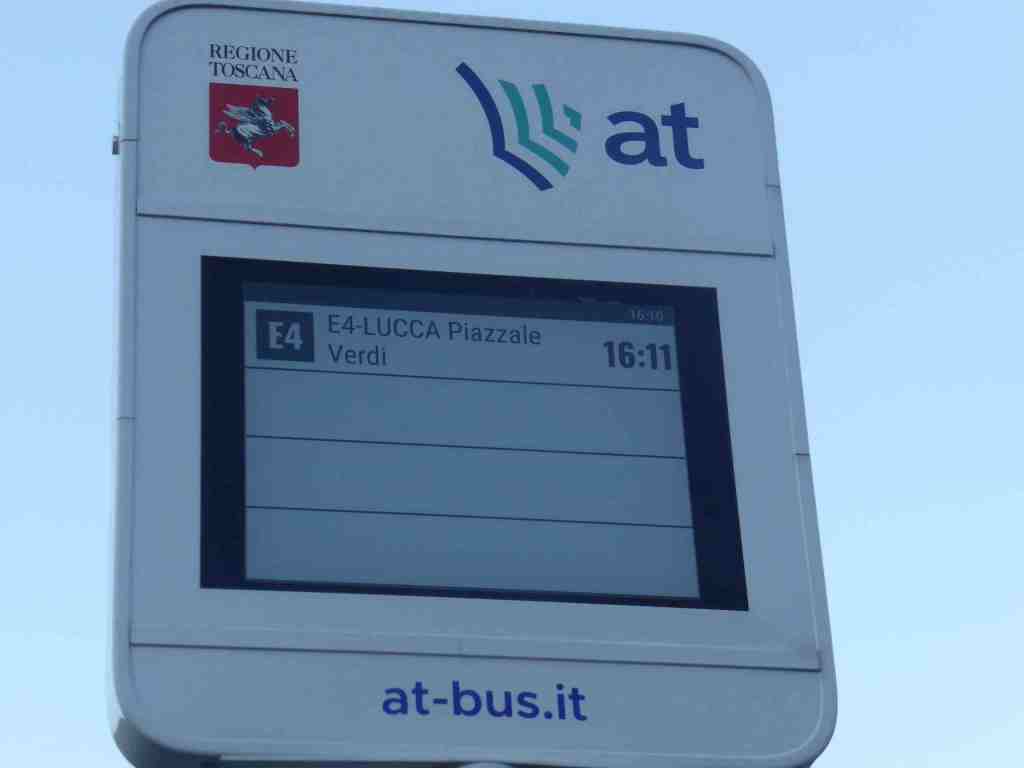
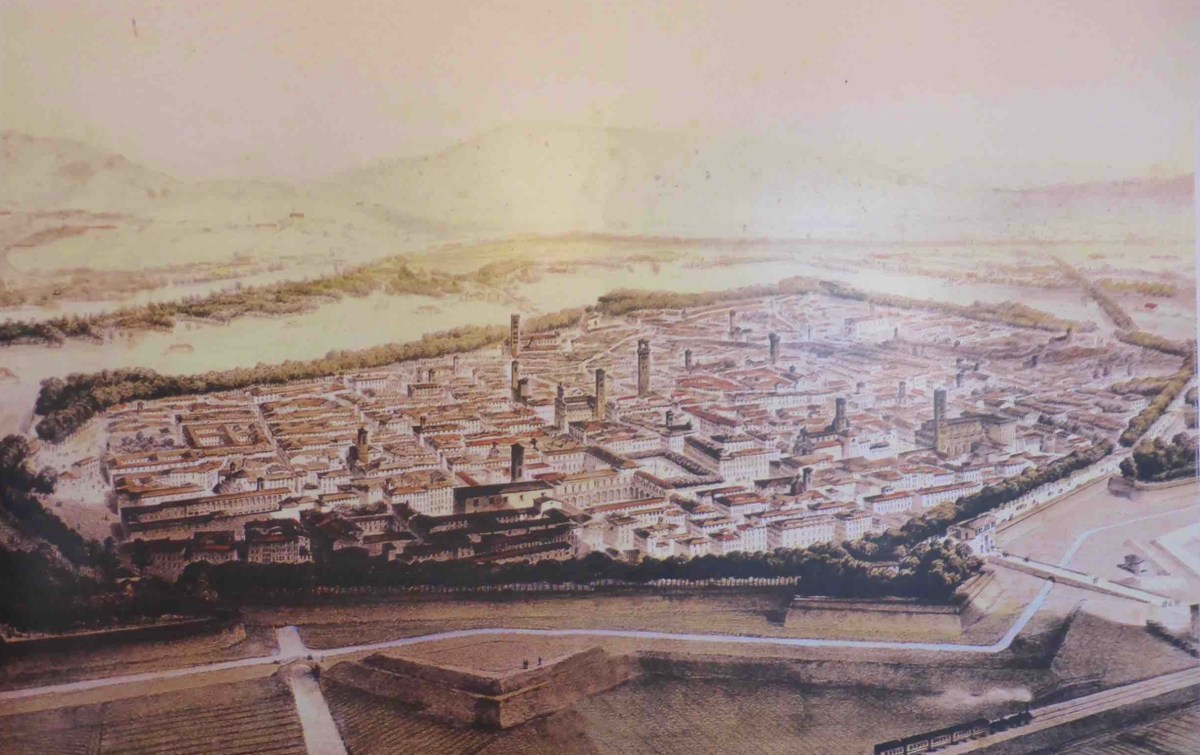
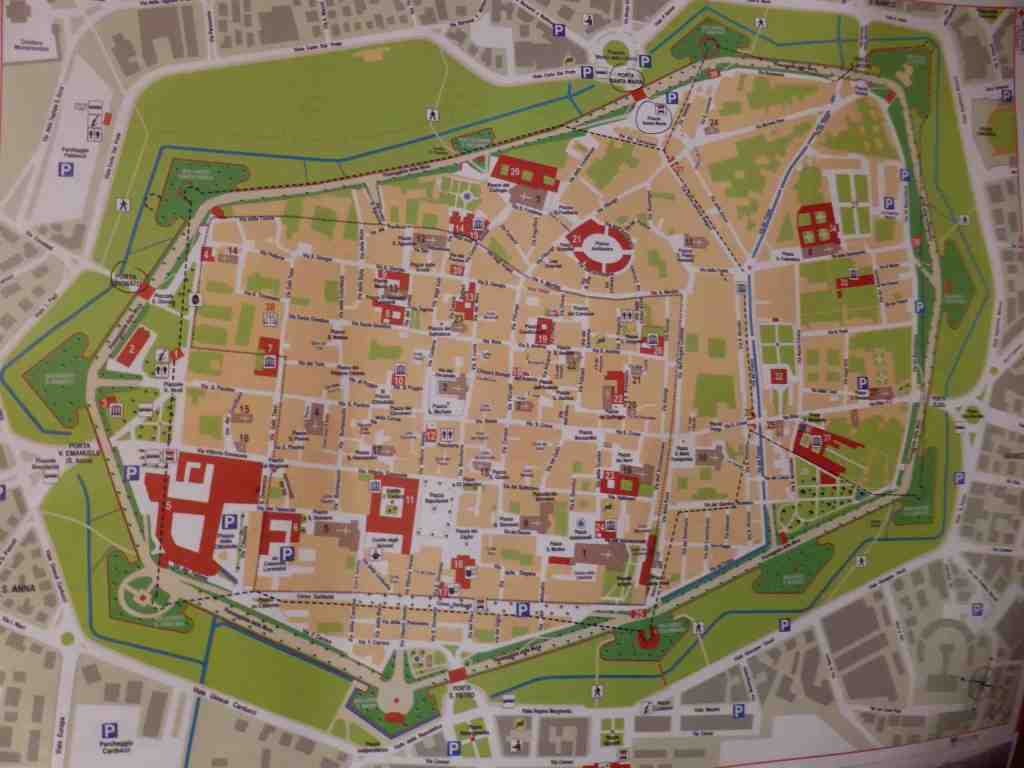


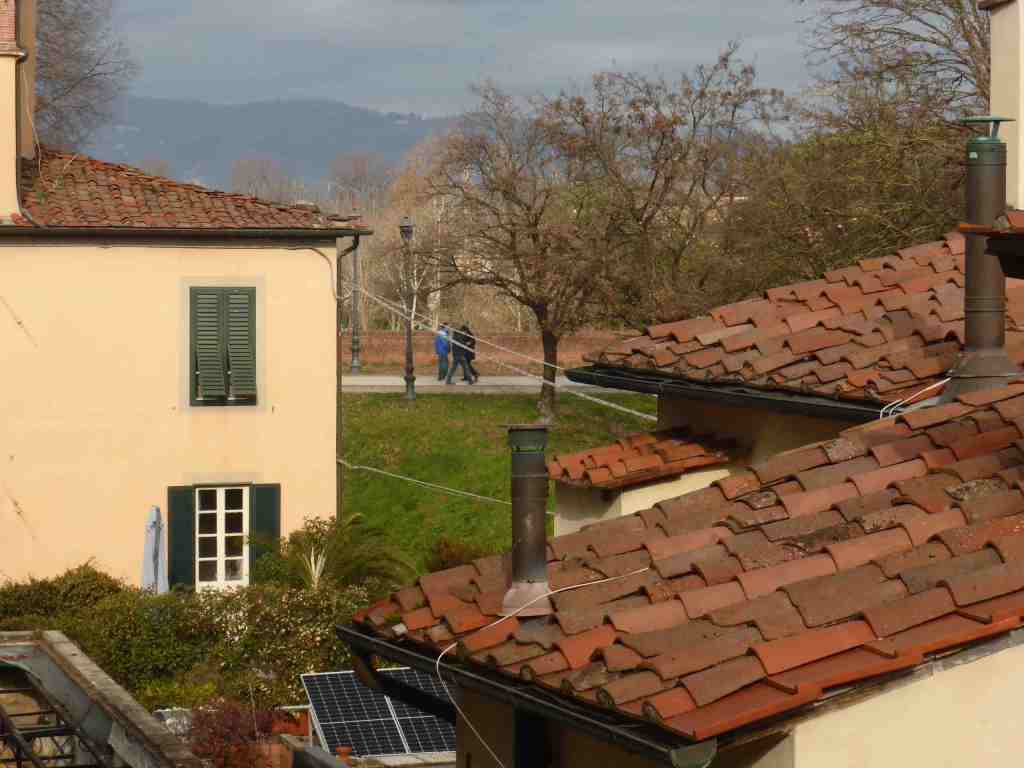
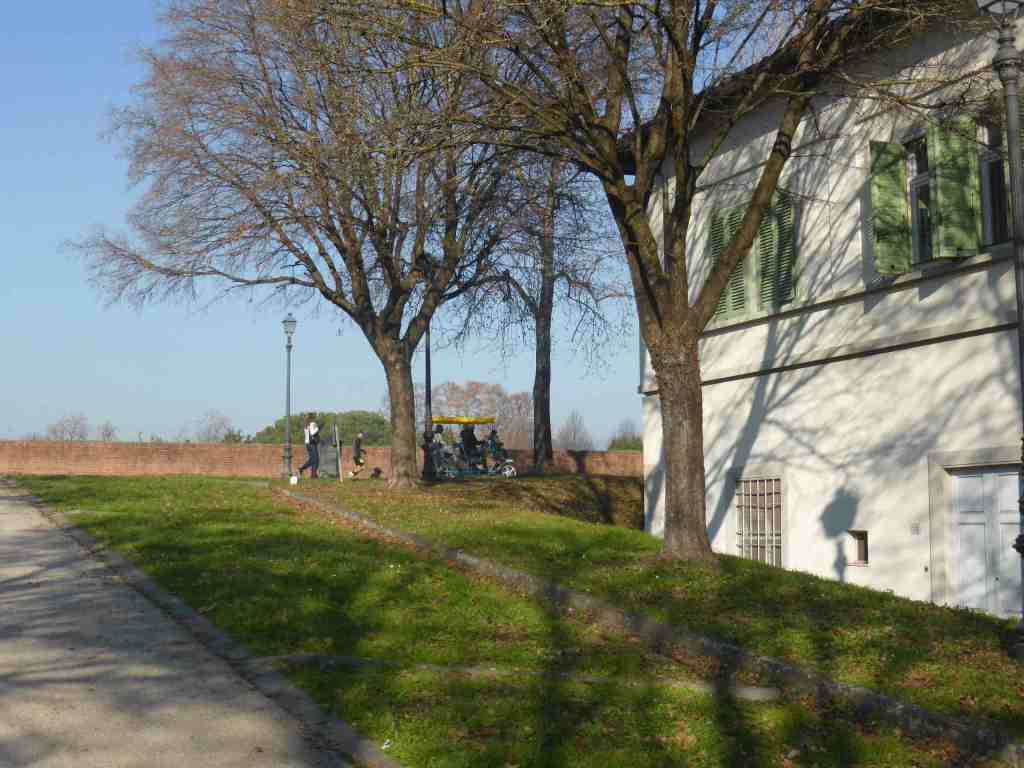

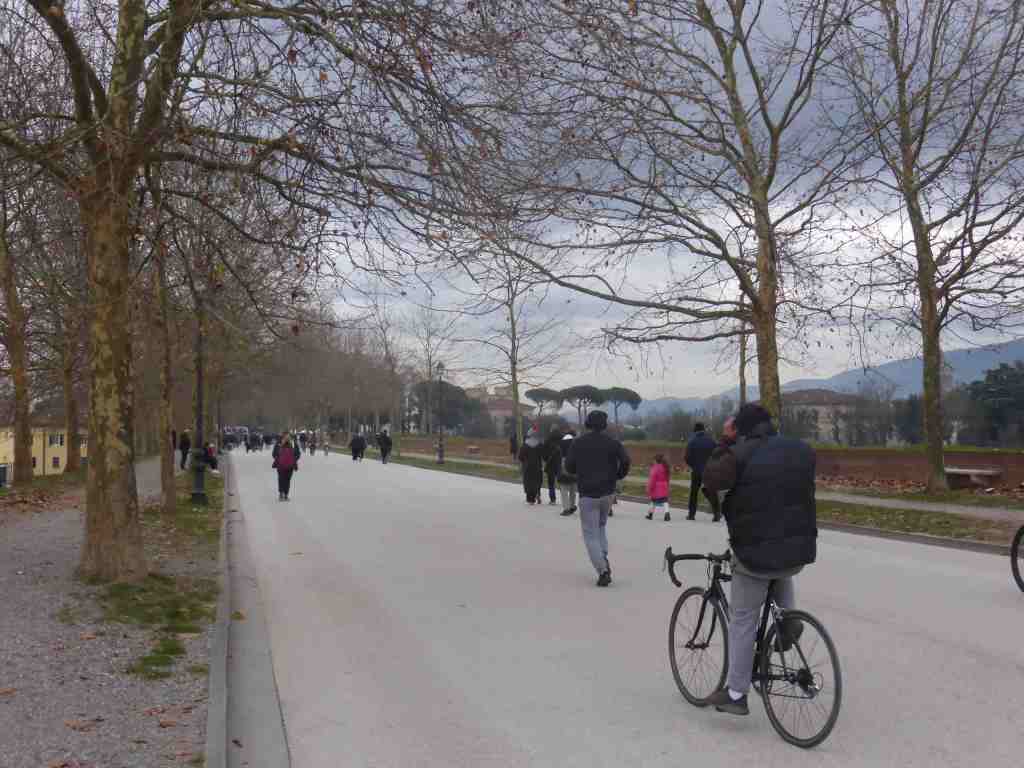
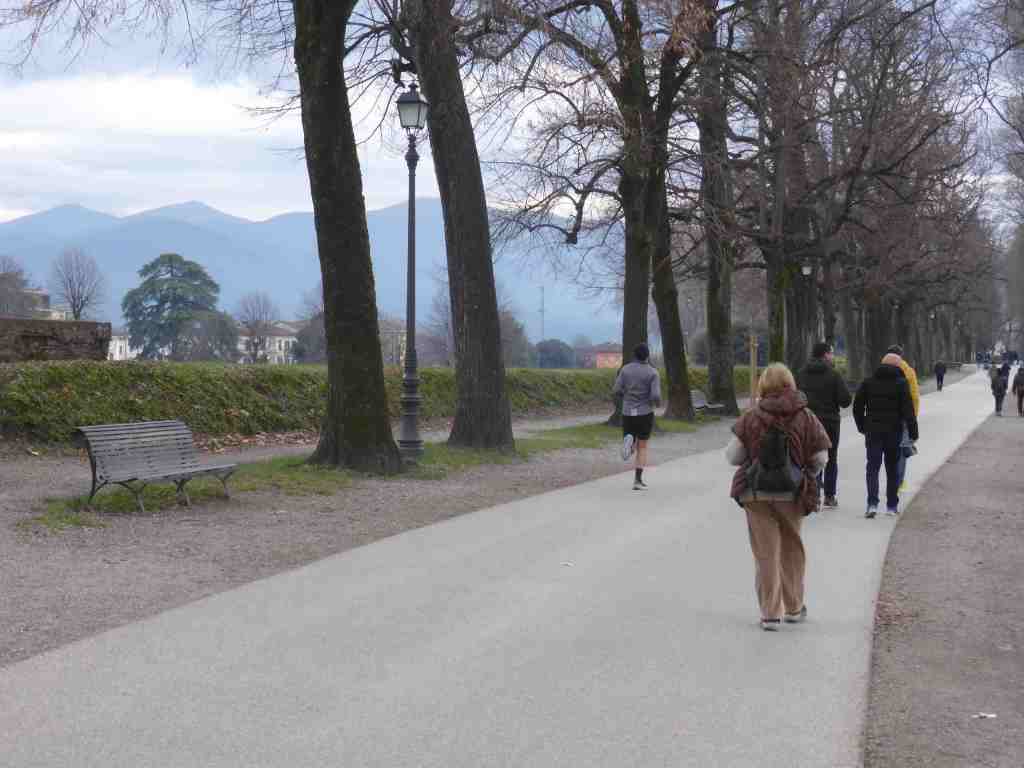
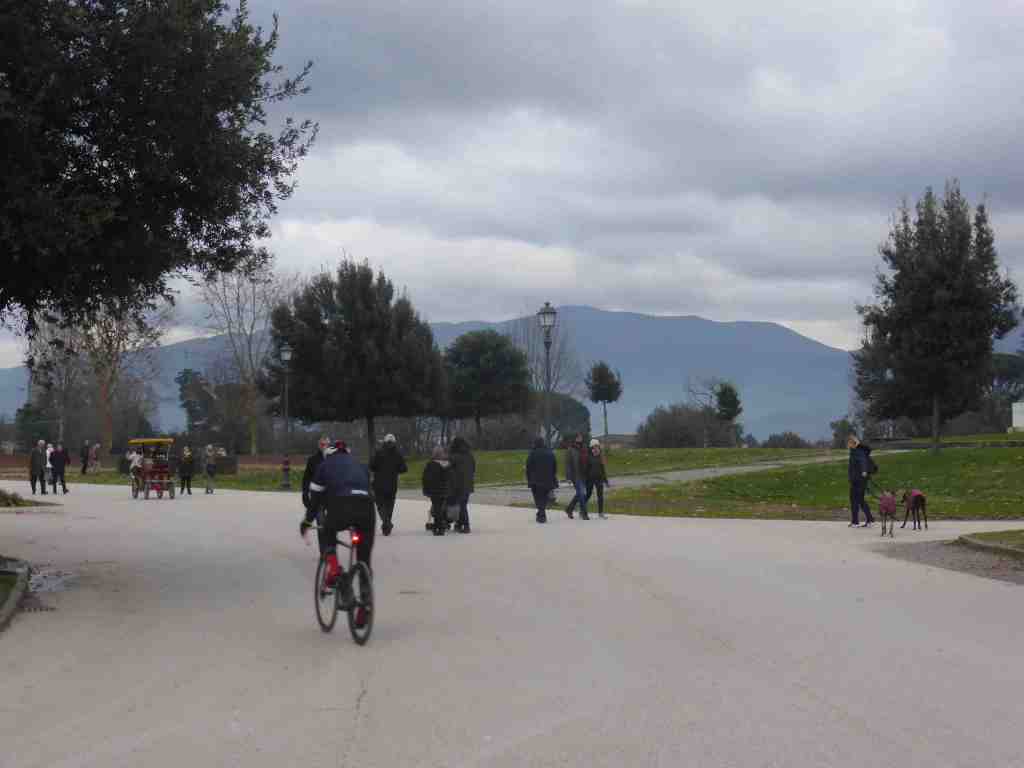
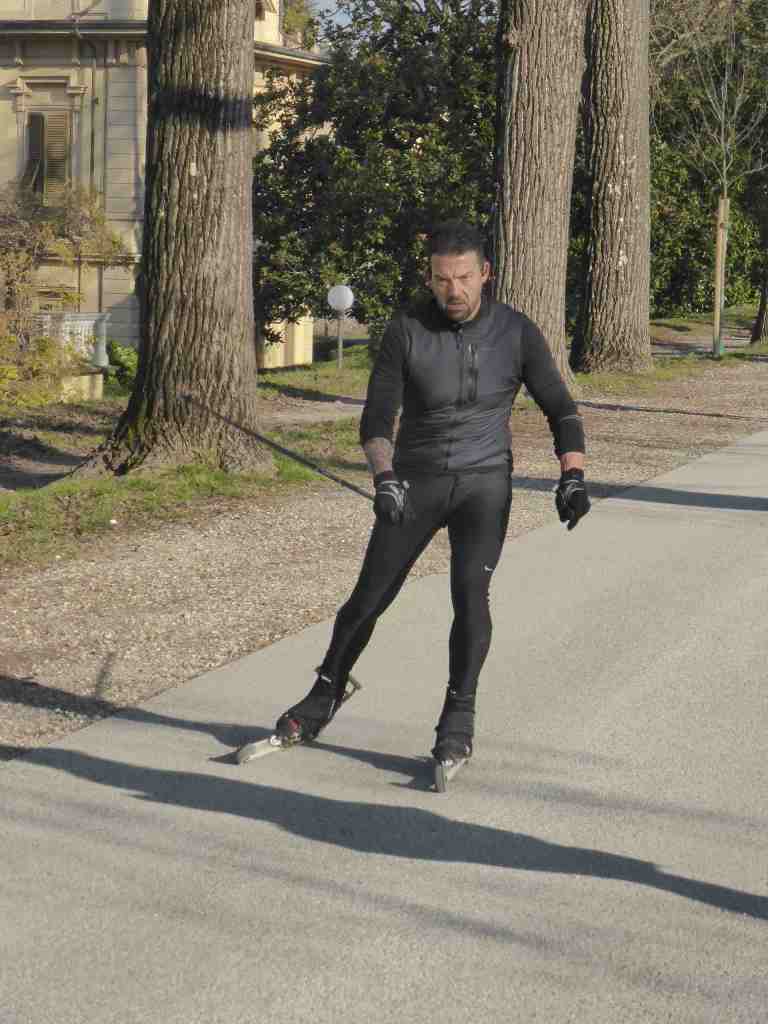


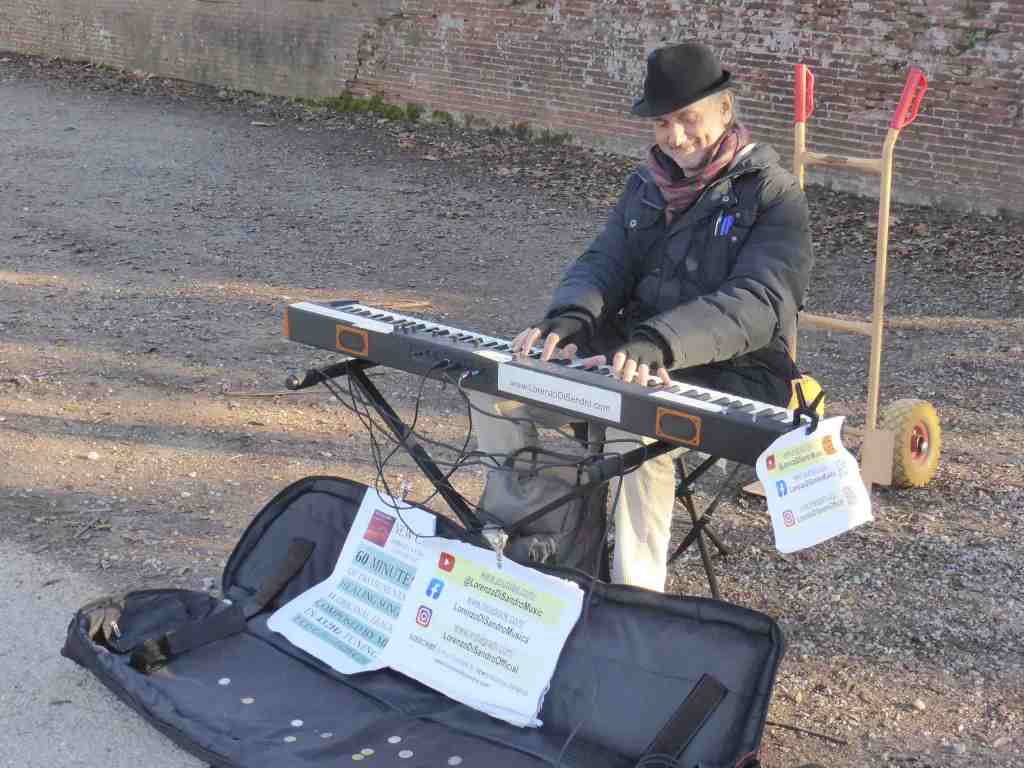

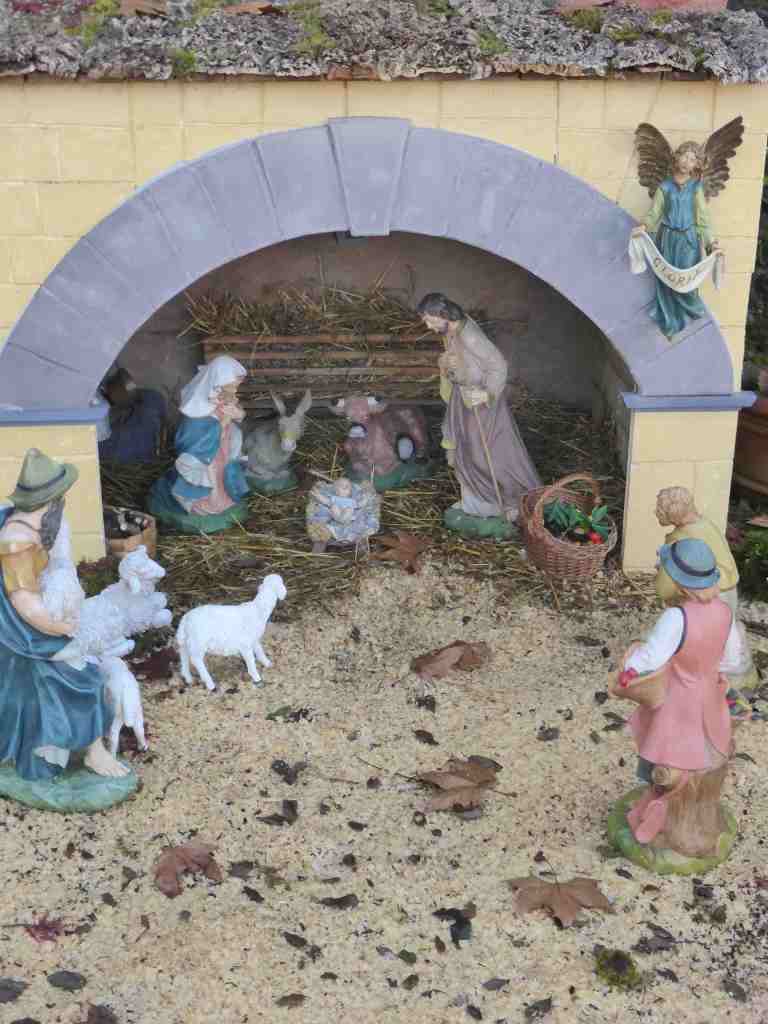
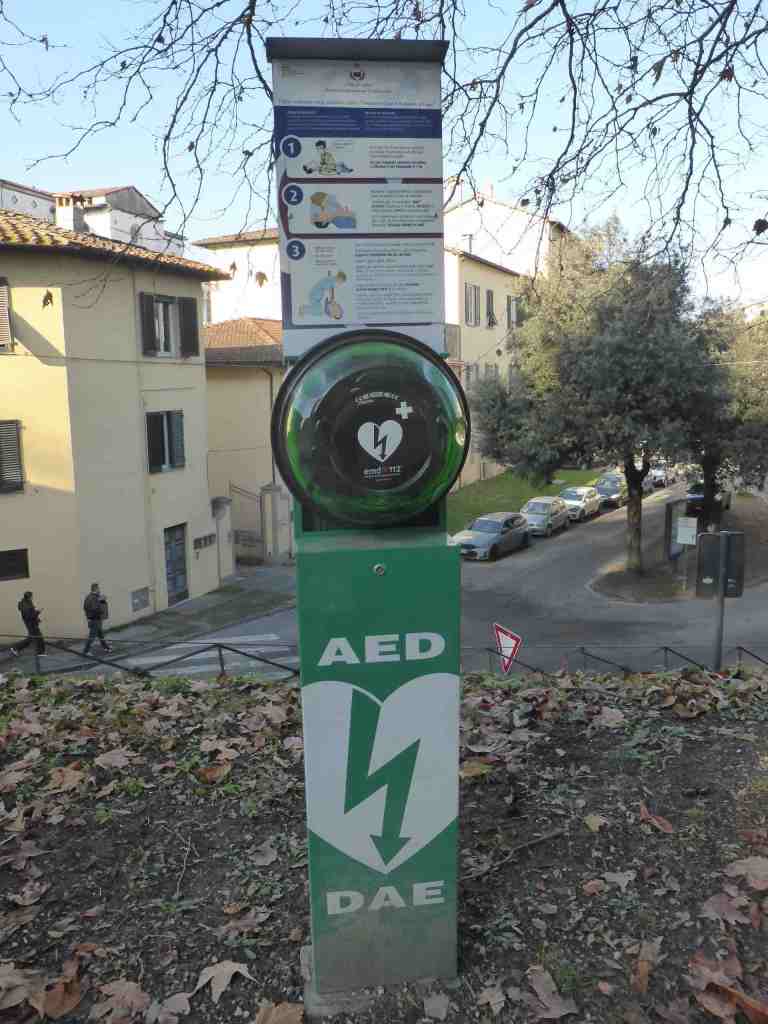

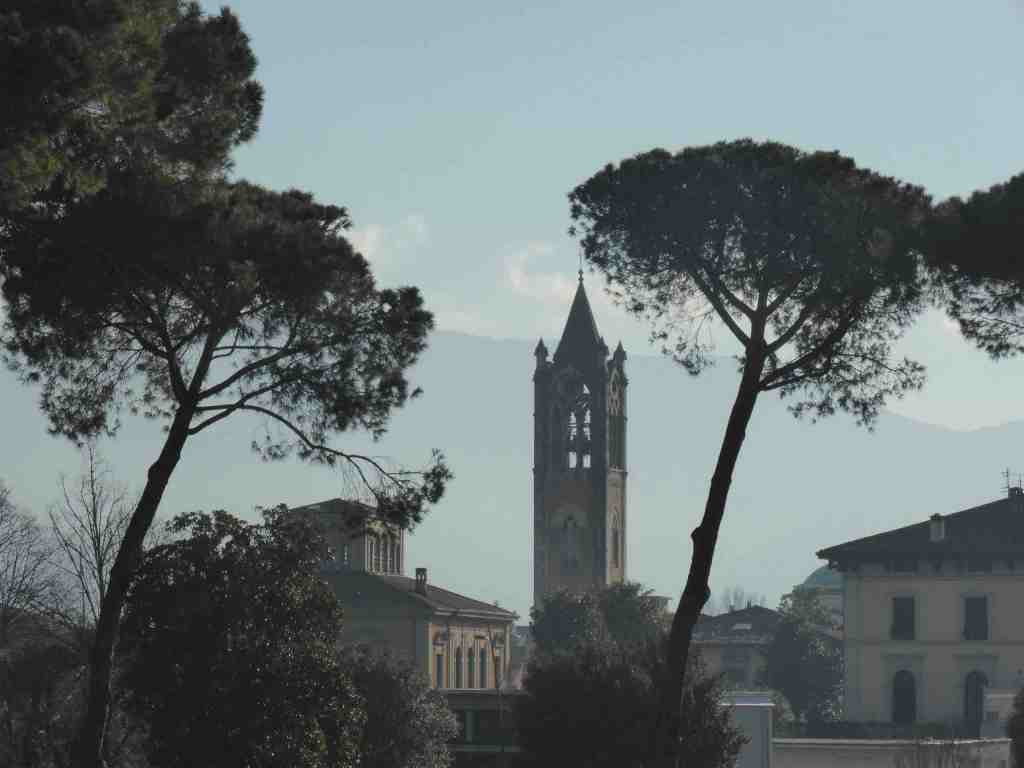

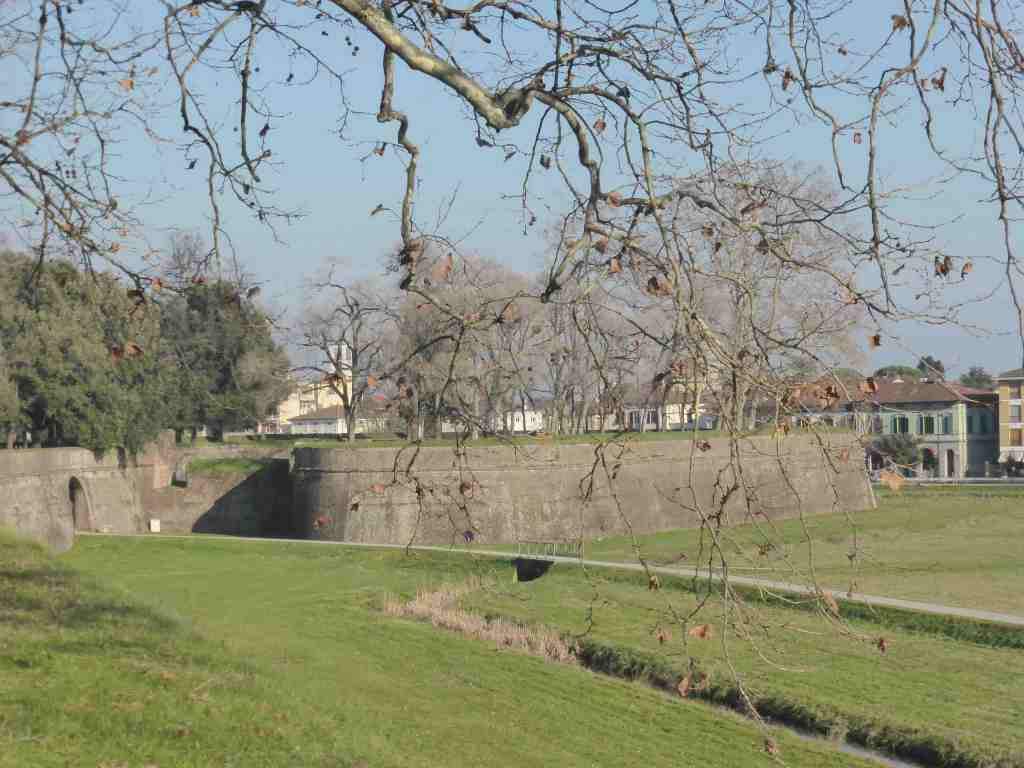
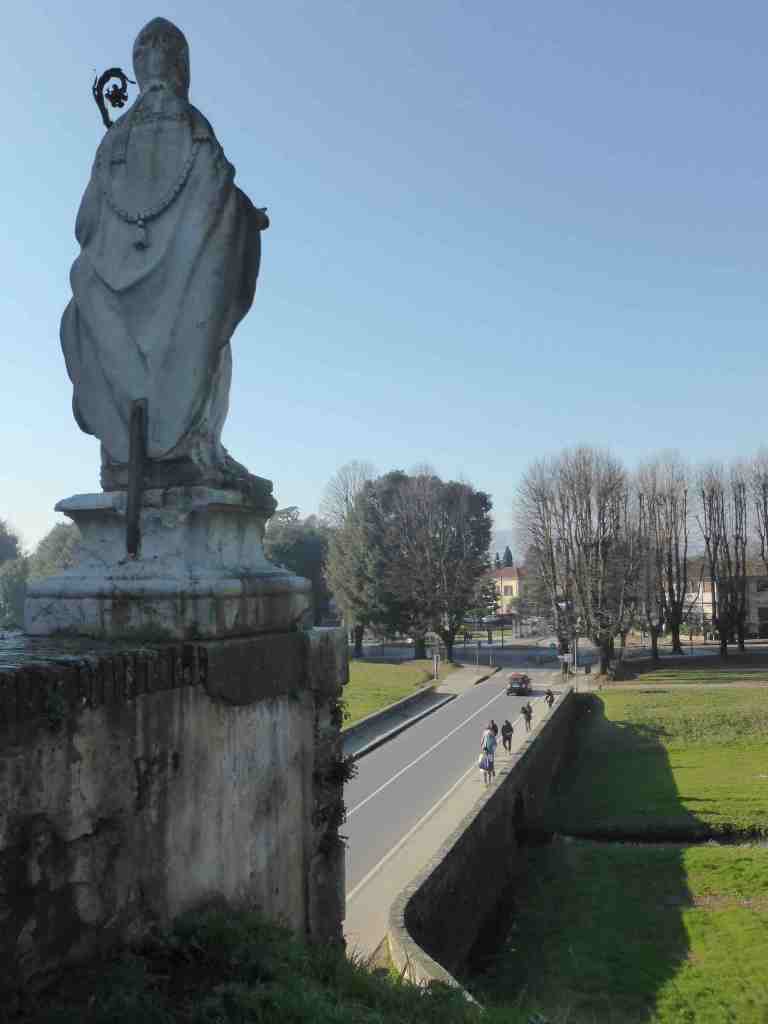
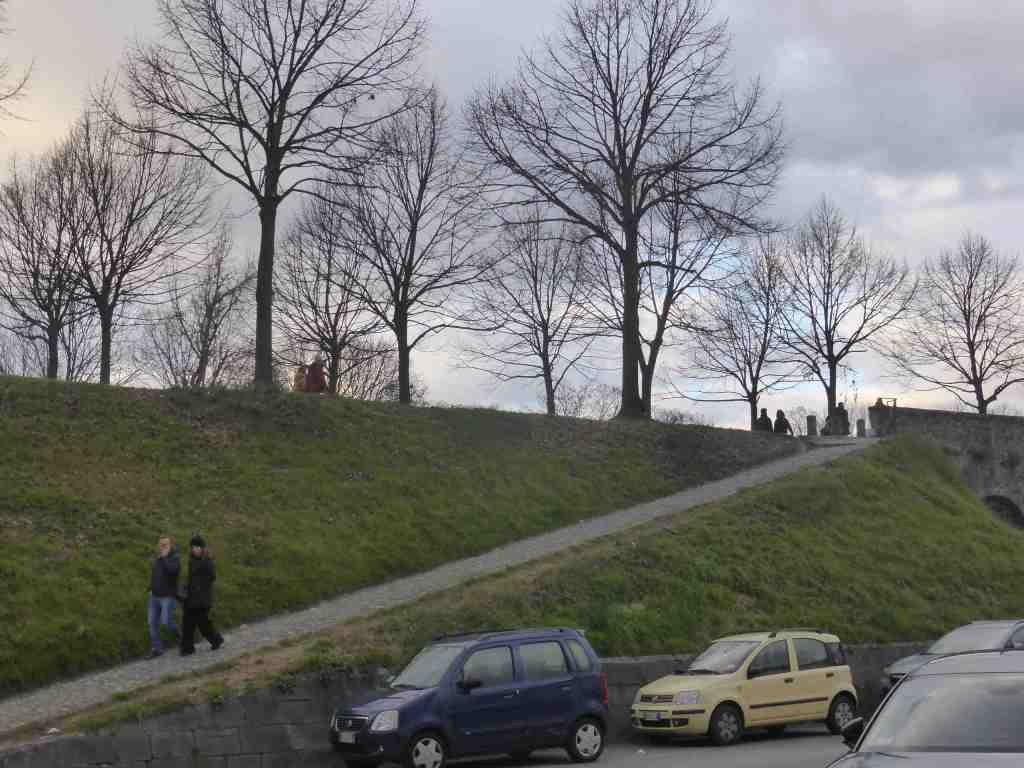
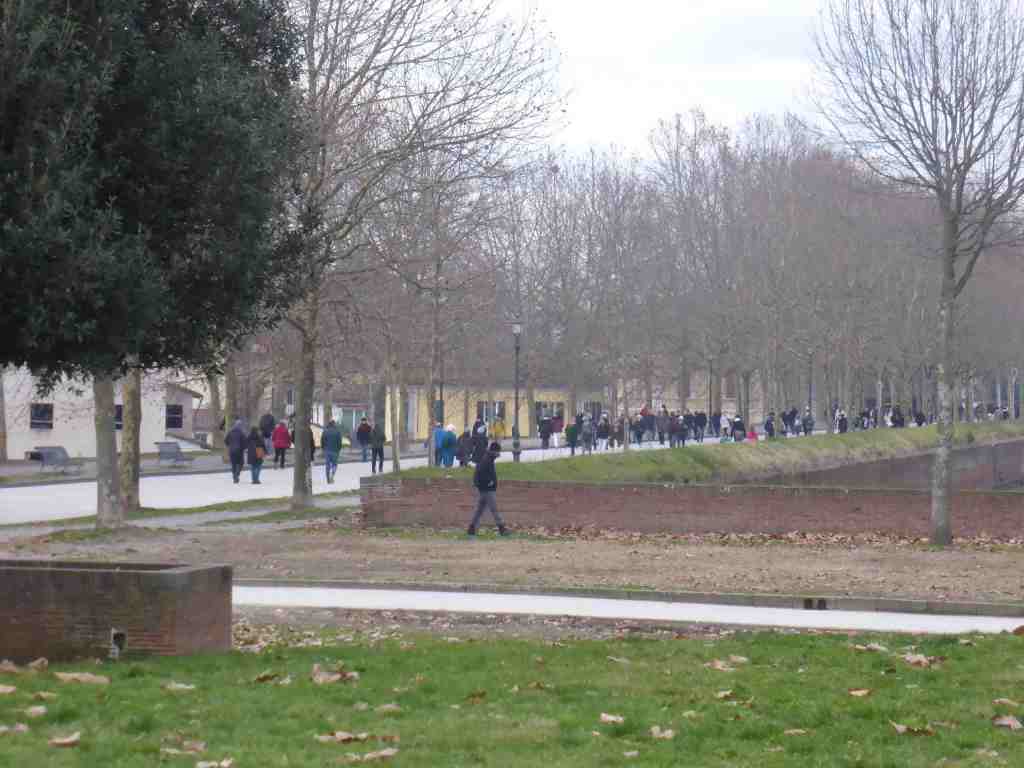
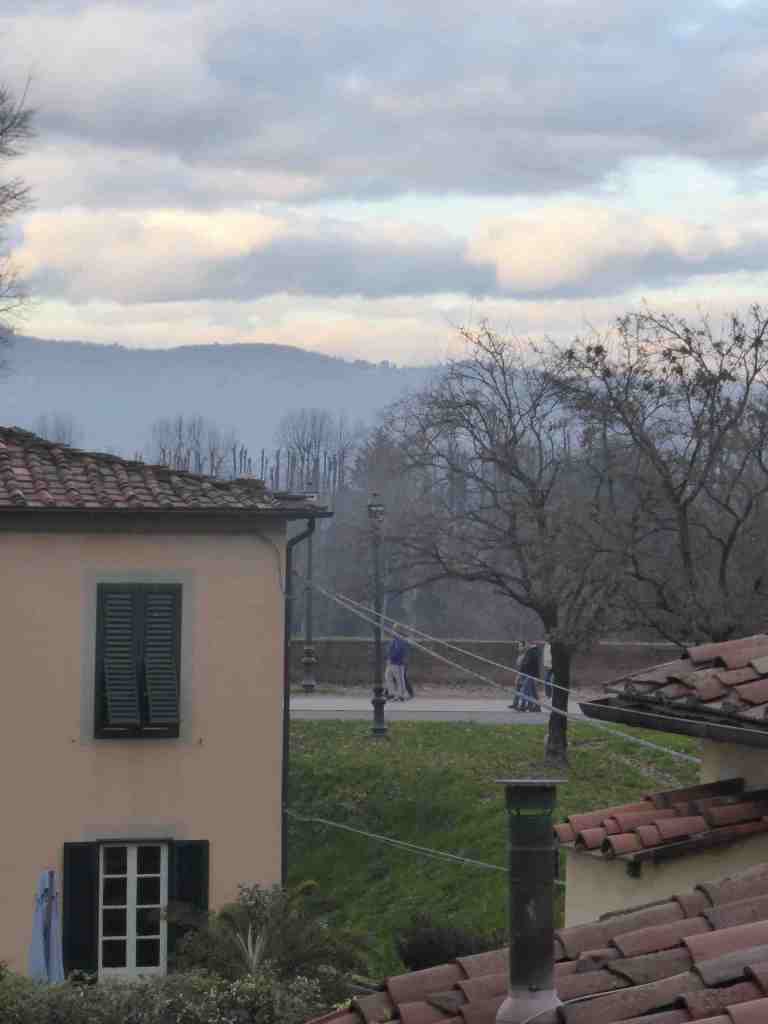
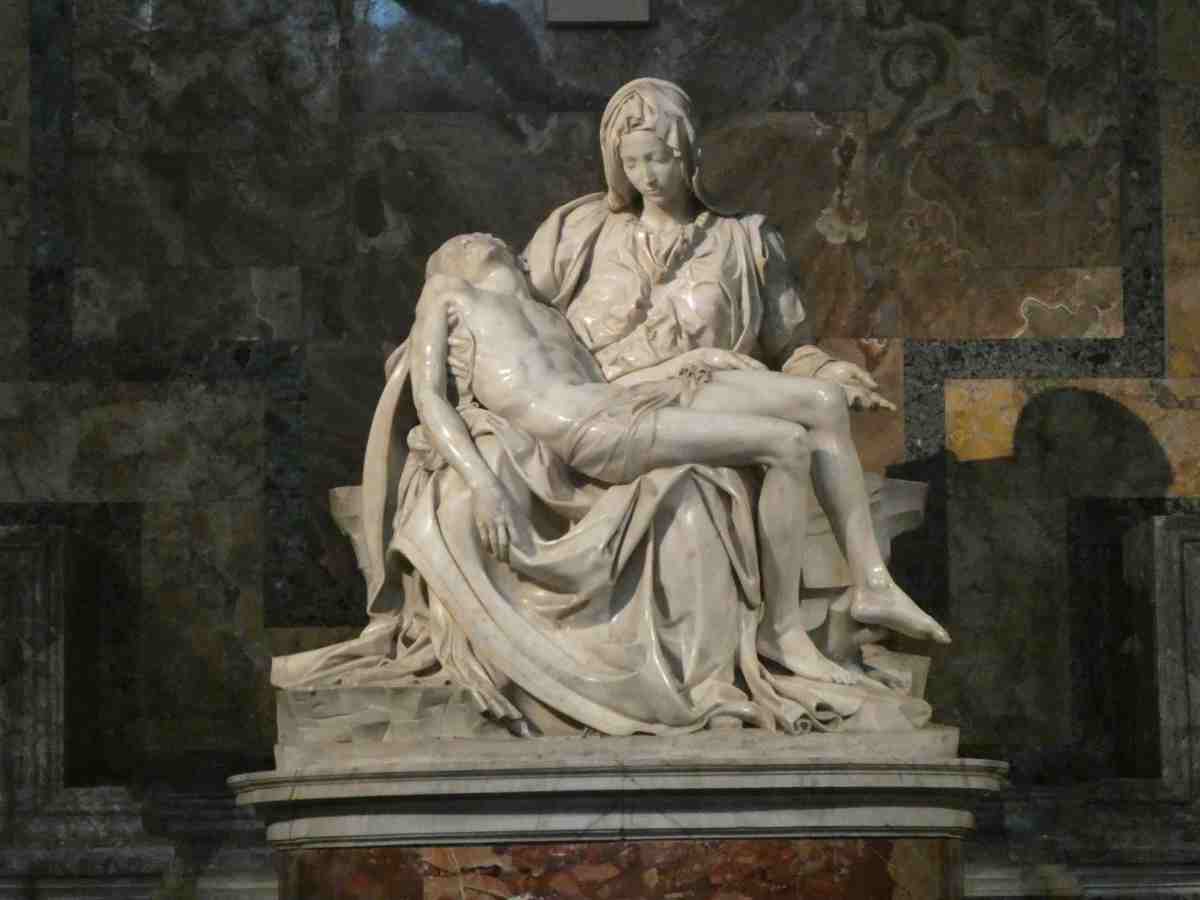


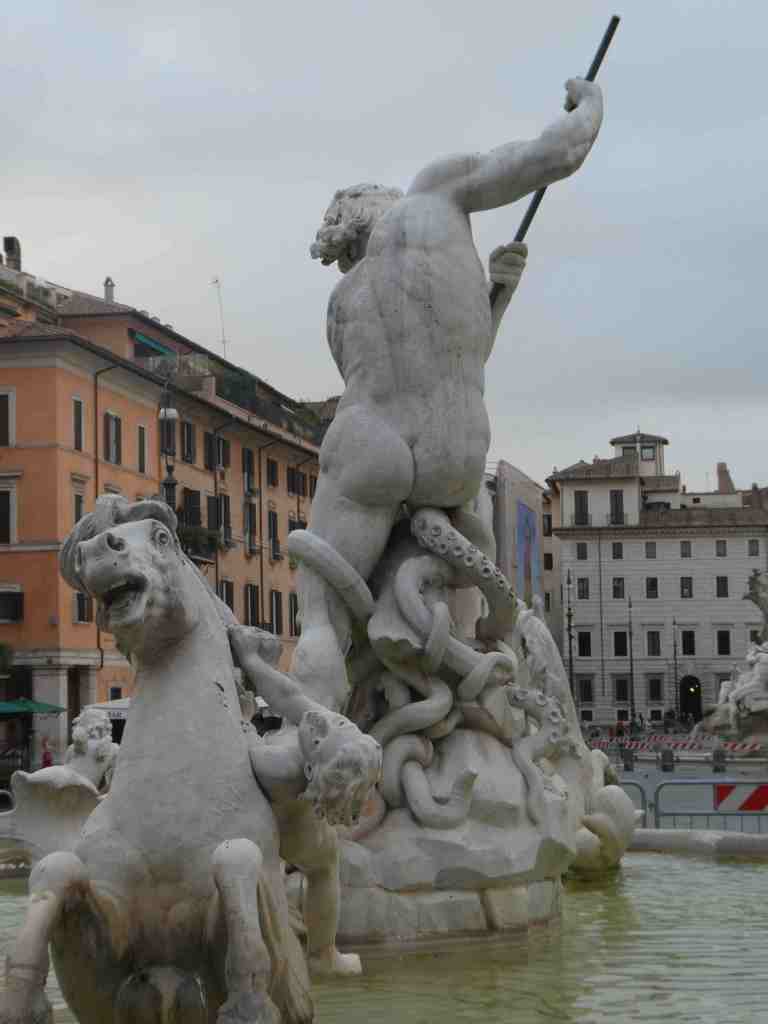
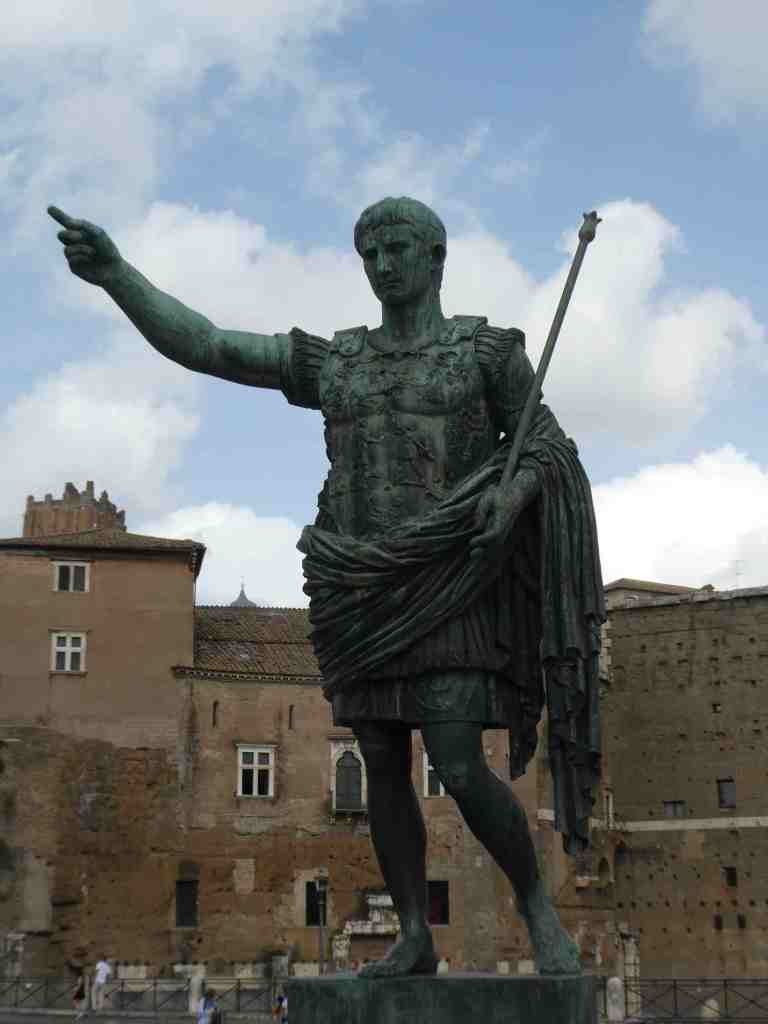


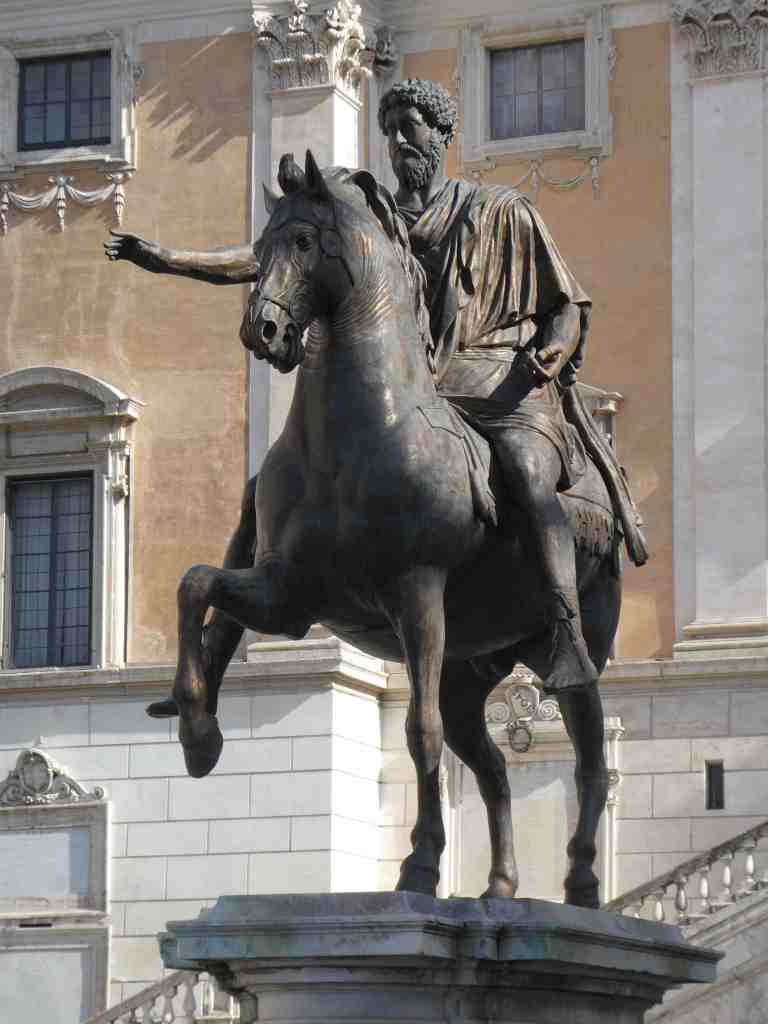

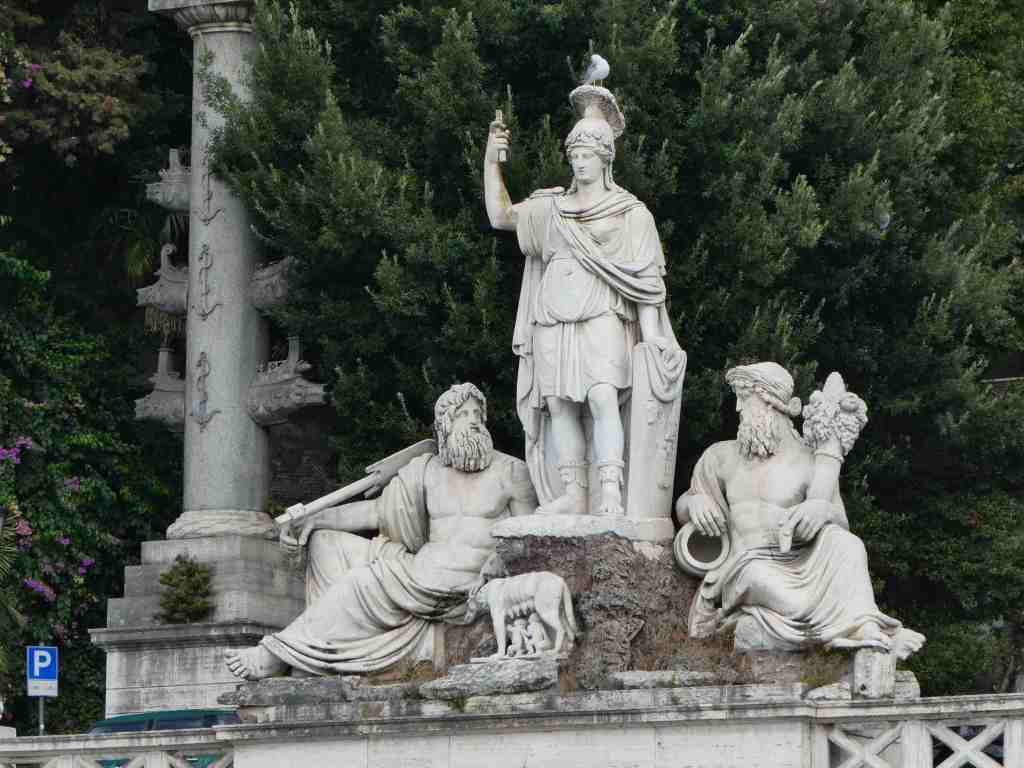


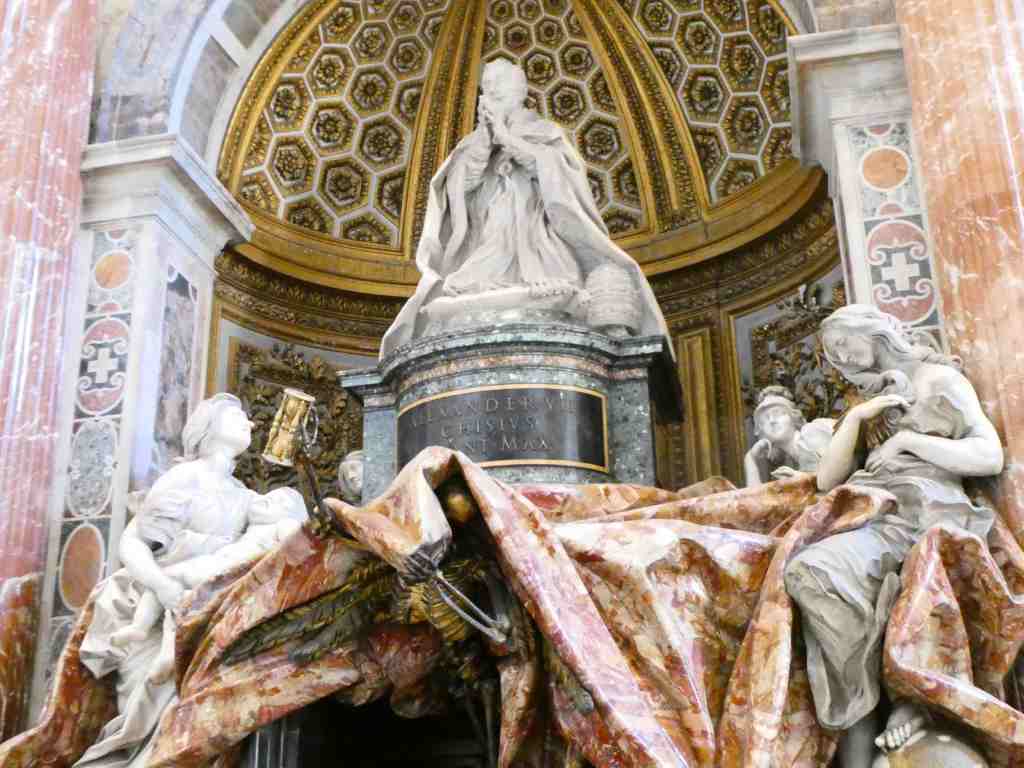

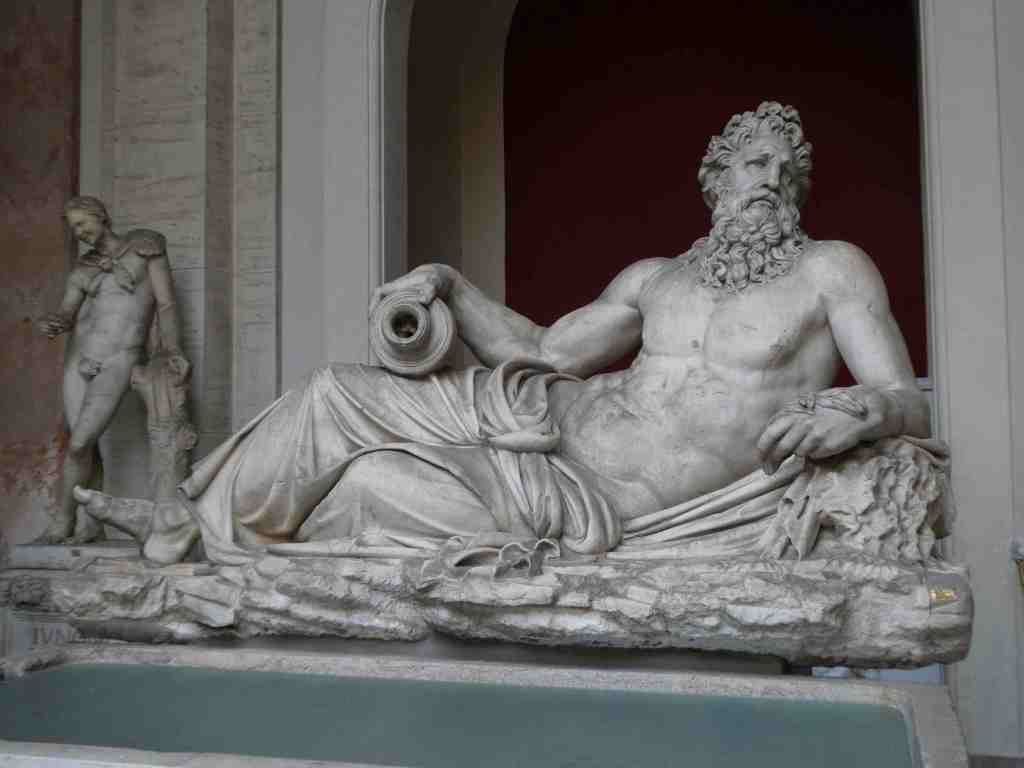
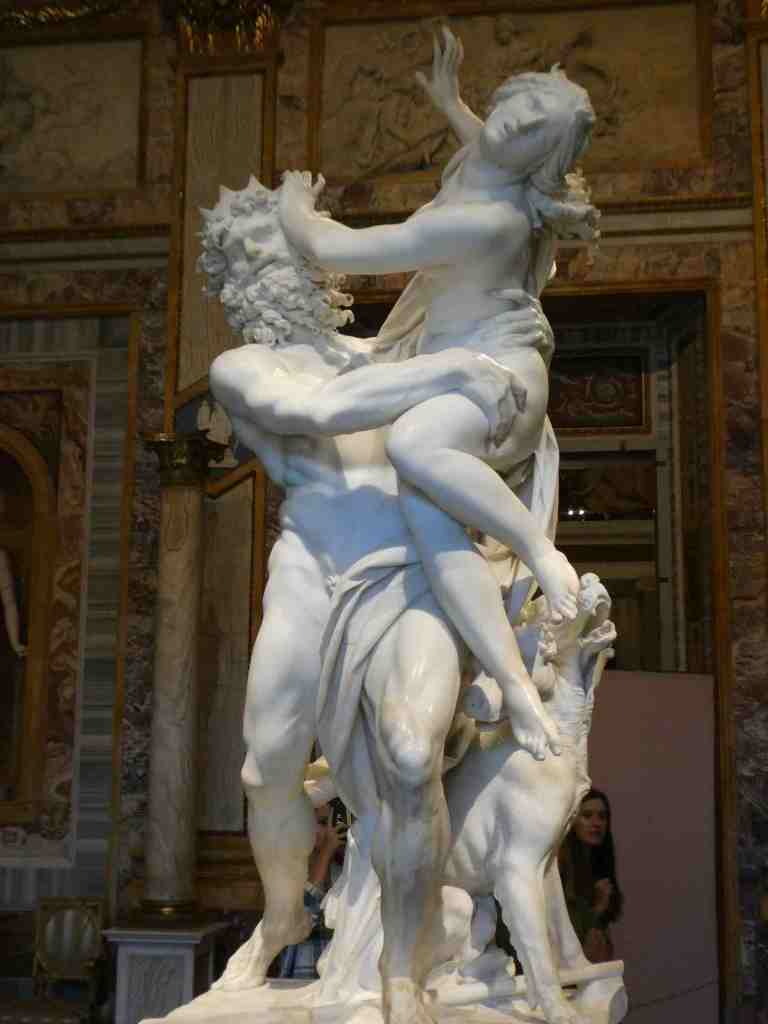
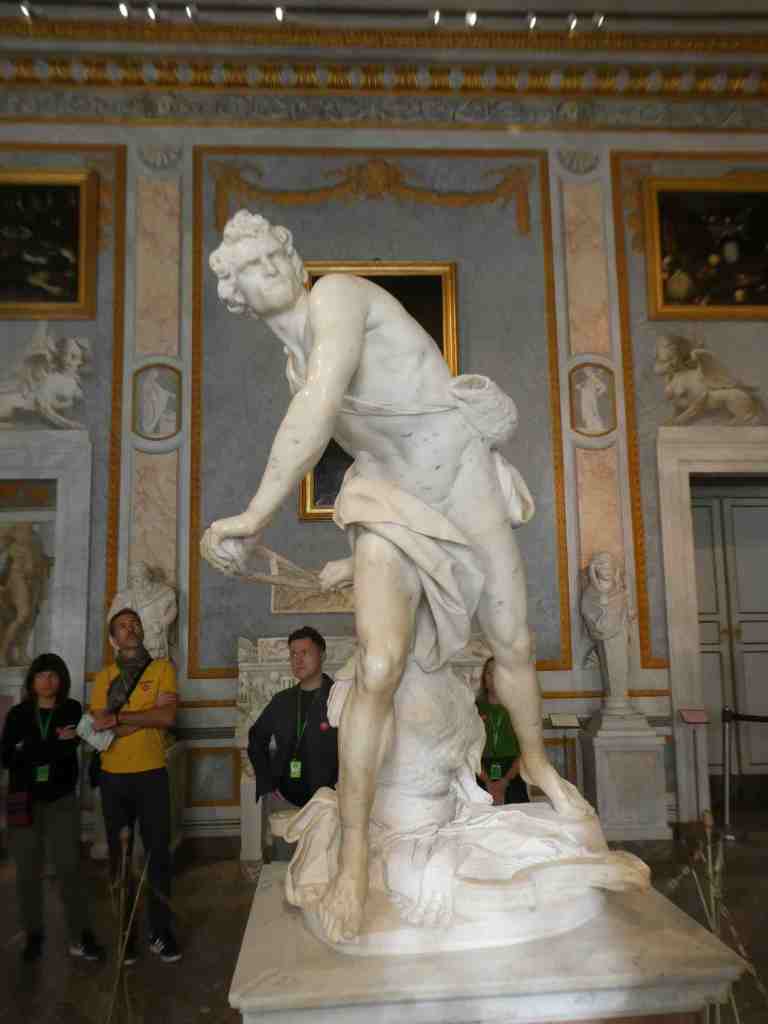


 Barry's travel blog