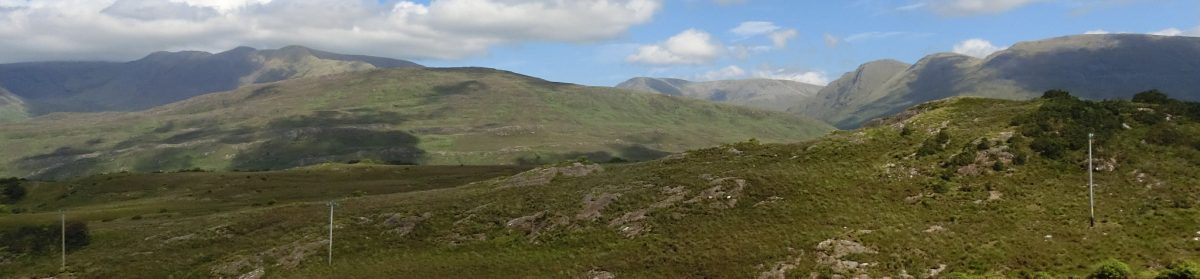

It’s only been a short stop of two days in Takayama, in (or close to) the Japanese alps, but I have enjoyed it immensely. A change of pace from the cities, as Takayama is a smallish city of about 60 thousand people, and it prides itself on maintaining some of the old ways of Japan. There are some sections of the city that are designated as areas to be preserved, so that the old architectural styles and associated customs can be experienced by all.
I’ve spent most of my time here just walking around, enjoying the ambience, the slow pace of life and the views of old Japan. It’s nice to walk slowly and soak it all in sometimes. Here are a couple more streetscapes to give you the idea:


Many artisans, such as wood workers, worked here, so it is unsurprising that so many buildings are wooden. Houses in the preservation areas look lovely, too, and many have an inviting front door area, festooned with flowers and plants. Here are a few examples:


The shops, too, have a traditional feel to them, as the random examples below show. Click on a photo to see more.


There is a morning market every morning; not quite a farmers’ market (although there are farmers there selling their produce), but a pleasant environment for strolling, shopping and chatting. I enjoyed some ginger-flavoured rice crackers and also my first experience with takoyaki balls, described at the stall as a “Japanese soul food, with flour, Welsh onion and octopus. They were delicious, and the young lady selling them was pleased to practice her English, finding Perth on her globe!


The morning markets seemed to be as much social affairs as commercial affairs, with a lovely relaxed feel, and lots of greetings and banter between shopkeepers and customers. Many stalls provided free samples to passers-by. I continue to be intrigued by the Japanese penchant for cartoon characters, not only for children.


Takayama is very proud of its annual festival, held twice a year and attracting enormous numbers of people to the city. the population apparently swells to around 300 thousand for the occasion. It’s been going for hundreds of years, and is regarded as one of the three most important festivals in Japan. So I felt obliged to visit the Festival Museum, which has four of the floats on display, as well as other information. You can see below some of the extraordinary floats (called yatai), as well as one of the hundreds of banners around town reminding people of the World Heritage status of the festival.


The yatai are very large and in my travels around town, I stumbled upon the occasional garage in which they are stored. (There are 23 altogether, and only four on display, so the other nineteen are somewhere else!)
I also visited a very nice display of traditional houses (the Hida Folk Village), which have been moved from elsewhere in the province to Takayama, to preserve a sense of how people used to live. The very peaked houses (called gassho, as they are reminiscent of the hands of people praying and named accordingly) were designed to withstand the heavy snowfalls in this region in winter. It was a very interesting park, and occupied me wandering for a couple of hours.


The folk village even has a small rice field, which is now almost ready for harvesting. Each of the houses had at least one central fire for cooking as well as heating (and lighting) in traditional times. The thatched roofs were very complex, and were apparently usually built by the whole village when needed. There were also some lovely views of the nearby mountains from the village.
Takayama has a good collection of interesting temples, some of them hundreds of years old, and I enjoyed following the (sometimes cryptic) signs to get from one temple to the next. I’m sure that the directions were clear to whoever wrote them, but they often gave me some pause before knowing where to go next!


I was also able to visit a few old houses, which were open to the public. The tatami mats were very prominent in all of them. I learned that rooms can change character easily by putting something in them; a room is not necessarily designed as a bedroom for example, but clearly takes on that character when a bed is added. Similarly, a bare room can easily become a reception room of some sort by adding a table and chairs. Linking the house to the garden seemed to be important, too. I love the paper screens and the complete lack of clutter (not possible for me to emulate the latter, however!)


In my wandering around town, I was impressed to find how well toilets are provided. (This has been the case everywhere in Japan, unlike the case in some countries – especially European – where there seems to be an assumption that nobody needs to go to the toilet and, if they do, they are prepared to pay handsomely for it). The Free Lounge was a wonderful example, providing both toilets, benches, a cot for a baby and space to rest, as well as tourist information and even a computer with advice on where to go … all for free! I resented paying sometimes as much as one euro in Europe just to pee or being expected to buy something in other countries for the privilege of relieving yourself; they have a lot to learn from Japanese hospitality!


In my travels today, I also visited a couple of sake breweries, apparently something else for which the region is famous. The large sake barrels are distinctive, and identify an establishment as being involved with sake. I’ve tried sake several times before, even a few times on this trip, but am still unable to tell one sake drink from another, unlike real sake drinkers. In fact, this evening, I noticed some sake bottles high on a shelf in an izakaya, shown below, and left there after opening, waiting until their owner next returns to continue drinking them; a clear sign of the trust Japanese people put in each other – in Australia, we would certainly be worried that someone else would be helping themselves to our drink in our absence!


Speaking of izakaya, of which I have written a blog previously, I enjoyed meeting up with some local Japanese people tonight at a couple of different places, firstly in a local pub and secondly in a Mexican restaurant (as the tempura restaurant at which I had intended to dine was full). As usual, it was nice to chat with the locals, despite the inevitable language barriers. People here continue to be very friendly to strangers. I was very impressed also with the automatic beer-pouring machine in the pub! (Which makes me wonder again, if it’s that easy, why Australian restaurants don’t offer draught beer …)


I got the impression that nothing much happens in a hurry here in Takayama. Cars seem hardly ever get out of second gear, and bicycles just generally glide along. For example, I was surprised this afternoon to see a lady park in the middle of the main street, leaving her vehicle with lights flashing, so that she could pop into a roadside stall for a couple of minutes and get some rice balls. Nobody seemed to mind: the traffic behind her just waited until she was finished, rather than blowing their horns impatiently! I had just myself eaten some of the rice balls, and discovered how delicious they were, so I understood her plan.


But this morning, on the other hand, I spotted a (very) young man out walking with his brand new squeaky shoes, who was certainly in a hurry. It seems that he had just found out how to walk and was determined to cover as much ground as he could as quickly as he could. He stopped short on seeing me, as the picture below shows.
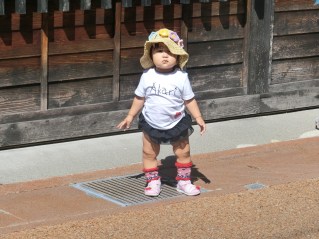
But then he moved on, at his previous frantic pace. No doubt, in time, he’ll be socialised to slow down, take a deep breath, and enjoy the country lifestyle offered by this charming traditional city, as do his relatives, no doubt.
Last minute addendum … the first rain I have experienced since coming to Japan more than two weeks ago, and just a little drizzle. I loved watching the convoys of uniformed kids going to school, with the yellow umbrella apparently part of the school uniform for elementary school. Of course, the high school kids are too cool for that, and go by bicycle!


Finally, all over town are these Saurubobo dolls, which are good luck charms, coming in various sizes and colours. This is a large one, clearly, sitting outside a shop.

Best of luck to all from Takayama … a really beautiful place. I hope to return here one day.


Loved thus blog and it makes me even more keen to explore Japan. Looking forward to the next one.
LikeLike
Thanks Chris. A lovely country to explore. I’m sure Sarah would tag along if asked 😉
LikeLike
My favourite was the little cutie in his new boots! 👍👍😜😜
LikeLike