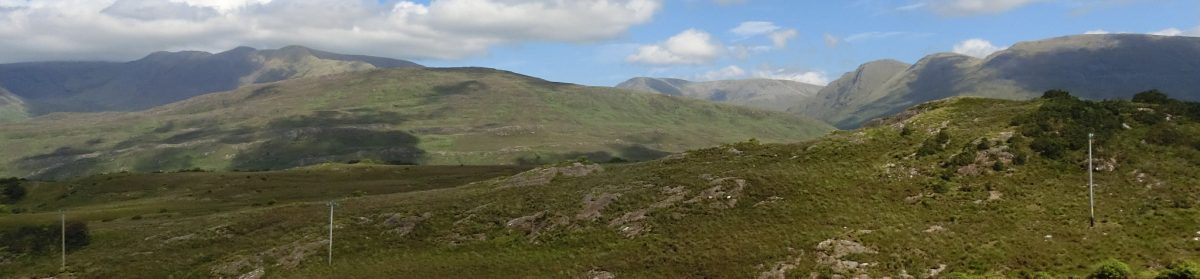

I read somewhere that there are about a hundred churches in Lucca; I’m not sure that’s true, or that they are all still active, but some are certainly more important than others. St Martin’s Cathedral (usually called the Duomo – as it is the city’s cathedral) is certainly one of the best in Lucca, and I thoroughly enjoyed my second visit there today. It’s interesting to me that I see more and more each time, so it’s nice to have the chance to visit more than once. (Unlike some people, whom I’ve heard reporting that they are ‘churched out’ after a short while.) Although I am not really a religious person, a building like this reflects many important aspects of the culture and society in which it stands. The picture above shows some of the remarkable interior, more of which later.
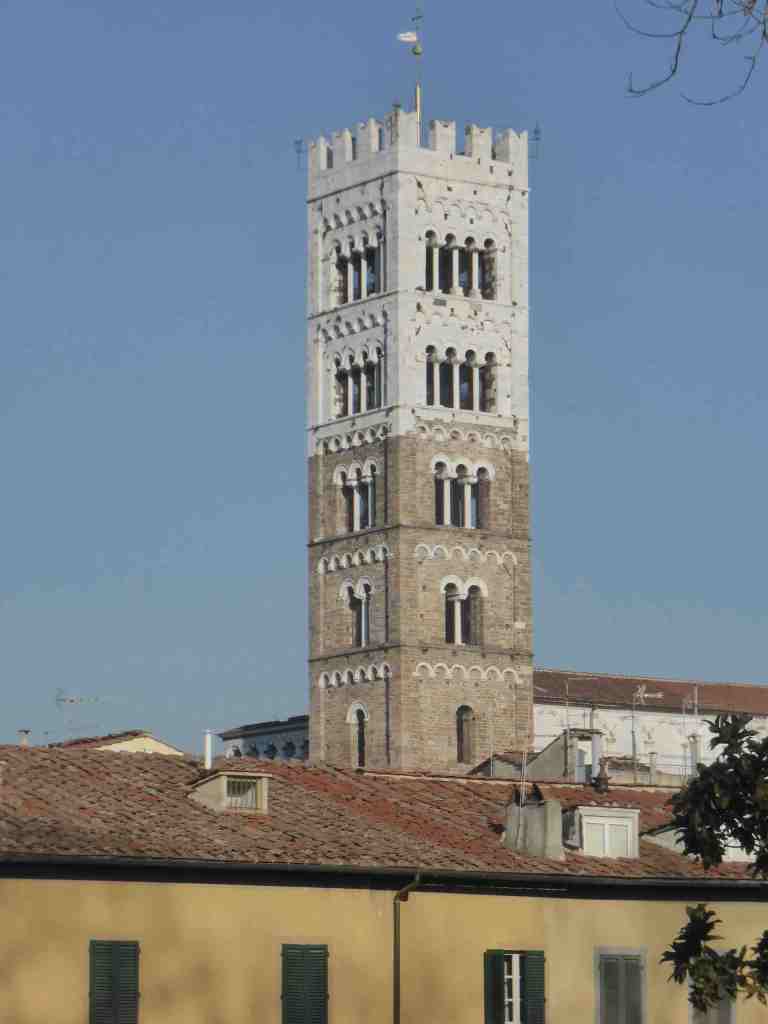
Old buildings like this of course go through many phases, so it’s often hard to date them. In this case, the church became the city’s cathedral back in the 8th century, although it seems to have been consecrated as a cathedral in 1070 (almost a thousand years ago!), with many physical modifications made since then. The external building in fact looks decidedly odd, because it is quite asymmetrical (click the image below to see the extent of the asymmetry, which is quite unusual in important buildings). Notice too that the adjacent bell tower, which I reported seeing from the wall on my first day here, has two different colours while successive levels have different numbers of windows, signalling that building and re-building have taken place over an extended period of time.
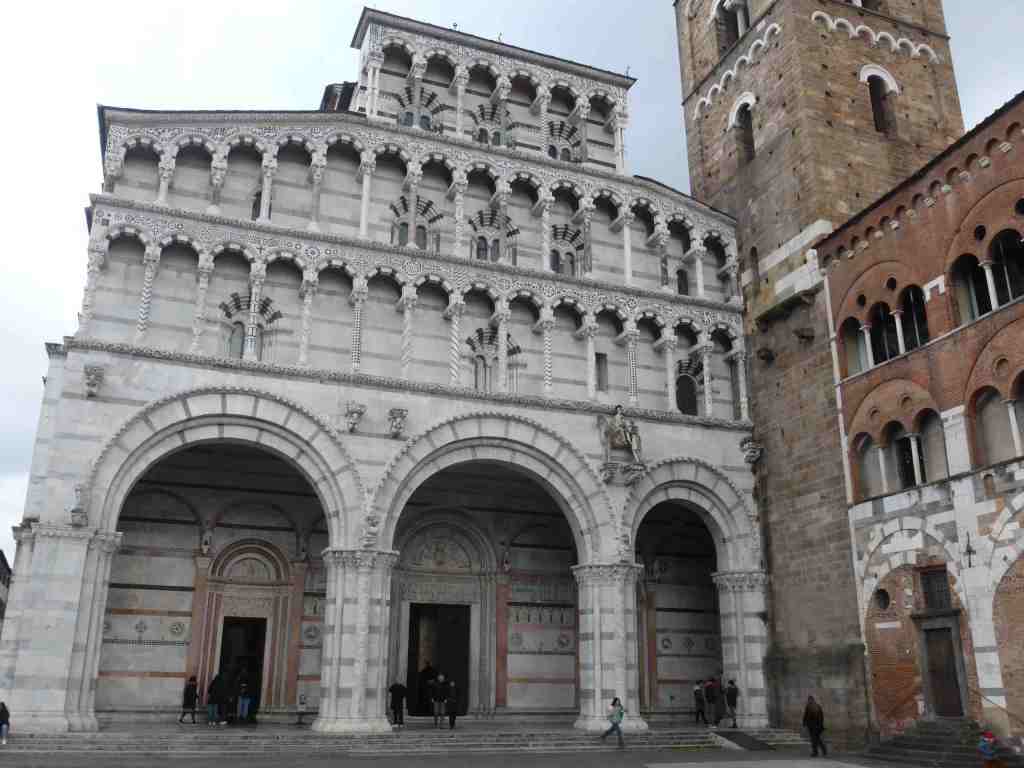

A closer look shows some wonderful marble work of various kinds, however, with marble of different colours being used and lots of lovely designs and patterns. The closer you look, the finer it becomes, and the more evident the craftsmanship involved, in fact. There is even a small maze or labyrinth carved on one of the front pillars.
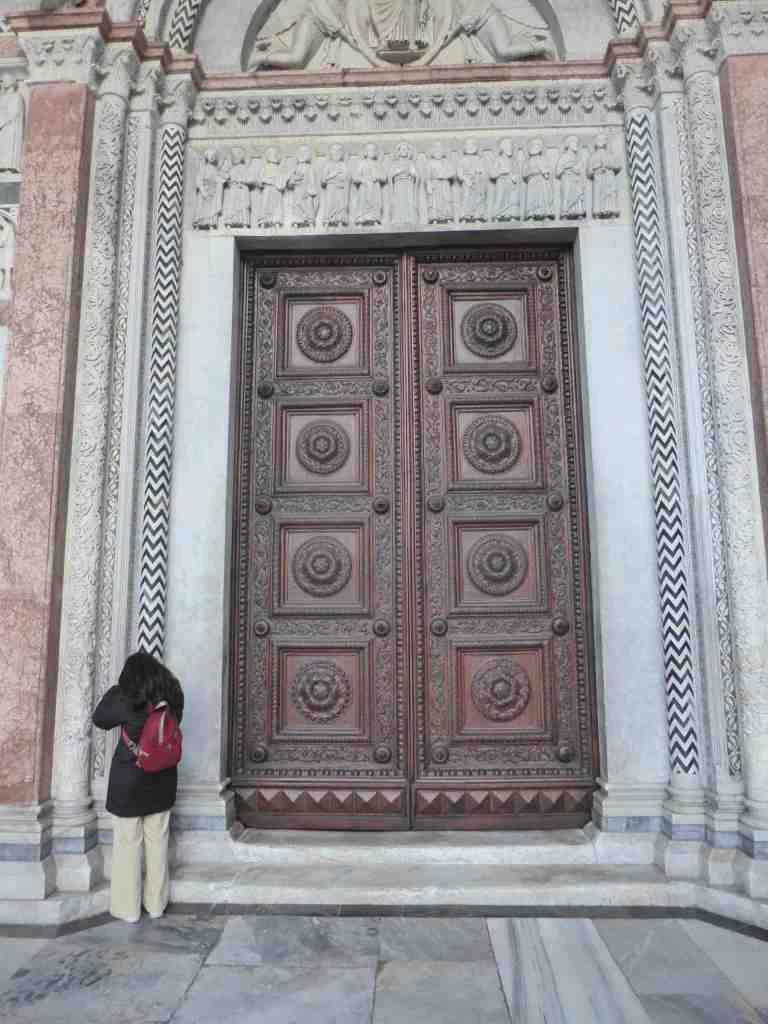
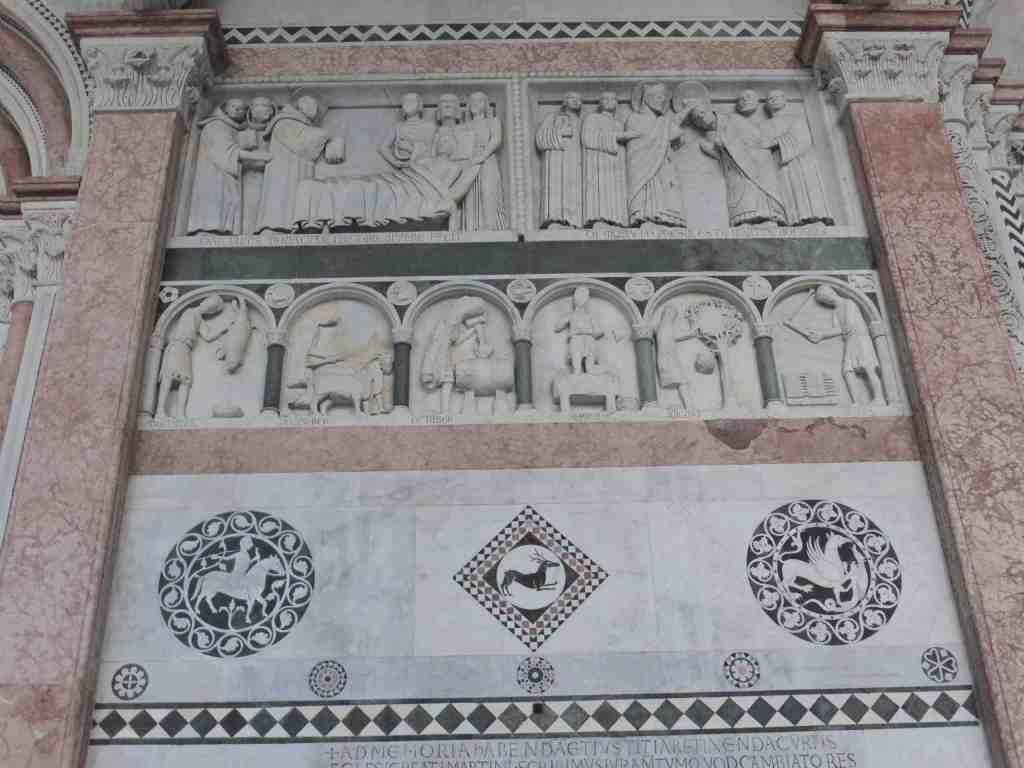

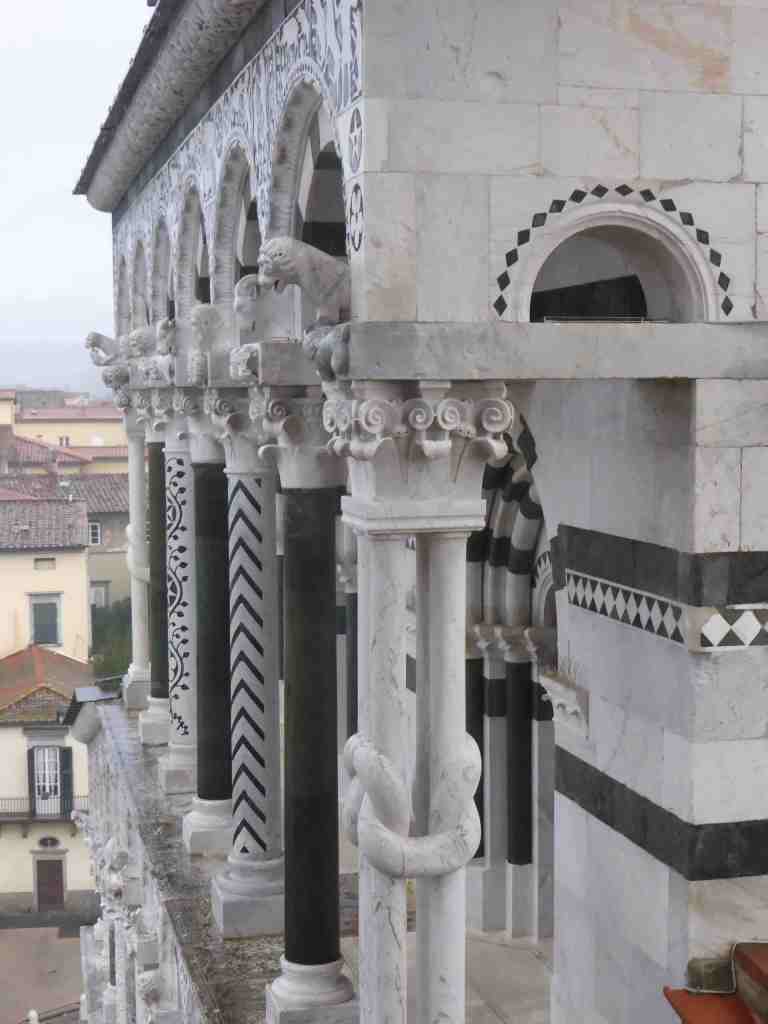

Those familiar with such things will recognise the maze as a frequent symbol for pilgrims, representing a search for something. (It turns out that the Duomo is an important pilgrimage site, which I did not at first realise; more on that below.)
Stepping inside, the first thing that struck me was the wonderful ceilings. Once again, I am surprised to find such beauty in a building that from the outside (especially from the sides) looks rather drab. The high ceilings are beautifully painted with many religious images. I tried to imagine the scaffolding and the expertise of medieval artists to do this in the 14th and 15th centuries – but couldn’t.


Like many Italian churches, especially in medieval times, there are lots of paintings on many of the walls, with familiar religious themes. Most of them are huge – several metres high, and must have been very significant commissions for the artists involved. The snaps below give a sense of this, with an example of a Last Supper painting by the famous Venetian painter, Tintoretto. (And of course I wondered what a Venetian was doing in far-off Lucca …)


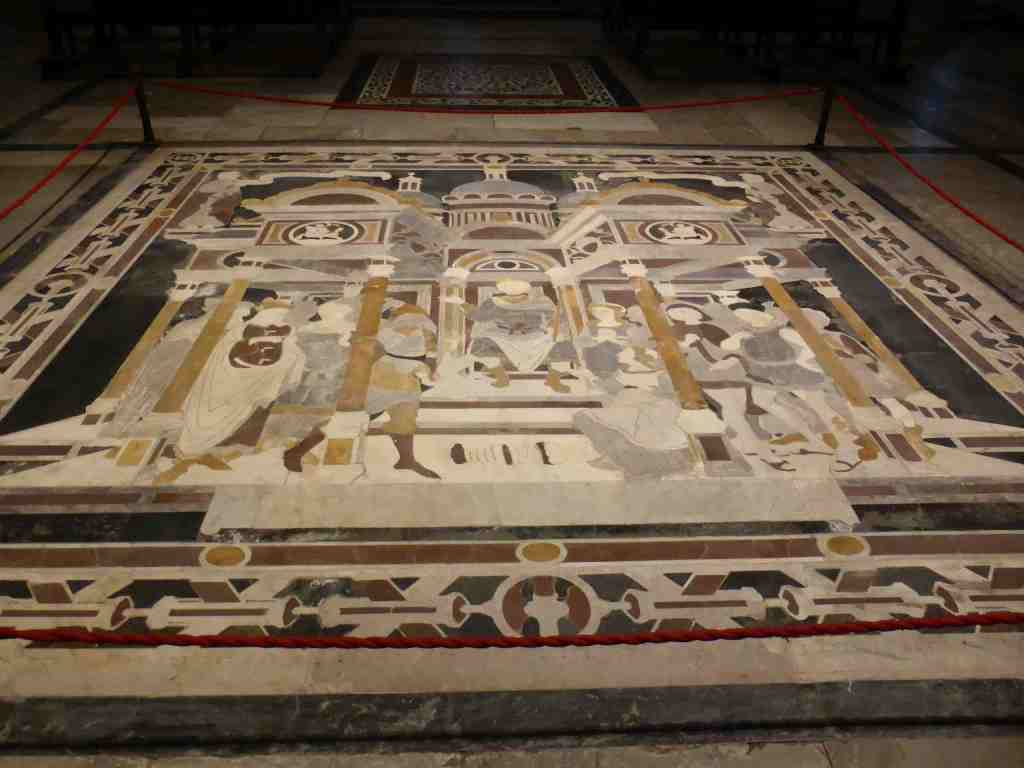
I was also struck by the beautiful and gleaming floor tilings in the main body of the church. Some of these were small, while others were huge. Many tweaked my mathematical curiosity, of course, but others (such as the very large tiling below, shown as roped off) are more overtly religious. (I didn’t manage to find a good description of this nor why it was roped off, but it was an amazing piece of work, about 4 m x 4 m in size). The craftsmanship in these was extraordinary.
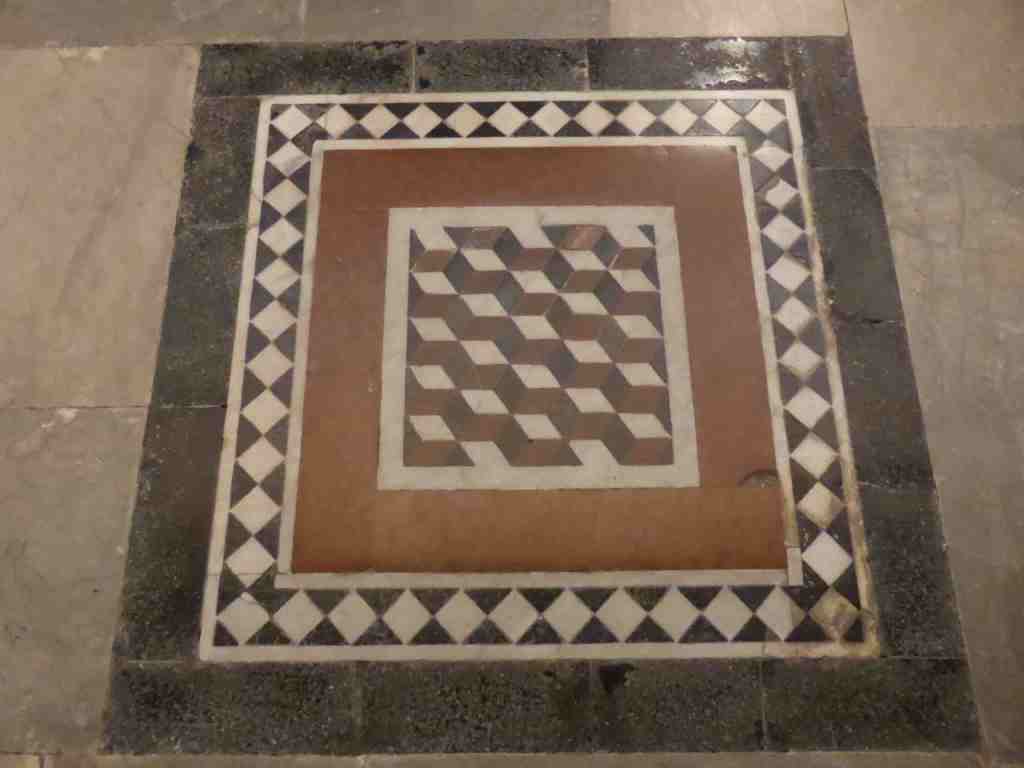

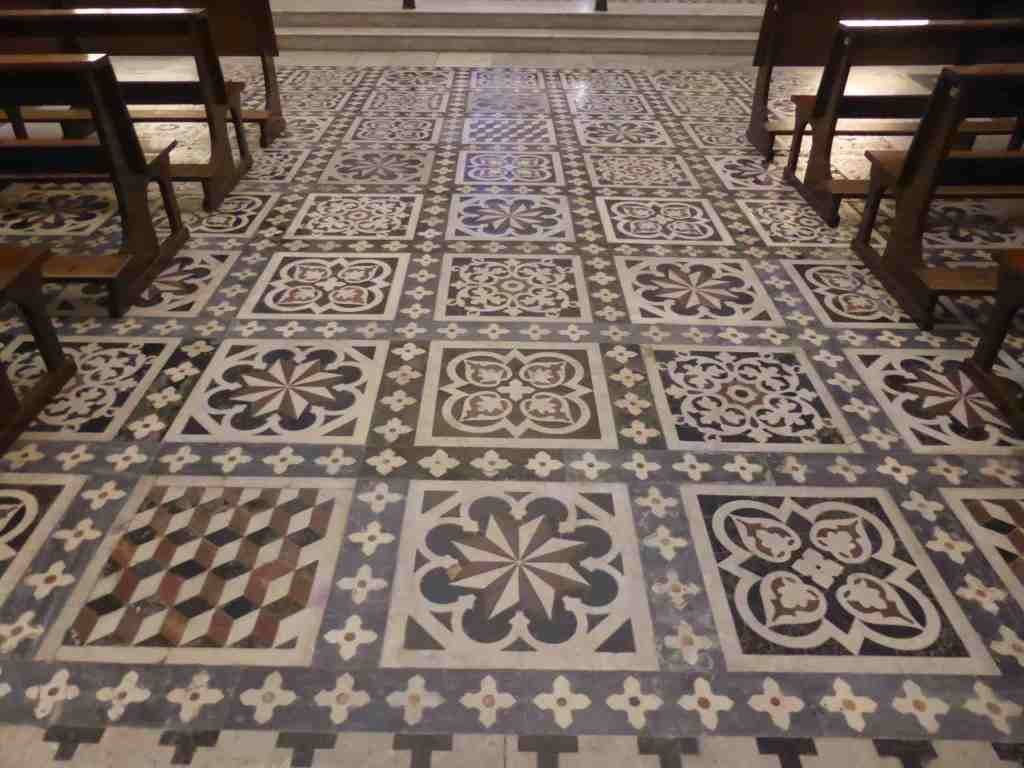
I noticed a strange small domed chapel on one side of the Duomo, as it also seemed to upset the symmetry of the interior. It was not possible to enter it.

I then found that this was the chapel in which the Volto Santo (Holy Cross) is located – and that this has been the focus of pilgrimages to the church from many places in Europe for hundreds of years. The legend goes that the wooden cross was carved by Nicodemus, a disciple and thus contemporary of Jesus Christ, two millennia ago, but that the face had been miraculously carved while he was asleep. The Volto Santo found its way to Lucca around the 8th century AD by various strange processes. It is still an object of pilgrimmage and local veneration with ceremonies held every year.
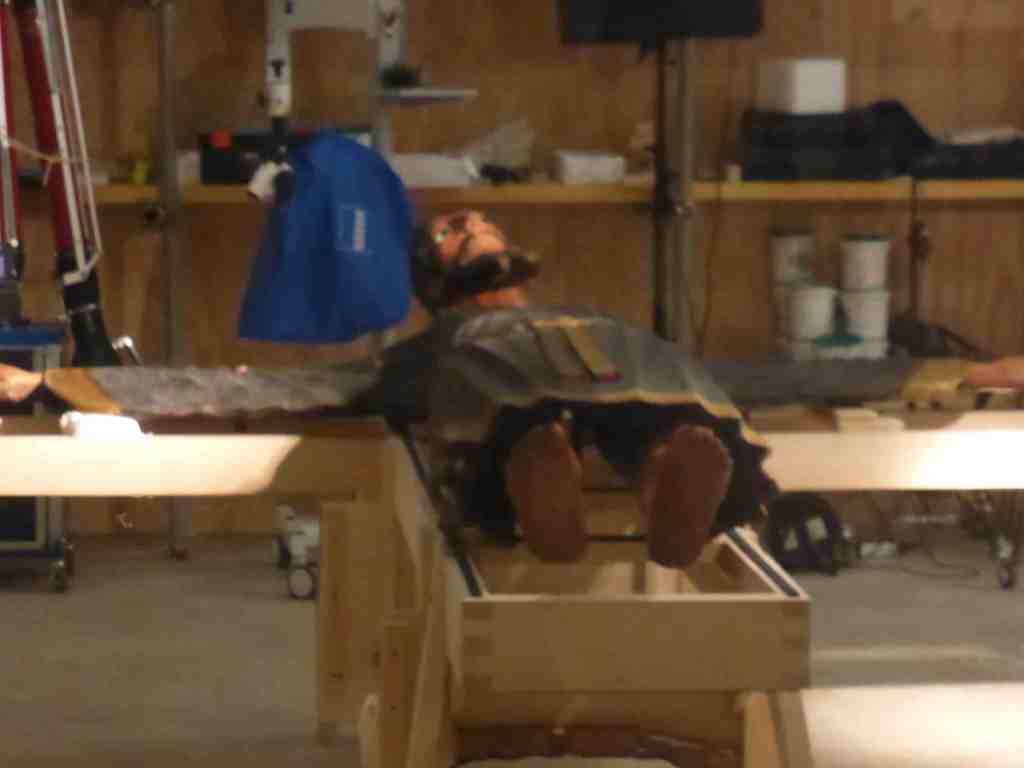
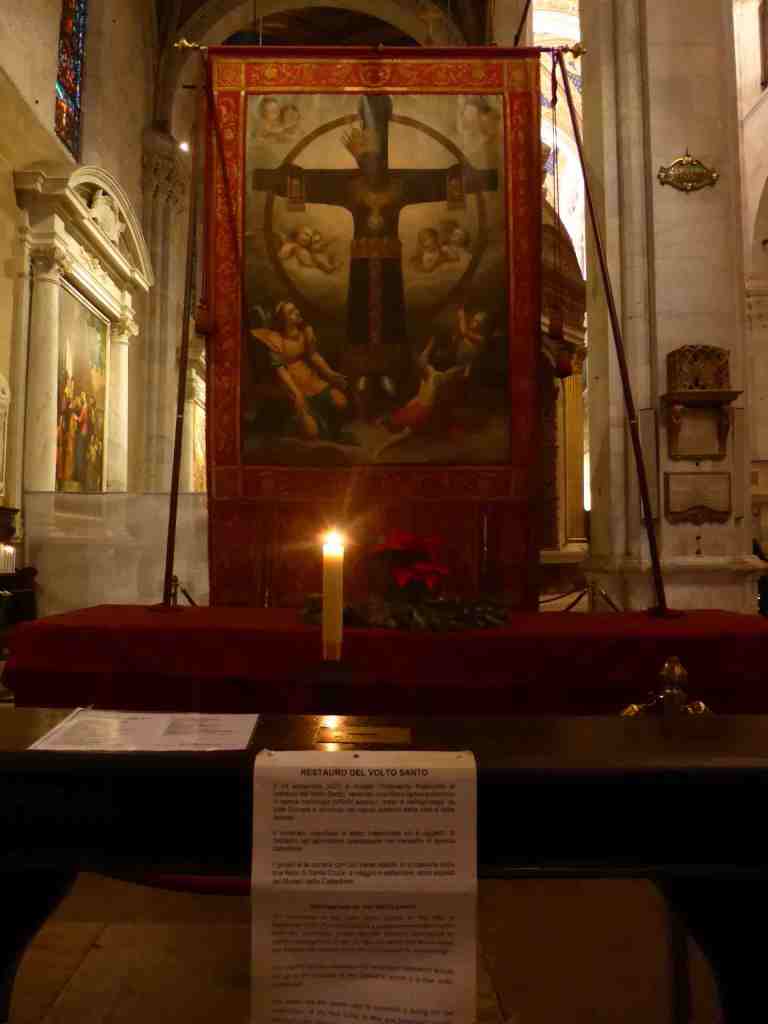
At present, unfortunately, it is being restored – a major and lengthy work – and so my (poor) photo below is of the work in progress in a sealed part of the Duomo. The restoration process is shown in a very good video in the Duomo, from which the photo of workers moving it was taken. In its place at present is a large image with a candle … I’m not sure when the restoration will be complete.

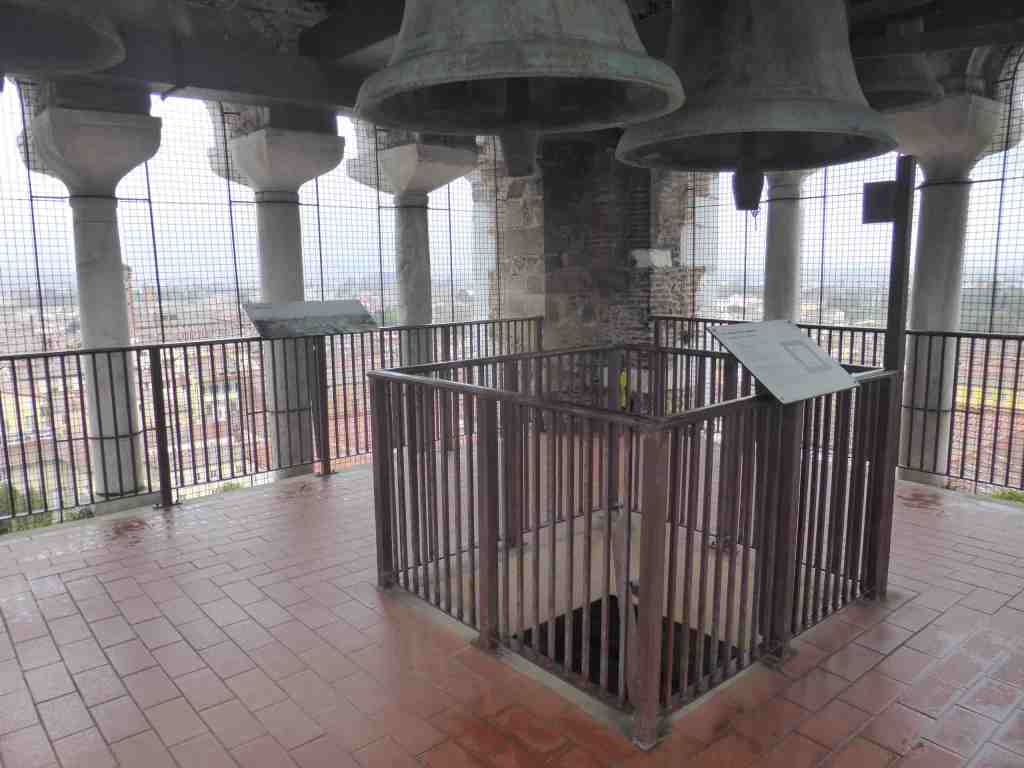
Of course, I couldn’t resist climbing the bell tower (which was not too tall at around 200+ steps) as I wanted to get a view of the City of Lucca, despite the inclement weather when I did so. I learned that the reason the tower was in two colours was that the top half was built a few hundred years after the bottom half, and used a different material (limestone). It also had more windows to reduce the weight – which I’d not thought of previously. I also found that the original tower was in place before the cathedral extensions happened, which helps to explain some of the asymmetry of the main building.
Taking photos was tricky, because of protective mesh around the tower and also because of the rain, but I was pleased to see Lucca from above for the first time.

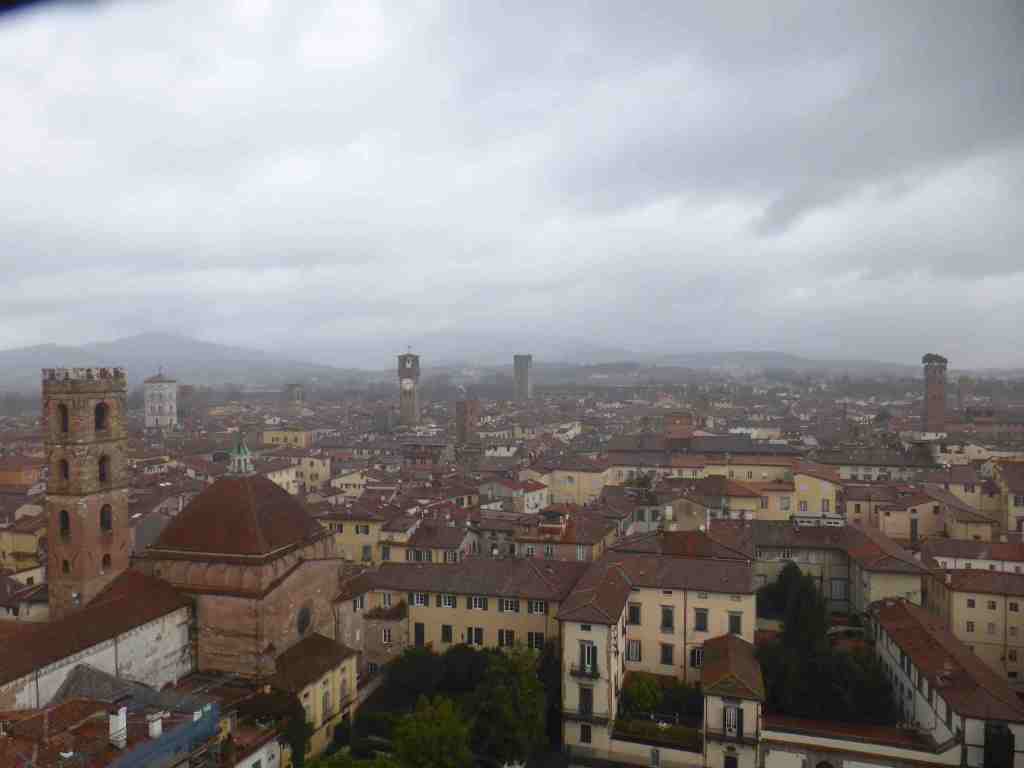
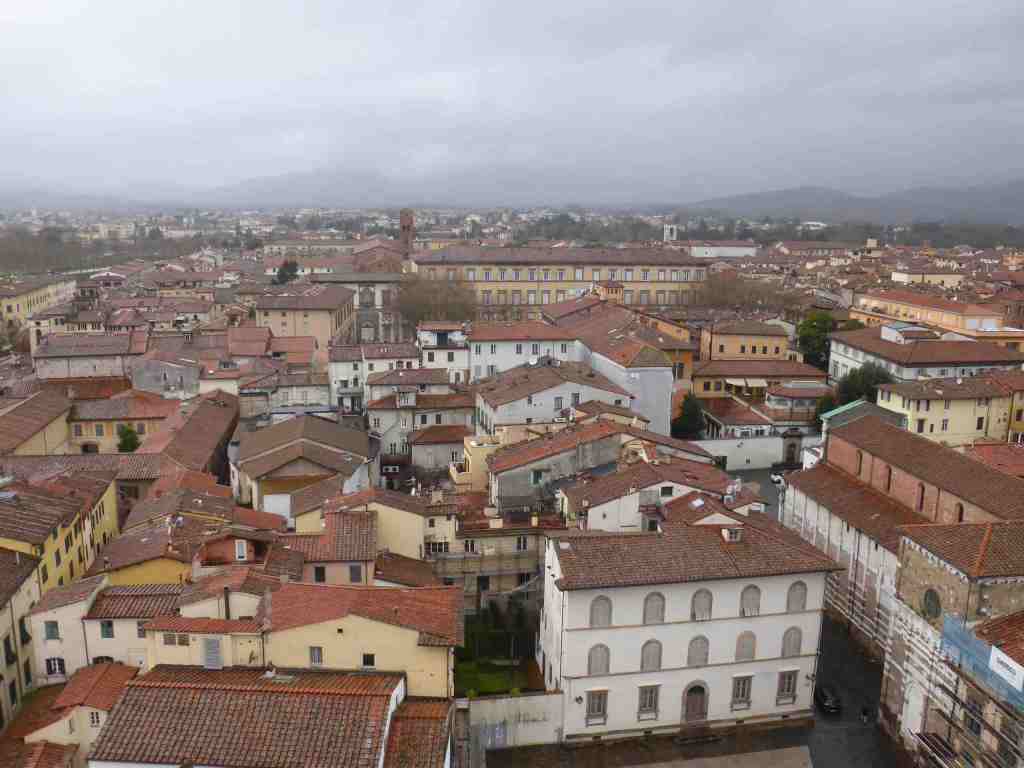
There are various other towers in the city – not unusual for medieval Italy – and it was good to see these also from a height. It’s often hard to see them from the ground, because the streets are very narrow and buildings obscure towers; otherwise they would be useful navigational devices. Below are a few examples. The tower with (oak) trees growing on top is especially famous; it is known as the Guinigi Tower, after the rich and powerful person who built it in the 15th century.


Back in the Duomo, there are several other interesting features, but space precludes describing them all. One is the blackened grill in the middle of the church and the other is a beautiful sculpture of a young woman:
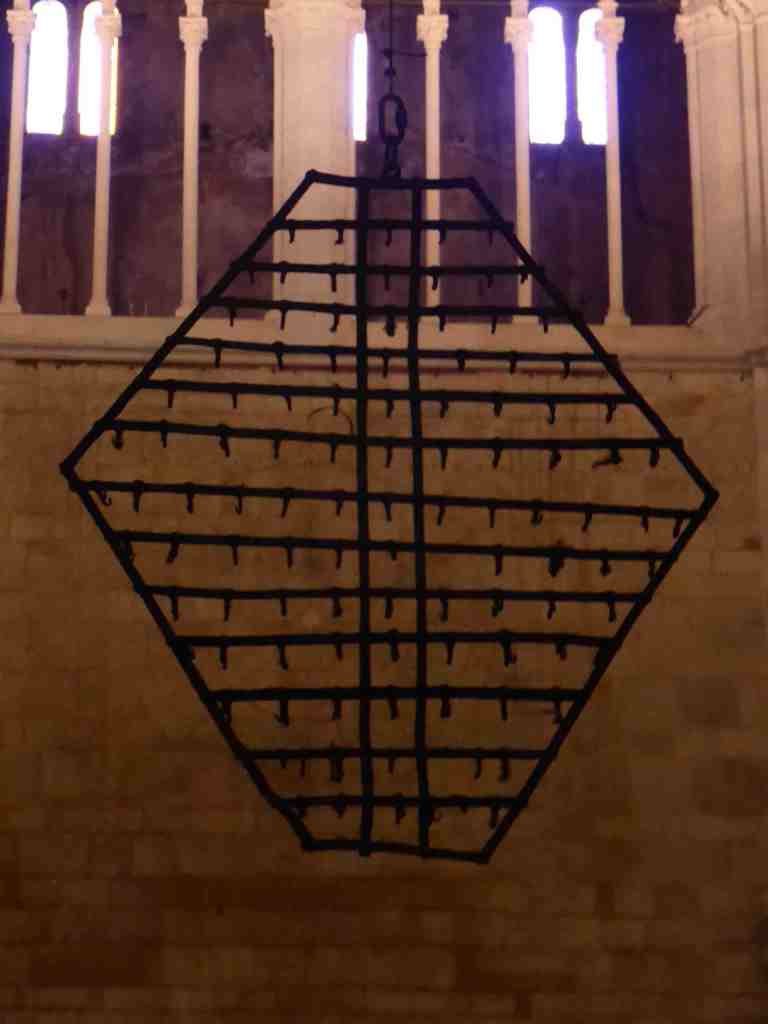
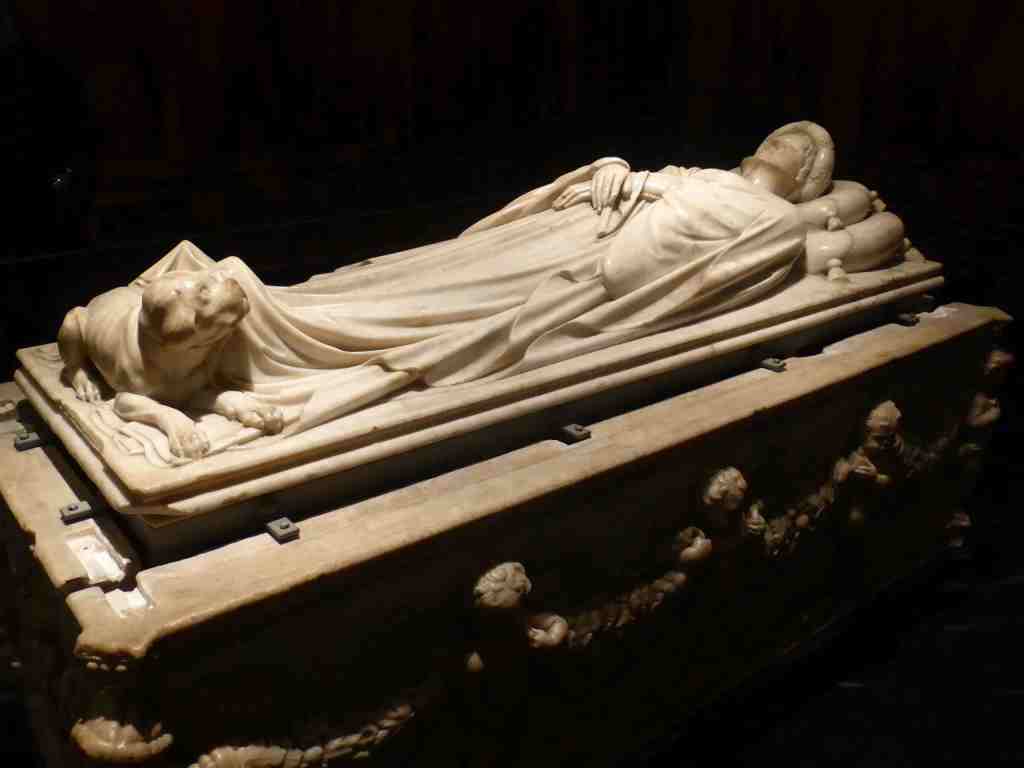
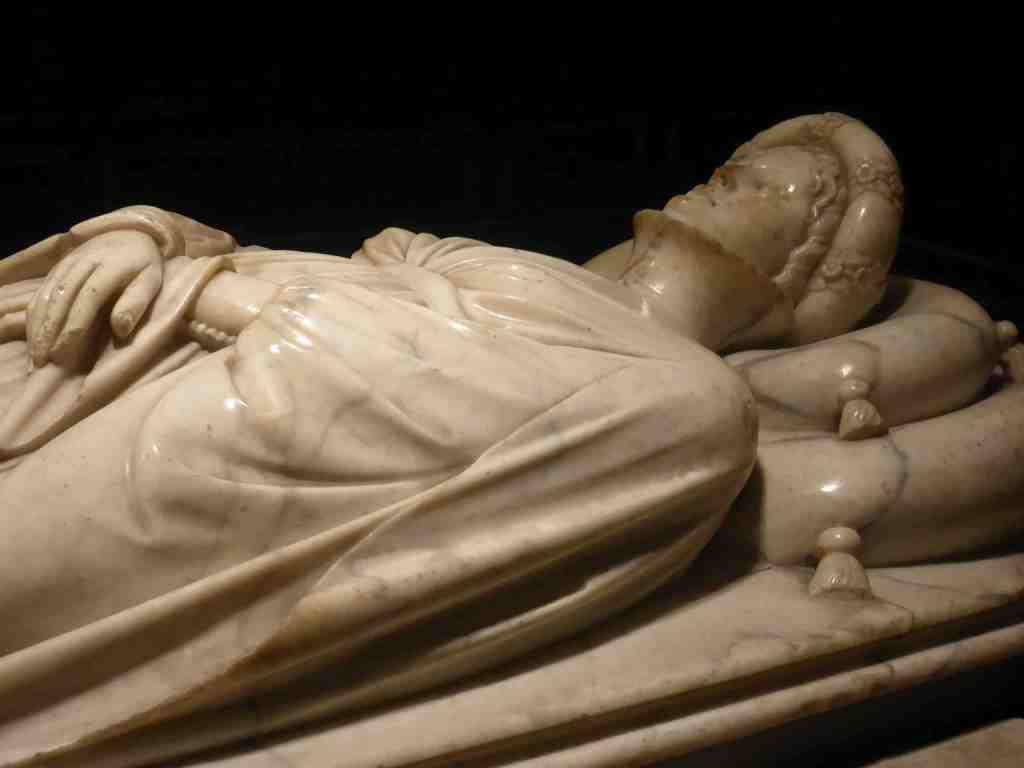
The grill is apparently covered in ‘tow’ (I have tried and failed to discover what that is – maybe tallow??) and set alight in a ceremony each year, to remind people of the impermanence and vanity of earthly things. The sculpture is of Ilaria del Carretto, who died at age 26 in 1405; she was the bride of the Lord of Lucca, who commissioned the memorial work. In fact, he was Paulo Guinigi, responsible for the tower with trees on it. It is a very beautiful piece of art and housed in a separate room in the Duomo. I was unsurprised to learn that the sculptor, Jacopo della Quercia, from Siena, was a very important influence on Michelangelo, who came along a little later. The faithful dog at her feet is a touching element; the work is remarkably good – and indeed reminiscent of the later Michelangelo.
The Duomo is named after St Martin, a former Roman soldier. In memory of him, there is a 13th century sculpture just as one enters the building showing St Martin and the Beggar, in which he is depicted cutting his cloak in half to give to the beggar; a fitting message for Christians, of course. If you look closely enough, you will see that there is a copy of this sculpture on the front of the building, outside in the weather. (The actual statue set itself was previously on the front of the building.)

So much to see, admire and think about in just one building …

 Barry's travel blog
Wonderful blog as usual. The Duomo of St Martin was a highlight of my tip to Lucca..gorgeous place.
LikeLike