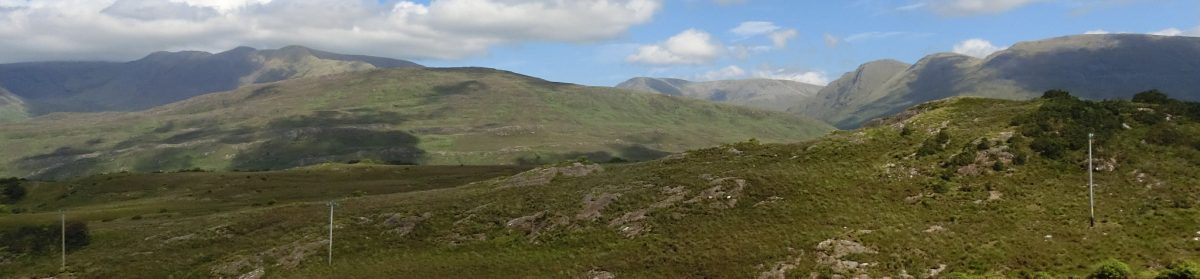
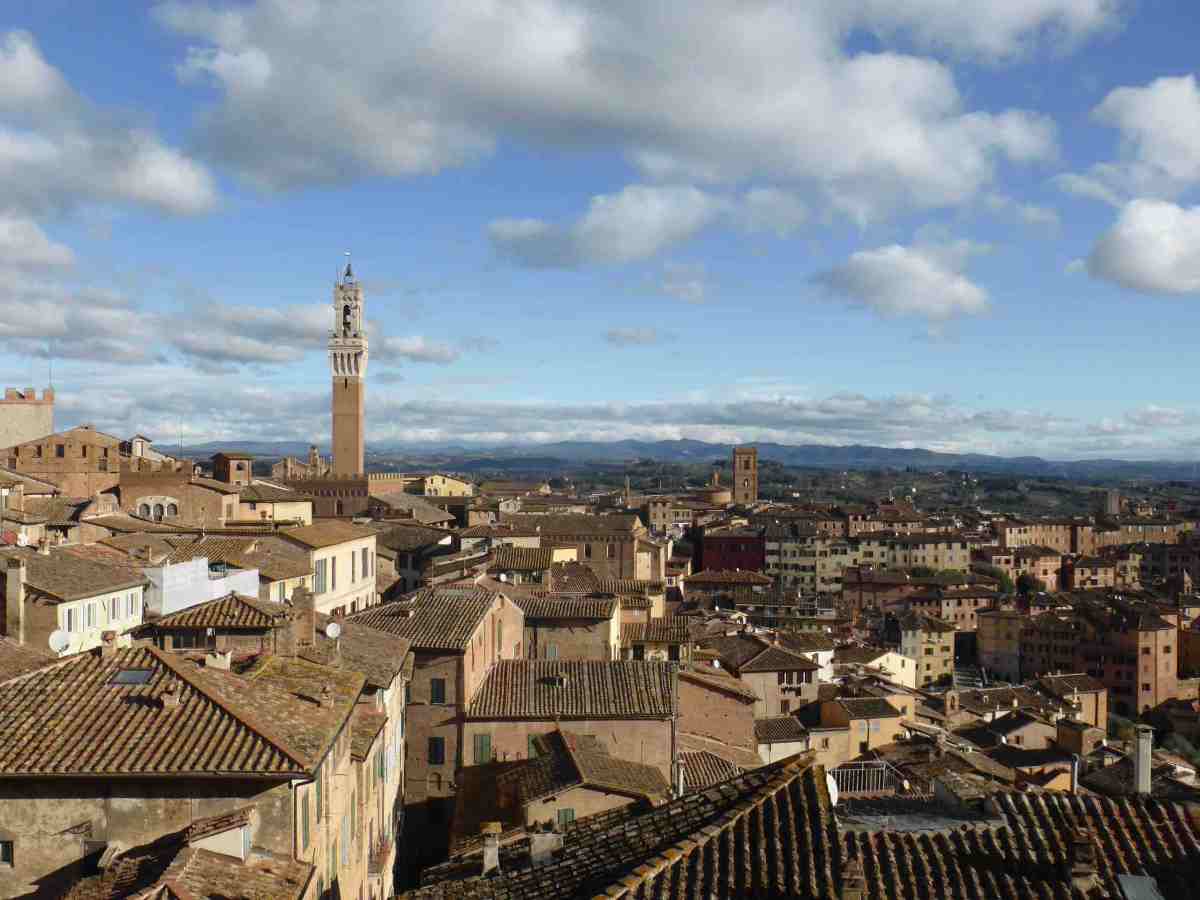
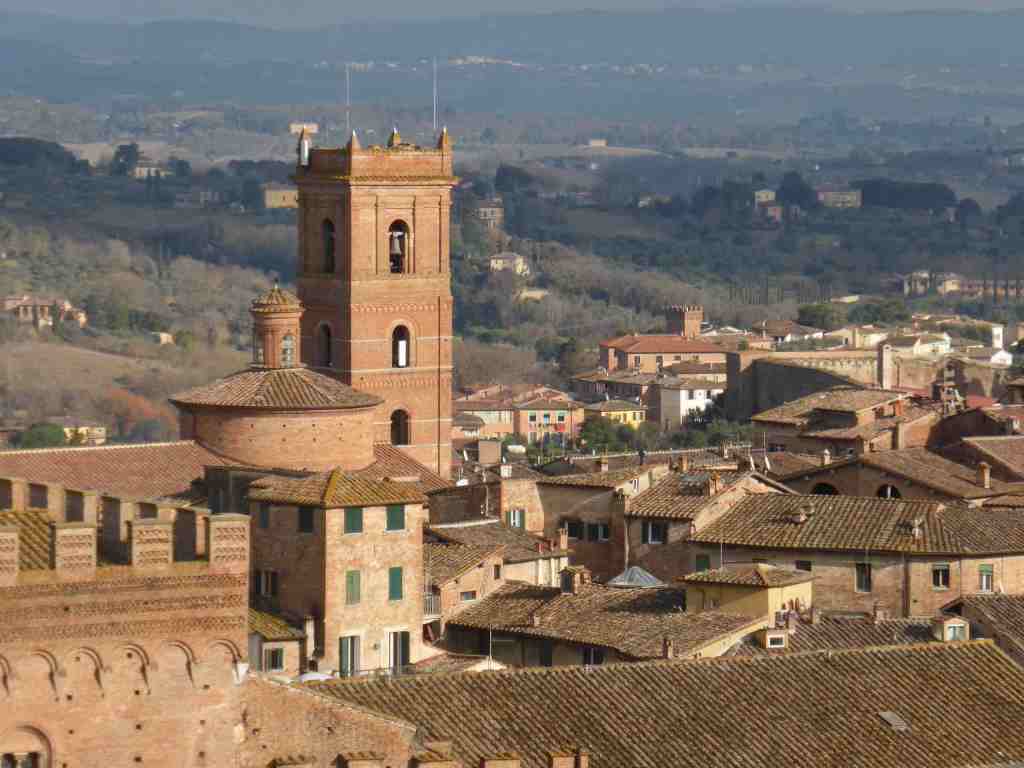
I have just spent three days in this beautiful medieval city in Tuscany, brim-full of treasures of many kinds. Although a small city (not even in Italy’s top 100 by population), it makes up for its size with its significance and is a popular tourist destination. Mercifully, that was not the case when I visited, mid-winter. Like Lucca, Siena is a walled city, surrounded by green farmlands, reminiscent of the days of the city-states and the hill-towns in the middle ages, when it was arch-rivals with nearby Florence. (Click on the photos to see more).

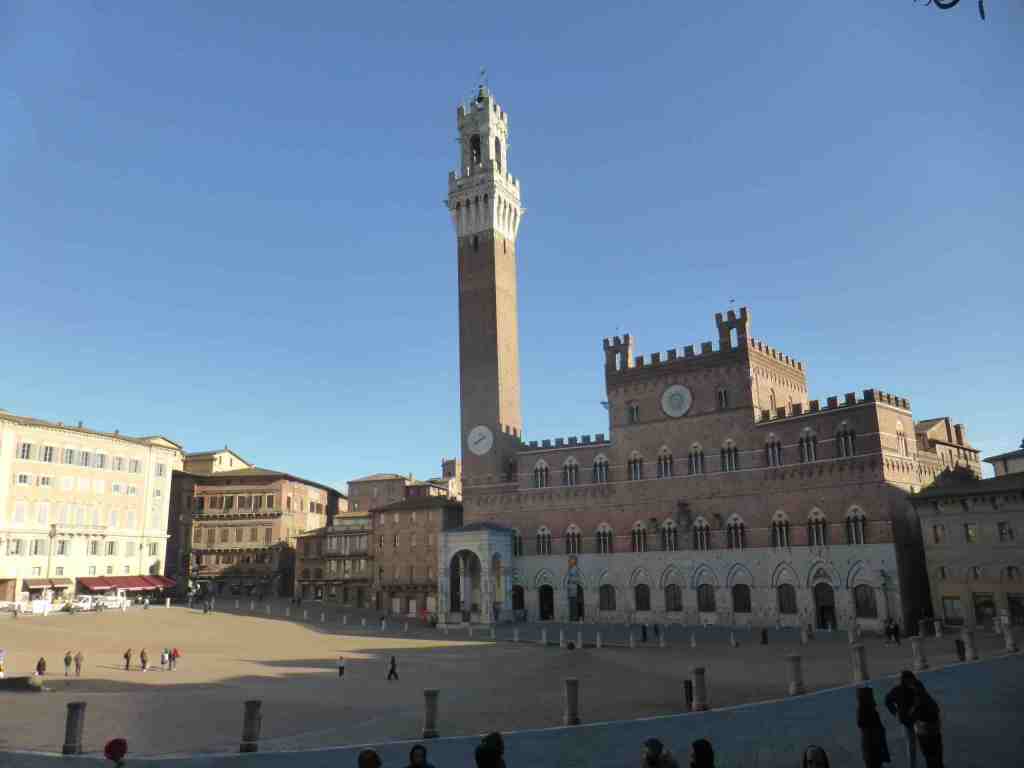
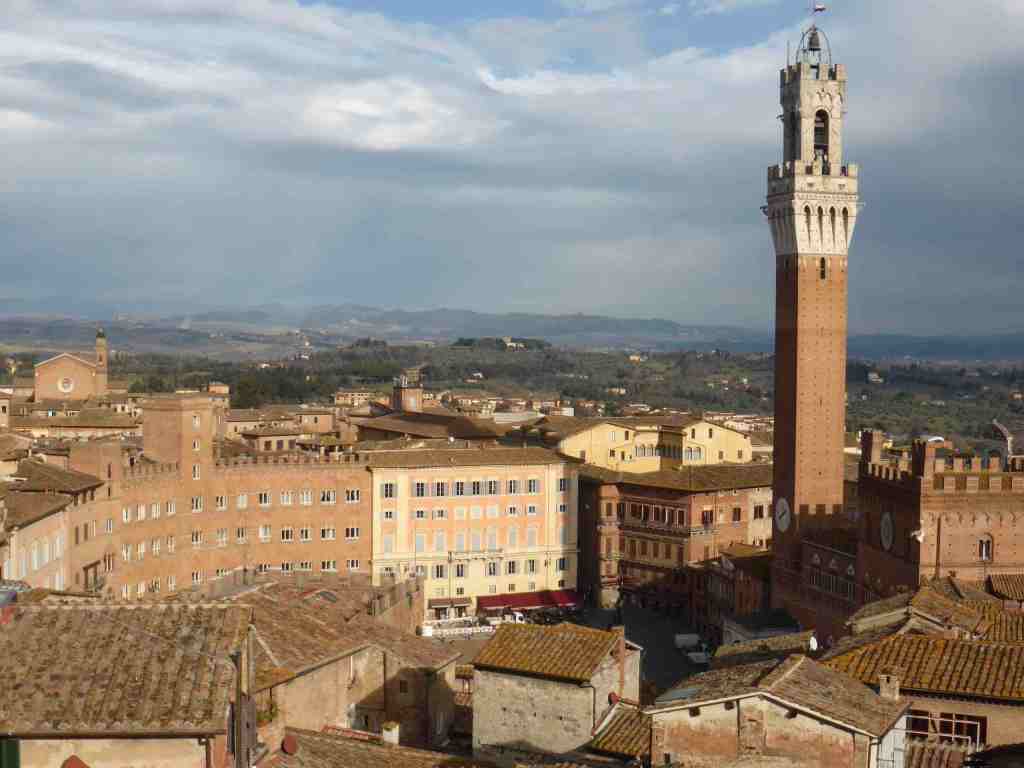
The centre of the city is dominated by the wonderful Piazza del Campo, with its huge tower (visible from afar as you can see in the image at the top of this blog) both pretty familiar sights in images of Italy abroad. The central part of Siena has been a UNESCO World Heritage Site for many years.

You can see the Fonte Gaia fountain in the Campo in the third photo above, where water was brought to the city in the 14th century. (An expanded photo of the fountain – now a 19th century reconstruction – is shown below.) In ancient legend, Siena was thought to have been founded by Senia, the son of Remus, one of the two famous twins raised by a wolf. The other twin, Romulus, is regarded in legend as the founder of ancient Rome, so you see statues of the twins and the wolf all over the city (as also is the case in Rome).


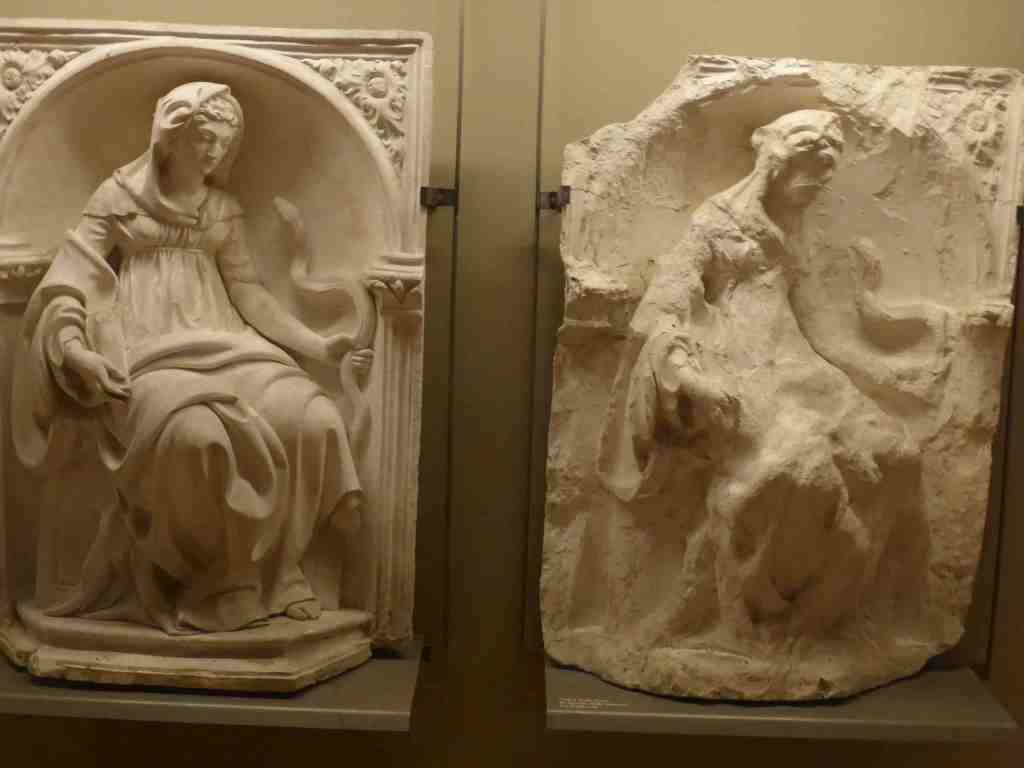
The original fountain was badly weathered over the centuries, so that the modern version is a careful reconstruction. You can see above a comparison of one old and one newer panel – a major exhibition I saw in my travels in the city. The fountain shows the seven virtues along with various religious images.
As an old city, perched on a hill, Siena has lots of tiny streets, many too small for cars (but not for scooters), at various angles to each other, and very few of them horizontal it seemed to me. Many streets were very steep, so much so that railings are often provided to help people avoid slipping and to help them to haul themselves up challenging hills.
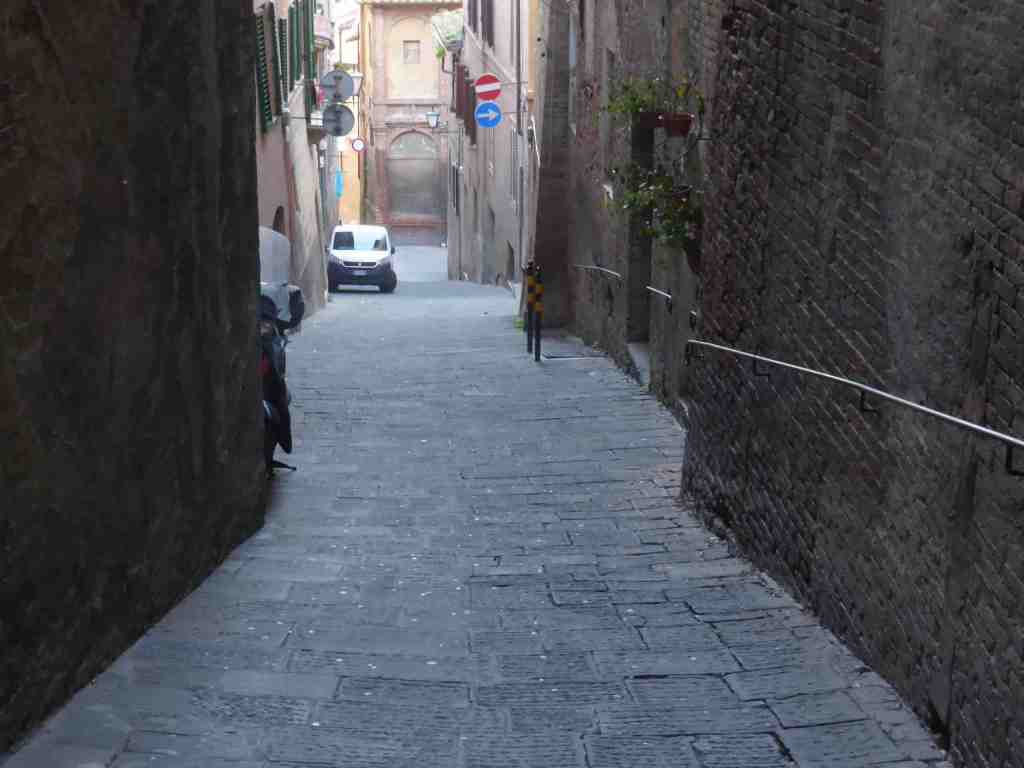


The first picture above shows the entrance to my accommodation, with flower-pots outside it. When I first arrived, I had to walk up the hill to get there: I made sure to never do that again! The third picture gives an idea of a typical slope of a street elsewhere in the city. I am pleased it was not raining (or icing up) while I was there.
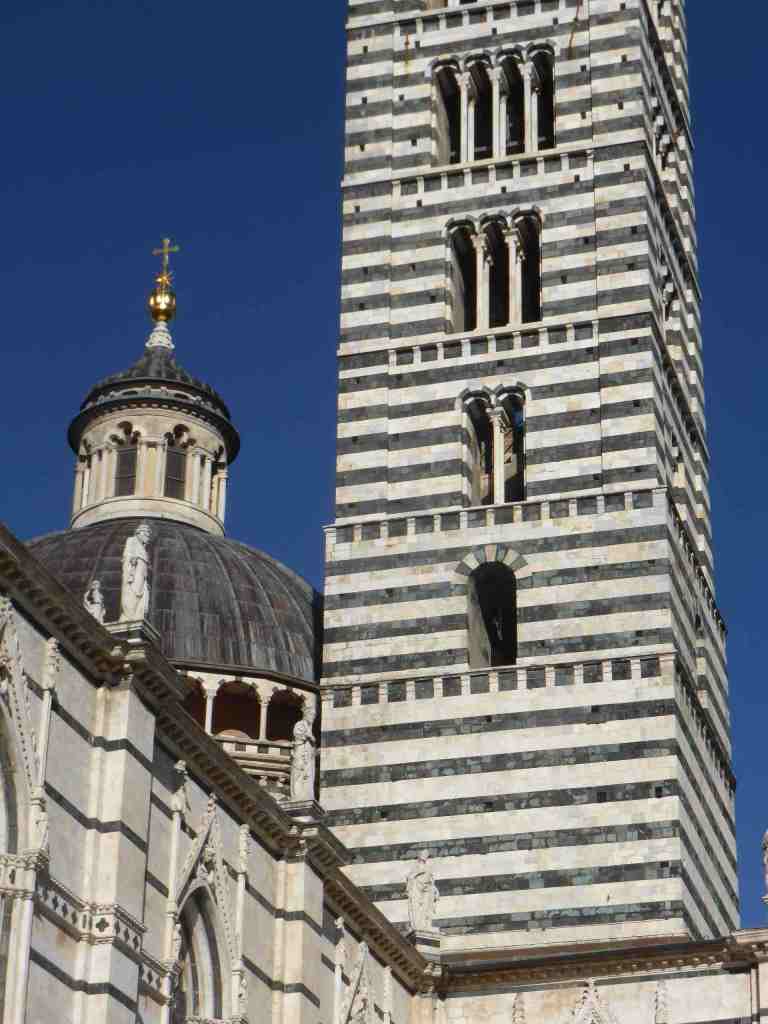
From outside, Siena’s cathedral, or Duomo, is a spectacular building in black and while marble, wth a striking tower. The present version was built during the thirteenth century, and looks splendid after recent restorations.

Inside the Duomo is even more spectacular – and would easily occupy several blogs by itself. The extraordinary marble interior includes massive columns as well as astonishing tiled floors, including 56 inlaid marble panels. A tiny sample is shown below.


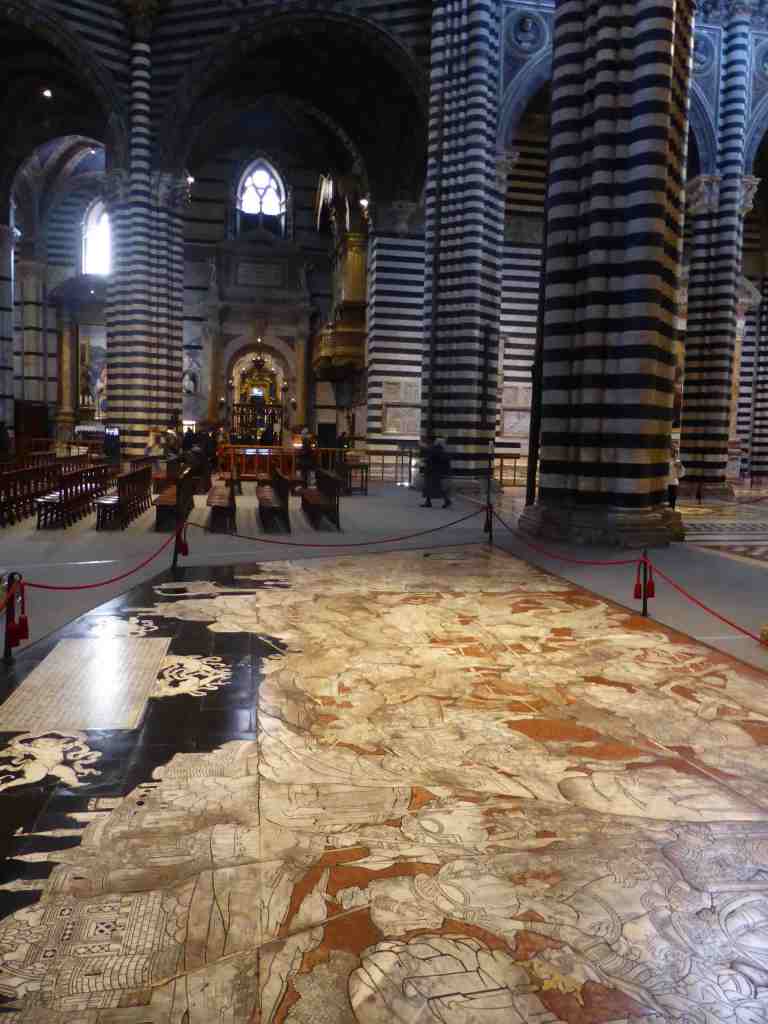
The inlaid marble panels are roped off, so that people don’t walk on them – each is a work of art and beautiful craftsmanship, representing various stories from the bible and constructed over about two hundred years. However, many of the panels are covered over completely with carpet, only to be revealed for about six weeks of the year, around September, so I only saw a small sample.
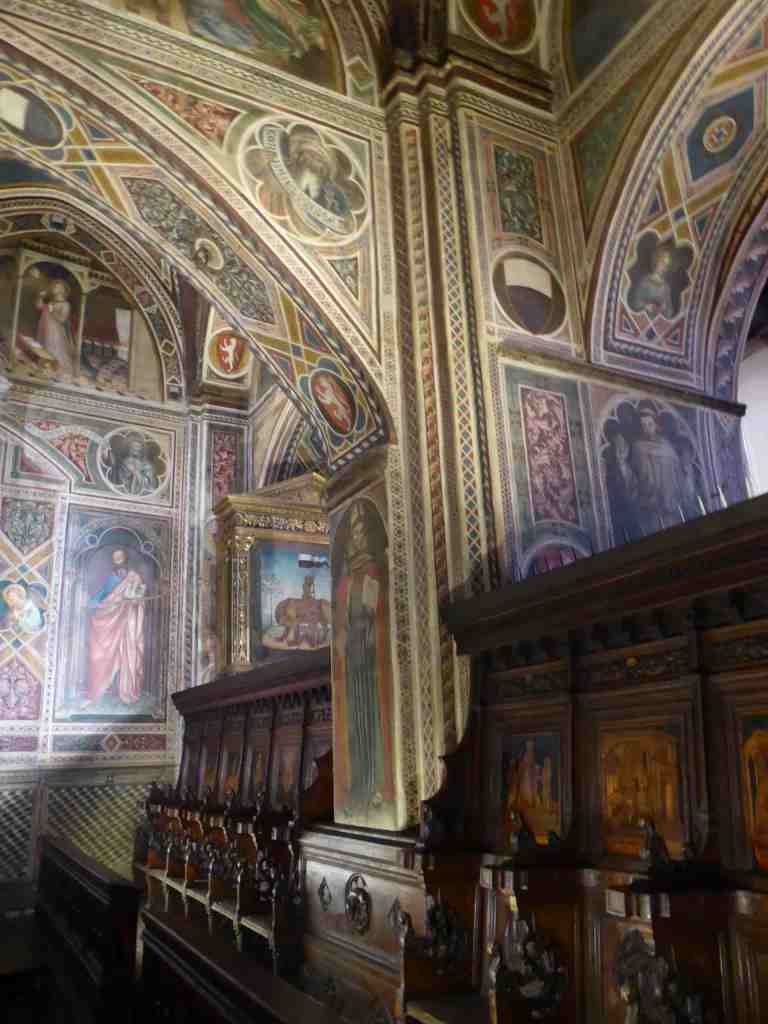
There are other treasures in the Duomo, such as the amazing Piccolomini Library (with very few books but a very large number of frescoes on the walls and ceiling) and an extraordinary pulpit carved by Pisano and son, with various bible stories depicted:
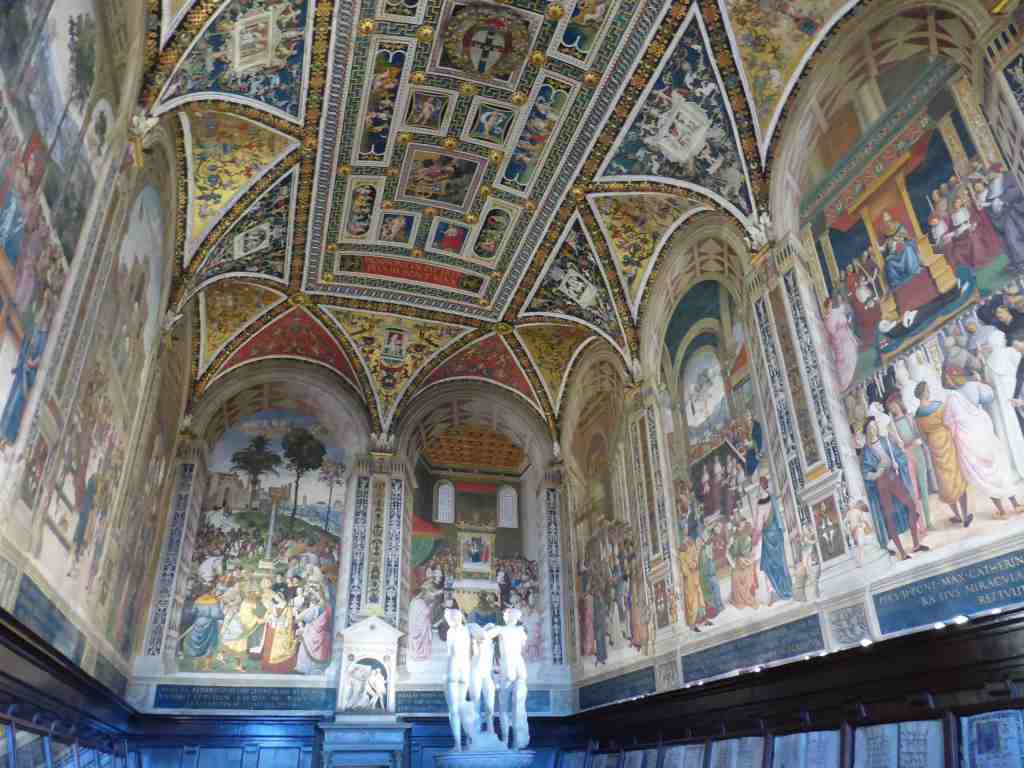

Apart from the Duomo itself, there is a (large) museum of original works from the Duomo (such as originals of statues on the exterior, now replaced because of weathering), a crypt with 13th century frescoes only uncovered in the last thirty years (as they were previously covered for more than 600 years in rubble!), and an artistic masterpiece in the form of a separate baptistery. Some snapshots of these are shown below:

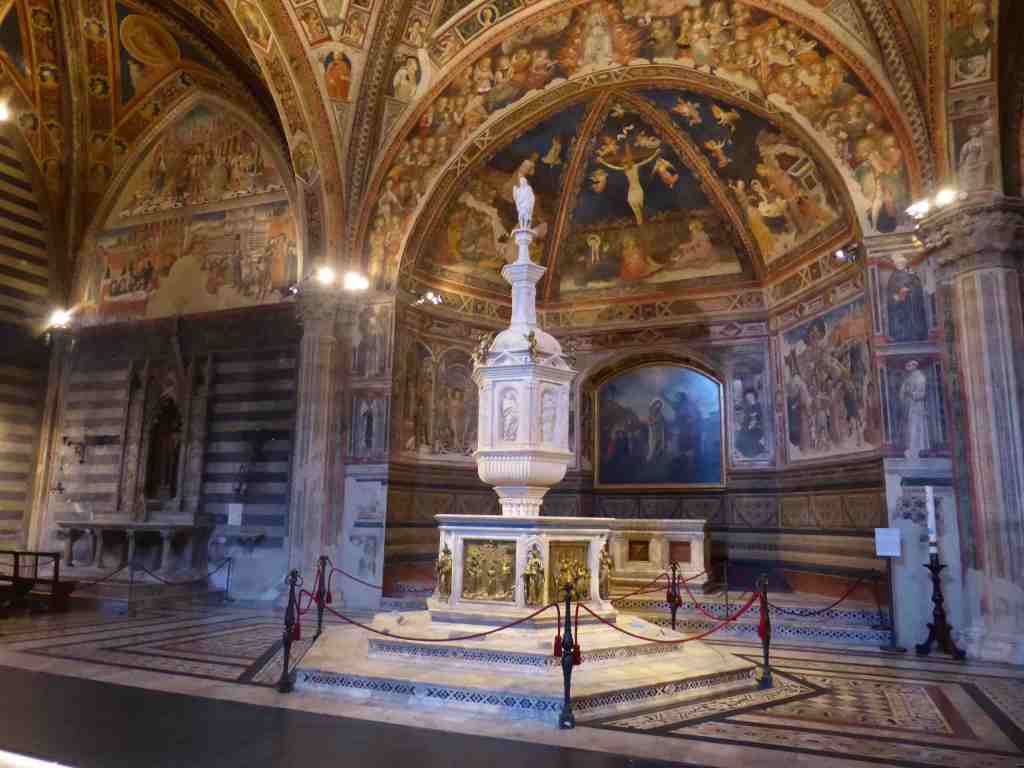

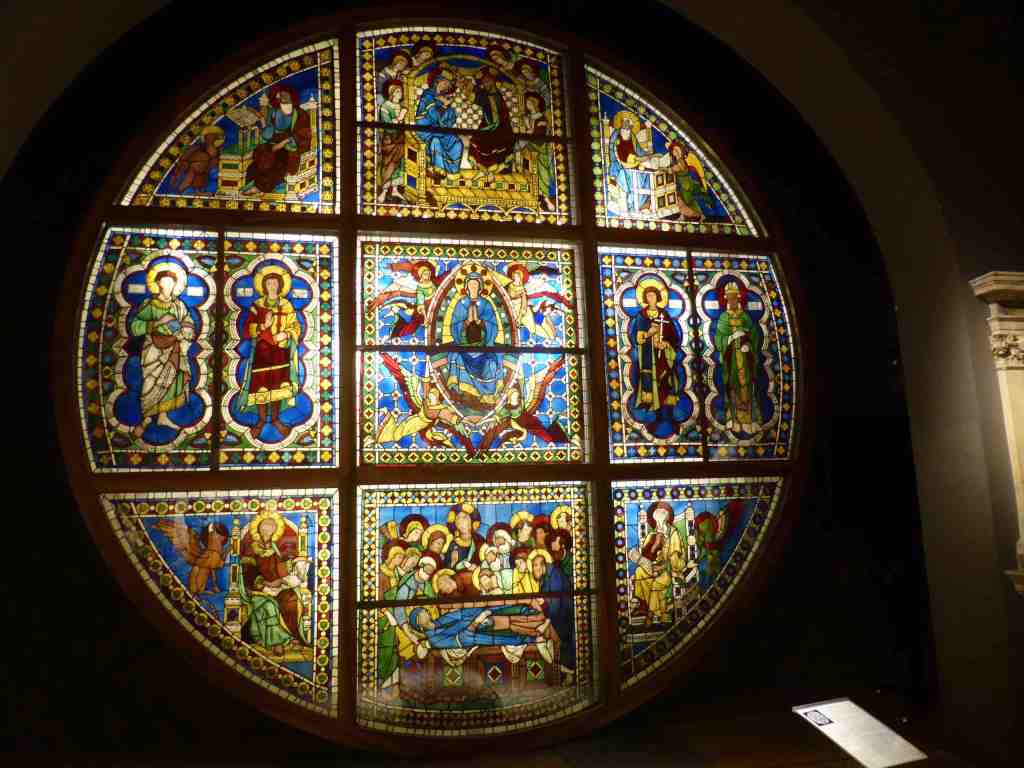

Duccio’s Maesta is a huge painting several metres wide, originally in the centre of the altar, but (like the stained glass window) was removed I think to avoid damage in WWII. The Duomo is as much a work of art as it is a church, with contributions from the great artists of the times, including Pisano, Michelangelo, Donatello, Bernini, etc.
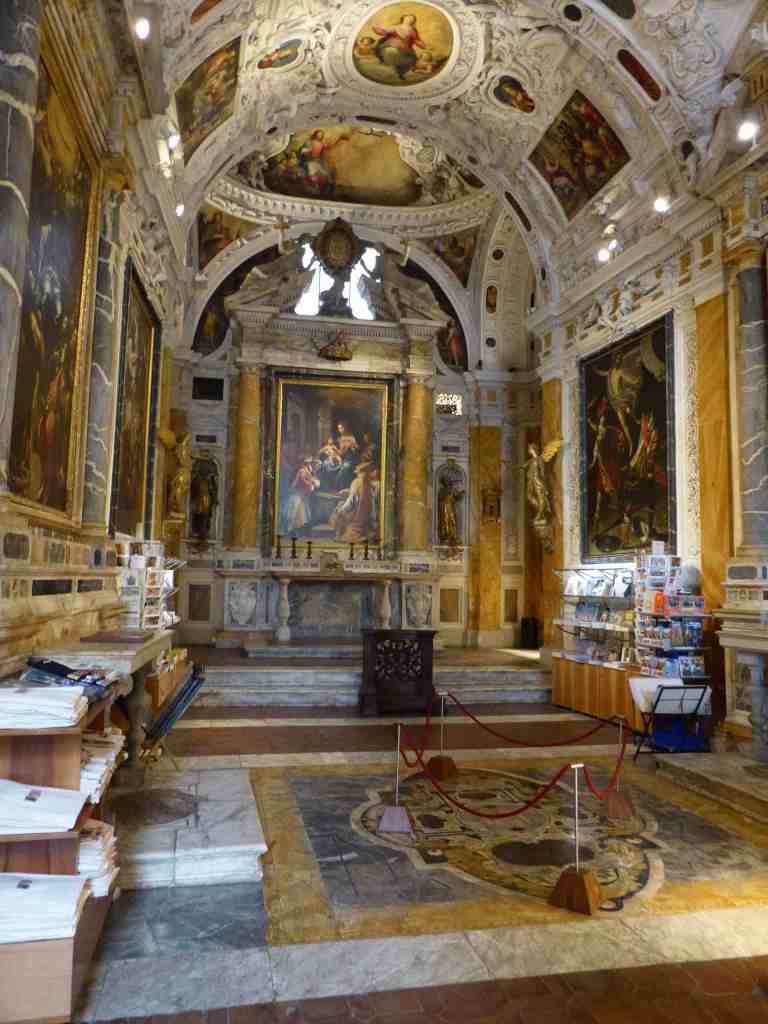
All a bit breath-taking, really … and then, as I left the museum, I went through the bookshop, selling souvenirs, etc. The bookshop!
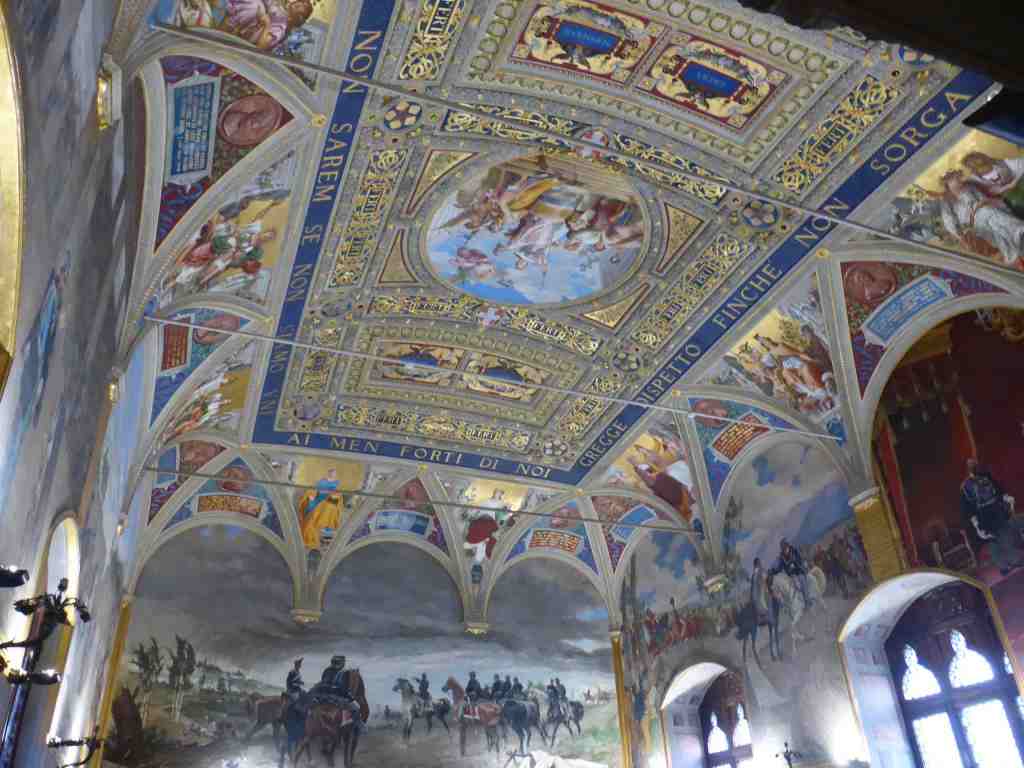
There are other art treasures in the centre of Siena, such as the Civic Museum and the old hospital of Santa Maria della Scala. These too contain astonishing art treasures, especially frescoes like the samples below from the museum, which was previously the 13th century meeting place of what we would these days call a City Council.
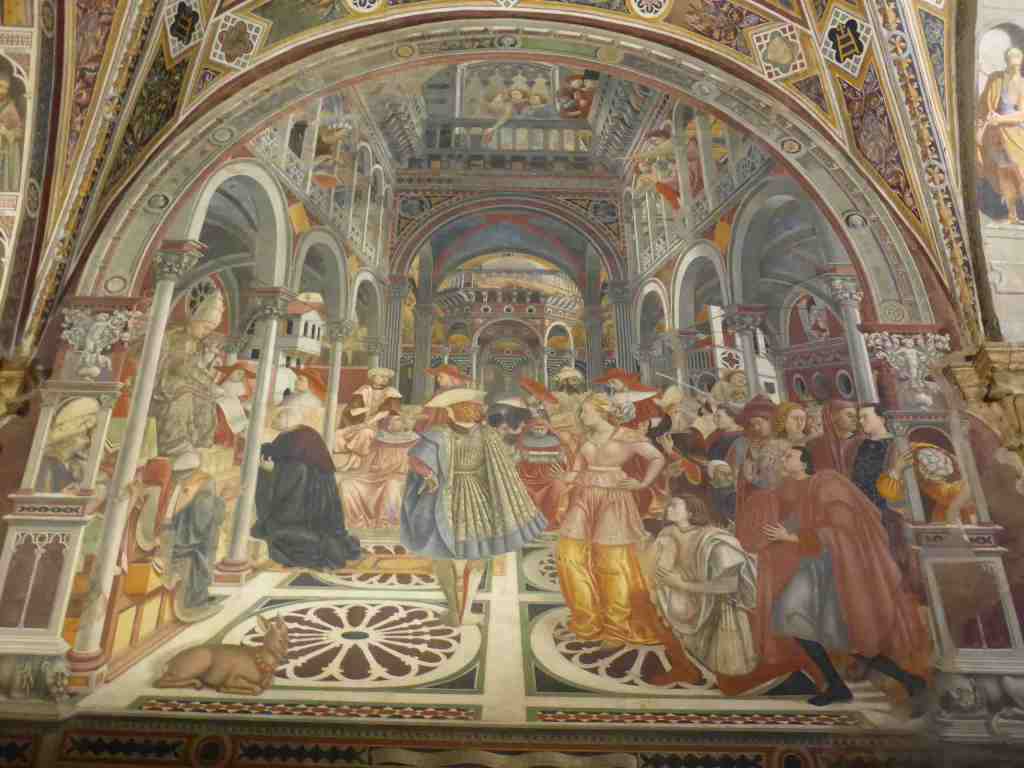
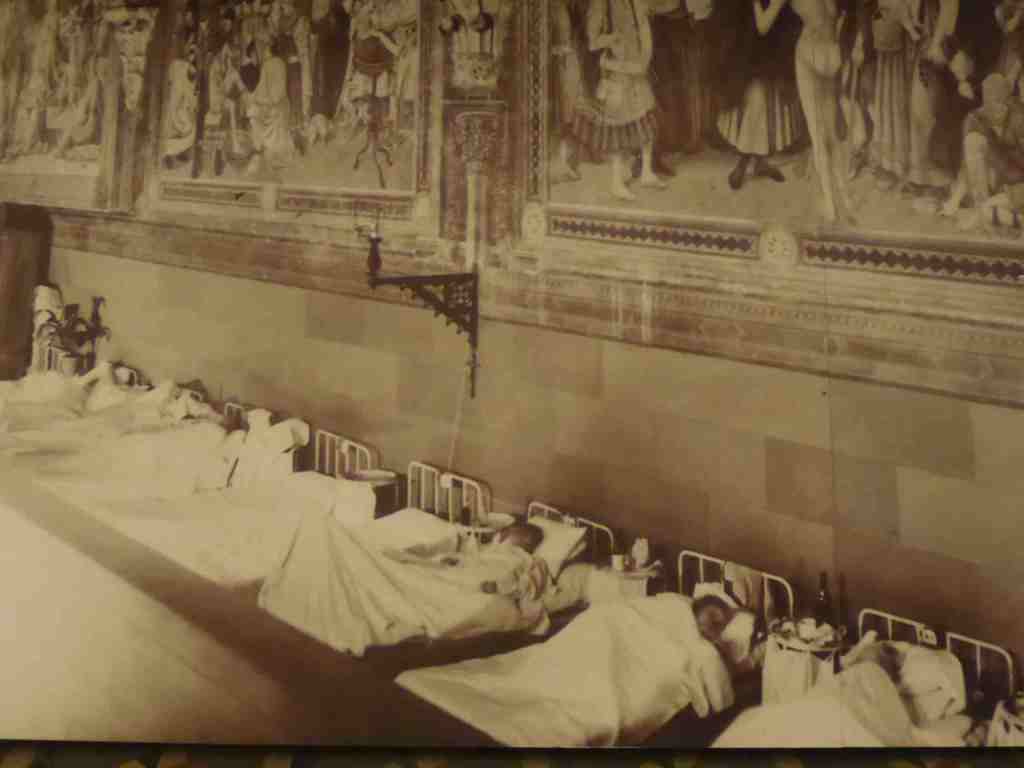
Santa Maria della Scala was for many years a hospital for the needy, and especially began as a hospital for pilgrims on the Via Francigena, a route from Canterbury, England to Rome that ran through Siena (and also through Lucca). It was one of the first hospitals in Italy. In fact, it stopped being a hospital less than fifty years ago. t has since been restored to some of its former glory – and glorious it was. The most impressive part was the massive room shown below, with huge frescoes depicting hospital care of various kinds as well as important people of various kinds – unlike much of Siena, these were not religious works of art, but showing everyday life to an extent, in the 14th century! The last picture below, shows an old photo of the large hospital ward when that was still its function.


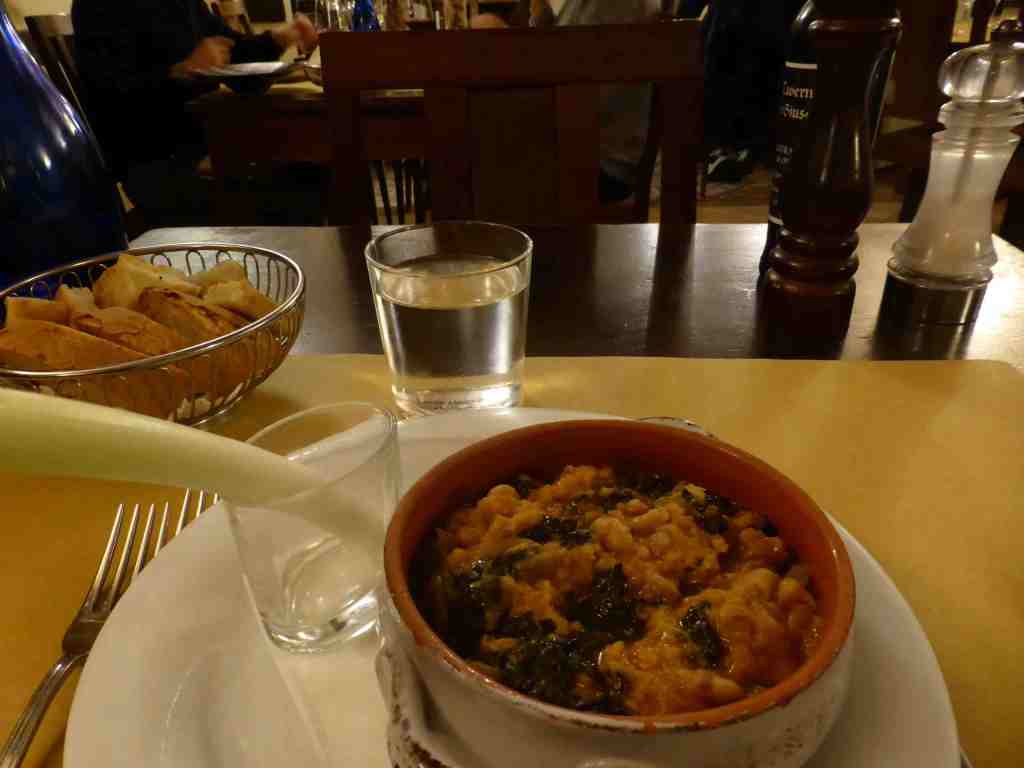
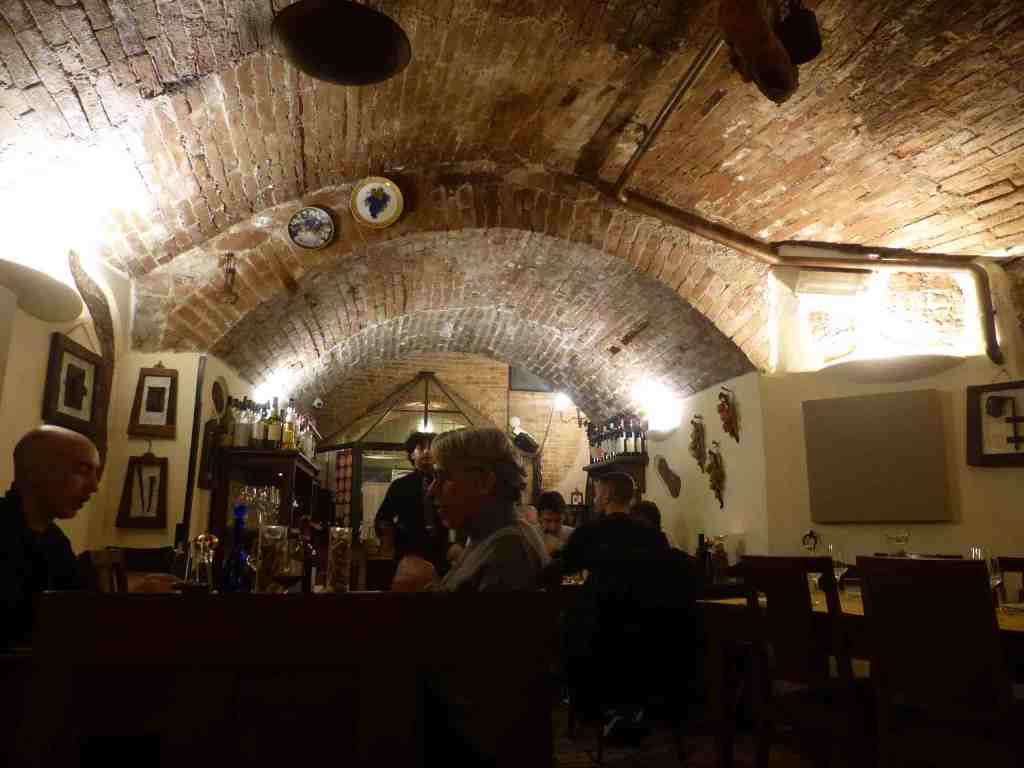
Of course, it’s not hard to find food in Siena, as elsewhere in Italy, where food is a very important matter. One evening, I chose to dine in a local restaurant and sample some local cooking, including the ribollata (a very thick soup – more like a stew – a specialty of Siena) followed by/ some osso buco. Both were delicious of course, and the ambience was delightful.
There are many other treasures in Siena, especially artistic treasures. I visited the national art museum (Pinacoteca Nationale di Siena), which housed an extraordinary collection of art, especially the gold-background paintings reminiscent of pre-Renaissance art. The art is mostly religious (as that was regarded as appropriate and, anyway, nobody else was prepared to commission artists, I think. Siena and Florence were great rivals in the middle ages, but Siena suffered badly with the Plague in 1438 – wiping out half its population – and never really recovered, while Florence went on to be the artistic home of the Renaissance. Here are a few examples:

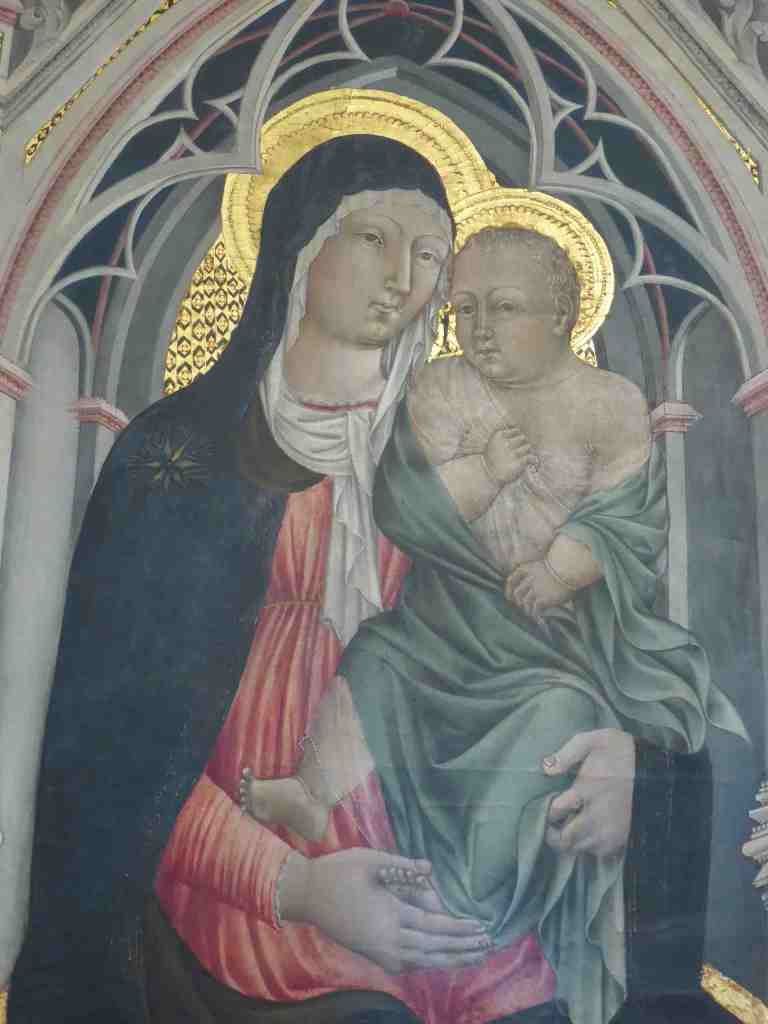

Many of the pieces in the museum have been taken from churches, monasteries, etc in the region, (many of which are now destroyed), since that’s where paintings were commissioned for. The early artists followed pretty strong rules about what was appropriate, and didn’t see their role as expressing human emotions or even the wider world faithfully, it seemed to me. Indeed, several pieces were missing, as they were being borrowed by other galleries around the world such as the Louvre, interested in the development of painting as an art form. I also encountered a local school excursion of (young) kids – I’m not sure how much they were taking it all in.
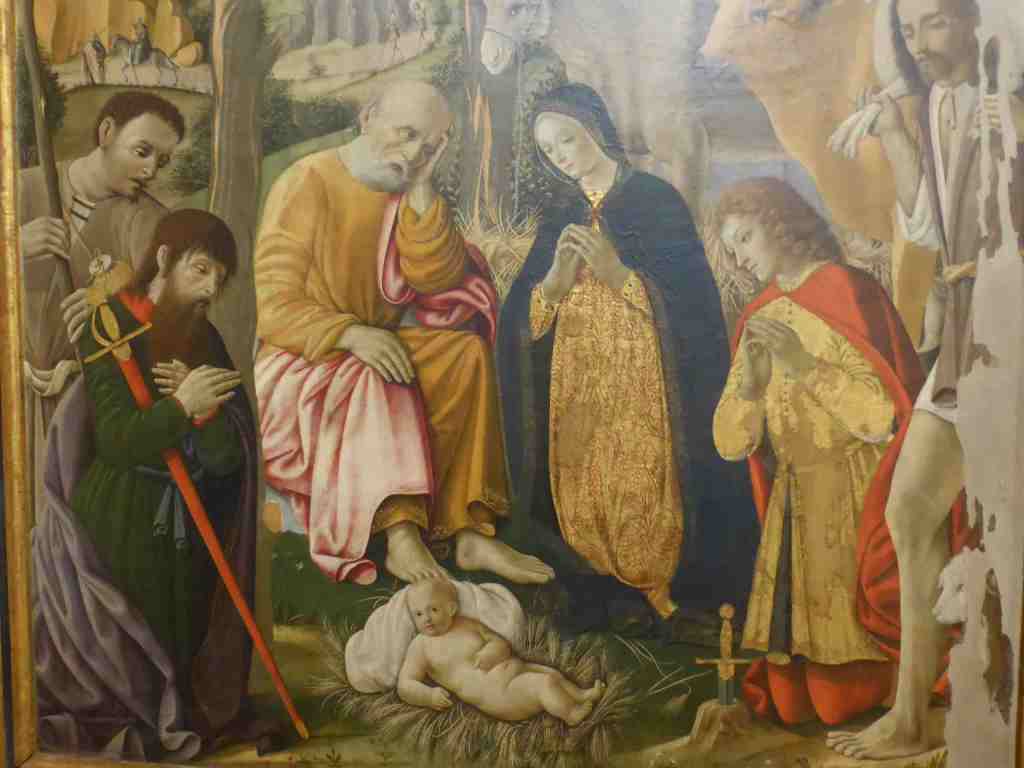
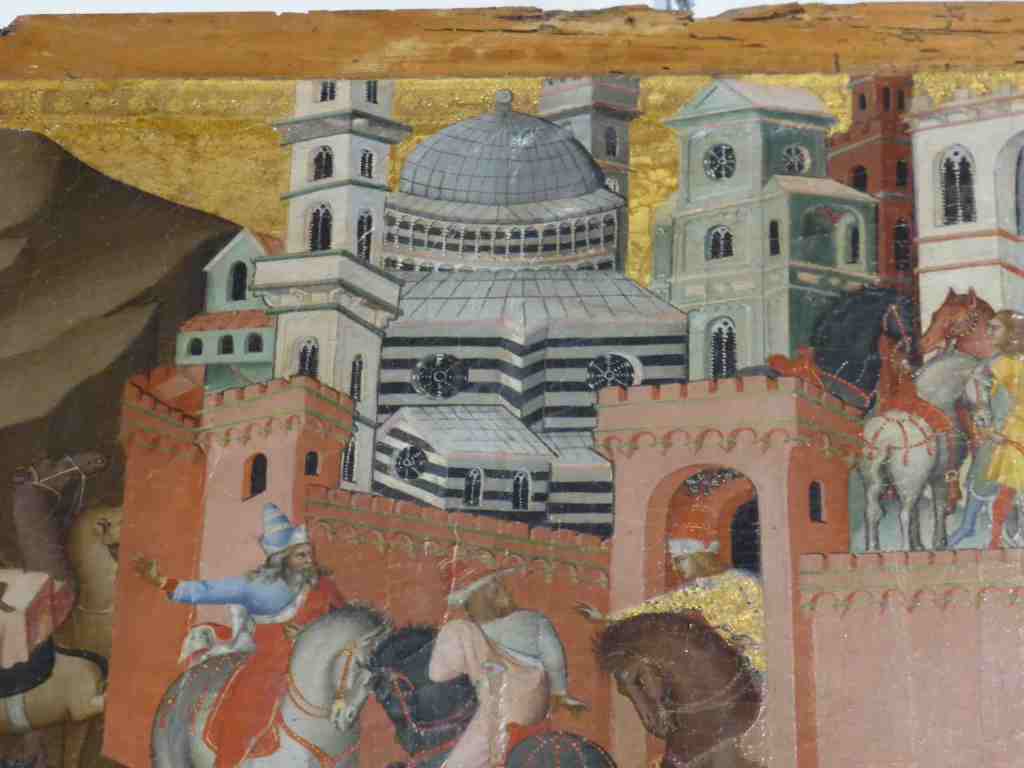
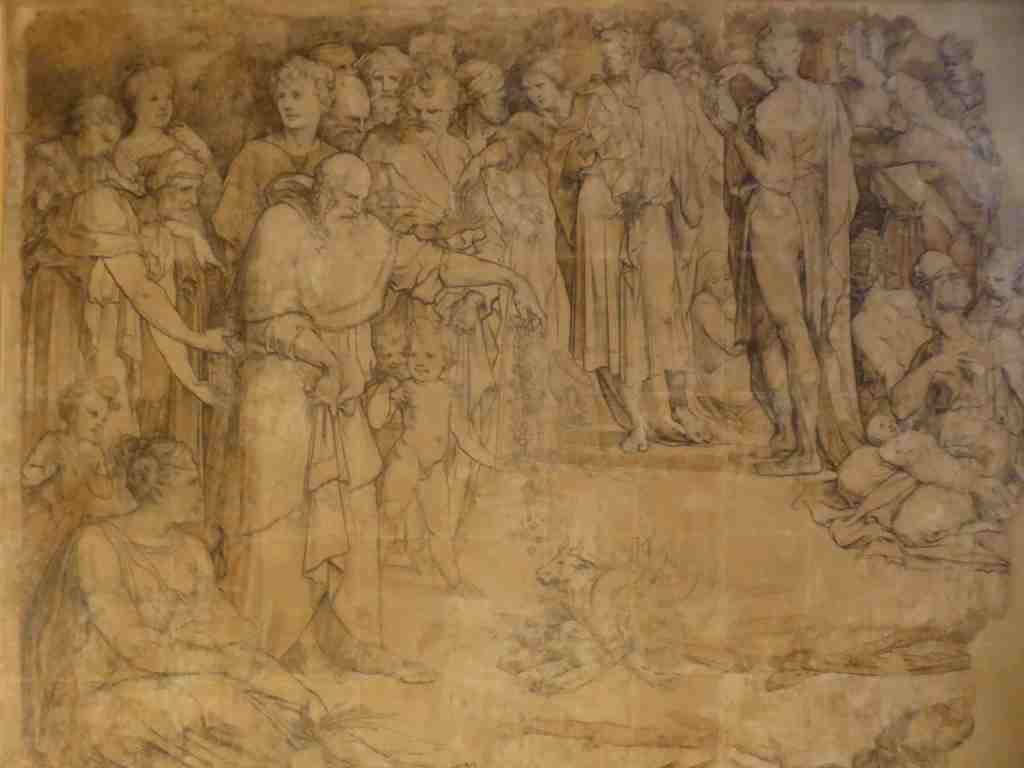
The three examples above are chosen to show three different things. Firstly, the nativity scene is a (rare) example in which human expressions are appearing – the look on Joseph’s face is interesting! The urban scene shows that early painters had not mastered the mathematics of perspective – this was one of the achievements of the Renaissance painters (especially in nearby Florence). The museum also had some of the original plans for the wonderful Duomo floor tiling, one example of which is shown.
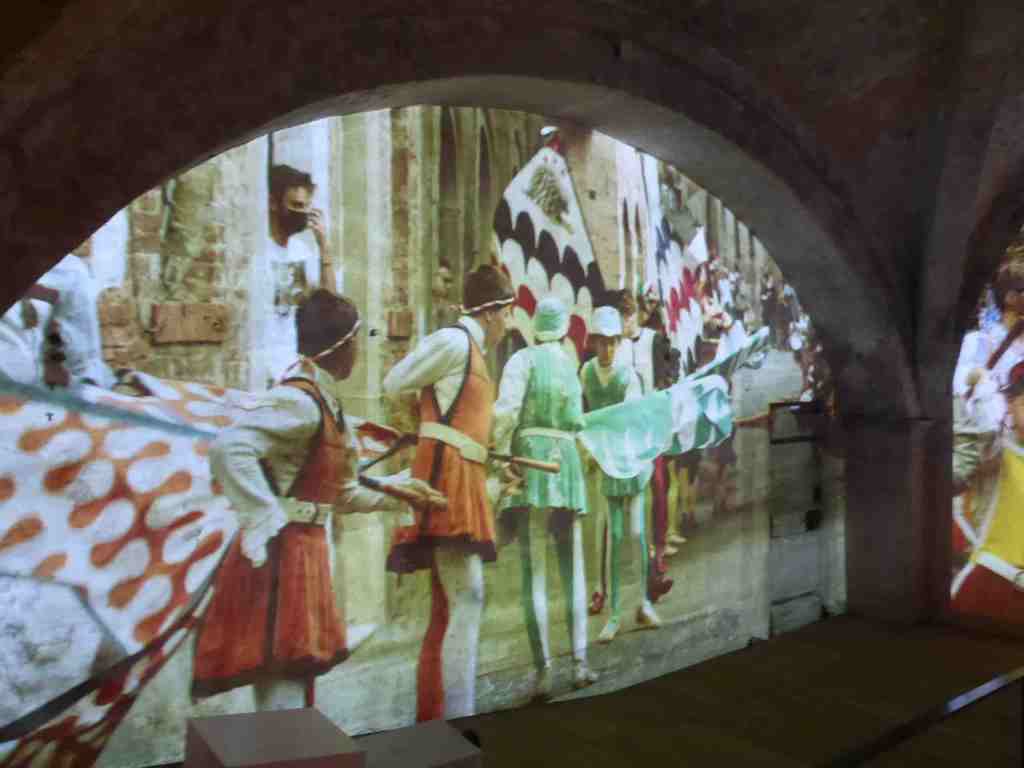
Finally, it would be remiss to reflect on Siena without mentioning the famous Palio. This is an annual bareback horse race three times around the Campo, held twice a year (July 2nd and August 16th), wth rare exceptions (such as world wars and the recent Covid chaos) since at least 1701. It has few rules (and so would not meet today’s standards for horse-racing), but each of the city’s contrade (local districts) tries to win. There is a spectacular series of events with ancient flags and medieval costumes leading up to the actual race, that usually lasts only about 90 seconds.
I was there in January, not summer time, so of course did not see the Palio in action, but it seems to be deeply ingrained in Sienese society, and is certainly not just a ‘tourist attraction’. I saw a nice video display in the national museum, projected onto ancient walls, with a few snippets shown below of some of the ceremonial buildup to the race:
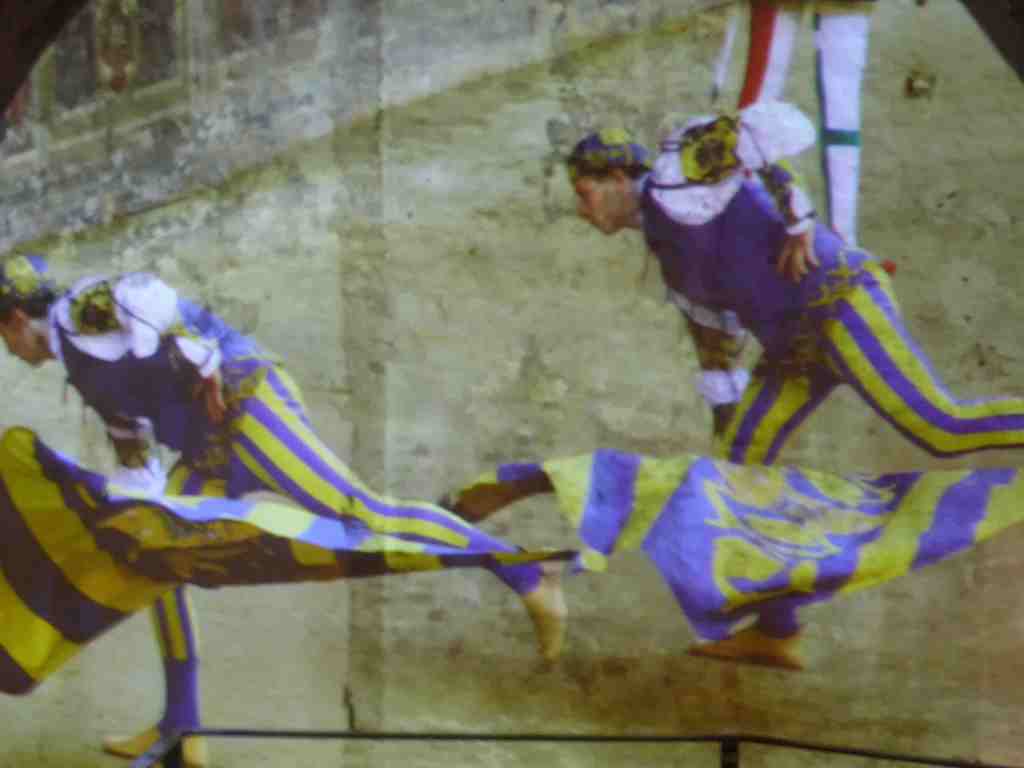
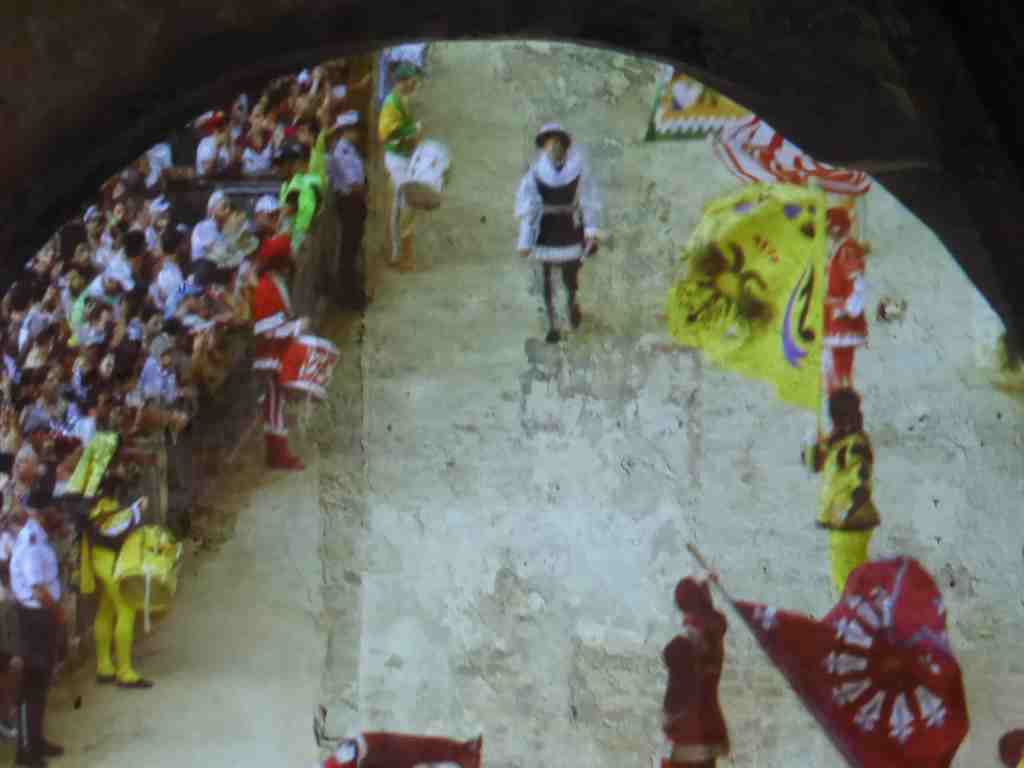
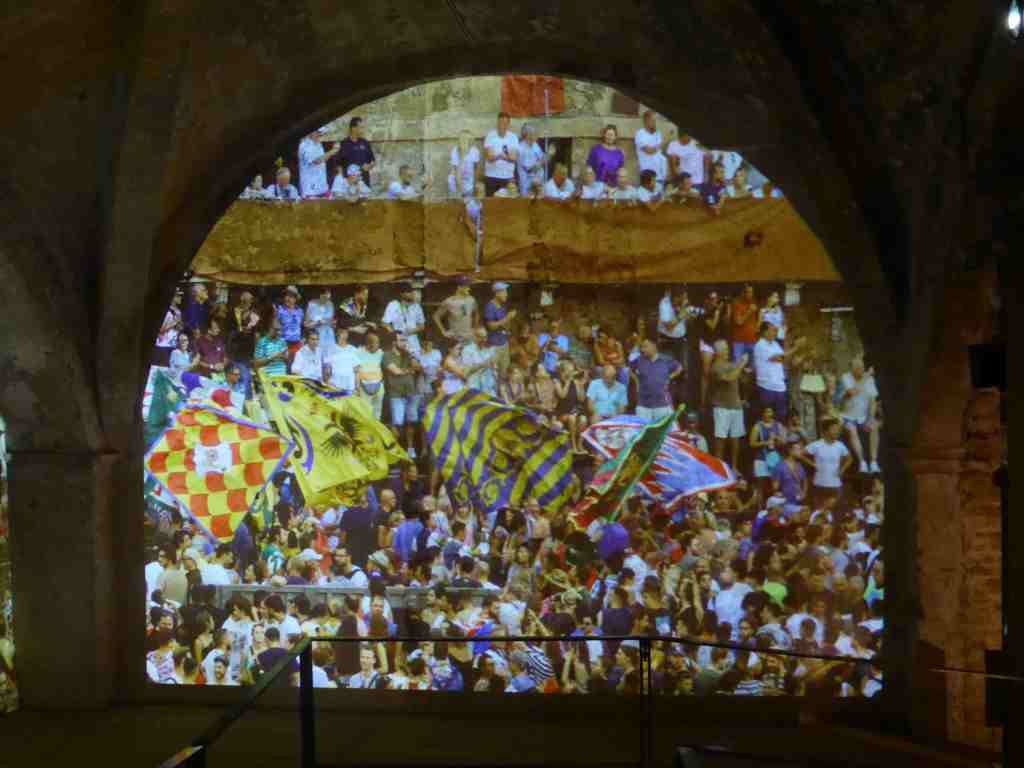
Sienese grow up in their contrada – not unlike AFL supporters growing up in their region, only much more so; if you’re born in a contrada, you’re a lifetime member, it seems. I happened by chance to wander into the Lupa (she-wolf) contrada one day, and it was very clear that I had done so:
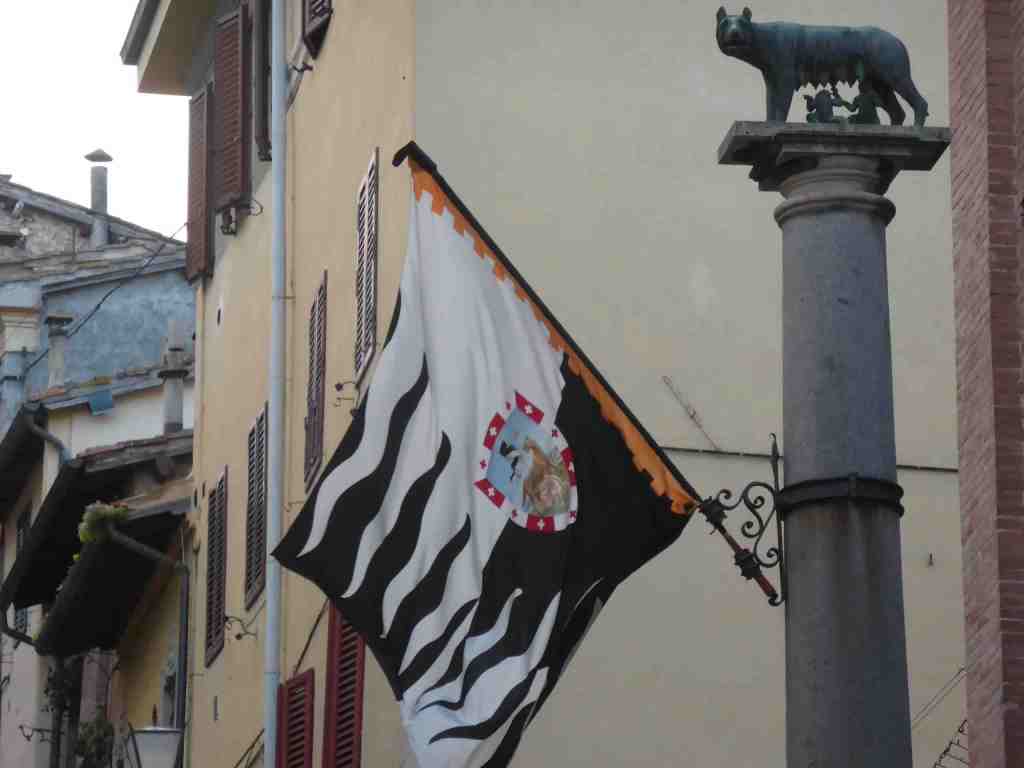
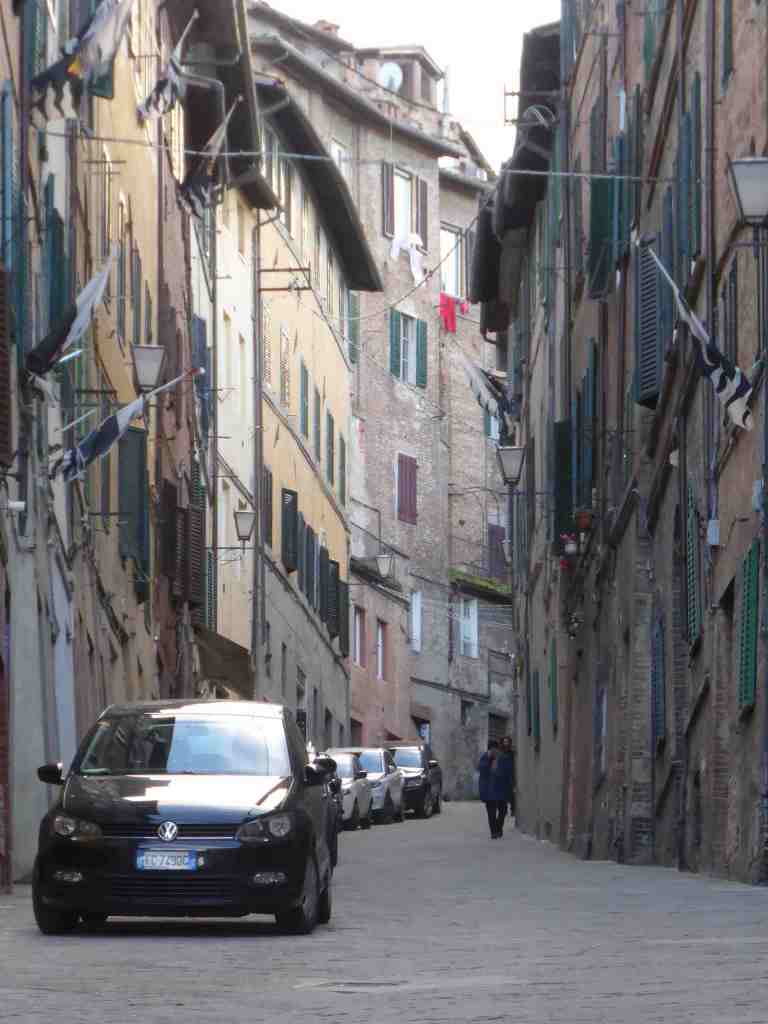
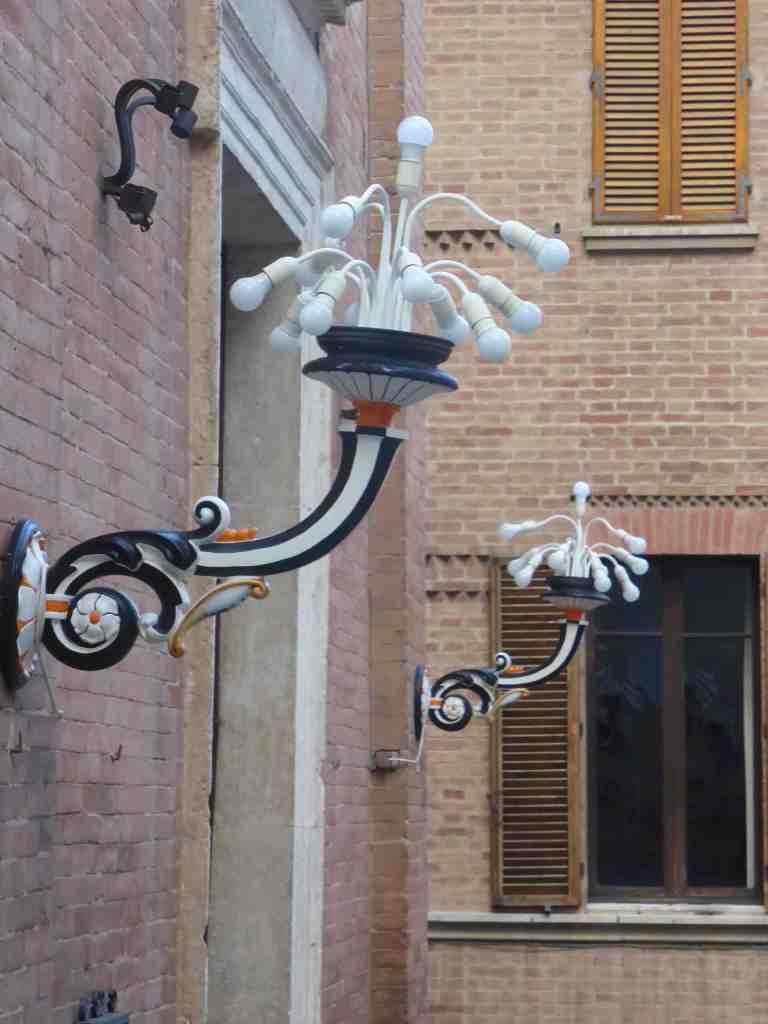

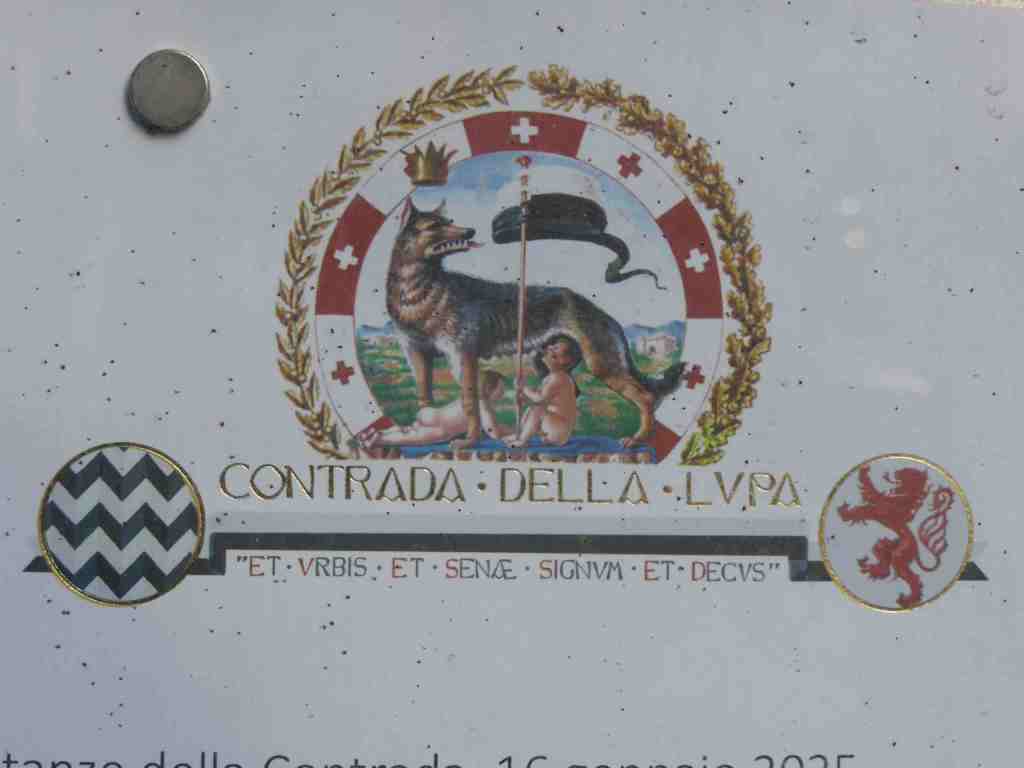
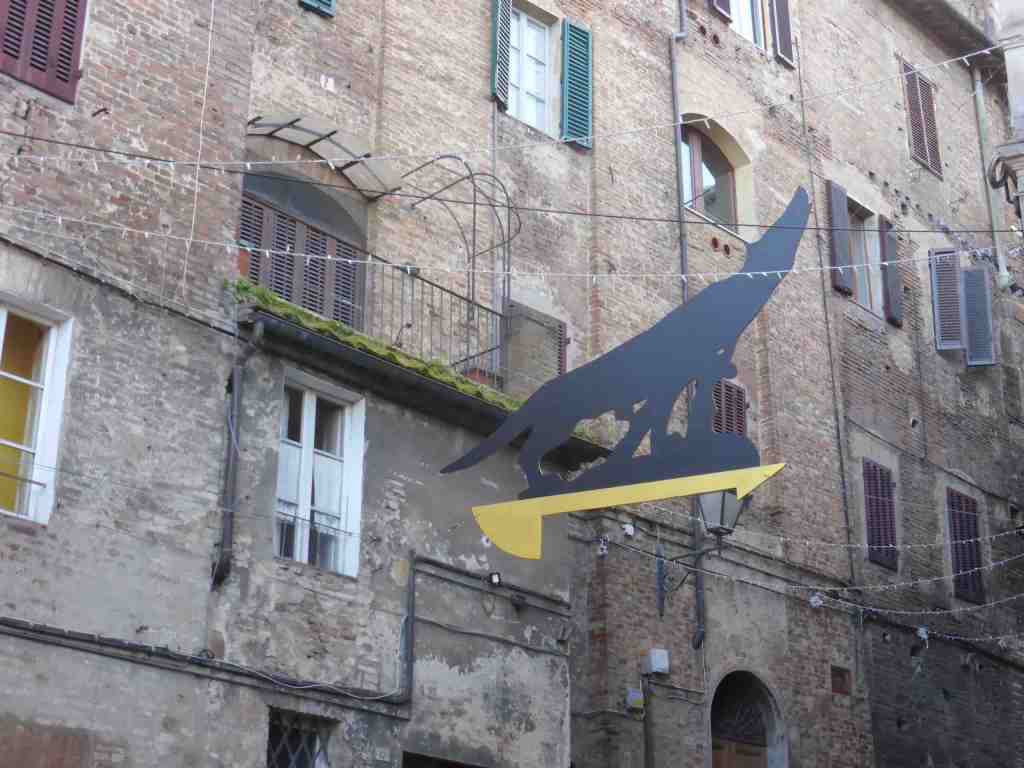
I also wandered quite unknowingly (in other words, I was lost!) into what seemed an ordinary church, which I found on closer inspection was not ordinary at all … it is the very church of Provenzano to which the victorious contrada returns after their win in July to thank the Madonna for their victory; so it is regarded by many as the second most important church in the city. (The Duomo performs a similar role for the August event). It looks inauspicious and quiet, but that’s certainly not the case on July 2nd each year.
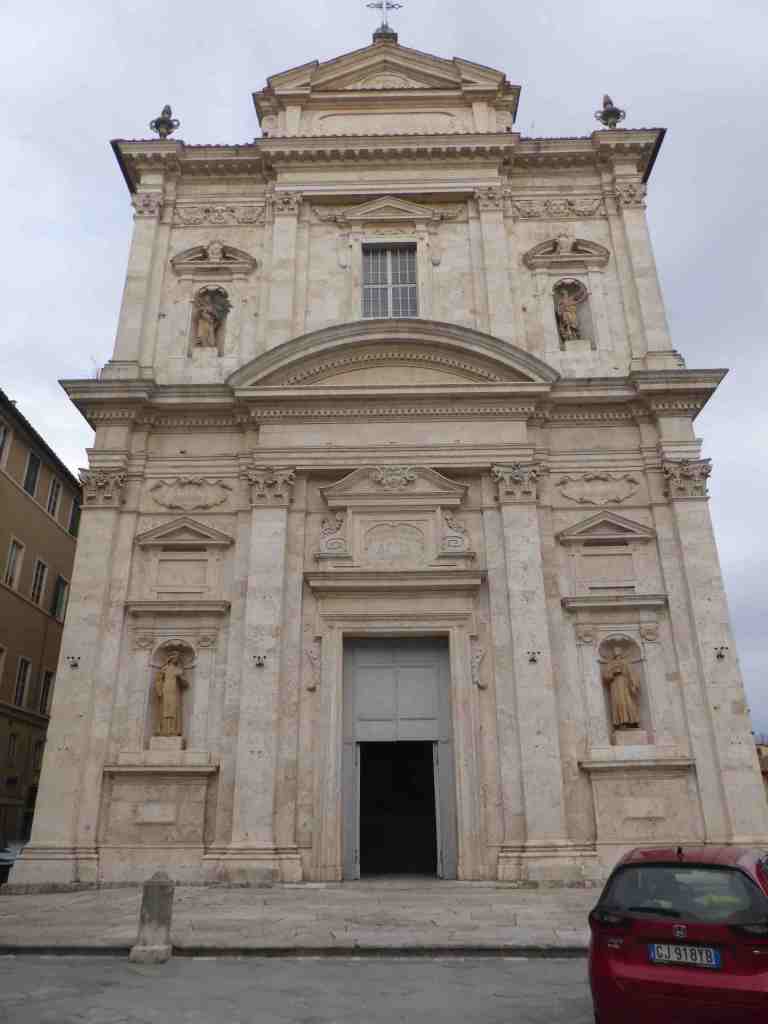
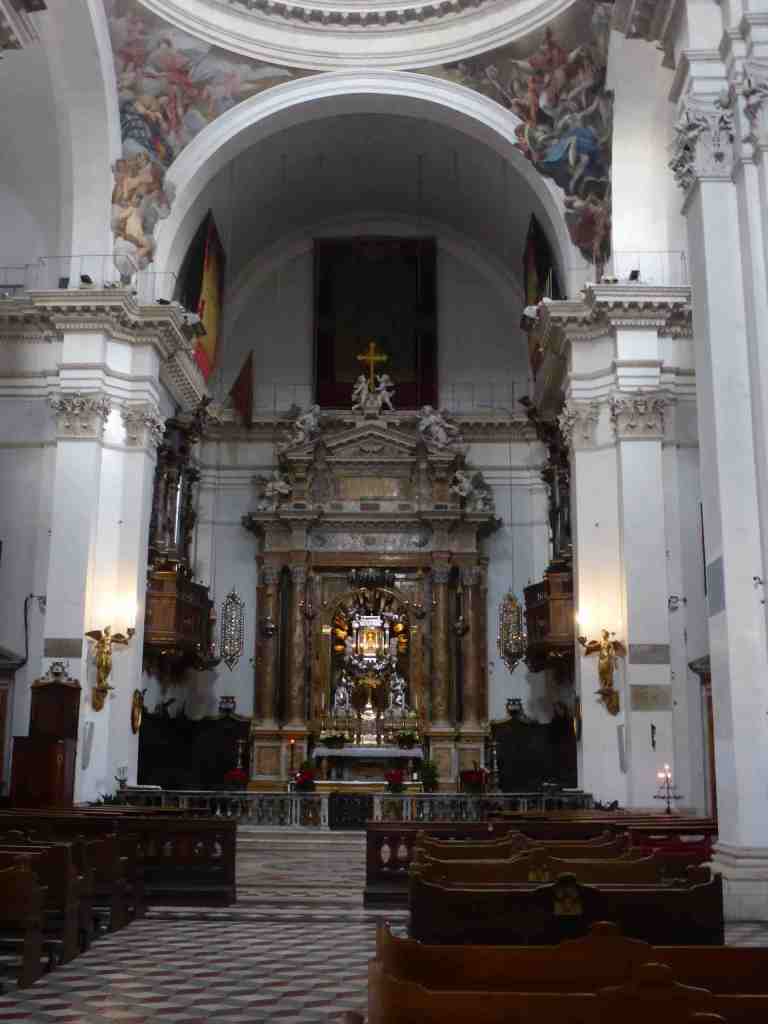
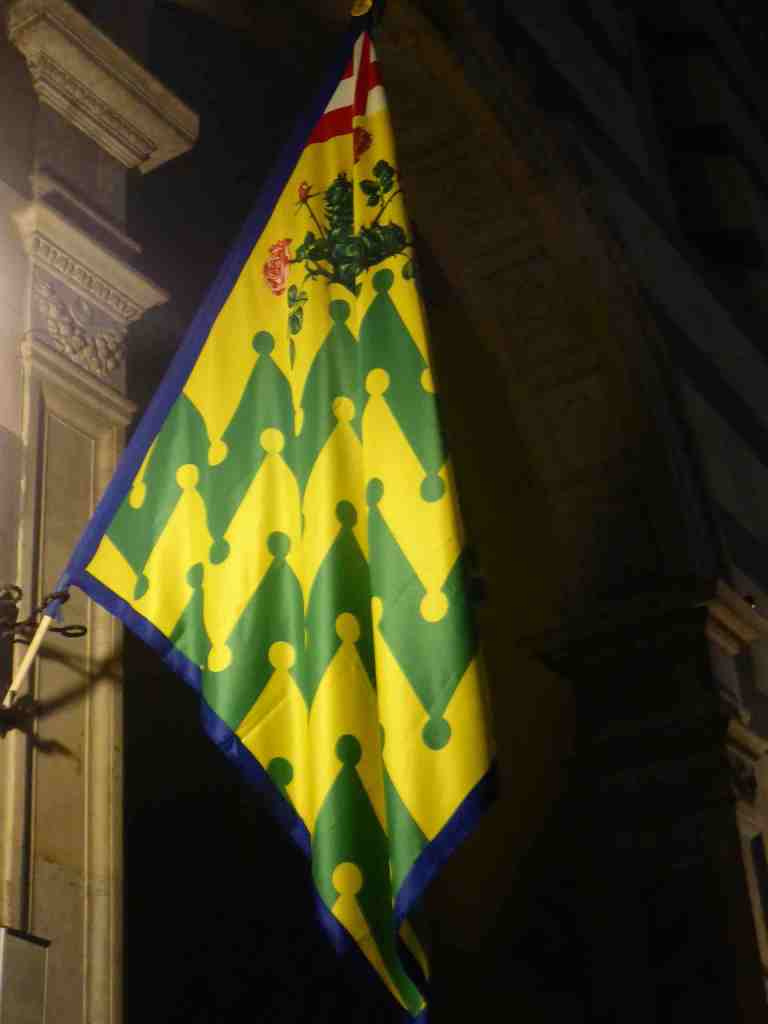
I had also found a flag of a different contrada (Bruco) in a different church (the large Basilica di San Francesco) the previous day, without knowing what it was or why it was there. But I now assume that the basilica was in Bruco territory … the Palio is deeply connected with the city, its citizens and its churches.
I’ve not seen the Palio live, but I managed to find a YouTube video online of the August 2024 event, which you might find interesting, giving a sense of the race itself, and maybe making sense of why the flags are still prominent in Lupa contrada:
There are 17 contrade, but only ten compete in each event. It’s not hard to find flags for the various contrade in Siena:

Siena is a popular day-trip from both Rome and Florence. If you’re ever close enough, make sure that you visit it, but you’ll need much more than a day.
A sublime city. An extraordinary city. I just loved it.

 Barry's travel blog
Wonderfully described and photographed as usual.
LikeLike